










Maruti Eeco Review: How a Failed Luxury MPV Became Commercial King
By Gaurav Cyril • Published on 22 Sept 2026Before the Maruti Eeco became the school van, the delivery van and the unofficial vehicle of every small business in India, Maruti tried to sell the s...
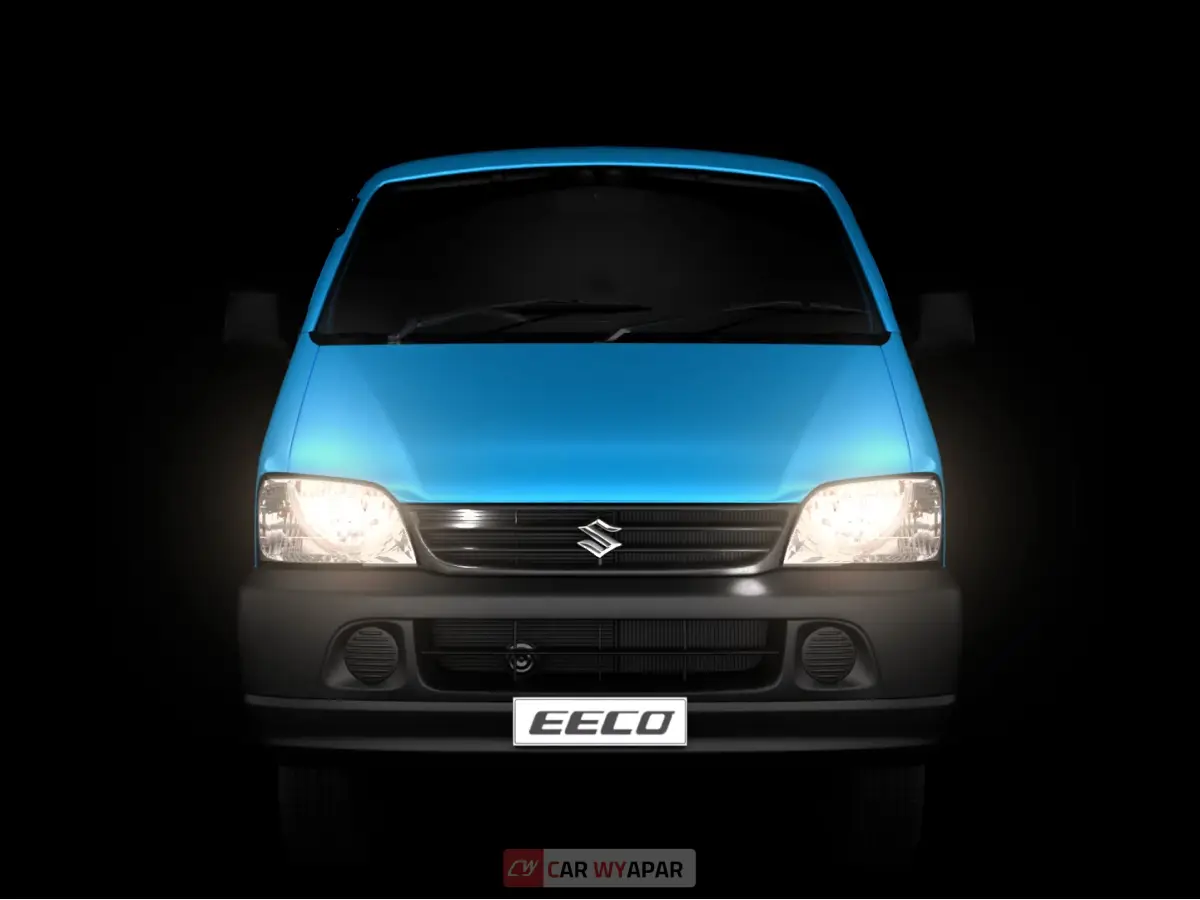
Before the Maruti Eeco became the school van, the delivery van and the unofficial vehicle of every small business in India, Maruti tried to sell the same basic idea as a premium family car.
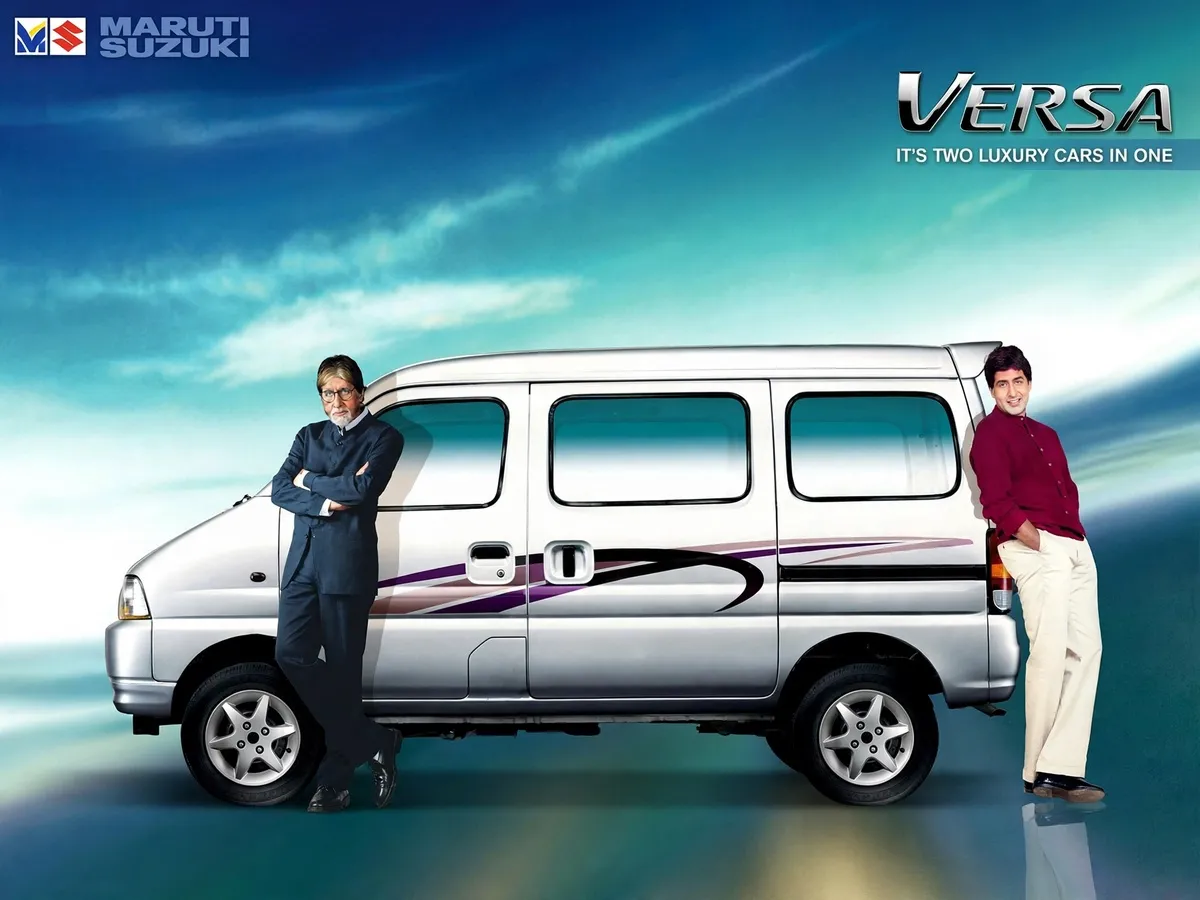
It was called the Maruti Versa.
AI generated Image*.webp)
And it failed.
The Versa was supposed to show Indian families that a van could be more than a utility vehicle. Maruti even put Amitabh Bachchan and Abhishek Bachchan in its advertising to give the product a premium, aspirational image. But the market did not agree with Maruti's idea.
The Versa was expensive for what Indian buyers thought a van should cost. A buyer spending that kind of money could look at a sedan instead. The MPV market itself was still young, while the idea of paying premium money for a boxy people mover had not really clicked.
Maruti eventually cut the price and tried to reposition the Versa, but sales remained weak. The Versa was eventually discontinued, and Maruti went back to the drawing board.
Then came the Eeco in 2010.
And this time, Maruti stopped trying to make the van look luxurious.
It made it cheap.
That changed everything.
The Versa Was Maruti's Big Family MPV Experiment
The Versa arrived in 2001 as a more upmarket people mover.
Maruti positioned it as a family-oriented MPV with more space and comfort than its smaller vans. The launch price was around ₹5.15 lakh, a serious amount of money at the time. Poor sales forced Maruti to cut the entry price to around ₹4 lakh in 2003.
The advertising was also ambitious.
Amitabh Bachchan and Abhishek Bachchan were used to sell the idea of the Versa as a premium family vehicle. The message was clear: this was supposed to be a sophisticated upgrade from the Omni.
But there was a basic problem.
Indian buyers did not see enough reason to spend premium money on a van.
A sedan at the same price looked more respectable.
A van looked like a van.
The Versa's unconventional shape also did not help. Contemporary analysis of the product pointed towards its high price, confusing positioning and the fact that many buyers associated such a vehicle more with ambulance or people-carrier duties than with personal family transport.
Maruti eventually discontinued the Versa in 2009.
But the company had learned something important.
The problem was not the space. The problem was what people were willing to pay for that space.
Then Maruti Did Something Very Maruti
Instead of abandoning the product completely, Maruti stripped it down.
The Eeco arrived in January 2010 as a heavily cost-focused successor to the Versa. Autocar India described it as essentially a facelifted Versa with a downsized 1.2-litre engine, while Maruti positioned it as a spacious family car with five and seven-seat configurations.
/EECO 6 Seater Std 2.webp)
The pricing changed the entire story.
The early Eeco started at roughly ₹2.7 lakh, around half the price of the Versa at launch. It gave buyers the same basic promise, lots of space and multiple seats, but without pretending that the van was a luxury product.
And that was the breakthrough.
Maruti stopped selling the Eeco as a lifestyle product.
It started selling it as transportation.
But There Was a Problem: Families Had Started Looking Upmarket
The Eeco arrived at an interesting time.
India's car market was changing.
The people who wanted a large family vehicle were no longer limited to the Omni or small hatchbacks.
The Tata Sumo and Tata Sumo Grande, and later the Tata Safari, Toyota Qualis and Chevrolet Tavera, had already introduced a different idea of the family utility vehicle.
Then came the Toyota Innova.
That changed the game.
The Innova was expensive compared with an Eeco, but it looked and felt like a proper family car. It had a better cabin, better road manners, more comfort and much stronger highway ability.
For a family with money, the choice became very different.
You could buy an Eeco because you needed seven seats.
Or you could stretch for an Innova because you wanted seven seats and wanted the family to enjoy the journey.
That distinction became important.
The Eeco was practical.
The Innova was aspirational.
And as Indian incomes rose, more families wanted the second one.
The Eeco Also Had an Omni Problem
The Eeco inherited another challenge from the Maruti family.
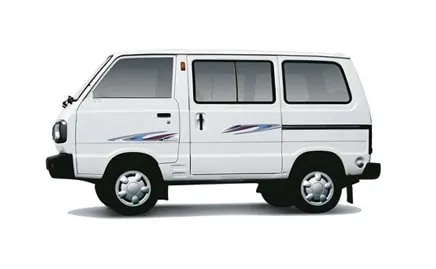
The Omni had become deeply associated with utility.
It was everywhere.
School vans.
Local transport.
Small businesses.
Goods delivery.
Shared transport.
And, eventually, almost anything that required moving people or stuff cheaply.
The Omni's boxy design, tiny footprint and low price made it extremely useful. But its basic construction and ageing safety package became increasingly difficult to justify as Indian safety regulations became stricter.
The Eeco gradually became the modern replacement for that role.
When the Omni finally went off sale in 2019, safety regulations were a major factor. The Eeco had already become the more modern Maruti van in the lineup.
In fact, when Maruti updated the Eeco for the new safety rules in 2019, it added a driver airbag, ABS with EBD, reverse parking sensors, seatbelt reminders and a speed alert system.
The transition was almost complete.
Omni was the old van.
Eeco became the new van.
But the Eeco Was Not Really a Family Car Anymore
This is where the Eeco story gets interesting.
Maruti continued to advertise it as both a family and business vehicle. The company itself described it as serving families, entrepreneurs, businesses and institutions.
But on Indian roads, the Eeco gradually developed a very different identity.
It became:
The school van.
The delivery van.
The local passenger van.
The ambulance.
The small business owner's workhorse.
The contractor's people mover.
The same box that Maruti once tried to make premium had now become one of India's most recognisable commercial vehicles.
And commercially, this worked brilliantly.
Maruti says the Eeco crossed 15 lakh cumulative sales in September 2026, with the latest five lakh units sold in only around three and a half years. It is available in passenger, Cargo, Tour and Ambulance forms.
So the Eeco did not fail.
It found a customer that actually wanted what it was good at.
Why Families Slowly Moved Away From It
The problem with the Eeco as a family car is not space.
It has loads of space.
The problem is everything around that space.
The cabin feels basic
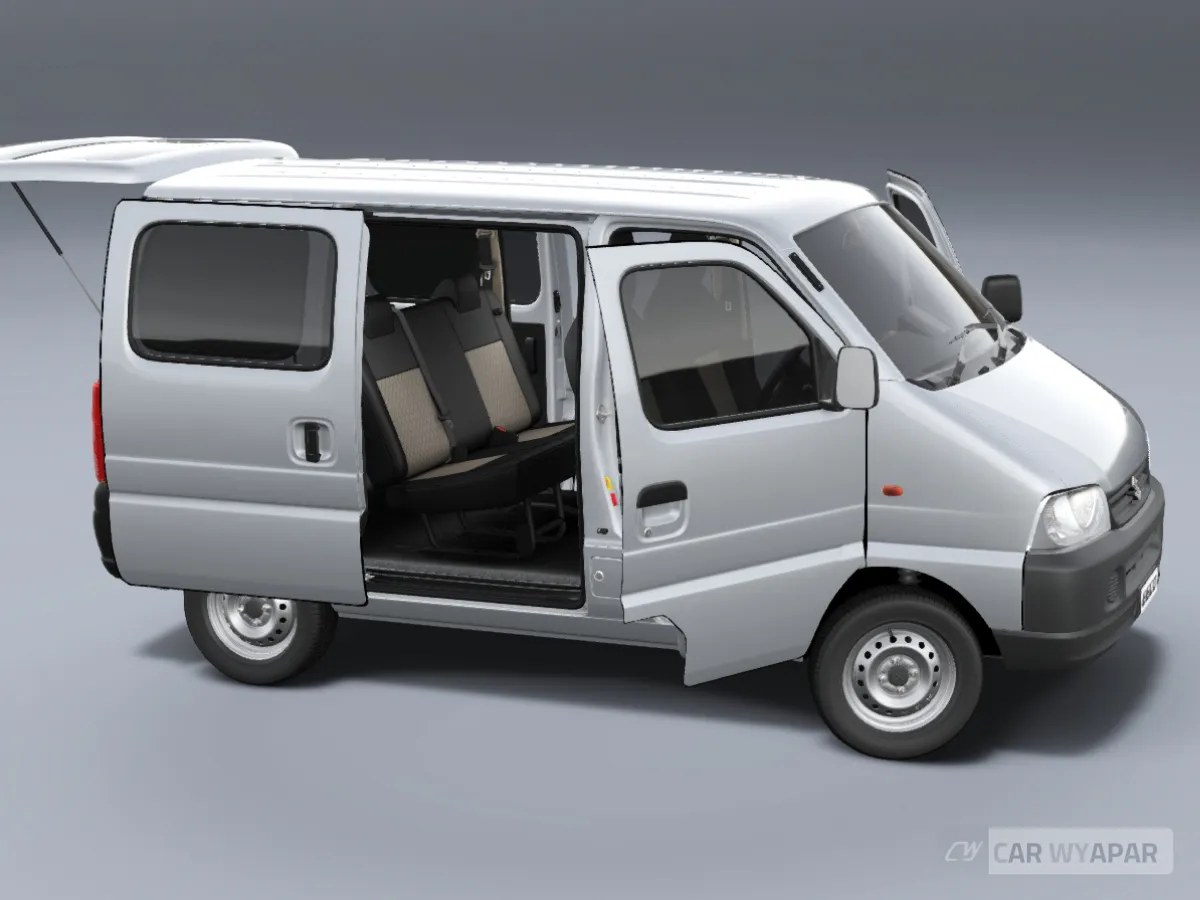
The Eeco's interior is designed around function.
You sit inside it to get somewhere.
You don't sit inside it to admire the dashboard.
There are newer family cars that offer much better seats, interiors, infotainment and overall comfort.
There is no automatic gearbox
The Eeco remains a manual-only proposition.
That is perfectly acceptable for commercial users.
For a family spending several hours every week in city traffic, it is much less attractive.
Highway refinement is limited
The Eeco can travel long distances, but it does not have the relaxed highway character of an Innova or even a modern compact SUV.
Noise, ride comfort and high-speed stability are not its strongest points.
The image changed
This is perhaps the biggest problem.
Once enough Eecos started becoming school vans, taxis and commercial vehicles, the car lost much of its family-car image.
A family that wants an aspirational MPV now looks towards an Ertiga, XL6, Carens, Innova or a three-row SUV.
The Eeco became associated with utility.
And once a vehicle gets a strong commercial image, it becomes difficult to sell it as a lifestyle product.
Safety Also Changed the Conversation
The old Omni became increasingly difficult to justify as safety expectations and regulations changed.
The Eeco itself has also evolved.
The 2026 Eeco now comes with six airbags, ESP, ABS with EBD, reverse parking sensors, three-point seatbelts, seatbelt reminders and other safety equipment as standard, according to Maruti.
So today's Eeco is much better equipped than the early versions.
But its underlying design remains that of a compact, utilitarian van.
And that matters.
A family buyer does not look only at the equipment list anymore.
They also look at how the vehicle behaves in a crash, how stable it feels at highway speeds, how comfortable the seats are and how relaxed the cabin feels.
Who Should Buy the Eeco Today?
The Eeco makes sense if your priority is function over fashion.
Buy it for business
This is where the Eeco makes the most sense.
Delivery.
Passenger transport.
Small business.
Service work.
Local logistics.
School transport.
The Eeco can do all of these jobs.
Buy it if you need a cheap people mover
If your family simply needs to move a lot of people without spending too much, the Eeco remains hard to ignore.
Buy it if you want CNG
 CNG/EECO 5 Seater AC CNG-3.webp)
The factory-fitted S-CNG version is especially relevant for high-mileage users.
Maruti currently claims up to 26.78 km/kg for the Eeco S-CNG under certified test conditions.
Buy it if you don't care about premium features
If your attitude is:
"Bhai, AC chahiye, seats chahiye, gaadi chalni chahiye."
The Eeco understands you perfectly.
Who Should Avoid It?
Avoid the Eeco if you want your family car to feel premium.
Avoid it if you spend most of your time in city traffic and want an automatic.
Avoid it if you frequently drive long distances with your family and care strongly about highway comfort.
Avoid it if you want a modern cabin.
And avoid it if you are looking for a car that feels aspirational.
Because the Eeco has a very different personality now.
It has gone from trying to be your family's luxury van to becoming your business's most reliable employee.
The Eeco's Real Success Story
The most interesting part of the Eeco story is that Maruti did not really create a new market.
It understood why the Versa failed and changed the product's economics.
The Versa tried to convince Indians that a van could be premium.
The Eeco told Indians that a van could be cheap, spacious and useful.
That was a much easier product to sell.
And once the Eeco entered the market, it slowly absorbed much of the role that the Omni had played, while also becoming a major commercial vehicle in its own right.
The Omni was the little van that India used for everything.
The Eeco became the bigger, more modern version of that idea.