
























Tata Aeris to Replace Tigor: Tata Is Repeating an Old Trick
By Nitesh Yadav • Published on 21 Sept 2026Tata Motors has done this before. More than once. The upcoming Tata Aeris, which is expected to replace the Tigor, looks like another chapter in Tata...
Tata Motors has done this before. More than once.
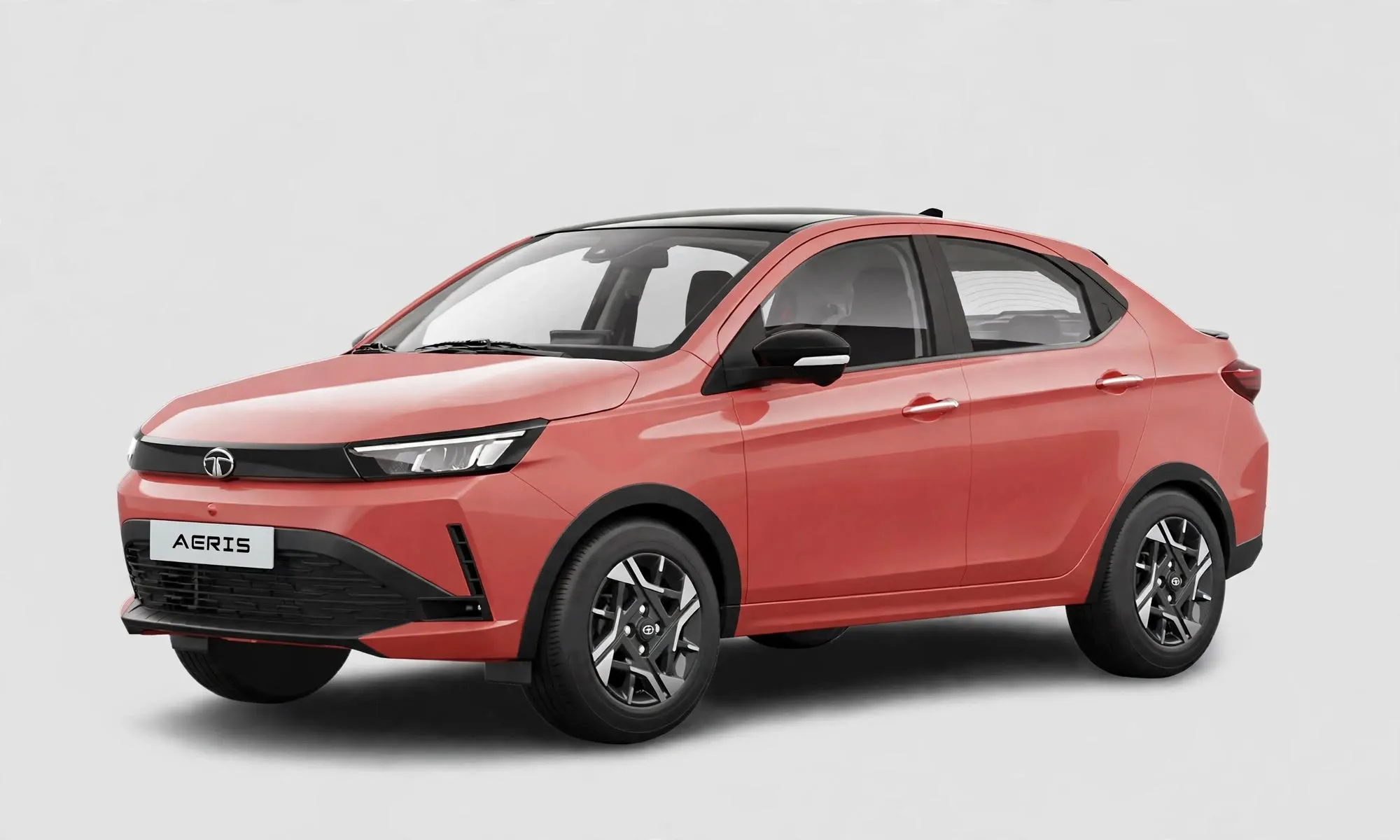
The upcoming Tata Aeris, which is expected to replace the Tigor, looks like another chapter in Tata's long-running effort to keep its small sedan alive by giving it a fresh identity. Tata has already moved from, Indigo to Manza, Zest to Tigor, and now Tigor could become Aeris. The pattern is interesting because Tata has learned one important lesson from its past: sometimes a new car needs more than a new bumper. It needs a new name, a new positioning and a reason for buyers to look at it again. The Aeris is expected to make its debut on September 25, 2026.
It Started With the Indica
To understand the Aeris, you have to go back to the Tata Indica.
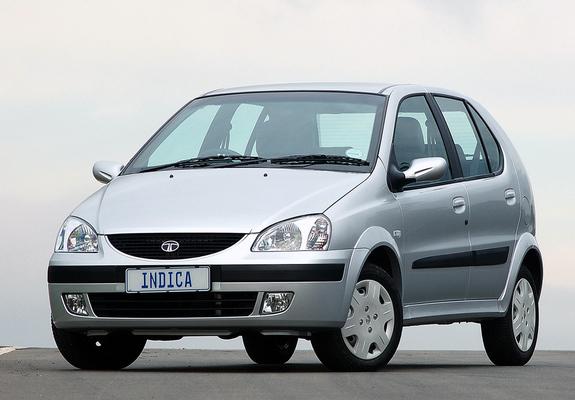
Indica became one of the most important cars in Tata Motors' passenger vehicle history. It was India's first fully indigenous passenger car, and its platform eventually spawned an entire family of vehicles.
Then came the Indica Vista.
Vista was a much more modern car than the original Indica, but Tata kept the Indica name. That created a problem. Buyers often saw it as another version of the old Indica rather than a proper new generation. Autocar India noted that the Vista was a substantially improved car, but the familiar name and styling made it harder to communicate that change.
And Tata had another Indica-derived product running alongside it.
Indica Became Indigo
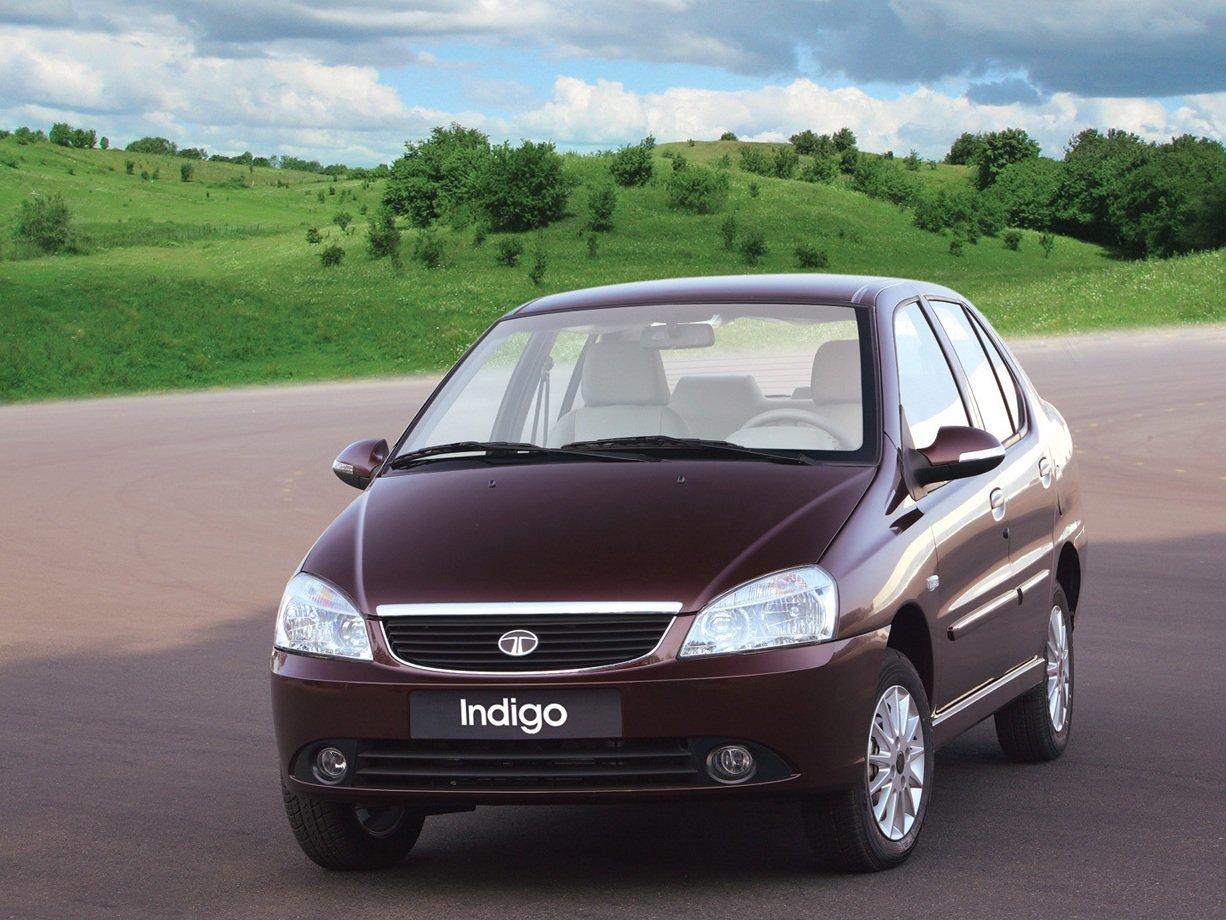
The sedan version of the Indica became the Tata Indigo.
The relationship was simple:
Indica = hatchback
Indigo = sedan
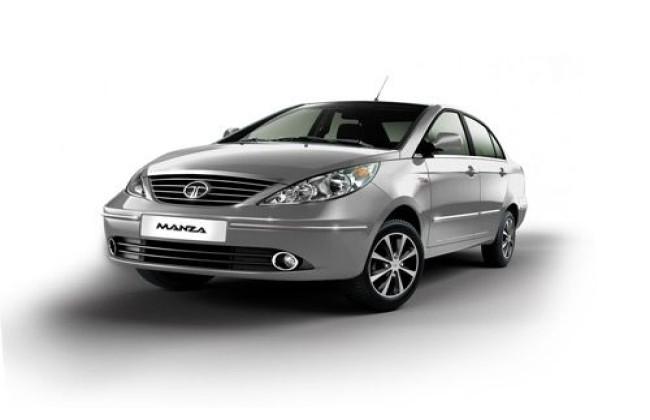
The Indigo eventually evolved into the Indigo Manza, which was positioned as a larger and more premium sedan. Tata also created the Indigo CS, which was one of the early compact sedans and is credited by Autocar India as the car that effectively created the compact sedan format in India.
So Tata already had the basic formula:
Hatchback + sedan = one small-car family.
It would use that formula again.
Then Came Zest and Bolt
In 2014, Tata tried to move beyond the ageing Vista and Indigo family with two new names:
Tata Zest
Tata Bolt
The Zest was the sedan.
The Bolt was the hatchback.
Both were part of Tata's Falcon programme and were based on the X1 architecture used by the Indica Vista and Indigo Manza. Tata itself lists the Zest launch in 2014 and the Bolt launch in 2015 in its official history.
In simple terms:
Indica Vista → Bolt
Indigo Manza → Zest
The idea was sensible. The execution had a problem.
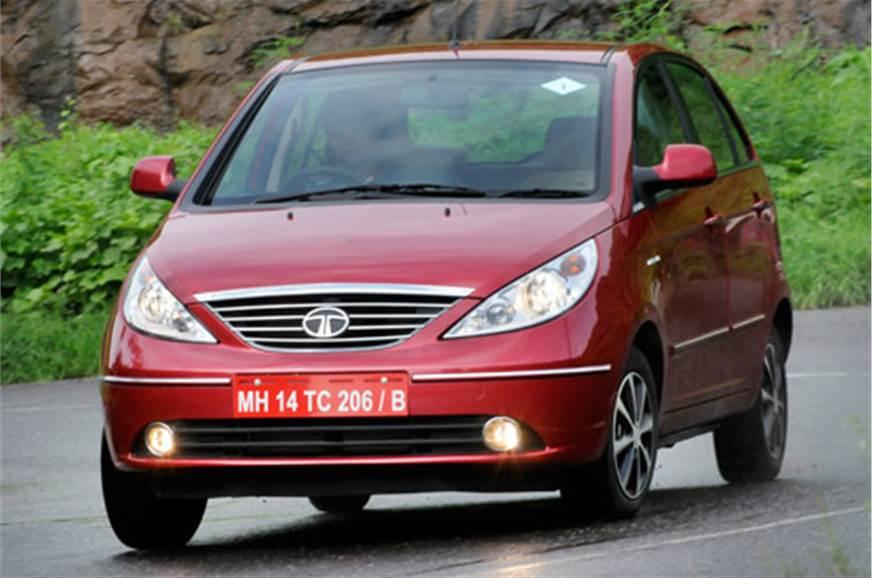
The Bolt looked too closely related to the Vista, making it difficult for buyers to see it as a truly new hatchback. Autocar India described the Bolt as a heavily facelifted Vista, while noting that the Zest became fairly popular but the Bolt struggled.
The names were new.
The underlying family still felt old.
And that matters in the Indian car market.
Tata Eventually Pulled the Plug
Tata gradually phased out the older Vista, Manza and Indigo products as the company moved towards the Zest and Bolt. The Zest itself continued until 2019, while the Bolt also disappeared around the same period.
But Tata had already started working on the next generation of small cars.
That brought us to Tiago and Tigor.
The Tiago arrived in 2016.
The Tigor followed in 2017.
And this time Tata changed the formula.
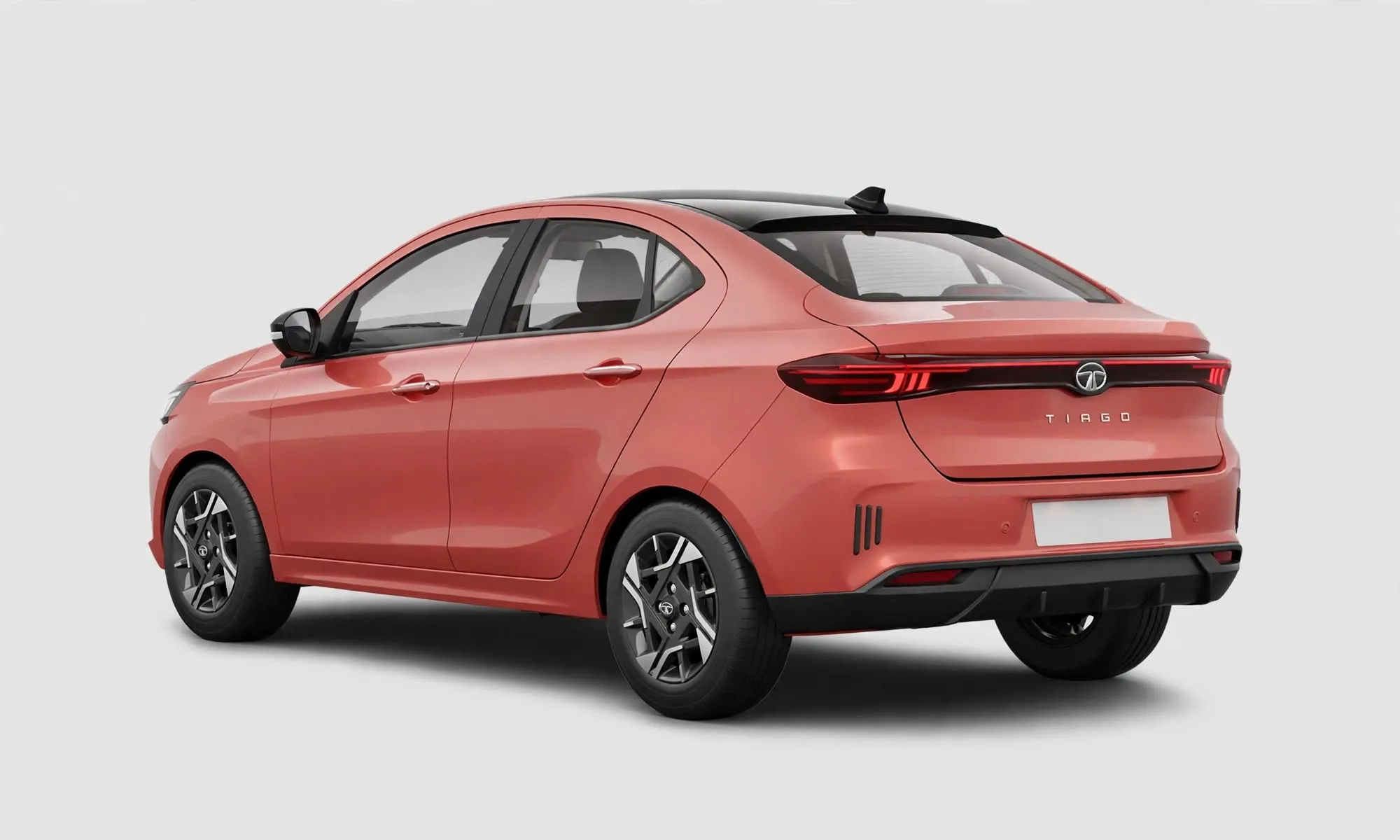
Instead of trying to convince buyers that an old platform had become a new car, Tata developed the two cars as siblings from the beginning. The Tigor came from the same project as the Tiago and essentially became its sedan counterpart.
That gave Tata a much cleaner family:
Tiago = hatchback
Tigor = sedan
And unlike the Zest, the Tigor managed to build its own identity over time.
It has also survived much longer than the Zest.
That matters.
The Tigor may never have become the Dzire of the segment, but it has earned recognition as Tata's compact sedan. It became the car carrying Tata's name in this part of the market, including through petrol, CNG and EV versions.
So if Tata now replaces the Tigor with the Aeris, it is not simply killing another unsuccessful sedan.
It is changing the name of a car that has already established some identity.
And Now, Tigor Becomes Aeris
This is where the history gets interesting.
Look at the progression:
Indica → Vista → Bolt → Tiago
and
Indigo → Manza → Zest → Tigor → Aeris
It is not a perfect one-to-one replacement chain because Tata's platforms and product strategy changed over the years. But from a customer point of view, the pattern is clear.
Tata has repeatedly used a hatchback and sedan pair to cover the affordable passenger-car market.
The Aeris could now become the next generation of that sedan story.
Recent reports say Tata has trademarked the Aeris name and plans to use it for the Tigor replacement, with the new sedan expected to receive exterior and interior updates and continue to target the compact sedan market.
Why Change Tigor's Name?
The obvious question is, why not simply call it the new Tigor?
There is a reasonable business case for a new name.
Tata already has the Tiago.
Tiago and Tigor are easy to confuse, especially for buyers who are not following every Tata launch.
Aeris gives Tata a clean slate.
It also allows the company to move the sedan slightly upmarket instead of presenting it as an ageing Tigor with new headlights.
That could be important because the compact sedan segment has changed dramatically.
The Dzire Problem
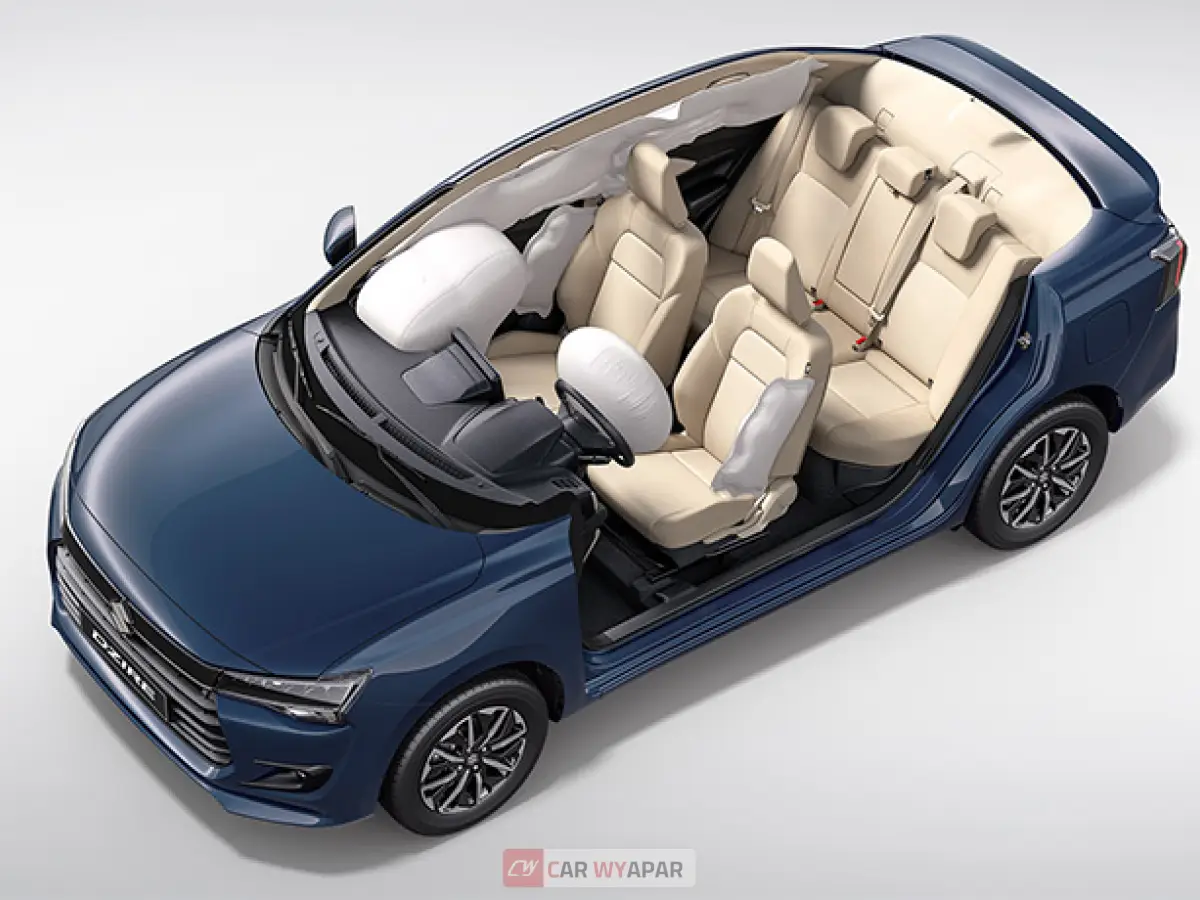
The compact sedan segment is now led by the Maruti Suzuki Dzire, with the Hyundai Aura and Honda Amaze fighting for the remaining space.
At the same time, compact SUVs have eaten into the traditional sedan buyer base.
So Tata has two problems.
It needs to convince buyers that they still need a compact sedan.
And then it needs to convince them to buy its compact sedan instead of a Dzire or an SUV.
That is a much bigger challenge than changing Tigor's badge.
But Compact Sedans Still Make Sense
There is a reason this segment refuses to disappear.
A compact sedan gives you a proper boot, good cabin space, relatively compact dimensions and the easy city manners of a small car.
For a family that wants a practical daily driver rather than a tall SUV, that formula still works.
A buyer who drives to work during the week, takes the family shopping on weekends and occasionally heads out on the highway may not actually need an SUV.
They may simply want a comfortable small car with a big boot.
That is where the Aeris has a job to do.
Aeris Needs to Do What Zest Could Not
The biggest lesson from the Zest and Bolt era is that a new badge alone cannot create a new product identity.
The Zest was better positioned than the Bolt and survived longer, but Tata eventually replaced the family with Tiago and Tigor.
This time, Aeris needs to feel like a genuine step forward.
It needs a clear design identity.
It needs a modern cabin.
It needs competitive features.
It needs efficient powertrain choices.
And most importantly, it needs to give buyers a reason to choose a sedan when every showroom is trying to sell them an SUV.
The Tigor carried the compact sedan torch for Tata for nearly a decade.
Now Aeris appears ready to take it.
Indica had Indigo. Vista had Manza. Bolt had Zest. Tiago had Tigor. And now Tiago could have Aeris.
Tata has changed the names many times.
The interesting question is whether Aeris can finally make the sedan feel like a completely new chapter, rather than another page in the same old book.