


















What Ethanol does to your car's fuel pump: E20 issues explained
By Nitesh Yadav • Published on 6 Jul 2026Manish Kashyap a well-known YouTuber and politician from Bihar uploaded a video. His Toyota Innova Hycross Strong Hybrid, a premium vehicle worth arou...
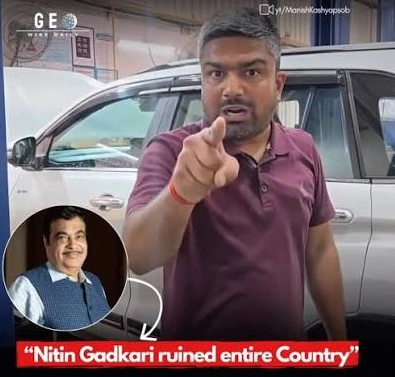
Manish Kashyap a well-known YouTuber and politician from Bihar uploaded a video. His Toyota Innova Hycross Strong Hybrid, a premium vehicle worth around ₹40 lakh with barely 12,000 km on the clock, had developed severe engine vibrations, knocking noises, and repeated stalling. The cherry on top? Fuel efficiency had plummeted from a respectable 17-20 kmpl to a shocking 5 kmpl.
Kashyap’s videos, recorded at a Toyota service centre, showed fuel samples drained from his vehicle appearing visibly contaminated with dirt and debris. He claimed the ethanol content seemed higher than the prescribed E20 limit. His core argument was simple: if the fuel filler cap clearly stated "Up to E20 Petrol," why had his E20-compliant vehicle developed such serious problems within months of ownership?
Toyota Kirloskar Motor responded swiftly. In a statement issued on July 4, 2026, the company firmly rejected Kashyap’s allegations. Their technical assessment concluded that the issue was not due to E20 fuel itself, but rather contaminated fuel containing impurities and foreign matter. The company maintained that the Innova Hycross is "designed, tested and certified for use with E20 fuel" and that no damage was found to the engine or fuel system. After draining, cleaning, and refilling with standard E20 fuel, the vehicle was restored to normal operation.
The Fuel Pump Question: What CarWyapar Experts Say
Ethanol has several chemical properties that engineers have been dealing with for decades.
It is:
Hygroscopic, meaning it absorbs moisture from the atmosphere.
A strong solvent that cleans deposits inside fuel tanks.
More aggressive toward certain plastics, rubber seals, adhesives, and untreated metals.
Less energy dense than petrol, which naturally reduces mileage.
None of these are opinions.
They are basic chemistry.
Chemistry has never voted in an election. They are not interested in politics and making policies.
How Ethanol Can Damage a Fuel System
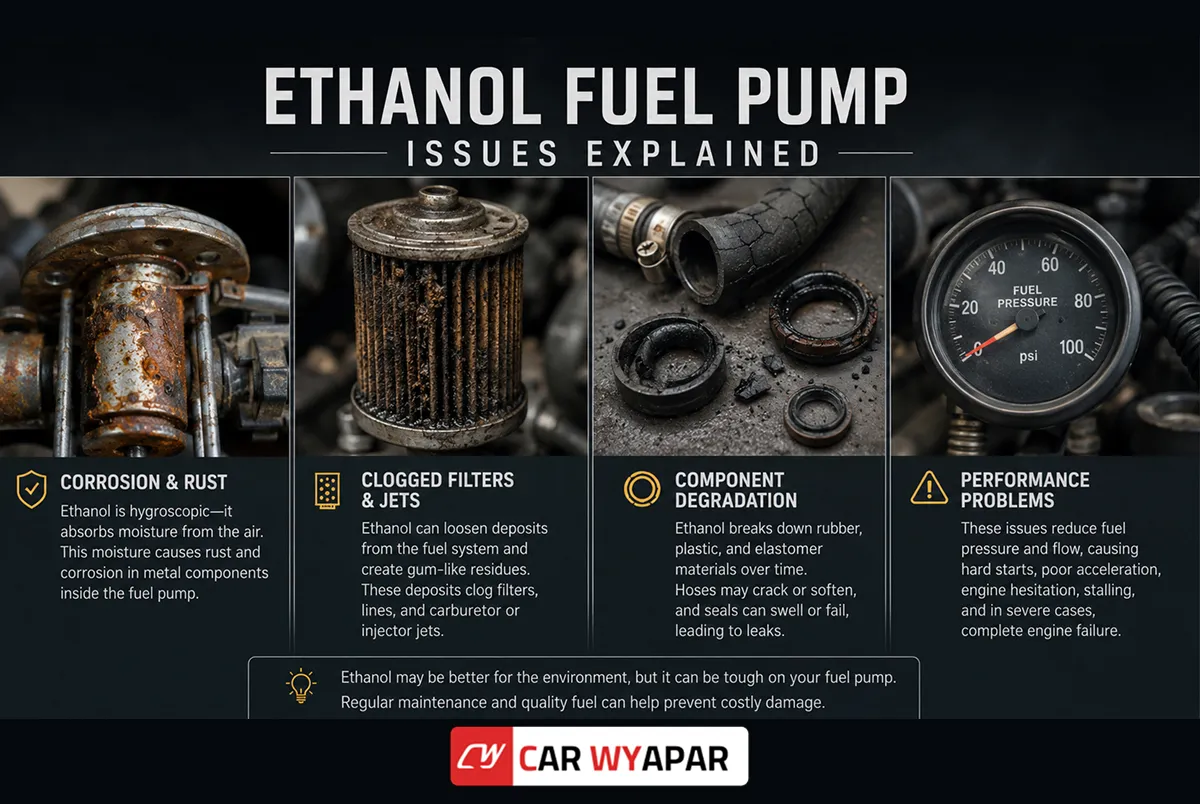
If the fuel system is not specifically designed for higher ethanol blends, several problems can develop over time.
Moisture Leads to Corrosion
Because ethanol absorbs water, moisture can accumulate inside the fuel system.
Water and metal have never been good roommates.
The result can be:
Rust inside the fuel tank
Corrosion on fuel pump components
Reduced pump efficiency
Ethanol Cleans Old Deposits
This sounds positive.
Until those loosened deposits travel through the fuel lines and decide the fuel filter looks like an excellent parking spot.
That can result in:
Clogged filters
Injector blockage
Reduced fuel pressure
Ironically,
Your fuel system becomes dirty because ethanol tried cleaning it.
Rubber and Plastic Components Age Faster
Older seals, O rings, hoses and plastic parts may swell, crack or become brittle after prolonged exposure if they were never designed for higher ethanol blends.
Eventually,
Fuel leaks begin.
And fuel leaks are one of those problems that mechanics describe with remarkable calm while your wallet quietly faints.
Fuel Pump Performance Drops
When filters clog or pressure falls,
the fuel pump has to work much harder.
This can cause:
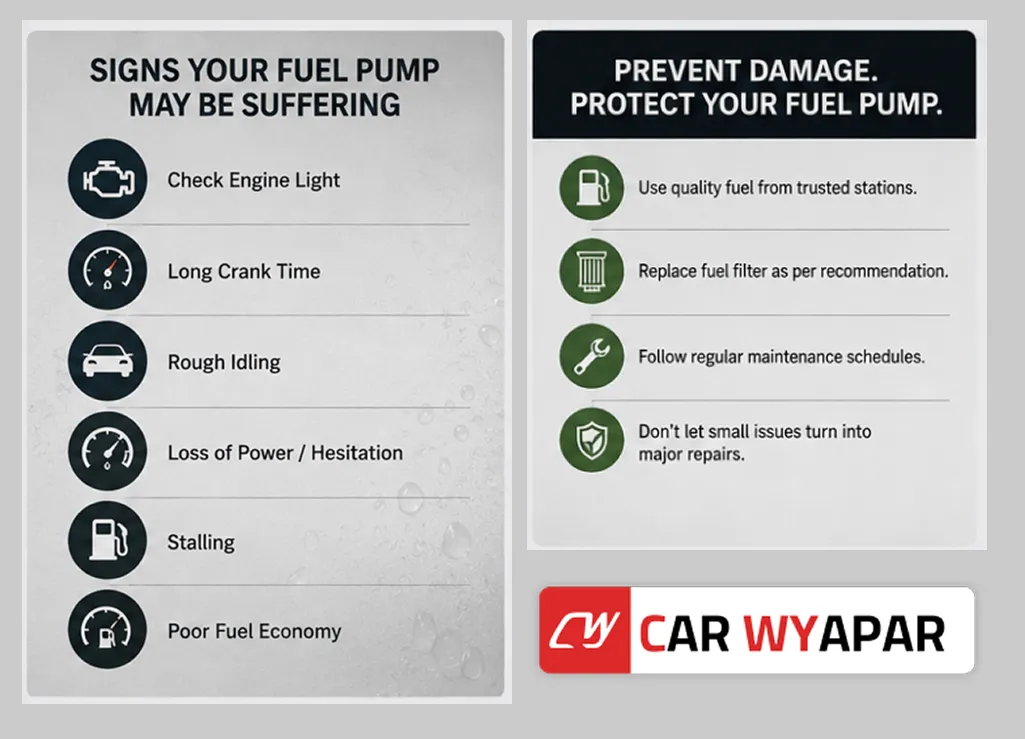
Hard starting
Hesitation
Rough idling
Engine stalling
Premature fuel pump failure
The Bigger Problem Is Not E20
The bigger concern is fuel quality.
If contaminated fuel reaches your vehicle,
E20 can actually make existing contamination more noticeable because its cleaning action moves deposits through the fuel system.
Think of ethanol as pressure washing an old pipe.
The dirt was already there.
Now it is travelling.
Unfortunately,
it often travels directly toward your fuel filter.
This Has Happened Before
This is not an entirely new concern.
Back in 2008, Hyundai recalled certain Elantra models because ethanol blend fuel contributed to film build up inside fuel pumps.
The higher electrical resistance prevented proper pump operation, causing poor fuel pressure, difficult starting and hesitation.
The lesson was simple.
Fuel pumps designed for ethanol perform well.
Fuel pumps that are poorly designed, poorly manufactured, or used with contaminated fuel can fail much sooner.
Why Comparing India With Brazil Makes Little Sense
Supporters of E20 often point toward Brazil.
The comparison sounds convincing until you actually compare them.
Brazil spent nearly fifty years building its ethanol ecosystem.
It has:
Dedicated ethanol infrastructure
Separate ethanol supply chains
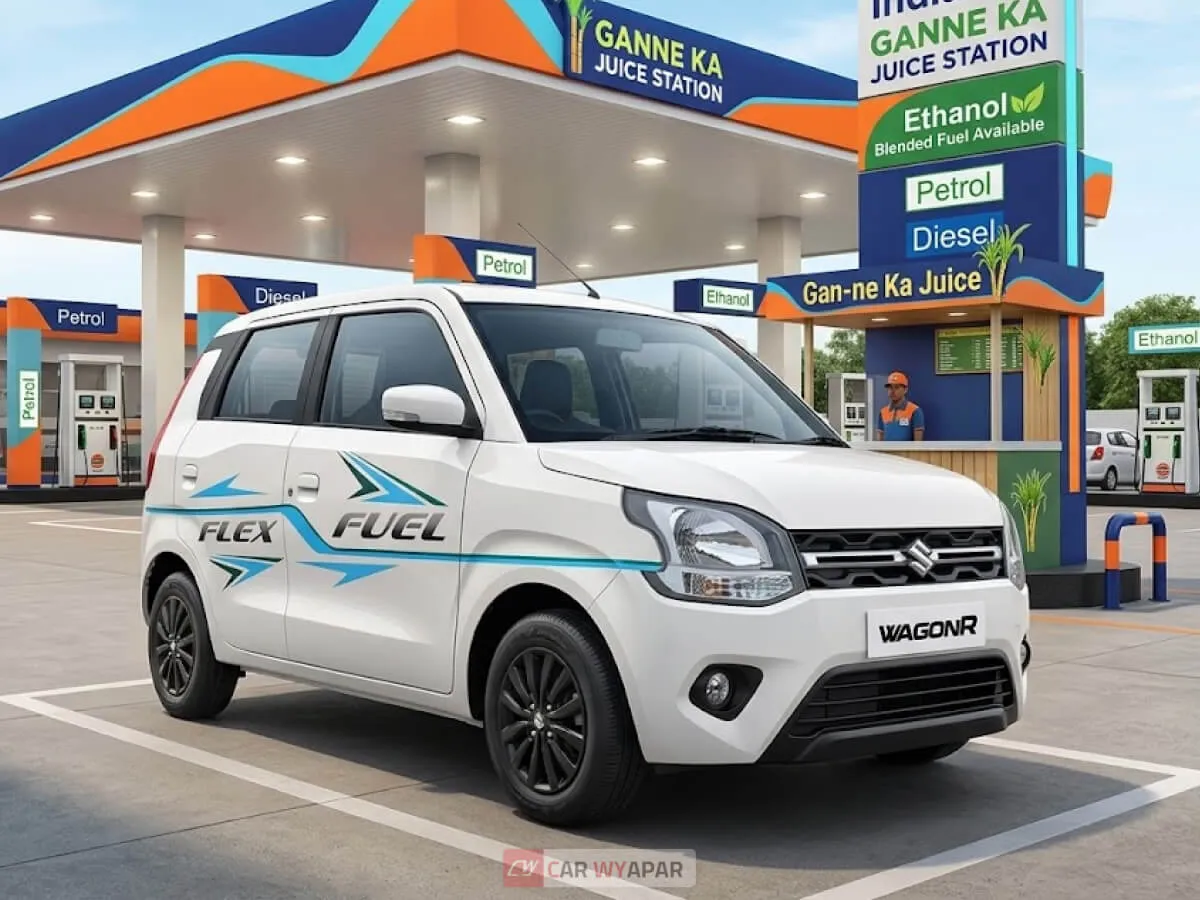
Flex fuel vehicles
Consumer choice between different fuels
Mature repair networks
Most importantly,
Brazilians choose.
India largely doesn't.
Our rollout has focused on making E20 widely available, while millions of older vehicles continue sharing roads with newer E20 compatible cars.
That is like introducing Olympic swimming rules while half the country is still learning to float.
Consumer Choice Matters
A healthy market gives consumers options.
Imagine fuel stations offering:
Pure petrol
E10
E20
Drivers could choose based on:
Vehicle age
Manufacturer recommendation
Climate
Usage
Budget
Instead,
millions of people simply fill whatever arrives at the nozzle.
Sometimes buying fuel in India feels less like shopping and more like opening a mystery box.
Does Ethanol Really Help Farmers?
The government argues ethanol creates additional income for farmers.
There is truth in that.
Sugarcane, maize and rice producers have benefited from increased ethanol demand.
However,
there is another side.
Large scale diversion of food crops has contributed to:
Maize shortages
Grain imports
Higher pressure on water resources
Water consumption is particularly worrying.
Approximate water required to produce one litre of ethanol:
|
Feedstock |
Water Required |
|---|---|
|
Sugarcane |
3,630 litres |
|
Maize |
4,670 litres |
|
Rice |
10,790 litres |
In a country where many districts already struggle for drinking water,
this deserves serious discussion.
Criticising Policy Does Not Make Someone Anti National
Healthy democracies improve because people ask difficult questions.
Questioning implementation is not the same as opposing national progress.
Many people supporting cleaner fuels are also asking for:
Better fuel quality
Stronger infrastructure
Consumer choice
Better warranties
Affordable repairs
Those are practical concerns.
Not political crimes.
Calling every critic anti national is a fantastic way to ensure nobody tells you the bridge is missing until the bus reaches the cliff.
The Real Problem Is Execution
The goal itself is understandable.
Reducing crude oil imports.
Lowering emissions.
Supporting renewable energy.
Few people oppose those objectives.
The concern lies in execution.
India still faces challenges in:
Fuel quality consistency
Ethanol logistics
Consumer awareness
Water sustainability
Affordable repair infrastructure
Warranty clarity
Support for older vehicles
These issues deserve as much attention as ethanol production targets.
CarWyapar Verdict: Is E20 Ethanol Blending Good or Bad?
The answer is neither black nor white. Ethanol blending has clear environmental and economic benefits, but India's supporting infrastructure is still catching up. The policy itself is not the biggest concern. The execution is.
|
Question |
CarWyapar Verdict |
|---|---|
|
Is E20 fuel safe for E20-compatible cars? |
Yes. Modern vehicles designed and certified for E20 can generally use it without issues when the fuel meets quality standards. |
|
Can ethanol damage a fuel pump? |
It can, under certain conditions. Ethanol absorbs moisture, loosens old deposits, and can accelerate wear in older or non-compatible fuel systems. Contaminated fuel increases the risk further. |
|
Was Manish Kashyap's Innova Hycross damaged because of E20? |
Toyota says no. According to the company, contaminated fuel containing impurities caused the problem, not E20 itself. |
|
Is fuel contamination a bigger concern than ethanol? |
Yes. Poor fuel quality, water contamination, rust, and dirt inside storage tanks remain some of the biggest threats to modern fuel systems in India. |
|
Should India continue ethanol blending? |
Yes, but gradually. Cleaner fuel is important, but infrastructure, fuel quality monitoring, and consumer protection must improve alongside the rollout. |
|
Should consumers have more fuel choices? |
Absolutely. Offering E10, E20, and pure petrol would allow owners of older and newer vehicles to choose what suits their vehicle best. |
|
Does ethanol blending benefit farmers? |
Partially. It creates additional demand for crops, but concerns remain regarding water consumption, food security, and dependence on sugarcane and maize. |
|
What is India's biggest challenge? |
Execution, not intention. Fuel quality control, repair infrastructure, warranty clarity, and public awareness still need significant improvement. |
Final Take
India's E20 ethanol blending policy is built on a sensible goal, reducing oil imports and lowering emissions. However, good intentions alone do not protect a fuel pump.
Before pushing higher ethanol blends like E25 or beyond, India must ensure:
Better fuel quality at every petrol pump.
Strict monitoring of fuel contamination.
Affordable repair support for consumers.
Clear manufacturer warranty policies.
Consumer choice between E10, E20, and pure petrol where practical.
Sustainable ethanol production without putting excessive pressure on food crops and water resources.
At CarWyapar, our verdict is simple: A cleaner future should not come at the cost of uncertain ownership. Build the ecosystem first, then increase the blend.

.webp)