


















Manish Kashyap's Toyota Innova Hycross Sparks Fresh Debate on Ethanol Blending.
By Nitesh Yadav • Published on 3 Jul 2026A car that promises smooth hybrid performance suddenly starts returning just 5 kmpl. That is enough to make any owner worried. This is exactly what h...
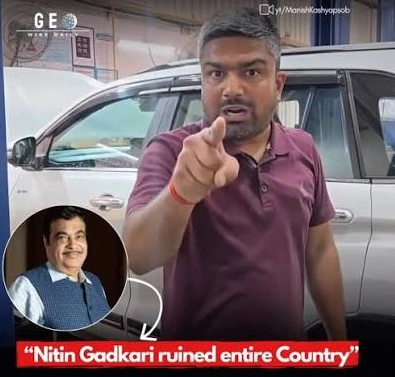
A car that promises smooth hybrid performance suddenly starts returning just 5 kmpl. That is enough to make any owner worried.
This is exactly what happened after YouTuber Manish Kashyap publicly raised concerns about his Toyota Innova Hycross Strong Hybrid. His video has quickly turned into a wider debate about ethanol blending in petrol, fuel quality, and whether India's move towards E20 fuel is ready for every situation.
While the exact cause of his vehicle's problem is still under investigation, the incident has once again brought the spotlight on ethanol blended petrol and its impact on modern engines.
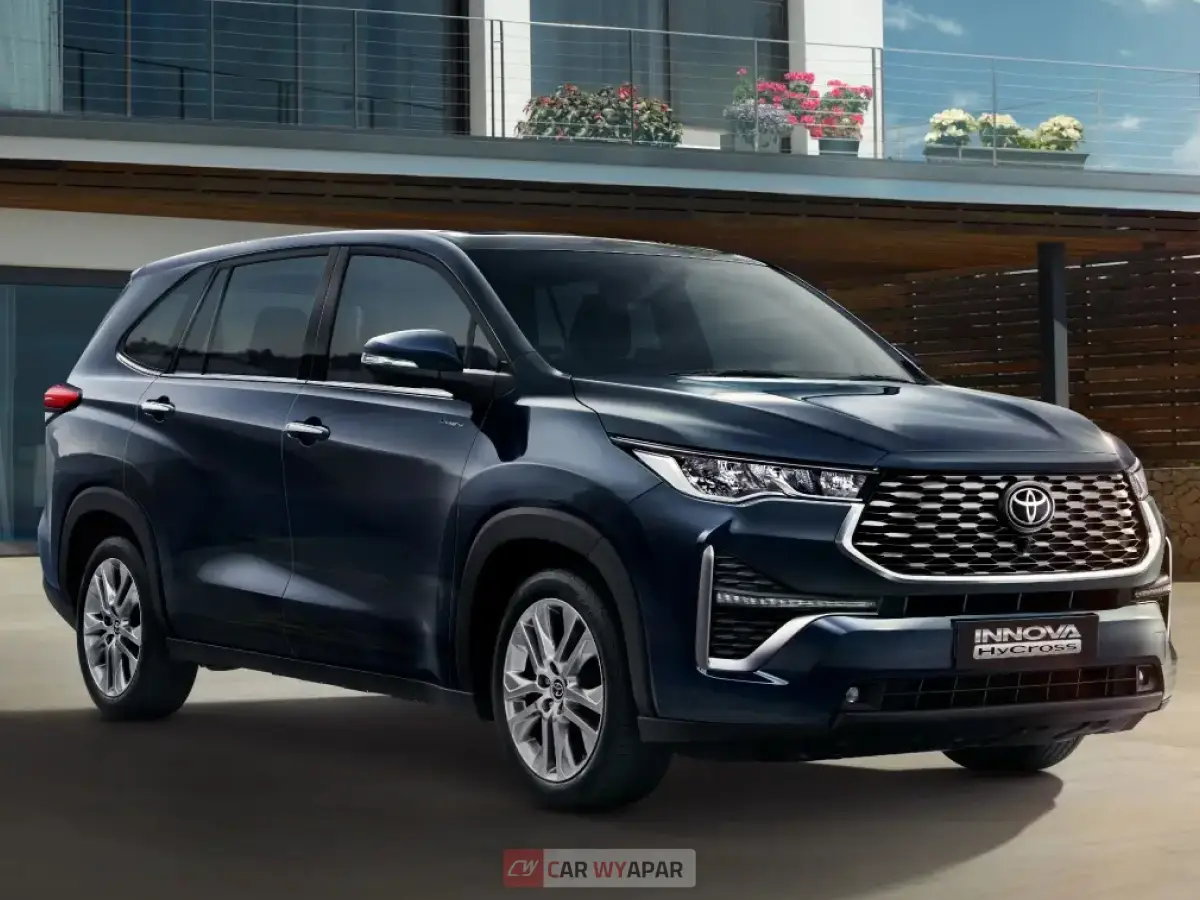
What Happened to Manish Kashyap's Toyota Innova Hycross?
According to Manish Kashyap, his Toyota Innova Hycross Strong Hybrid, worth around ₹40 lakh, started developing serious engine performance issues after running approximately 12,000 km.
The problems reportedly appeared shortly after the vehicle completed its scheduled 10,000 km service.
He claimed:
Engine performance dropped significantly.
Fuel efficiency reduced from around 17 to 20 kmpl to nearly 5 kmpl.
The vehicle became unpleasant to drive despite being relatively new.
His biggest concern was that such issues appeared in a premium vehicle with very low mileage.
Fuel Sample Raised More Questions
During his visit to a Toyota service centre, fuel was reportedly drained from the vehicle's fuel tank into a transparent bottle.
According to Manish Kashyap and the service centre staff shown in the video, the fuel appeared contaminated with visible dirt and debris. They also alleged that the ethanol content seemed to be higher than the government's prescribed E20 limit.
These observations have not been independently verified through laboratory testing. Therefore, they should be viewed as claims made during the inspection rather than confirmed findings.
Why Is Ethanol Blending Being Discussed?
India has been rapidly increasing ethanol blending in petrol to reduce crude oil imports, improve energy security, and support farmers through ethanol production.
The government's current target is E20 fuel, which means petrol can contain up to 20% ethanol.
The initiative has been strongly supported by Union Road Transport and Highways Minister Nitin Gadkari, who has repeatedly highlighted ethanol's environmental and economic benefits.
What Is E20 Fuel?
E20 fuel is petrol blended with up to 20% ethanol.
Ethanol is an alcohol-based renewable fuel produced mainly from sugarcane, maize, and agricultural products.
The benefits include:
Lower dependence on imported crude oil.
Reduced carbon emissions.
Better support for India's agricultural sector.
Cleaner combustion under suitable operating conditions.
However, fuel quality becomes extremely important when ethanol is involved.
Why Can Ethanol Petrol Become a Problem?
Ethanol itself is not the enemy.
The bigger concern is poor fuel quality and improper storage.
Here are the technical reasons experts often discuss.
1. Ethanol Absorbs Water
Ethanol is hygroscopic, meaning it naturally absorbs moisture from the atmosphere.
If fuel storage tanks at petrol pumps are not maintained properly, excess water can mix with the fuel.
This may lead to:
Rough engine operation
Hard starting
Corrosion inside the fuel system
2. Dirt and Contamination
Any dirt inside storage tanks or fuel transport systems can travel through the fuel lines.
Modern hybrid engines use extremely precise fuel injectors that are highly sensitive to contamination.
Even tiny particles can affect fuel spray patterns and engine efficiency.
3. Fuel Injector Deposits
Contaminated fuel may contribute to clogged injectors over time.
This can result in:
Reduced mileage
Loss of power
Increased engine vibration
Poor throttle response
4. Fuel Beyond Approved Ethanol Limits
Vehicles certified for E20 fuel are designed to operate safely with ethanol content up to that limit.
If the ethanol percentage exceeds approved levels, fuel characteristics change and engine calibration may no longer perform optimally.
Whether this happened in Manish Kashyap's case remains unconfirmed.
Is Toyota Innova Hycross Compatible with E20 Petrol?
Yes.
Toyota has designed the newer Innova Hycross to be compatible with E20 fuel as per current government norms.
Under normal conditions, E20 fuel alone should not damage an E20-compatible vehicle.
If problems occur, they are more likely to involve factors such as:
Fuel contamination
Water ingress
Poor storage conditions
Mechanical failure
Sensor or injector issues
The final cause can only be confirmed after detailed diagnosis.
Why Did the Mileage Drop to 5 kmpl?
A hybrid vehicle returning just 5 kmpl is highly unusual.
Possible reasons include:
Faulty fuel injectors
Incorrect air-fuel mixture
Engine management issues
Contaminated fuel
Hybrid system operating abnormally
Mechanical engine damage
Without an official technical report, it is impossible to conclude the exact reason.
Manish Kashyap's Demand to the Government
The YouTuber urged the government to offer consumers a choice.
His suggestion was simple.
Even if buyers have to pay ₹20 extra per litre, they should be allowed to purchase pure petrol without ethanol blending.
According to him, owners of premium vehicles should have the freedom to choose fuel that gives them greater confidence, especially when maintaining expensive hybrid engines.
Is Ethanol Blended Petrol Safe?
Yes, when it meets prescribed quality standards and is used in vehicles designed for E20 fuel.
Problems usually arise when fuel quality is compromised due to contamination, excess moisture, or poor storage practices rather than ethanol itself.
Millions of vehicles across India continue to use ethanol blended petrol without major issues.
At the same time, maintaining strict quality control across the fuel supply chain remains essential.
What Car Owners Can Do
If you own an E20-compatible vehicle:
Refuel from trusted petrol stations.
Avoid filling fuel from outlets with poor maintenance.
Follow scheduled servicing.
Report sudden mileage drops immediately.
Ask the service centre to inspect fuel quality if contamination is suspected.
Final Thoughts
The controversy surrounding Manish Kashyap's Toyota Innova Hycross has once again highlighted an important discussion about ethanol blending in India.
At present, there is no evidence that E20 fuel itself caused the reported problem. However, the incident raises valid questions about fuel quality, storage standards, and supply chain management.
As India continues expanding ethanol blending, ensuring that fuel reaching customers consistently meets specifications will be just as important as promoting cleaner fuels.
For vehicle owners, confidence comes not only from government policy but also from reliable fuel quality every time they visit a petrol pump.
 (1).webp)


