













Toyota Clarifies Viral Innova Hycross Breakdown: Contaminated Fuel, Not E20 Petrol, To Blame
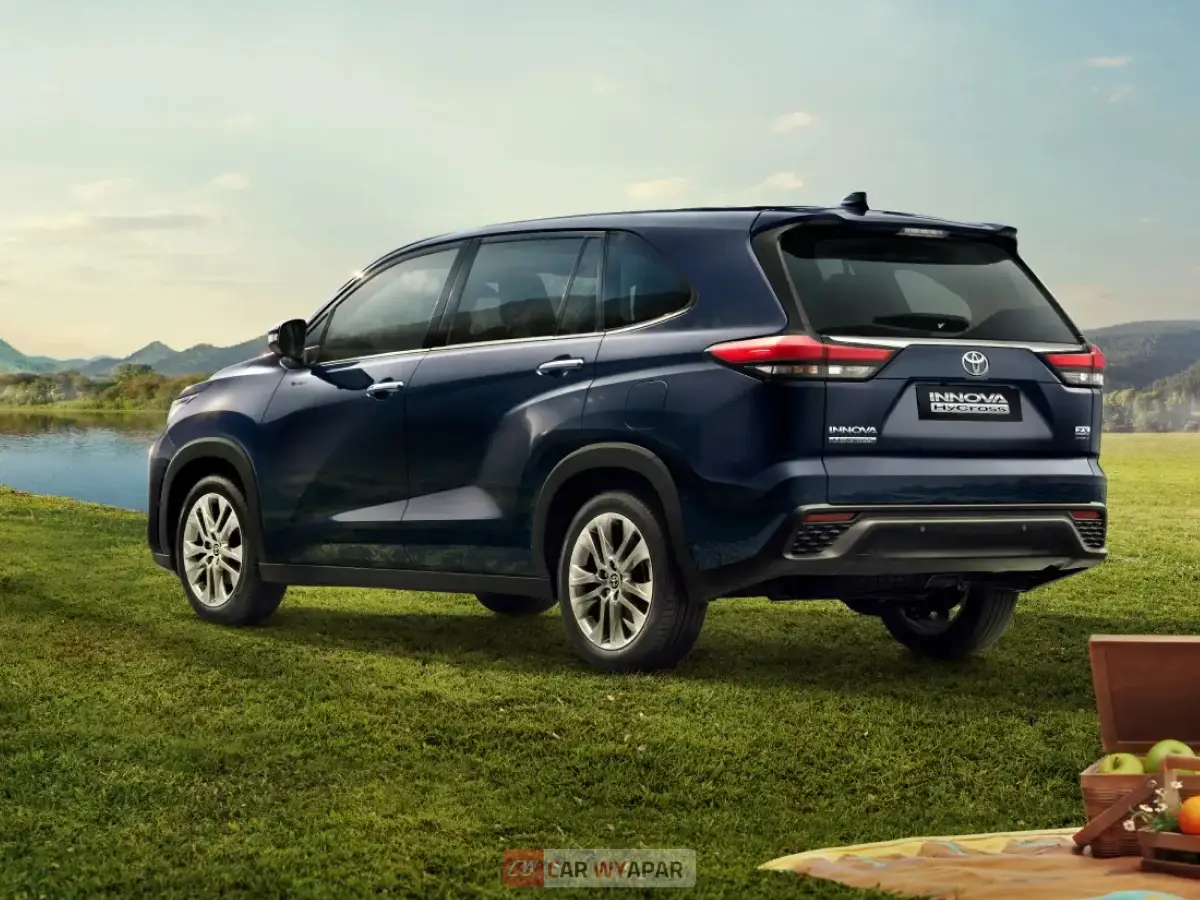
By Gaurav Cyril • Published on 5 Jul 2026Toyota's Official Statement on the Innova Hycross Issue Toyota stated that its technical team carried out a detailed inspection of the vehicle after ...
Toyota's Official Statement on the Innova Hycross Issue
Toyota stated that its technical team carried out a detailed inspection of the vehicle after it was brought to an authorized service centre.
According to the company:
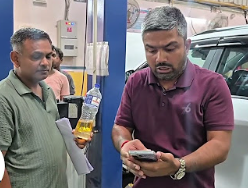
Toyota further confirmed that no permanent damage was found in the engine or fuel system. Technicians drained the contaminated fuel, cleaned the fuel tank and fuel lines, refilled the vehicle with standard E20 petrol, and verified that the vehicle returned to normal operating condition.
Toyota's Findings at a Glance
|
Category |
Toyota's Official Finding |
|---|---|
|
Cause of issue |
Fuel contamination |
|
Was E20 responsible? |
No |
|
Vehicle compatibility |
Fully compatible with E20 petrol |
|
Engine damage |
No permanent damage found |
|
Repair performed |
Fuel tank drained, fuel lines cleaned, fresh E20 petrol added |
|
Vehicle status |
Operating normally after service |
What Triggered the E20 Fuel Controversy?
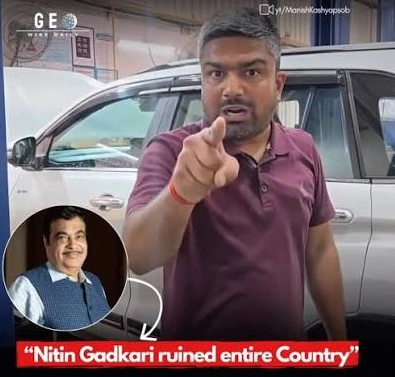
The controversy began after Manish Kashyap uploaded videos showing his Toyota Innova Hycross Strong Hybrid experiencing:
|
Reported Symptoms |
Details |
|
Heavy engine vibrations |
Engine shaking under normal driving |
|
Engine knocking |
Noticeable knocking sounds |
|
Sudden mileage drop |
Around 18 kmpl reduced to nearly 5 kmpl |
|
Vehicle usage |
Approximately 12,000 km driven |
|
Fuel sample |
Dirt and debris reportedly visible inside the collected fuel |
The videos quickly gained millions of views, with many viewers concluding that E20 petrol was damaging modern engines. This also led to wider discussions about India's ethanol blending programme and its effect on hybrid vehicles.
Fuel Contamination vs E20 Petrol, Understanding the Difference
The case highlights an important distinction that is often overlooked.
E20 Petrol
E20 petrol contains up to 20 percent ethanol blended with petrol. Vehicles manufactured to E20 standards use upgraded materials in fuel lines, seals, injectors, pumps, and engine calibration to safely handle the higher ethanol content.
Fuel Contamination
Fuel contamination is an entirely different problem. It refers to petrol being mixed with unwanted substances such as dirt, rust particles, water, or other contaminants before it reaches the vehicle.
These contaminants can interfere with fuel delivery, combustion, and engine performance regardless of whether the fuel is E10, E20, or regular petrol.
E20 Petrol vs Contaminated Fuel
|
Parameter |
E20 Petrol |
Contaminated Fuel |
|
Government approved |
Yes |
No |
|
Vehicle certified |
Yes, for compatible vehicles |
Not applicable |
|
Causes engine knocking |
No, under normal conditions |
Yes |
|
Can reduce fuel efficiency |
No significant impact in certified vehicles |
Yes |
|
May clog fuel injectors |
No |
Yes |
|
Requires vehicle repair |
No |
Often yes |
Can Contaminated Petrol Damage an Engine?
Yes.
Modern petrol and hybrid engines use extremely precise fuel injectors operating under high pressure. Even tiny particles or water contamination can lead to poor combustion and noticeable performance issues.
Possible effects include:
|
Contaminant |
Possible Effect |
|
Dirt or debris |
Injector blockage and rough engine operation |
|
Water |
Misfiring, poor combustion, corrosion |
|
Rust particles |
Fuel pump and injector wear |
|
Sediment |
Reduced fuel pressure and engine hesitation |
Ethanol itself is hygroscopic, meaning it naturally absorbs moisture. If fuel is stored in poorly maintained underground tanks, excess moisture can mix with the fuel and increase the chances of contamination. However, this is a storage and fuel quality issue, not a flaw in E20 fuel itself.
Is the Toyota Innova Hycross E20 Compatible?
Yes.
Toyota has confirmed that the Innova Hycross sold in India is fully designed, tested, and certified for E20 petrol. Like many modern vehicles launched after April 2023, it meets the latest fuel compatibility standards introduced in India.
This means owners can use E20 petrol without concern, provided the fuel is sourced from a reliable petrol station.
What Should Hybrid Car Owners Learn From This Incident?
The incident highlights the importance of fuel quality rather than fuel composition.
Best Practices
|
Recommendation |
Why it Matters |
|
Refuel at reputed fuel stations |
Better storage and quality control |
|
Prefer high-volume petrol pumps |
Lower chance of old or contaminated fuel |
|
Watch for sudden mileage drops |
Early sign of possible fuel issues |
|
Don't ignore engine knocking |
Prevents further complications |
|
Request fuel testing during diagnosis |
Helps identify contamination quickly |
|
Keep service records |
Useful for warranty and insurance claims |
Final Verdict
Toyota's official investigation concludes that Manish Kashyap's Innova Hycross did not suffer because of E20 petrol. Instead, contaminated fuel was identified as the root cause, and the vehicle returned to normal after the contaminated fuel was removed and replaced.
The incident does, however, raise an important concern about fuel quality control and storage practices at fuel stations. As India expands ethanol blending, ensuring clean and uncontaminated fuel at the pump becomes just as important as building vehicles that are compatible with E20.
For consumers, the takeaway is straightforward. E20-compatible vehicles are engineered to use E20 petrol safely. The bigger risk comes from poor fuel quality, contaminated storage tanks, and improper handling of fuel before it reaches your vehicle.
.webp)