








The Major Flaw Of India's Cheapest 7-Seater Is Finally Fixed
By Nitesh Yadav • Published on 28 Sept 2026The Renault Triber is India’s affordable 7-seater MPV, and its biggest weakness has always been the old 1.0-litre naturally aspirated petrol engine co...
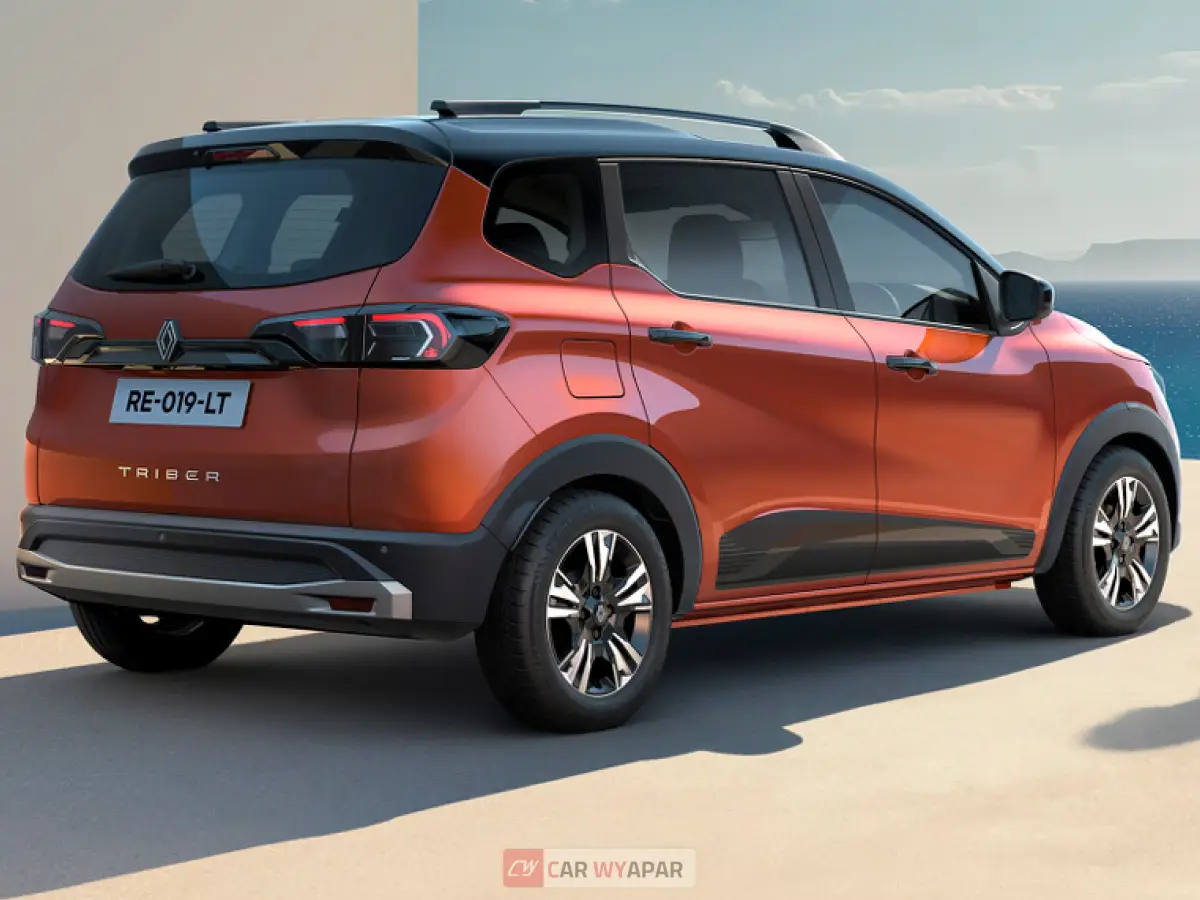
The Renault Triber is India’s affordable 7-seater MPV, and its biggest weakness has always been the old 1.0-litre naturally aspirated petrol engine could feel underpowered with all seven seats occupied. Renault has now addressed that problem with a 1.0-litre turbo-petrol engine, raising power from 72 PS to 100 PS and torque from 96 Nm to 180 Nm. That means the new Triber gets 28 PS more power and 84 Nm more torque, a major upgrade for a car designed to carry seven people and their luggage.
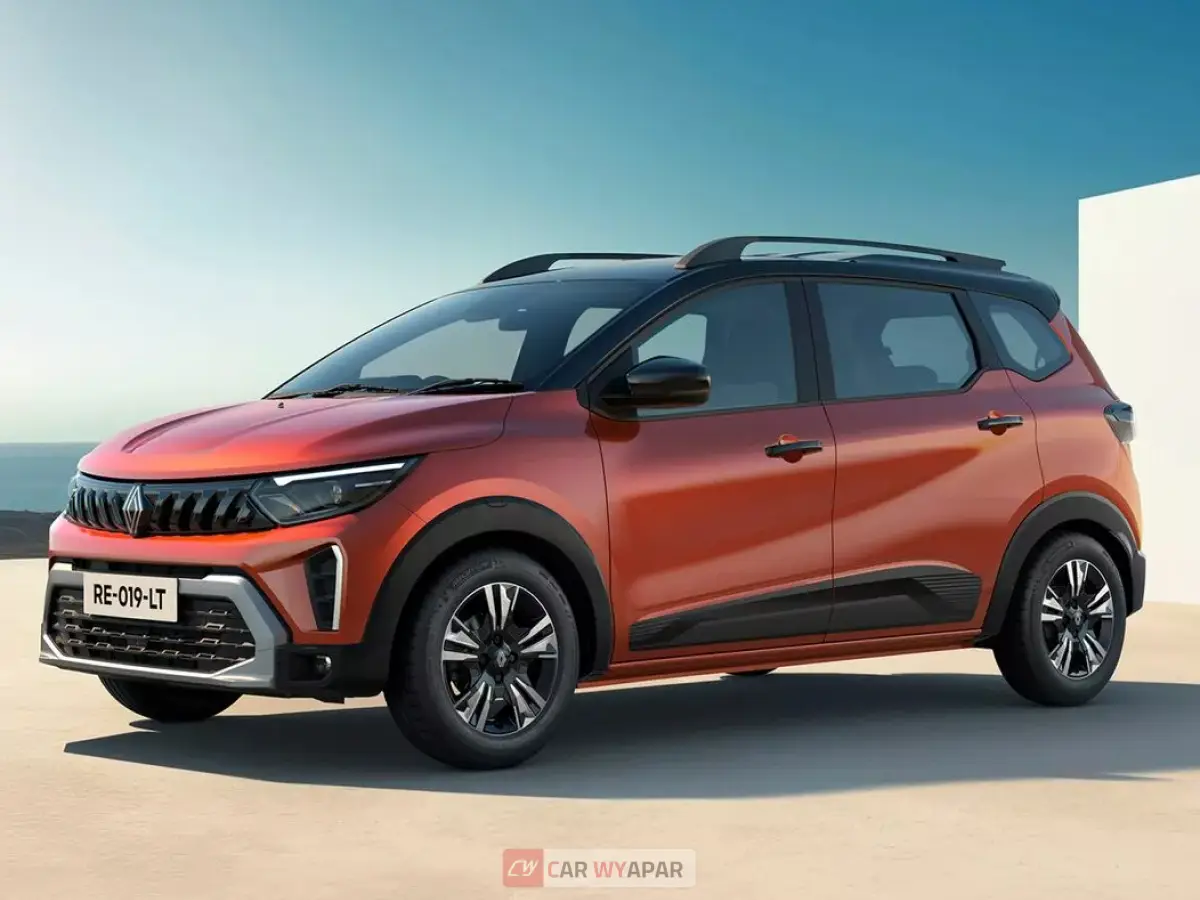
Renault Triber Turbo: 99 bhp, 180 Nm and Finally Enough Power for 7 People?
The Triber has always been a clever car.
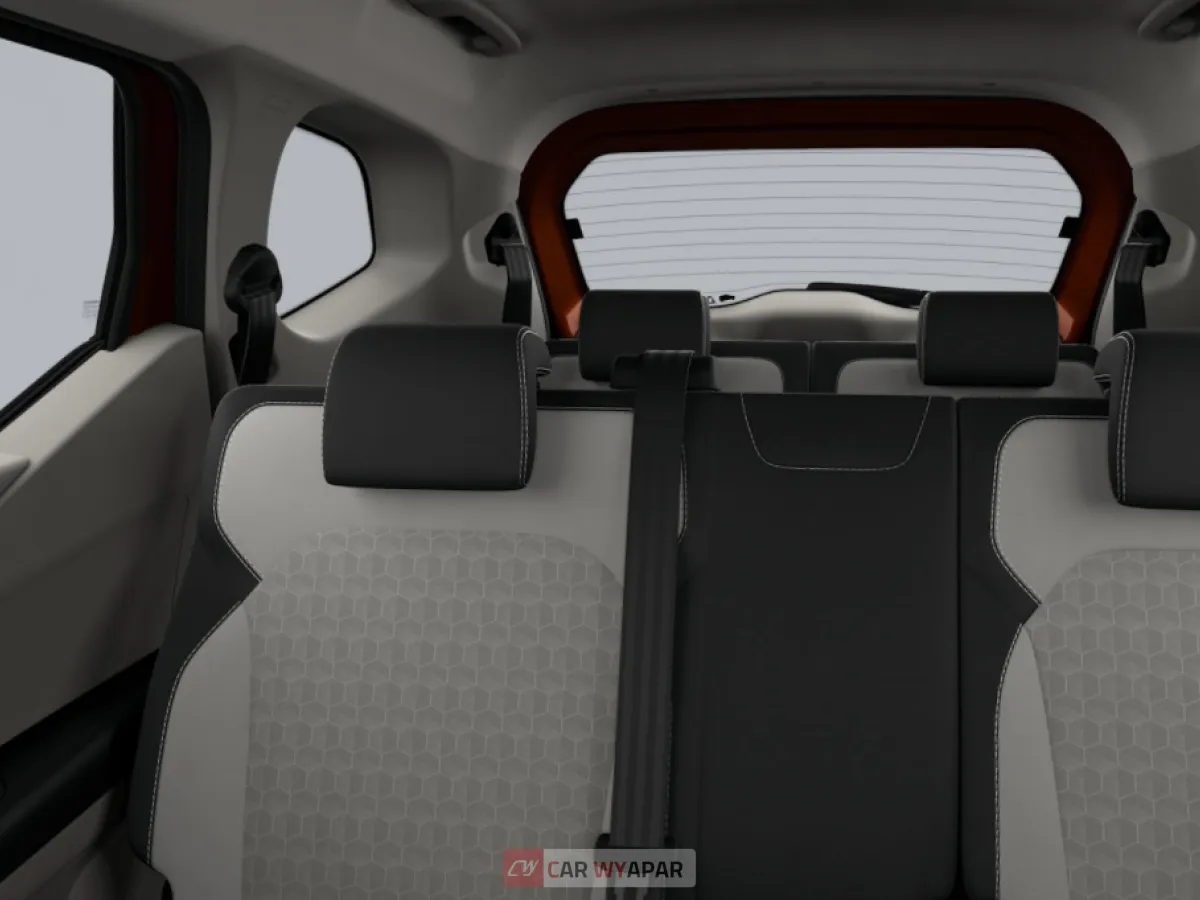
It takes a relatively compact footprint and somehow creates space for seven people, a flexible third row, and a large boot when the rear seats are folded. That packaging made the Renault Triber one of the most interesting affordable 7-seater cars in India.
But there was one problem that kept coming back whenever the Triber was fully loaded.
The engine.
The previous 1.0-litre naturally aspirated three-cylinder petrol engine made 72 PS and 96 Nm. That was manageable for city driving with two or three people. Add seven passengers, luggage, air conditioning and an uphill road, however, and the little engine had to work very hard.
Renault's answer is the new 1.0-litre turbo-petrol engine.
And the numbers look significantly better.
Renault Triber Turbo vs Old Triber Engine
|
Specification |
Old Triber 1.0 NA |
New Triber 1.0 Turbo |
|---|---|---|
|
Engine |
1.0L 3-cylinder NA petrol |
1.0L 3-cylinder turbo-petrol |
|
Power |
71 bhp |
99 PS |
|
Torque |
96 Nm |
180 Nm |
|
Power increase |
+28 bhp | |
|
Torque increase |
+84 Nm | |
|
0-100 km/h |
~16-17 seconds |
10.8 seconds |
|
Transmission |
5-speed MT / AMT |
5-speed MT |
|
Future transmission |
AMT |
CVT planned |
The biggest change is not actually the 28 bhp increase.
It is the 84 Nm increase in torque.
Why 180 Nm Matters More Than 99 bhp
A 7-seater needs torque.
When the Triber carries seven adults, the engine has to move a much heavier vehicle than it does with two occupants. Add luggage, an air conditioner, gradients and stop-go traffic, and the difference between 96 Nm and 180 Nm becomes very important.
The turbo engine produces almost 88% more torque than the old engine.
That should make the Triber feel much less strained during:
Highway overtaking
Uphill driving
Flyovers
Full-load acceleration
Highway merging
Driving with the air conditioner running
Carrying seven passengers and luggage
The old engine could do these jobs, but the driver often had to work harder with the gearbox and revs.
The turbo engine gives the driver a much larger torque reserve.
Renault Triber Turbo Acceleration: 0-100 km/h in 10.8 Seconds
The performance difference is substantial on paper.
The old Triber took roughly 16 to 17 seconds to reach 100 km/h, depending on conditions and testing methodology.
The turbo version is claimed to complete the same sprint in 10.8 seconds.
That is roughly six seconds quicker.
Six seconds may not sound important while sitting in a specification sheet. On a highway, it can feel like a different car.
The turbo Triber should be able to merge into faster traffic and build speed with considerably less effort.
Of course, 0-100 km/h figures should not be treated as a measure of overtaking safety by themselves. Gear ratios, vehicle load, road conditions and the driver's judgement still matter.
The Biggest Improvement Could Come With Seven Passengers
This is where the turbo engine makes the most sense.
The Triber's basic idea is to carry seven people without moving into a much larger MPV. Therefore, its engine needs to deal with a wide range of loads.
With two people inside, the old 1.0 NA engine was easier to live with.
With seven people, the situation changed.
A fully loaded Triber could require frequent downshifts during highway overtaking. Steep inclines could also force the driver to stay in lower gears and keep the engine at higher revs.
The new turbo engine's 180 Nm of torque gives Renault much more room to deal with these situations.
That is exactly what a 7-seater needs.
What About Mountain Roads and Flyovers?
This is another area where the turbo engine should make a clear difference.
Imagine seven adults, luggage and the AC running while climbing a steep road.
The old engine's 96 Nm torque meant the driver had to rely heavily on lower gears and engine revs.
The turbo engine's 180 Nm does not magically make the Triber a large SUV, but it gives the powertrain considerably more muscle.
The driver should need fewer desperate downshifts and less clutch work in demanding situations.
That could make the car less tiring to drive when fully loaded.
Renault Has Also Worked on the Chassis
Adding more power to a small MPV creates another question.
Can the chassis handle it?
Renault has reportedly made chassis changes for the turbo version, including front and rear anti-roll bars, stiffer offset springs and revised dampers.
These changes are important because the Triber is a tall, practical family car.
More power can expose weaknesses in body control, particularly when the car is carrying several passengers.
The revised suspension setup should help control body movement when cornering and when the vehicle is heavily loaded.
Is the Triber Turbo Finally the Engine It Should Have Had?
That depends on what you expect from the car.
The old Triber's 1.0-litre NA engine made sense from a cost and efficiency perspective, but it was also the part of the package most likely to frustrate buyers who regularly used all seven seats.
The turbo engine changes that equation.
72 PS and 96 Nm → 100 PS and 180 Nm
That is not a small engine update.
It is a major improvement in the two numbers that matter when a small vehicle is carrying a lot of weight.
The new Triber also gets a claimed 10.8-second 0-100 km/h time, while Renault has made suspension and chassis changes to match the additional performance.
For buyers who mostly use the Triber as a five-seater city car, the old engine's limitations may have been easier to accept.
For families that actually use all seven seats, the turbo version addresses the Triber's most obvious performance weakness.
And that raises the bigger question for Renault:
If the Triber can now carry seven people with 180 Nm of torque, can it finally feel like a proper 7-seater instead of a very clever small car doing a very difficult job?
/Alto VXI Plus 6.webp)