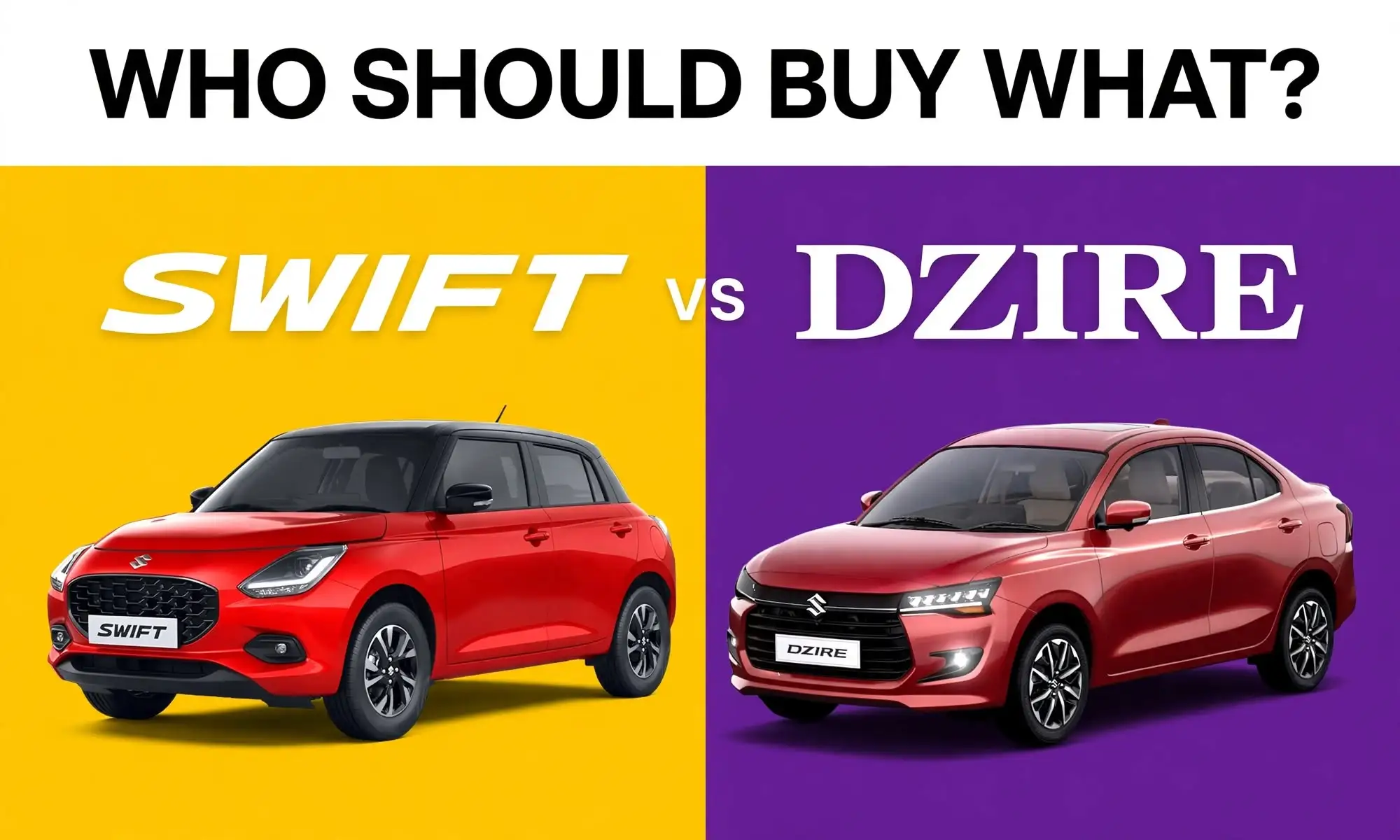











Slavia 2026 vs Verna: Who Should Buy What?
By Nitesh Yadav • Published on 8 Oct 2026Buy the new 2026 Skoda Slavia if you want German-style driving character, strong high-speed manners, solid safety and the kind of steering feel that m...
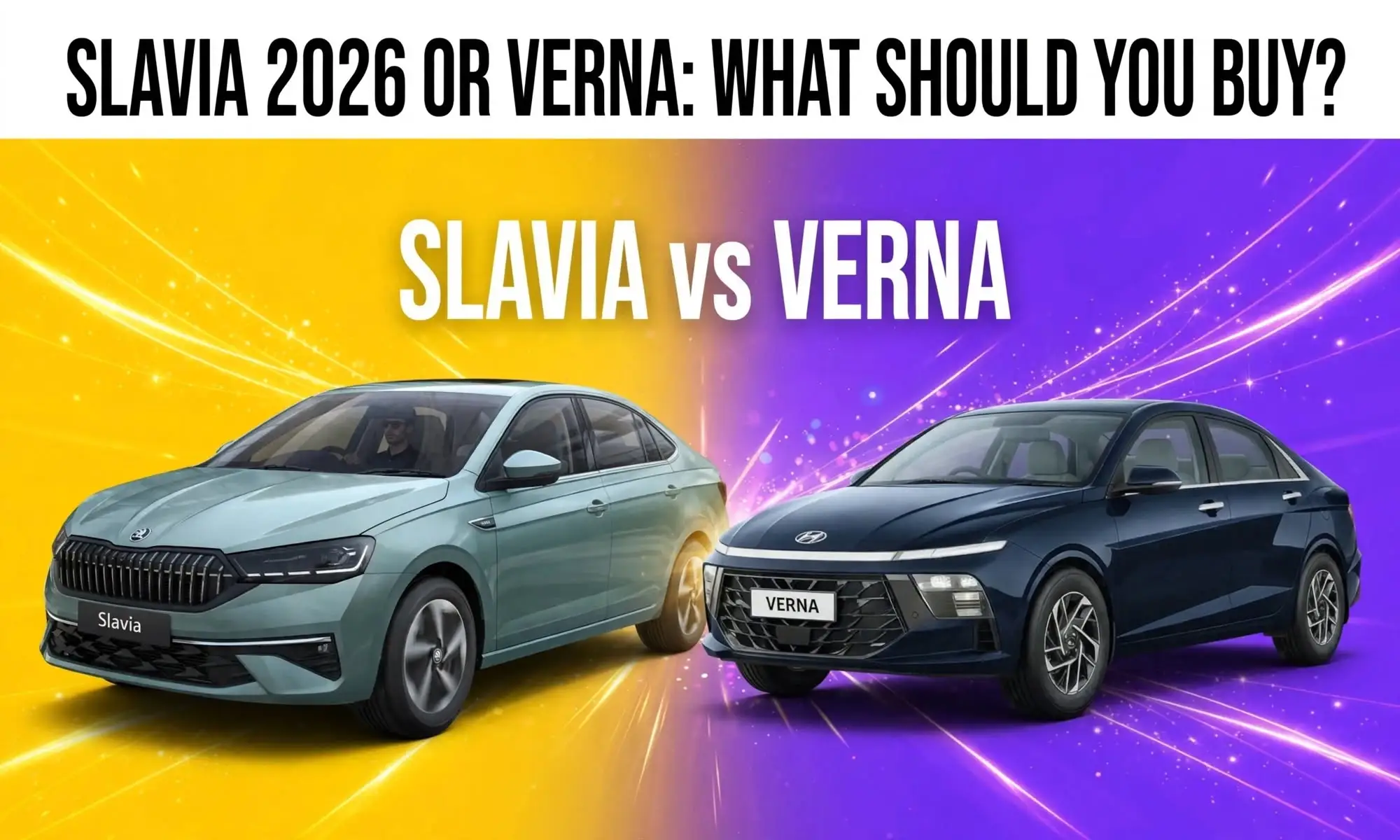
Buy the new 2026 Skoda Slavia if you want German-style driving character, strong high-speed manners, solid safety and the kind of steering feel that makes a daily commute feel less like a commute. In simple words, you want Fahrvergnügen, the German idea of enjoying the act of driving. Buy the Hyundai Verna if you want a feature-rich, comfortable sedan with a more relaxed ownership experience, strong cabin technology and a quicker, more convenience-focused approach. Think Ppalli-ppalli, the Korean idea of getting things done quickly and efficiently.
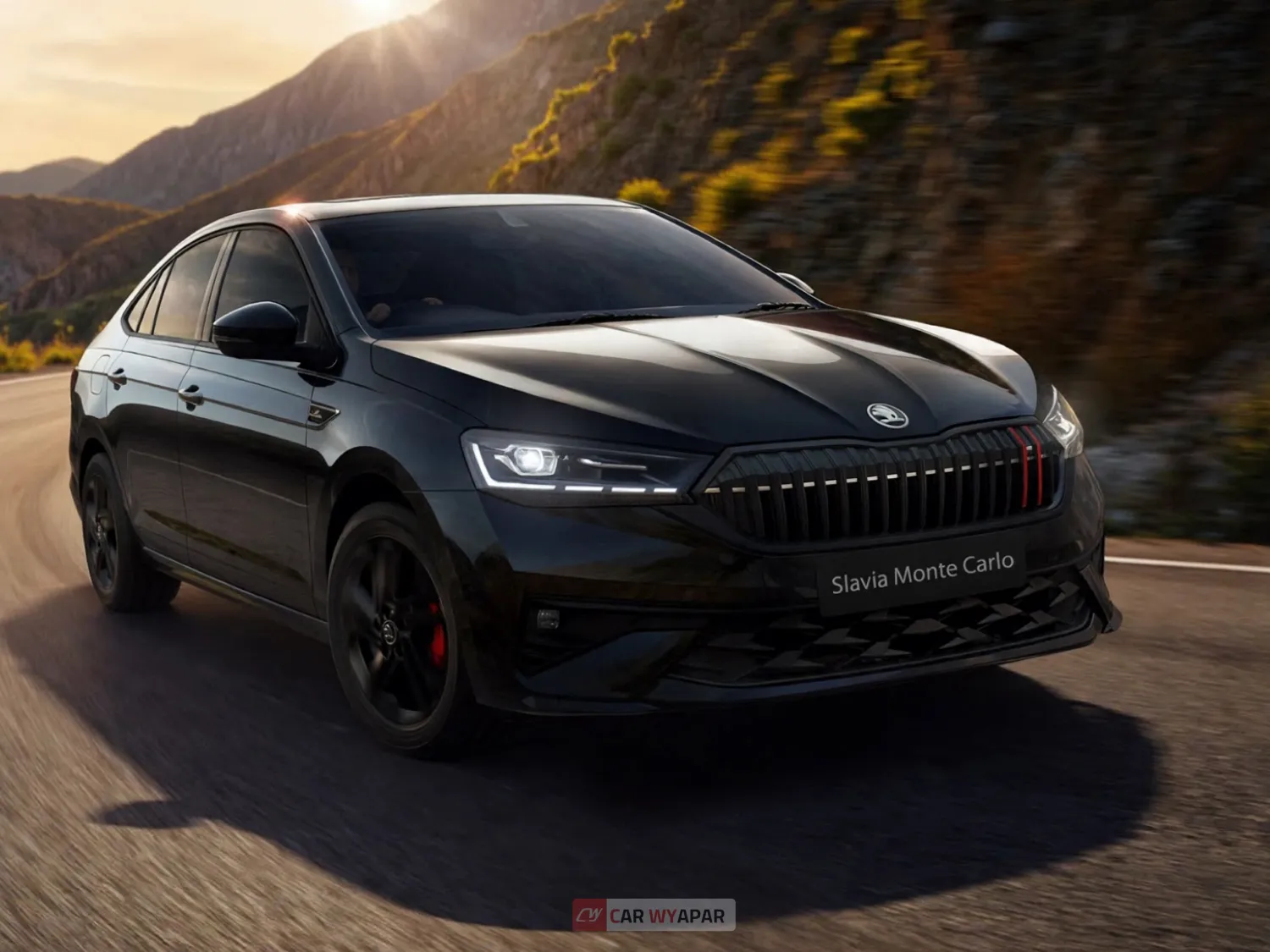
The 2026 Slavia has now received a major update, with new LED lighting, refreshed interiors, a 360-degree camera, rear seat massage, a new infotainment system with Google's AI Assistant and, most importantly, a new 8-speed torque converter automatic with the 1.0 TSI. Prices start at ₹9.99 lakh ex-showroom.
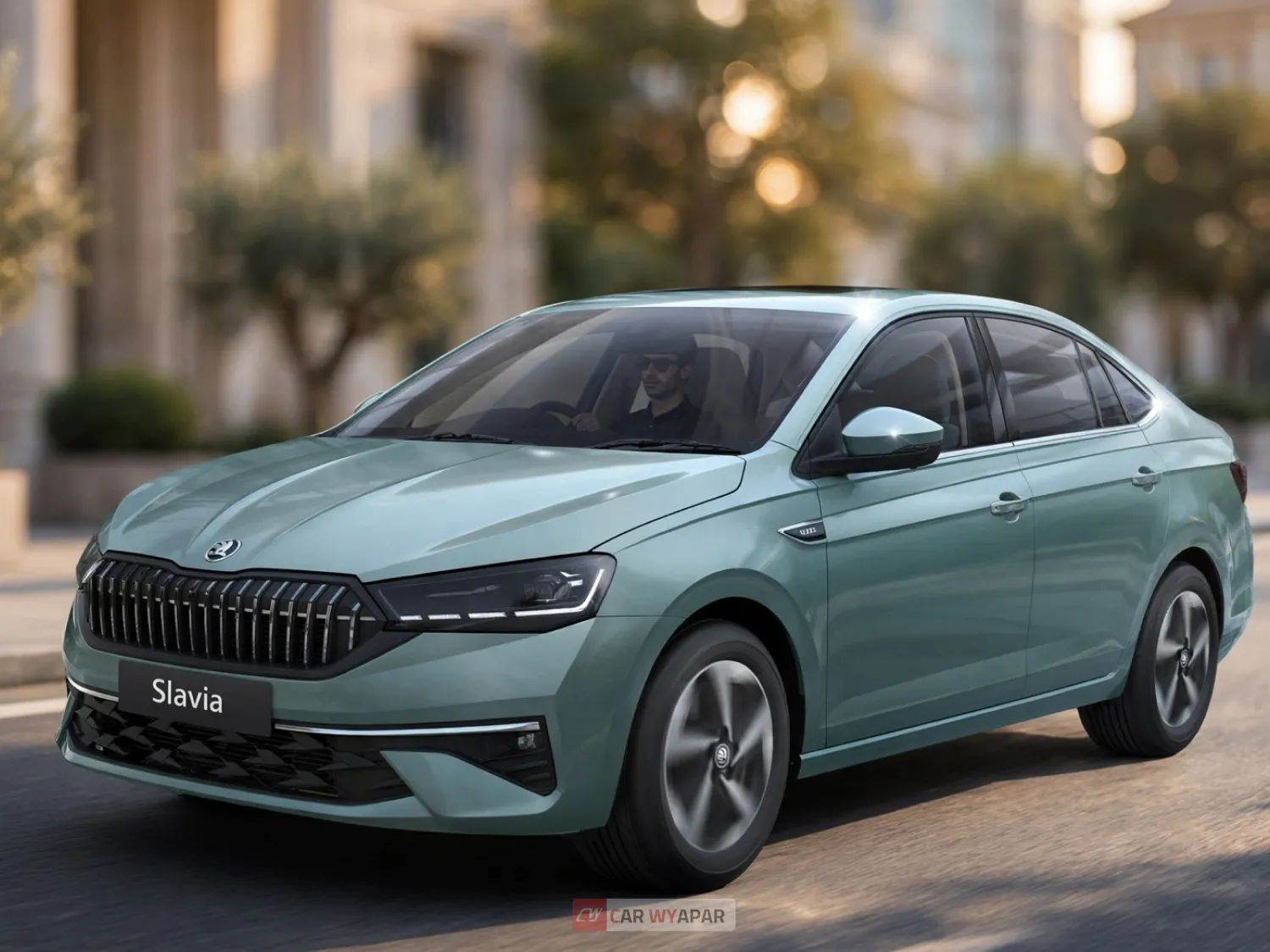
The Verna, meanwhile, continues to play the Korean formula well: lots of features, a spacious cabin, comfortable seats and strong performance from its turbo-petrol version. So, which one fits your personality better?
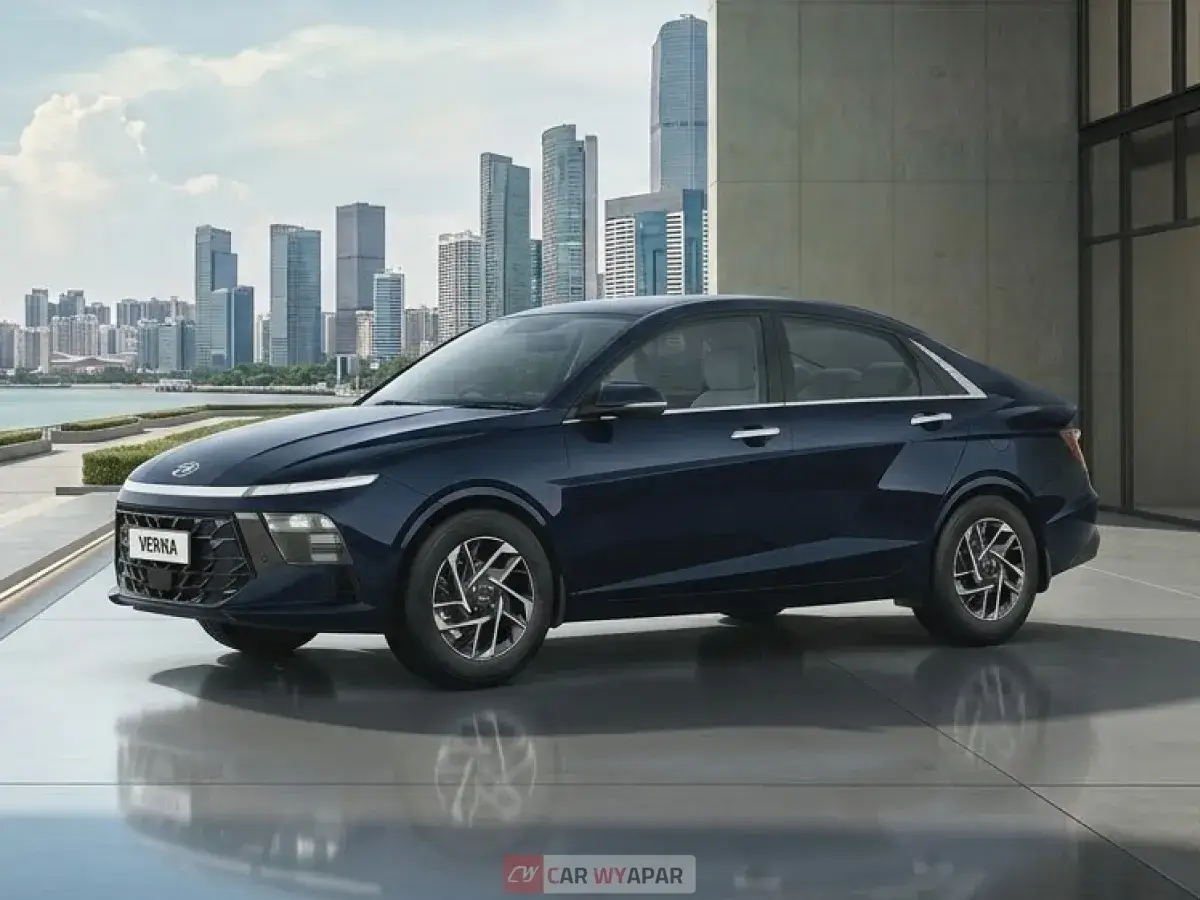
The Verna used to be the sedan everyone talked about
For years, the Hyundai Verna was one of the strongest names in India's midsize sedan market. It regularly fought the Honda City for the top position and became the choice for buyers who wanted a sedan that mixed comfort, features and performance.
But the sedan market has changed.
The Verna is no longer the volume leader in its segment. In FY2026, Hyundai sold 9,925 Vernas, while Volkswagen sold 22,959 Virtuses and Skoda sold 14,382 Slavias.
The latest monthly numbers make the shift even clearer.
|
Sedan |
August 2026 sales |
|---|---|
|
Volkswagen Virtus |
1,301 |
|
Skoda Slavia |
897 |
|
Hyundai Verna |
529 |
Interestingly, the Virtus is the Slavia's Volkswagen sibling, and it currently sells more than both the Slavia and Verna. The two cars share the same basic MQB-A0-IN platform and much of their engineering DNA, although their design, tuning and positioning differ.
So the 2026 Slavia arrives at an interesting time. It has to fight not only the Verna and Honda City, but also its own sibling, the Virtus.
Slavia 2026 vs Verna: The human factor
Specifications can tell you which car has more features.
They cannot tell you which car you will enjoy owning for five years.
That depends on the kind of person sitting behind the steering wheel.
1. You enjoy driving
|
Human trait |
Who should buy? |
|---|---|
|
You enjoy corners, steering feel and highway driving |
Slavia |
|
You want a car that feels planted at high speeds |
Slavia |
|
You care about driving feedback |
Slavia |
|
You see driving as part of the ownership experience |
Slavia |
|
You simply want to reach your destination comfortably |
Verna |
The Slavia makes more sense for the buyer who actually notices how a car drives.
Its 1.0 TSI and 1.5 TSI engines give it a strong performance character, while the chassis remains one of the main reasons to choose the car.
The 2026 update makes the Slavia even more interesting because the 1.0 TSI now gets an 8-speed torque converter automatic, while the 1.5 TSI continues with the 7-speed DSG.
If you are the person who says, "Bhai, car chalane mein maza aana chahiye," the Slavia is speaking your language.
Winner: Slavia
2. You want maximum features
|
Human trait |
Who should buy? |
|---|---|
|
You love gadgets |
Verna |
|
You want a feature-heavy cabin |
Verna |
|
You enjoy showing friends new features |
Verna |
|
You want technology to be visible |
Verna |
|
You prefer a cleaner, more European cabin |
Slavia |
Hyundai has traditionally understood the Indian buyer's love for features extremely well.
The Verna offers the kind of equipment that makes the brochure look like someone was trying to win a feature-count competition.
The updated Slavia has narrowed that gap considerably. It now gets a 360-degree camera, Park Pilot, a new-generation infotainment system and an AI Assistant powered by Google Cloud. It also gets a segment-first rear seat massage function.
But the Verna still makes more sense for the buyer who wants the maximum technology experience.
Winner: Verna
3. You are a highway person
|
Human trait |
Who should buy? |
|---|---|
|
You frequently drive on highways |
Slavia |
|
You drive long distances |
Slavia |
|
You enjoy overtaking |
Slavia |
|
You want relaxed highway stability |
Slavia |
|
Your driving is mostly inside the city |
Verna |
This is where the Slavia's character becomes important.
The car has been developed around the MQB-A0-IN platform, which was engineered specifically for Indian conditions. Skoda also says the Slavia has sold nearly 80,000 units in India since launch.
The Slavia feels more natural when you start covering kilometres rather than simply moving between traffic lights.
If your weekend involves Patna to Ranchi, Delhi to Jaipur or Bengaluru to Mysuru rather than home to office and office to home, the Slavia deserves serious attention.
Winner: Slavia
4. You want comfort more than involvement
|
Human trait |
Who should buy? |
|---|---|
|
You prefer a relaxed driving experience |
Verna |
|
You spend a lot of time in traffic |
Verna |
|
You want an easy-going family sedan |
Verna |
|
You care more about comfort than steering feel |
Verna |
|
You enjoy driving yourself |
Slavia |
The Verna understands that most people do not wake up thinking about suspension geometry.
They want to sit inside, switch on the AC, connect their phone and reach home without drama.
That makes the Verna a very sensible choice for urban buyers.
Winner: Verna
5. You want a premium German feel
|
Human trait |
Who should buy? |
|---|---|
|
You like understated design |
Slavia |
|
You want a European feel |
Slavia |
|
You want a car that feels different from the usual Hyundai |
Slavia |
|
You like sharp technology and visual drama |
Verna |
|
You want something that feels more traditional |
Slavia |
The Slavia has a certain European character.
It does not try too hard to look futuristic. Its appeal comes from proportions, road presence and the way the car behaves.
The Verna takes the opposite route. It has a more dramatic design and a cabin that tries to make its technology visible.
Neither approach is wrong.
They simply appeal to different people.
Winner: Slavia for European character, Verna for visual drama.
6. You are buying for the family
|
Family requirement |
Who should buy? |
|---|---|
|
Parents will frequently sit in the rear |
Verna |
|
Rear-seat comfort is important |
Verna |
|
You drive yourself most of the time |
Slavia |
|
Family wants features |
Verna |
|
Family wants a balanced all-rounder |
Slavia |
This is where things become close.
The Slavia now gets a rear-seat massage function, which sounds like something normally found in a luxury sedan rather than a car fighting in the ₹10 lakh to ₹20 lakh range.
But the Verna has built a reputation around being a comfortable, feature-packed family sedan.
If your parents or spouse spend a lot of time in the rear seat, sit in both cars before making the decision.
Winner: Slight edge to Verna for family comfort, Slavia for the overall driving package.
7. You want performance without buying an SUV
|
Requirement |
Who should buy? |
|---|---|
|
Strong turbo-petrol performance |
Both |
|
More enthusiastic driving |
Slavia |
|
Easy automatic driving |
Slavia 1.0 AT |
|
Performance plus feature-rich cabin |
Verna Turbo |
|
Manual enthusiast |
Slavia |
The interesting part of the 2026 Slavia is that Skoda has expanded the automatic gearbox choice.
The 1.0 TSI now gets an 8-speed torque converter automatic, while the 1.5 TSI gets the 7-speed DSG.
That gives the Slavia a wider appeal.
You can buy the sensible 1.0 automatic or go for the enthusiast-friendly 1.5 DSG.
The Verna also remains a strong choice for buyers who want turbo-petrol performance without moving into an SUV.
Winner: Slavia, narrowly.
The 2026 Slavia is the better choice for the driver.
The Verna is the better choice for the user.
That is probably the cleanest way to understand these two cars.
The Slavia asks you to participate in driving. The Verna asks what you need and tries to give it to you.
And there is a third option sitting quietly between them: the Volkswagen Virtus. It shares the Slavia's basic engineering but gives you a more distinctly Volkswagen flavour. In August 2026, it also outsold both rivals with 1,301 units, compared with 897 Slavia units and 529 Verna units.
So the decision is surprisingly simple:
Buy the Slavia if you love cars. Buy the Verna if you love features and convenience. Buy the Virtus if you want the same family of engineering with a more Volkswagen personality.