




























Tata Tiago Petrol vs. iCNG vs. EV: Which One Should You Buy?
By Nitesh Yadav • Published on 13 May 2026The Tata Tiago is powered by the dependable 1.2L Revotron engine, a 3-cylinder naturally aspirated petrol unit that serves as the backbone of Tata’s c...
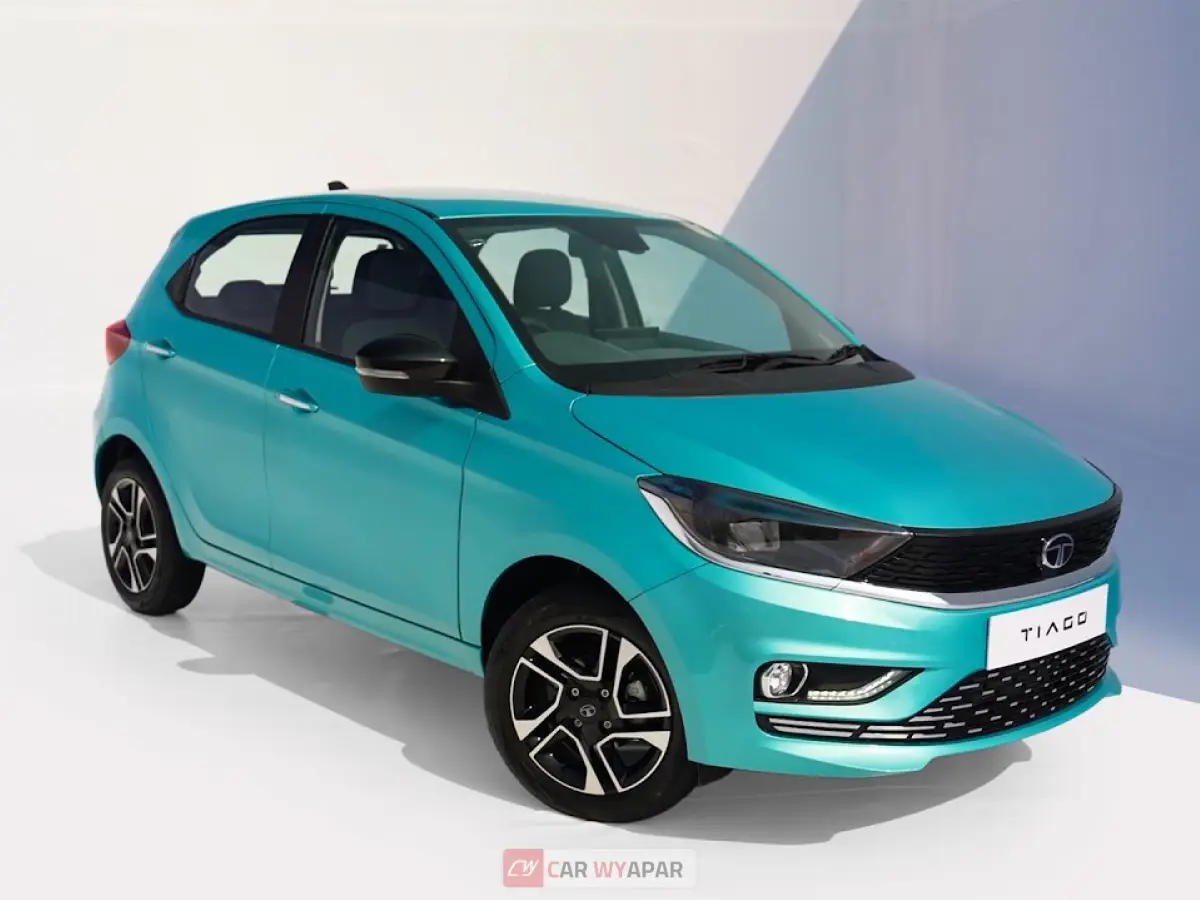
The Tata Tiago is powered by the dependable 1.2L Revotron engine, a 3-cylinder naturally aspirated petrol unit that serves as the backbone of Tata’s compact car lineup. The most interesting aspect of this engine is its sheer versatility; it isn't just confined to the Tiago. This same powerplant, in various states of tune and turbocharging, drives a significant portion of Tata's portfolio, including the Tigor sedan, the Punch micro-SUV, and even the premium Altroz hatchback. By sharing this core "Revotron" architecture across multiple segments, Tata has refined the engine's reliability and parts availability, making it one of the most widely used and recognizable engines on Indian roads today.
Despite its positioning as the most affordable entry point in the Revotron family, the Tata Tiago doesn't "cheap out" on its mechanical soul. Unlike some competitors that swap out engines for smaller, less powerful units in their base models, the Tiago retains the same robust 1.2L heart found in its more expensive siblings. This makes it a unique value proposition: you are getting a premium-engineered powertrain and a sophisticated AMT (Automated Manual Transmission) gearbox in a budget-friendly package.
As a primary entry-level hatchback, the Tiago firmly competes with established players like the Maruti Suzuki Celerio, the Maruti Suzuki WagonR, and the Hyundai Grand i10 Nios. However, it is important to distinguish its segment; the Tiago does not compete with the likes of the Maruti Alto K10 or the S-Presso. While those cars are built strictly as "budget micro-hatches" focusing on absolute cost-cutting and smaller footprints, the Tiago offers a wider track, superior high-speed stability, and a vastly safer 4-star-rated chassis. Buying a Tiago means you are stepping into a "proper" car segment rather than a lightweight commuter, prioritizing safety and substance over just the lowest price tag.
Who Should Buy the Tata Tiago?
The Tata Tiago is the ideal choice for first-time car buyers and urban commuters who refuse to compromise on safety for the sake of a budget. If you are someone who finds the "tin-can" build quality of entry-level hatchbacks alarming, the Tiago’s 4-star GNCAP safety rating provides peace of mind that its rivals simply don't match. It is also perfect for those who want a "big car" feel—comfortable seats, a premium Harman sound system, and a planted ride—within a compact footprint that is easy to park in crowded Indian cities.
Tata Tiago Variant Guide: Features & Comparison
The Tiago is structured to offer value at every step. Each variant builds upon the last, ensuring that as you spend more, you gain significant comfort and tech upgrades.
|
Variant |
Target Buyer |
Key Highlights |
|---|---|---|
|
XE |
The Pure Budgetist |
Focuses on safety and core mechanics. |
|
XM |
The Essentialist |
Adds basic convenience for daily driving. |
|
XT |
The Value Seeker |
The "Sweet Spot" for modern features. |
|
XZ+ |
The Tech Enthusiast |
Premium features usually seen in higher segments. |
1. Tata Tiago XE (The Base)
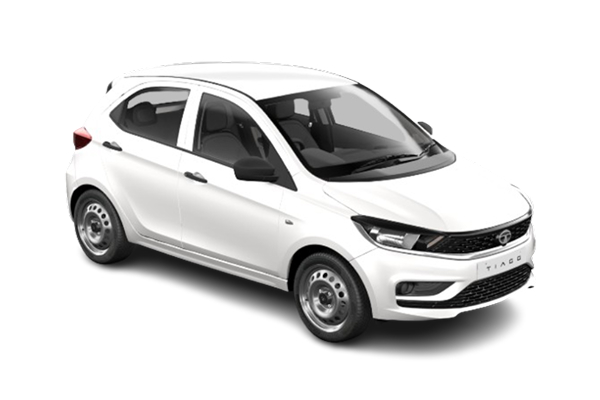
This is the entry point, focusing on the robust 1.2L Revotron engine and safety.
Core Features: Dual Airbags, ABS with EBD, Rear Parking Sensors, Corner Stability Control, and Tilt-adjustable Steering.
2. Tata Tiago XM
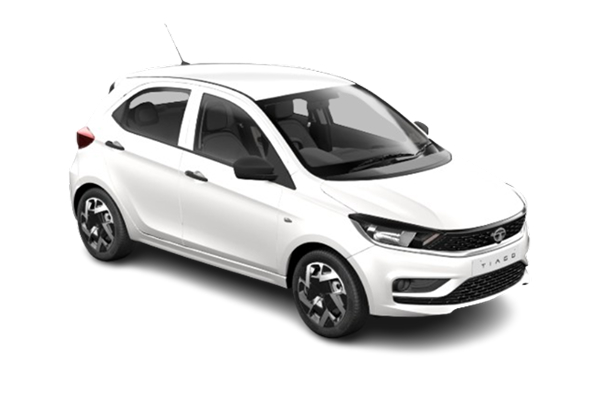
Includes all features of the XE variant, plus:
Core Features: All four Power Windows, Interior Lamps with Theater Dimming, and Central Locking.
3. Tata Tiago XT
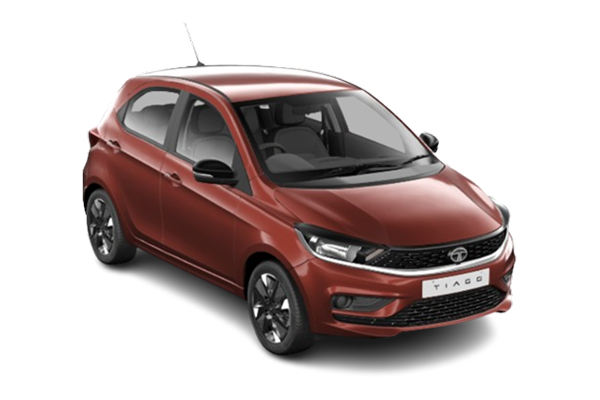
Includes all features of the XM variant, plus:
Core Features: 14-inch Full Wheel Covers, Body-colored Door Handles and ORVMs, Harman Infotainment System with 4 Speakers, Steering Mounted Controls, and Electrically Adjustable ORVMs.
4. Tata Tiago XZ+ (The Top-End)
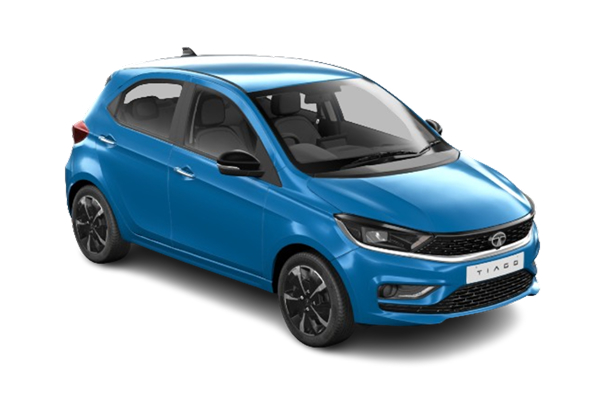
Includes all features of the XT variant, plus:
Core Features: 15-inch Hyper-style Wheels/Alloys, 7-inch Touchscreen by Harman with Android Auto & Apple CarPlay, 8-speaker System (4 Speakers + 4 Tweeters), Fully Automatic Temperature Control (FATC), Projector Headlamps, Rear Wiper & Washer, and a Cooled Glovebox.
Why the Progression Matters
While the XE is great for those who want to customize their car with aftermarket accessories, the XT is widely considered the "Value for Money" champion because it introduces the famous Harman audio system and steering controls—features that drastically improve the daily driving experience. However, if your budget allows, the XZ+ transforms this entry-level hatch into a premium machine with its touchscreen and climate control.
Petrol vs. iCNG: Which One Should You Buy?
Choosing between Petrol and CNG depends entirely on your usage patterns and patience for fueling queues. While the Tiago iCNG features Tata's innovative Twin Cylinder technology (which leaves you with usable boot space), the Petrol variant offers a simpler ownership experience and a slightly more spirited drive.
|
Feature |
Tata Tiago Petrol |
Tata Tiago iCNG |
|---|---|---|
|
Pros |
Better throttle response, full boot space, lower initial cost, no queues at pumps. |
Extremely low running cost, eco-friendly, smoother "Twin Cylinder" packaging. |
|
Cons |
Higher monthly fuel bill, price fluctuates with global oil rates. |
Higher upfront cost, around ₹90k more, frequent fueling stops, slightly less power. |
The 5-Year Math: Is it Worth the Upgrade?
Many buyers assume CNG is always better, but let’s look at the numbers. If your monthly running is 500 km, the math might surprise you.
Assumptions:
Petrol Price: ₹105/L | CNG Price: ₹85/kg
Petrol Mileage: 15 kmpl (City) | CNG Mileage: 22 km/kg (City)
Upfront Premium for iCNG: ~₹95,000 (including interest if financed)
Monthly Fuel Cost:
Petrol: (500 / 15) 105 = ₹3,500
iCNG: (500 / 22) 85 = ₹1,932
Monthly Savings: ₹1,568
5-Year (60 Months) Savings:
Total Fuel Savings: ₹1,568* 60 =₹94,080
The Verdict for Low Mileage Users
If you drive only 500 km per month, it will take you almost exactly 5 years just to break even on the extra ₹95,000 you paid for the CNG kit.