

























Tata Safari Ownership Cost: How Much Salary Do You Need to Afford It?
By Nitesh Yadav • Published on 5 Sept 2026To comfortably afford a Tata Safari, you should ideally have a monthly take-home salary of around ₹1.5 lakh to ₹1.8 lakh, depending on the variant and...
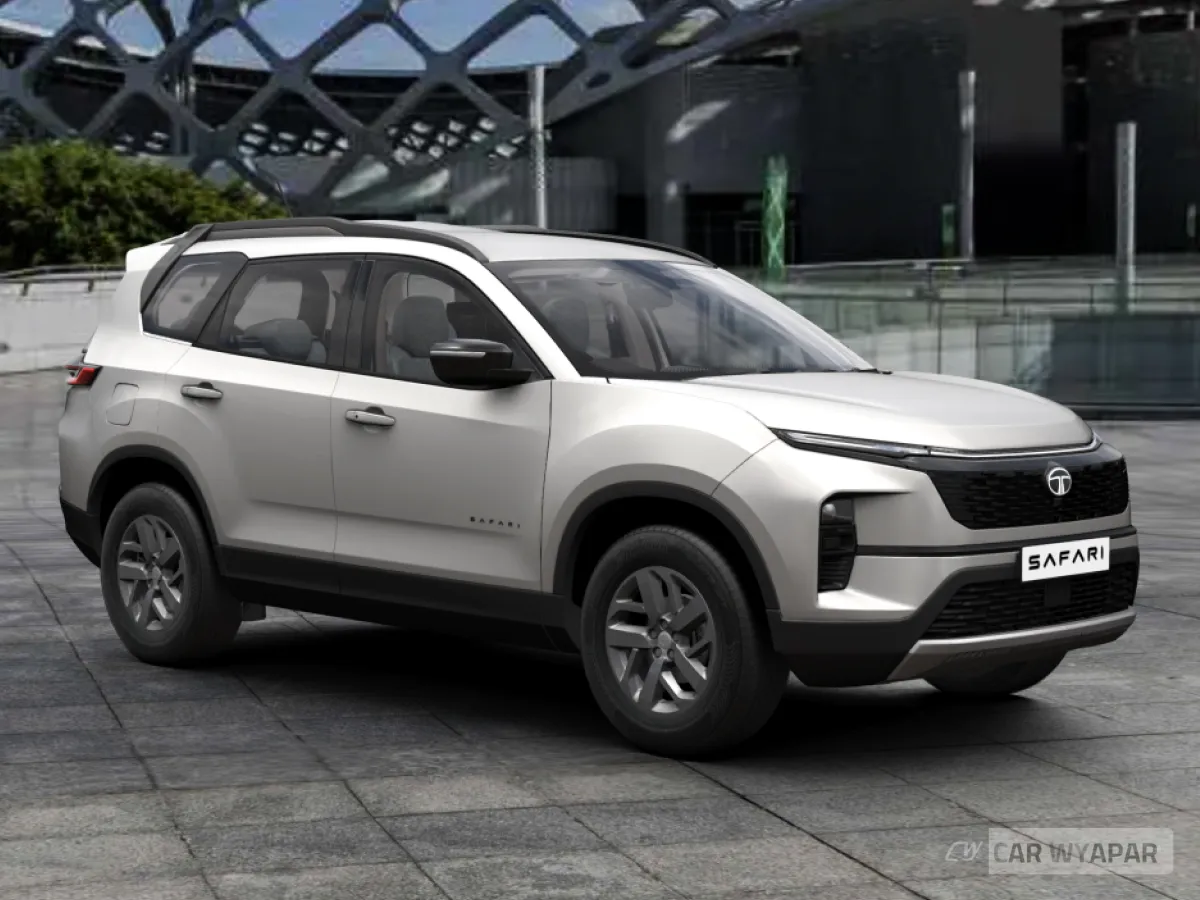
To comfortably afford a Tata Safari, you should ideally have a monthly take-home salary of around ₹1.5 lakh to ₹1.8 lakh, depending on the variant and your existing expenses. For a Safari costing around ₹20 lakh on-road, a 20% down payment and a 5-year loan can put your EMI around ₹32,000 to ₹35,000 per month. Add fuel, insurance, maintenance and other running costs, and you should budget roughly ₹50,000 to ₹60,000 every month for the car.
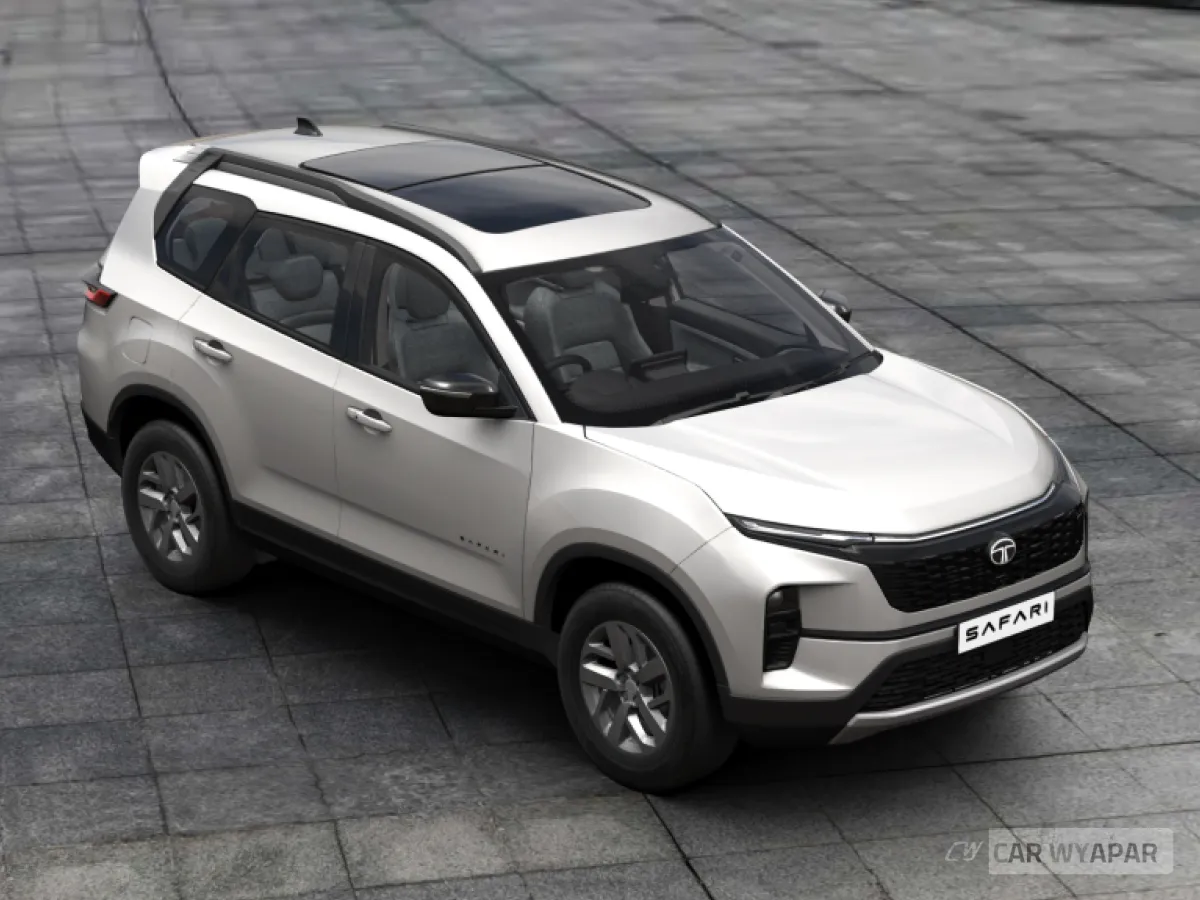
Tata Safari Price: The Starting Point
The 2026 Tata Safari is available with a 1.5-litre turbo-petrol and 2.0-litre diesel engine, with manual and automatic gearbox options. The current ex-showroom range starts around ₹13.40 lakh and goes up to around ₹26.76 lakh depending on the variant.
For an ownership-cost calculation, the mid-range Safari around ₹20 lakh ex-showroom makes more sense than using either the cheapest or most expensive version.
|
Ownership Cost |
Approximate Amount |
|---|---|
|
Ex-showroom price |
₹20.00 lakh |
|
Road tax & registration |
₹2.00 lakh |
|
Insurance |
₹0.90 lakh |
|
TCS & other charges |
₹0.25 lakh |
|
Approx. on-road price |
₹23.15 lakh |
The exact on-road price will vary by state, variant, insurance policy and dealer charges. Tata Motors also notes that its displayed ex-showroom prices can change and that the final payable price is determined at invoicing.
How Much Down Payment Do You Need?
A sensible approach is to put 20% down instead of stretching your finances with a tiny down payment.
Assuming an on-road price of ₹23.15 lakh:
Down payment: around ₹4.63 lakh
Loan amount: around ₹18.52 lakh
Loan tenure: 5 years
Interest rate assumption: 9%
Approximate EMI: ₹38,400/month
That EMI looks manageable on paper. But the EMI is only the beginning.
Tata Safari Fuel Cost
The Safari's diesel engine is still attractive for buyers who drive long distances. The 2.0-litre diesel produces 170 hp and 350 Nm, while the diesel manual has an ARAI-rated efficiency of around 16.3 km/l.
Real-world mileage will depend heavily on traffic, driving style and the gearbox.
For a practical calculation, let's assume:
Monthly driving: 1,200 km
Real-world mileage: 13 km/l
Diesel price: ₹90/litre
Monthly fuel requirement: around 92 litres
Monthly fuel cost: approximately ₹8,300
So your Safari is not going to destroy your monthly budget at the fuel pump, especially if most of your driving is on highways.
Insurance Cost
A new Safari can cost roughly ₹70,000 to ₹1 lakh for comprehensive insurance depending on the variant, insurer, IDV and add-ons.
For budgeting purposes, keep around:
First-year insurance: ₹90,000
Monthly reserve: ₹7,500
After the first year, insurance may become cheaper depending on your No Claim Bonus, but maintaining a monthly insurance reserve is a smarter way to budget.
Tata Safari Maintenance Cost
The Safari is not a cheap hatchback to maintain, but it is also nowhere near German luxury-car territory.
A practical ownership budget should include:
Scheduled servicing
Engine oil and filters
Brake pads
Tyres
Battery
Unexpected repairs
Consumables
For normal usage, keeping around ₹50,000 to ₹60,000 per year as a maintenance reserve is sensible.
That works out to approximately:
₹4,500 per month
The actual bill will not arrive every month. Some months you spend almost nothing, while a major service can suddenly remind you that cars are basically large metal subscriptions.
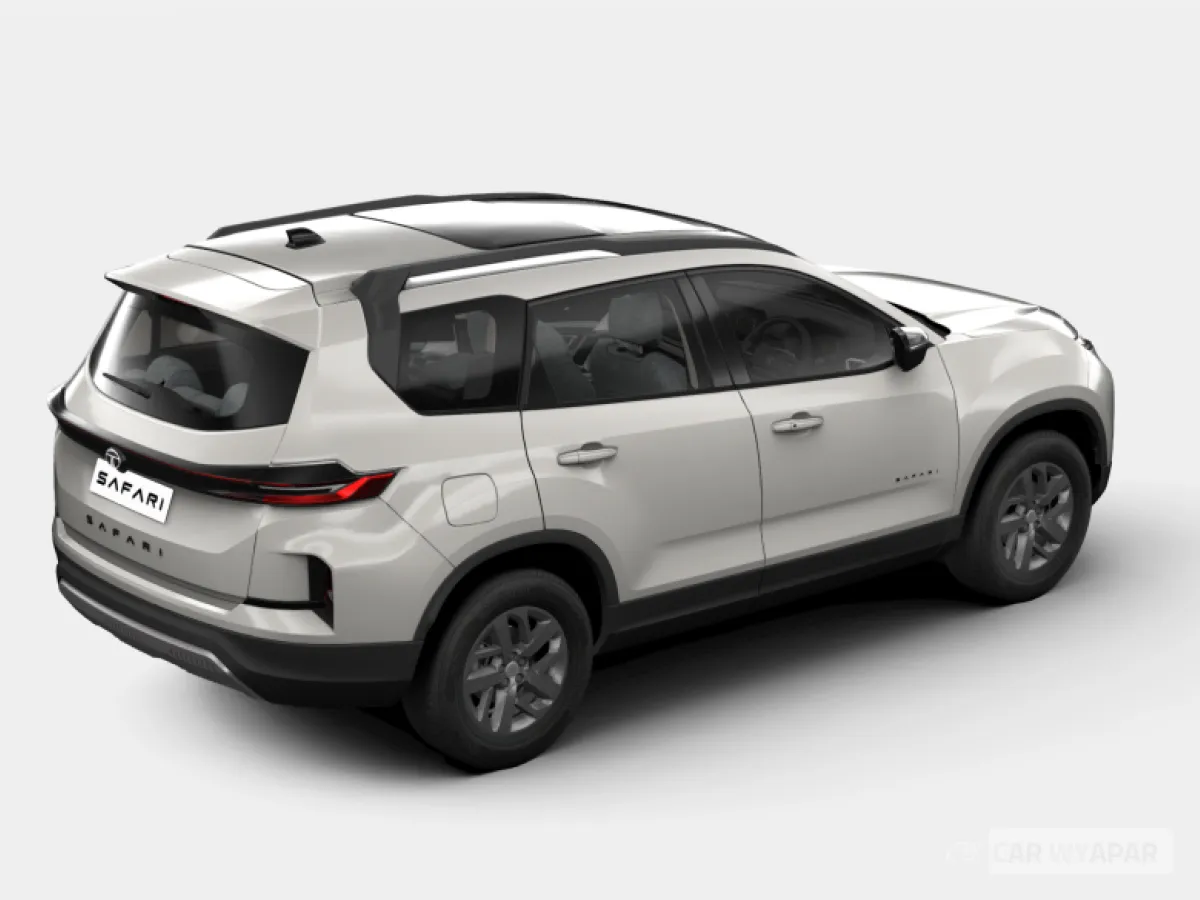
Total Monthly Cost of Owning a Tata Safari
Using the ₹23.15 lakh on-road example:
|
Expense |
Monthly Budget |
|---|---|
|
EMI |
₹38,400 |
|
Fuel |
₹8,300 |
|
Insurance reserve |
₹7,500 |
|
Maintenance reserve |
₹4,500 |
|
Total |
₹58,700/month |
So a realistic ownership budget is approximately ₹55,000 to ₹60,000 per month.
This excludes parking, tolls, accessories, car cleaning and major unexpected repairs.
What Salary Do You Need for a Tata Safari?
A common financial rule is to keep your car-related expenses around 20% of your monthly take-home income.
If the Safari costs you approximately ₹58,700 per month:
₹58,700 ÷ 20% = ₹2.94 lakh/month
That gives us a very conservative answer.
However, most buyers don't follow a strict 20% rule for a mainstream SUV. If you have low rent, no major loans and reasonable savings, the Safari can be comfortable at a lower income.
₹1 Lakh Take-Home Salary
Safari affordability: ★★
Possible, but financially aggressive.
An EMI of nearly ₹38,000 would consume a large portion of your salary before fuel, insurance and maintenance are added.
₹1.5 Lakh Take-Home Salary
Safari affordability: ★★★★
This is where the Safari starts making sense.
You could spend around ₹55,000 to ₹60,000 on the vehicle while still retaining roughly ₹90,000 for household expenses, investments and other commitments.
₹2 Lakh Take-Home Salary
Safari affordability: ★★★★★
At ₹2 lakh monthly take-home, the Safari becomes considerably more comfortable.
You have enough room for:
EMI
Fuel
Insurance
Maintenance
Investments
Emergency savings
Family expenses
without the car completely taking over your finances.
₹3 Lakh+ Take-Home Salary
Safari affordability: ★★★★★
At this income level, even a higher-spec Safari becomes relatively easy to manage, assuming you don't already have several large EMIs.
Safari Diesel vs Petrol: Which Is Better for Ownership?
The choice depends heavily on how much you drive.
Choose the diesel if:
You drive 1,000+ km every month
You frequently travel on highways
You want strong low-end torque
You plan to keep the car for many years
You regularly carry six or seven passengers
Choose the petrol if:
Most of your driving is inside the city
Your annual running is relatively low
You prefer quieter and smoother operation
You don't want to pay extra for diesel unless you actually need it
The current Safari petrol uses a 1.5-litre turbo engine producing 170 hp and 280 Nm, while the diesel makes 170 hp and 350 Nm. Both engines are offered with manual and automatic options.
Is the Tata Safari Expensive to Own?
Not particularly, considering its size.
The Safari is a large three-row SUV, yet its ownership cost remains much closer to a mainstream Indian SUV than a luxury SUV.
The biggest recurring expense is the EMI. Fuel, insurance and maintenance are comparatively manageable.
That's what makes the Safari interesting.
You get a large 6/7-seater SUV, a powerful engine, premium features and a 5-star Bharat NCAP safety rating without entering BMW, Mercedes or Audi territory.
The Real Income Test
Forget the showroom salesperson telling you that your EMI is "only ₹38,000."
Look at the complete picture.
If your monthly take-home is:
₹1 lakh: Don't buy it unless you have substantial savings and very low expenses.
₹1.5 lakh: Reasonable for a mid-spec Safari if your finances are otherwise clean.
₹2 lakh: Comfortable for most buyers.
₹2.5 lakh: Very comfortable.
₹3 lakh+: You can consider a higher variant without the car becoming a financial burden.
CarWyapar Expert Verdict
The Tata Safari is one of those cars where the purchase price looks scarier than the ownership cost.
For a roughly ₹23 lakh on-road Safari, expect around ₹38,000 EMI and ₹55,000 to ₹60,000 in total monthly running and ownership expenses under a realistic usage pattern.
If your take-home salary is around ₹1.5 lakh, the Safari is possible. At ₹2 lakh or more, it becomes much more comfortable. If you earn ₹3 lakh+ every month, the Safari is unlikely to create much financial stress unless you already have significant loans.
The smartest Safari buyer isn't necessarily the person who can get the biggest loan.
It's the person who can pay the EMI, maintain the SUV, fill its tank and still have money left when the month ends.
.webp)