
























New Elevate 2026 Review: Should You Buy This Car?
By Nitesh Yadav • Published on 7 Oct 2026The mid-size SUV segment in India is one of the most fiercely competitive battlegrounds in the automotive market, and the Honda Elevate finds itself s...
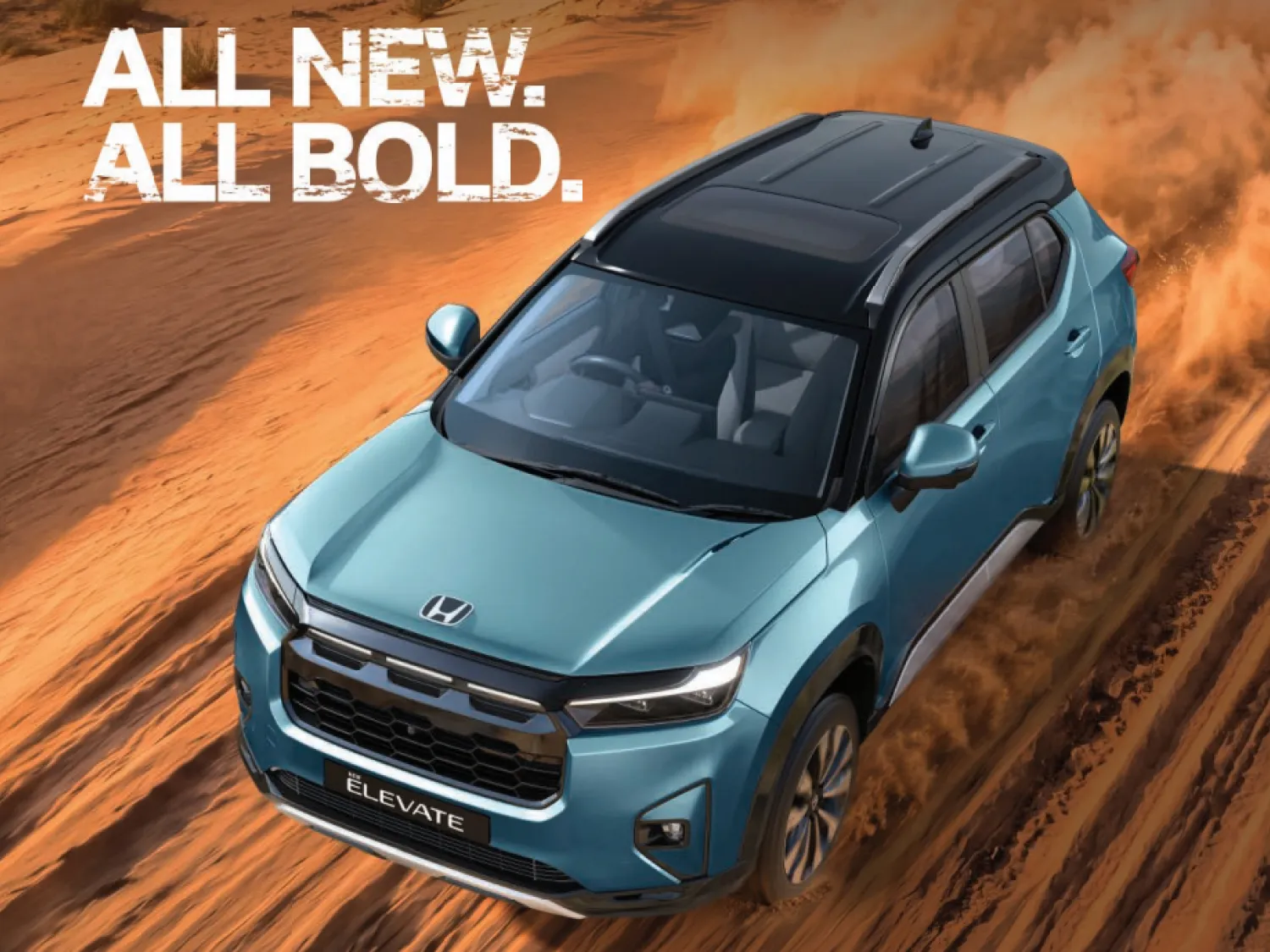
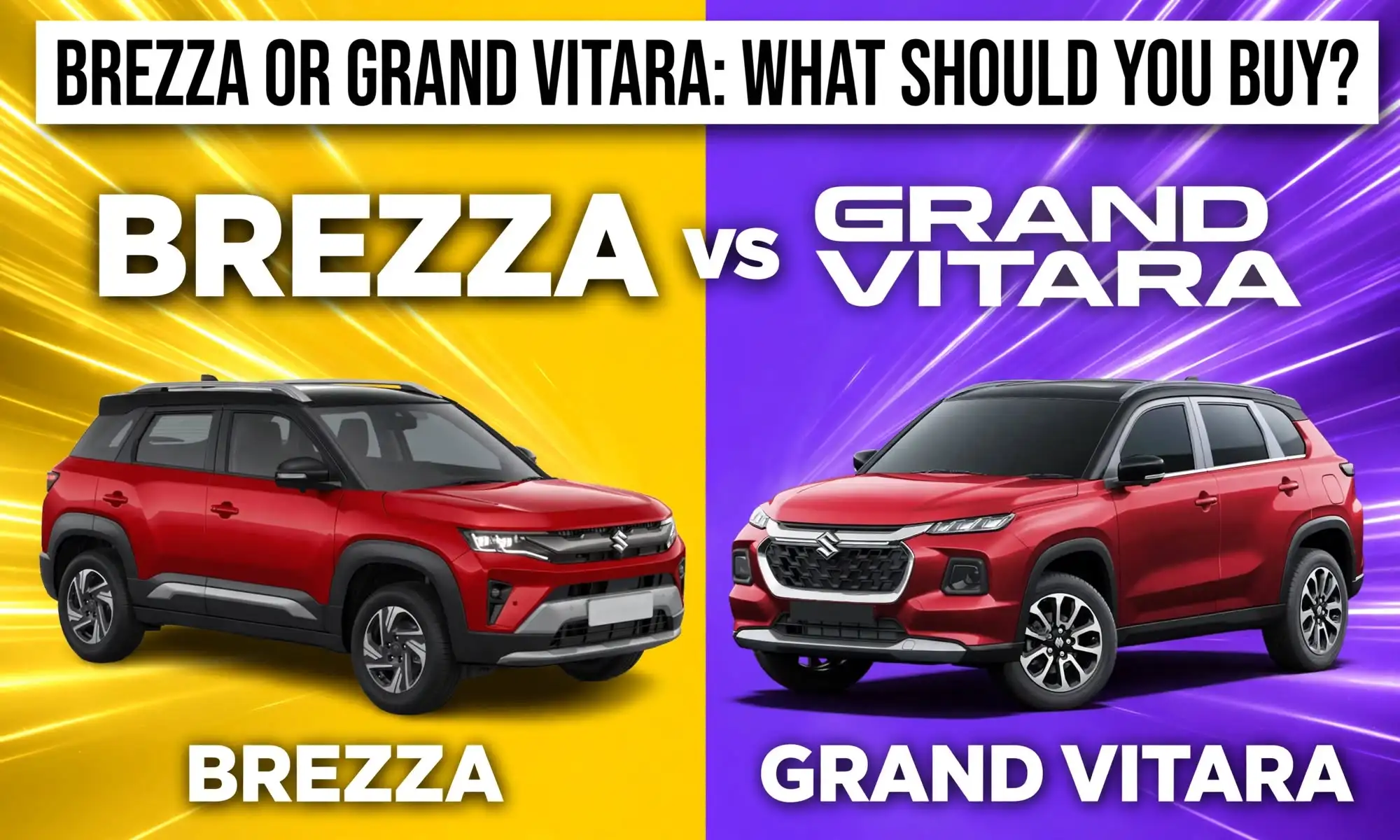
The mid-size SUV segment in India is one of the most fiercely competitive battlegrounds in the automotive market, and the Honda Elevate finds itself stacked against heavyweights like the Hyundai Creta, Kia Seltos, Maruti Suzuki Grand Vitara, Toyota Urban Cruiser Hyryder, Skoda Kushaq, and Volkswagen Taigun. When it comes to sales performance, the market is overwhelmingly dominated by the top 3 segment leaders: the Hyundai Creta (comfortably holding the #1 spot averaging 15,000+ units a month), followed by the Maruti Suzuki Grand Vitara / Victoris and the Toyota Urban Cruiser Hyryder rounding out the podium. In comparison, the Honda Elevate manages modest sales figures, hovering around 1,300 to 2,000 units per month—roughly 80% to 90% lower volume than the dominant segment-leader Creta.
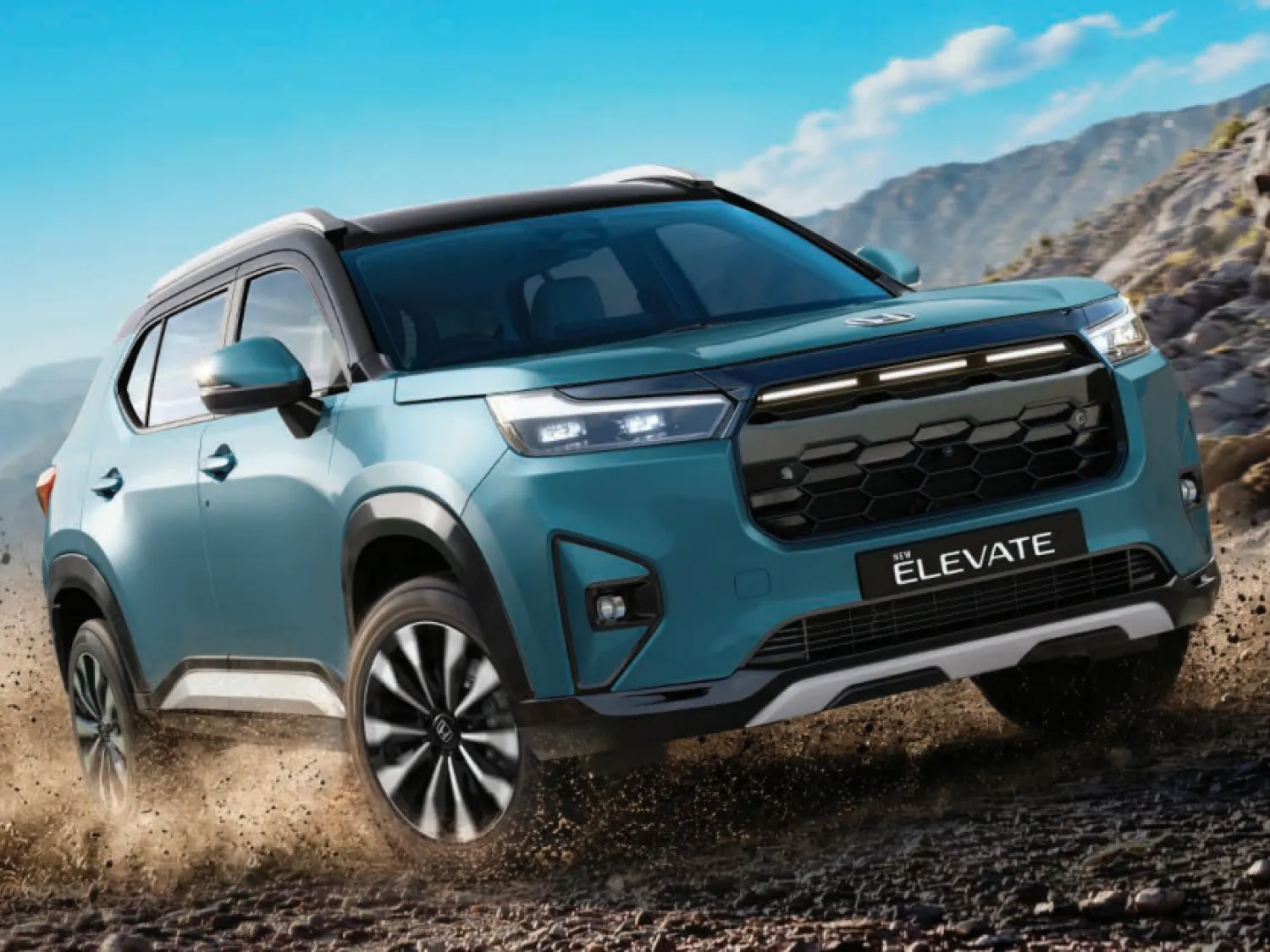
Why Honda Was Late to the SUV Game
Honda’s position in the sales charts is largely a byproduct of a delayed SUV strategy for the Indian market:
Competitor Moves: While Hyundai aggressively refined and dominated with the Creta, Tata captured the sub-4m segment with the Nexon, and Mahindra scaled up with the XUV300/3XO, Honda missed crucial years of the SUV boom.
The Legacy Lineup: Honda relied heavily on hatchback derivatives like the WR-V to fill its crossover gap while betting most of its resources on traditional sedans and compact cars—specifically the City and the Brio platform (which eventually evolved into the Amaze).
By the time Honda launched the Elevate into the mid-size SUV segment, rivals had already established deep brand loyalty, aggressive feature sets, and broad engine offerings (including turbos, diesels, and strong hybrids).
The Feature Gaps: Missing the Modern Essentials
For buyers shopping in the ₹12–18 Lakh bracket, tech features often play a decisive role. This is where the Elevate leaves a few crucial boxes unchecked:
No Panoramic Sunroof: In a market where buyers prioritize large glass roofs, the Elevate still ships with a standard, single-pane electric sunroof.
Missing Tech & Comfort Bits: Unlike its key rivals, it skips factory ventilated front seats, a 360-degree camera setup (available only via accessory packages), a fully digital driver display, electric seat adjustment, and a diesel or turbo-petrol engine option.
High-RPM Engine Noise: The naturally aspirated engine gets loud inside the cabin when pushed hard for highway overtakes.
Who Should Buy the Honda Elevate?
Despite its feature omissions and late market entry, the Honda Elevate is an exceptionally well-engineered SUV if you value mechanical fundamentals over flashy gimmicks.
What Makes it Great:
Bulletproof Reliability: Powered by the proven 1.5L i-VTEC naturally aspirated petrol engine, it offers long-term peace of mind, low maintenance costs, and hassle-free ownership.
Best-in-Class Ground Clearance (220mm): It easily clears broken roads, deep potholes, and rough terrain without scraping its underbody.
Massive Boot Space: At 458 Litres, it offers the largest and most usable luggage capacity in the mid-size SUV class.
Sublime CVT & City Driveability: The CVT automatic is extremely smooth, making daily city commutes effortless.
No-Nonsense Comfort & Ergonomics: Excellent front seat support, superb outward visibility, boxy muscular road presence, and a clean, durable cabin layout.
Honda Sensing (ADAS): Comes with reliable camera-based ADAS safety tech including Collision Mitigation Braking and Lane Keep Assist.
The Honda Elevate is a highly reliable, mechanically sound mid-size SUV that prioritizes long-term ownership ease, class-leading ground clearance (220mm), and massive boot space (458L) over flashy tech features like panoramic sunroofs or turbo engines. However, it struggles in sales against the Hyundai Creta and Maruti Grand Vitara, averaging only 1,300–2,000 units/month due to a late market entry and the absence of modern "must-have" features like ventilated seats and a 360-degree camera.
.webp)