




















Skoda Slavia 2026: Who should buy this sedan
By Gaurav Cyril • Published on 5 Oct 2026You should buy the Skoda Slavia 2026 if you want a midsize sedan with strong turbo-petrol performance, European-style handling and high-speed stabilit...
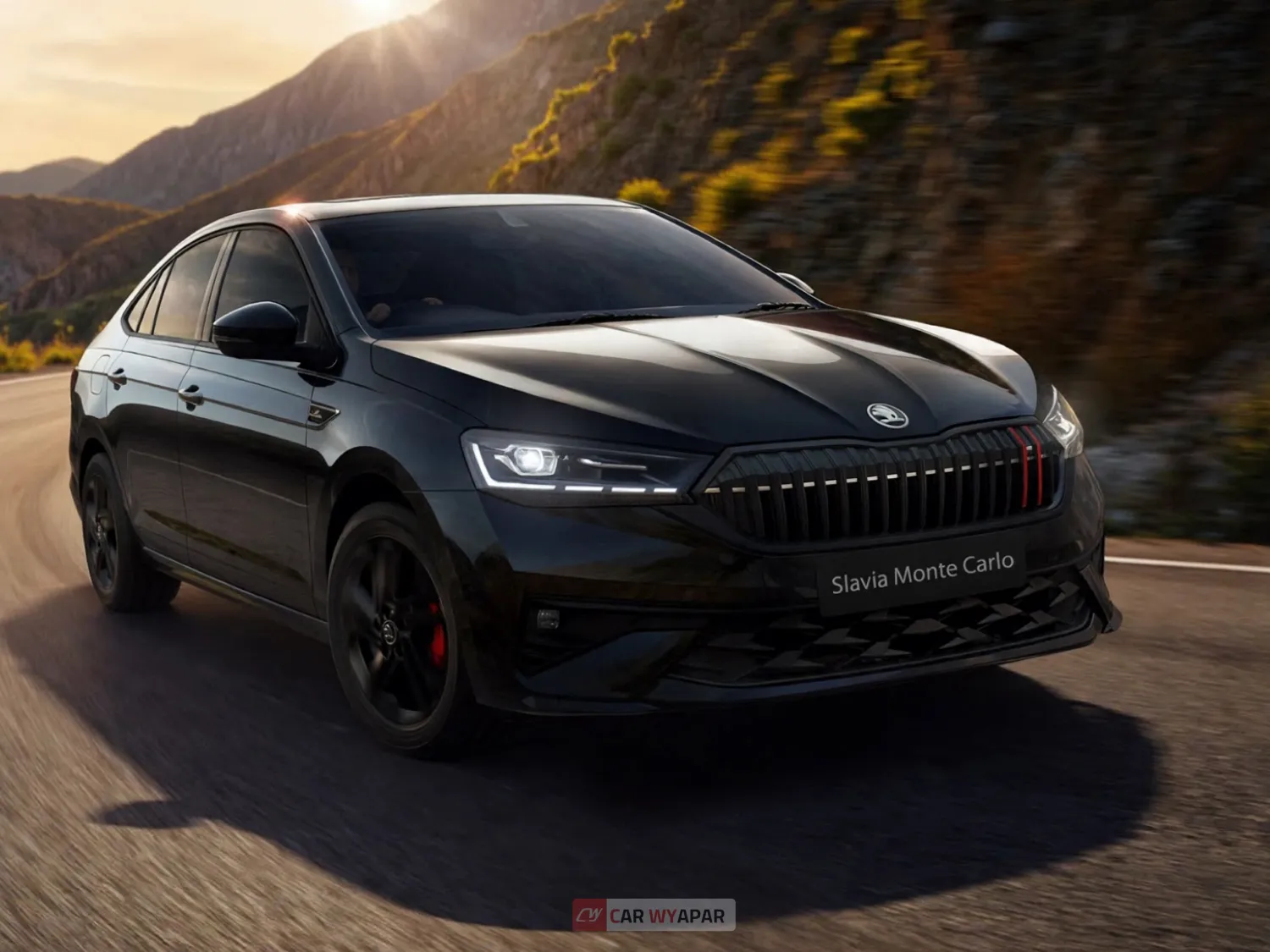
You should buy the Skoda Slavia 2026 if you want a midsize sedan with strong turbo-petrol performance, European-style handling and high-speed stability, generous rear space, a massive 521-litre boot, solid build quality, and a long list of comfort and convenience features without paying luxury-car money. It is especially suited to driving enthusiasts who enjoy the 1.5 TSI DSG, families or chauffeur-driven users who value rear-seat comfort, and buyers who want a feature-rich, well-built European-feeling sedan without stretching to Honda City Hybrid or higher Virtus GT money. If maximum fuel efficiency, hybrid smoothness, or Level-2 ADAS is your top priority, you should look elsewhere.
What is the Skoda Slavia 2026?
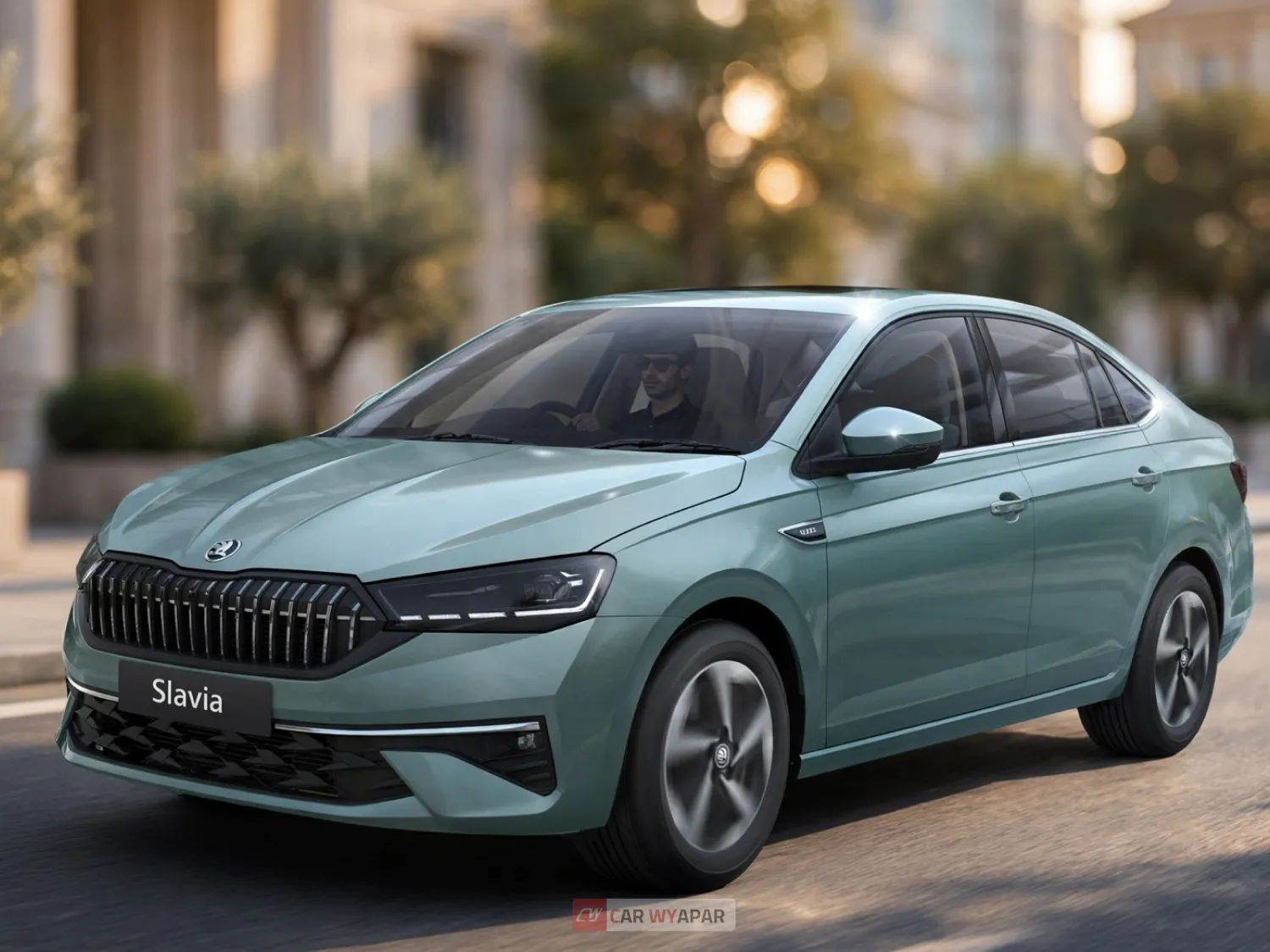
The Skoda Slavia 2026 is the facelifted version of the car that first launched in 2022. It continues on the MQB A0-IN platform and keeps the same two turbo-petrol engines: the 1.0-litre TSI producing 115 PS and 178 Nm, and the 1.5-litre TSI producing 150 PS and 250 Nm.
What is new in the 2026 Slavia?
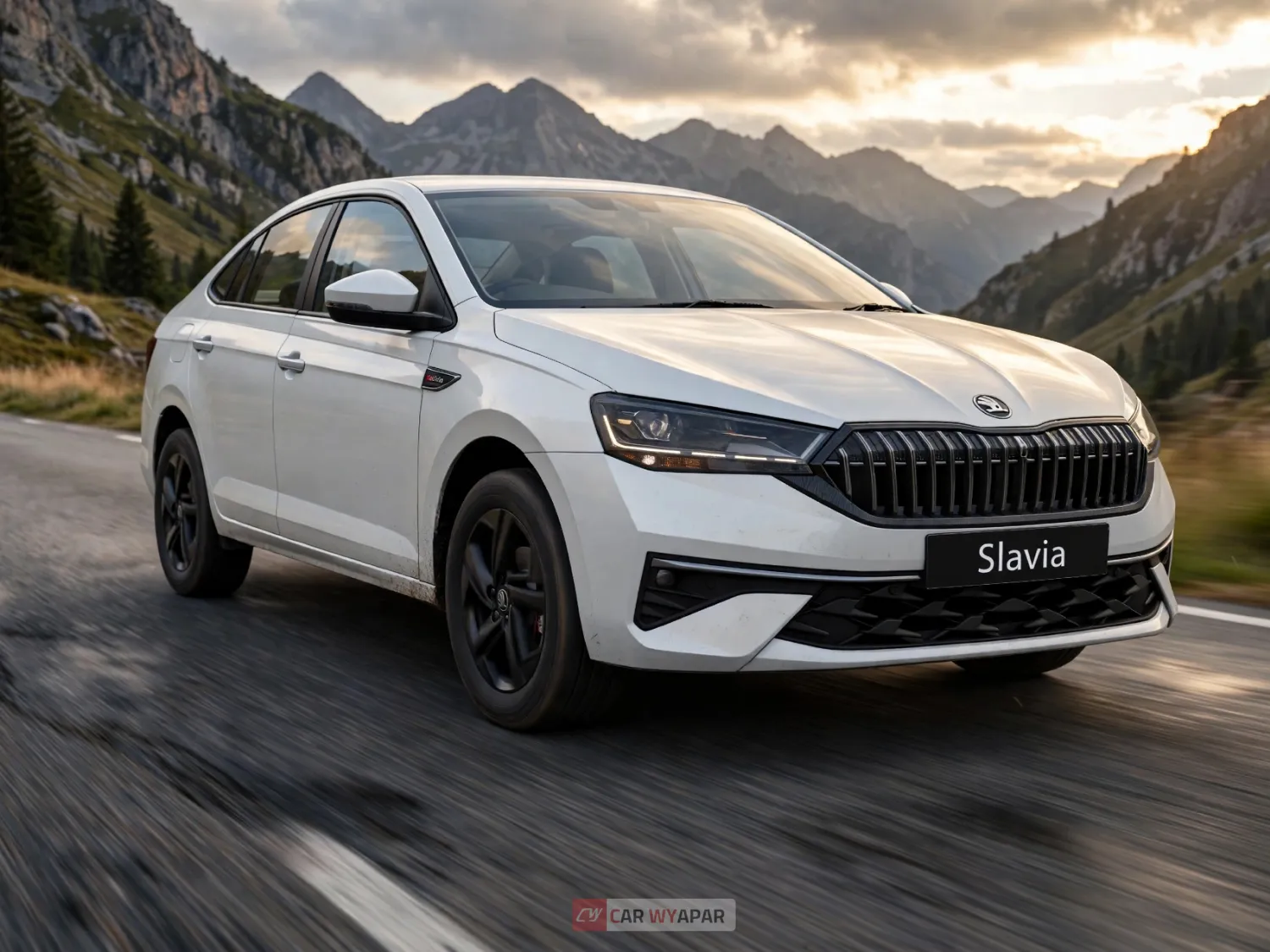
The 2026 update brings sharper styling and useful upgrades. You get a revised grille, LED headlamps with new DRL signatures, redesigned bumpers, sequential rear indicators, new alloy wheels, and fresh colours. Inside, there are larger digital screens and several segment-notable comfort upgrades. The biggest mechanical change is a new 8-speed torque-converter automatic for the 1.0 TSI, while the 1.5 TSI now comes only with the 7-speed DSG.
|
Feature |
Skoda Slavia 2026 (top variants) |
Volkswagen Virtus |
Honda City (facelift) |
|---|---|---|---|
|
Rear-seat massage function |
Yes (segment-first on this platform) |
No |
No |
|
360-degree camera |
Yes |
Limited / not standard on most variants |
Available on higher variants |
|
10.25-inch fully digital cockpit |
Yes |
Smaller / less advanced |
Semi-digital / smaller |
|
10.1-inch touchscreen + Google AI / updated UI |
Yes |
Smaller / older interface |
Competitive but different system |
|
New 8-speed torque-converter AT (1.0 TSI) |
Yes (segment first for 1.0 turbo) |
6-speed AT still common |
CVT / e-CVT only |
|
Electrically adjustable + ventilated front seats |
Yes |
Available on higher trims |
Available on higher trims |
|
Improved variable-geometry AC compressor |
Yes |
Standard AC |
Standard AC |
|
Sequential rear indicators |
Yes |
Not typically |
Not typically |
Which engine and gearbox should you choose?
Choose the 1.0 TSI if you want a balance of performance and everyday drivability with the new 8-speed torque-converter automatic. It is a segment-first for a 1.0 turbo in this class. Choose the 1.5 TSI DSG if you prioritise strong performance, driving enjoyment, and high-speed composure. It is the more enthusiast-focused choice.
What features does the top-spec Slavia offer?
The top variants of the Slavia 2026 bring several features that the Volkswagen Virtus and Honda City largely miss or do not match as completely:
Rear-seat massage function — segment-first on this platform
360-degree camera
10.25-inch fully digital cockpit
10.1-inch touchscreen with Google AI / updated UI
New 8-speed torque-converter AT for the 1.0 TSI
Electrically adjustable and ventilated front seats
Improved variable-geometry AC compressor
Sequential rear indicators
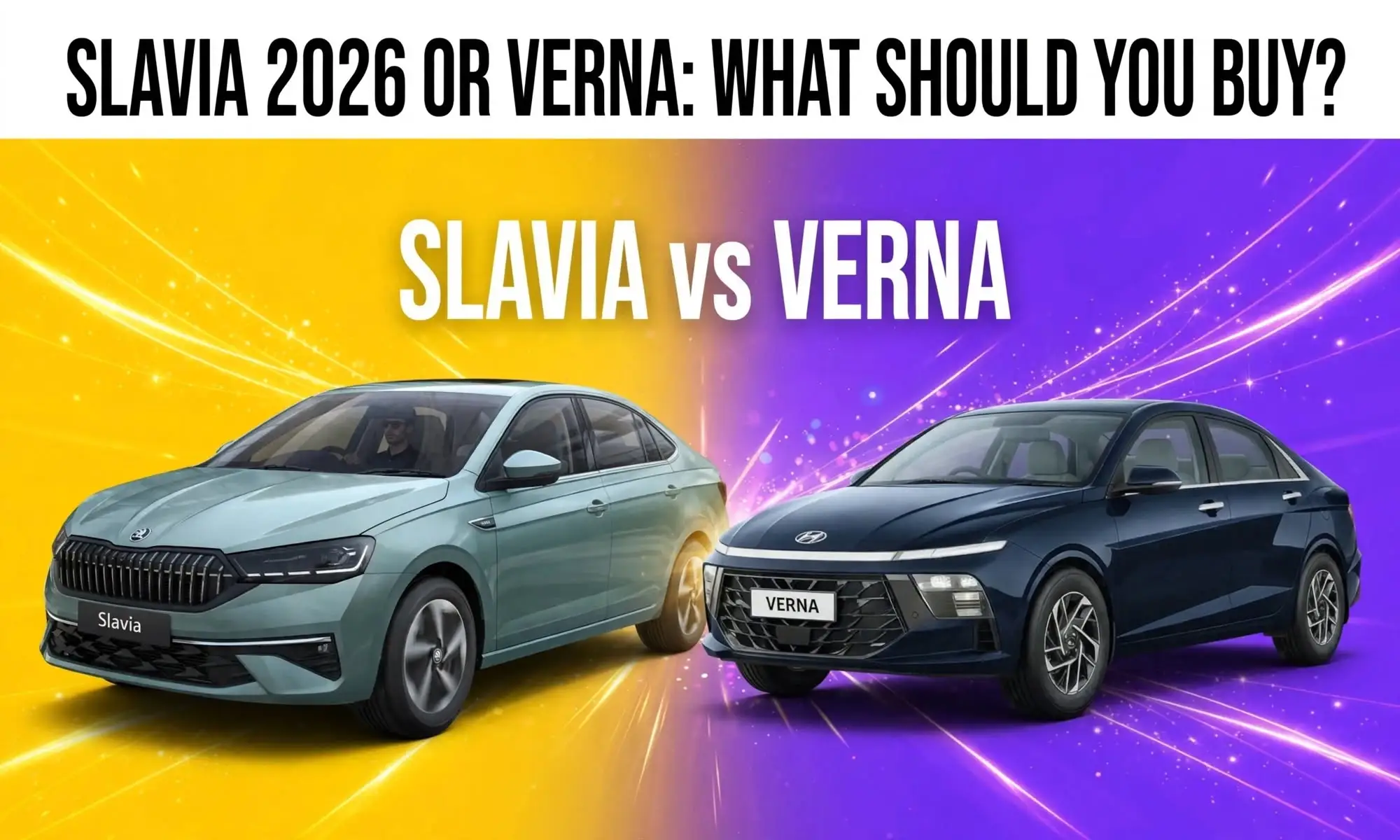
How does the Slavia compare with the Volkswagen Virtus?
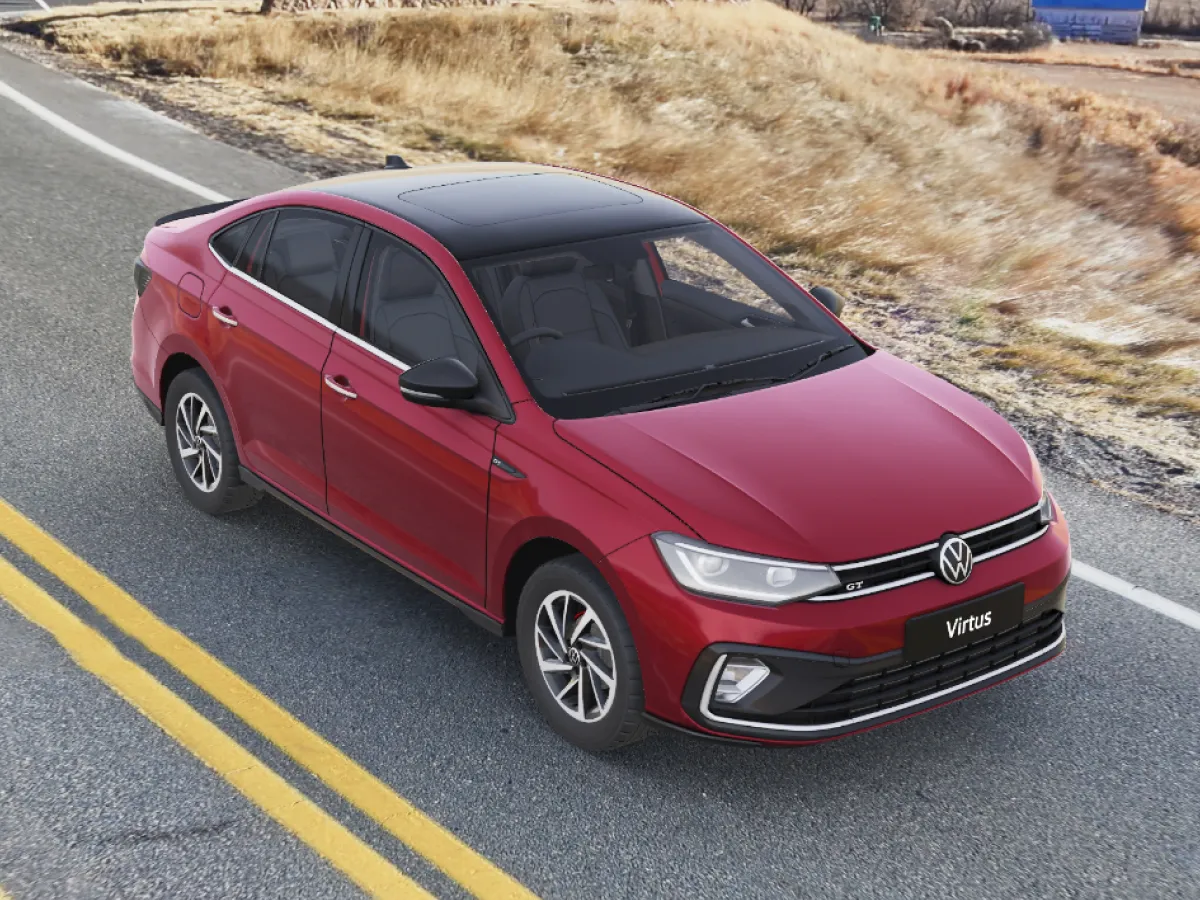
The Virtus is the Slavia’s platform sibling. It shares the same engines and underpinnings but leans more sporty. If you want the sportiest looks and stronger badge perception in the same mechanical package, the Virtus still has strong appeal. However, the Slavia’s top variants offer a more complete comfort and feature set, including the rear-seat massage function, 360-degree camera, larger digital cockpit, and the new 8-speed automatic for the 1.0 TSI.
How does the Slavia compare with the Honda City?
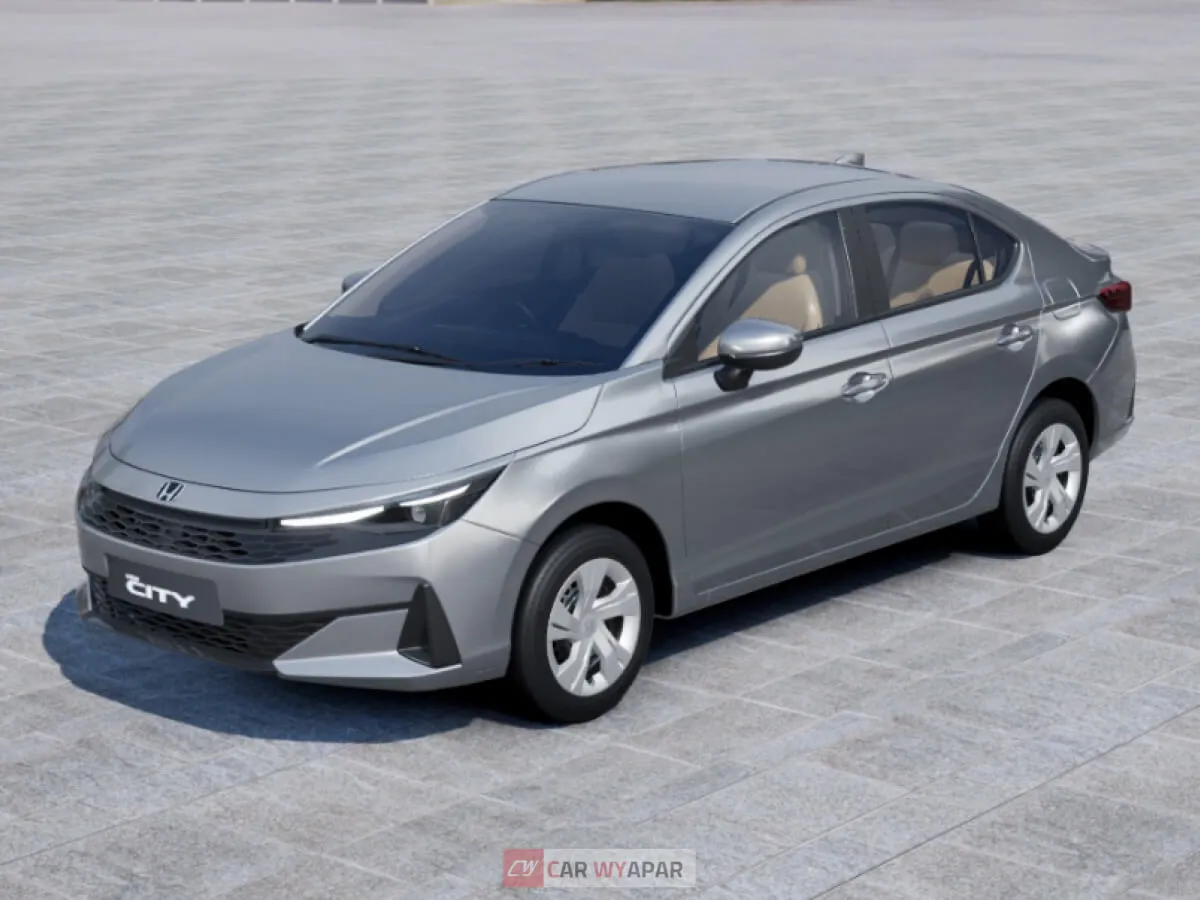
The Honda City is the refined, reliable all-rounder and now also offers a strong-hybrid option. If maximum fuel efficiency and hybrid smoothness matter most, the City e:HEV is hard to ignore. The City also has an edge if you need Level-2 ADAS. But the Slavia counters with stronger turbo-petrol performance, European-style handling, a bigger 521-litre boot, and features like rear-seat massage, ventilated seats, and a more advanced digital interface on top trims.
Who should avoid the Skoda Slavia 2026?
You might look elsewhere if:
You want the highest possible fuel efficiency and hybrid smoothness — the Honda City e:HEV is the stronger choice.
You want the sportiest looks and badge perception in the same mechanical package — the Volkswagen Virtus still appeals.
You need Level-2 ADAS — the Honda City and Hyundai Verna currently have the edge, as the Slavia still skips advanced driver-assistance systems.
Is the Slavia good for families and chauffeur-driven use?
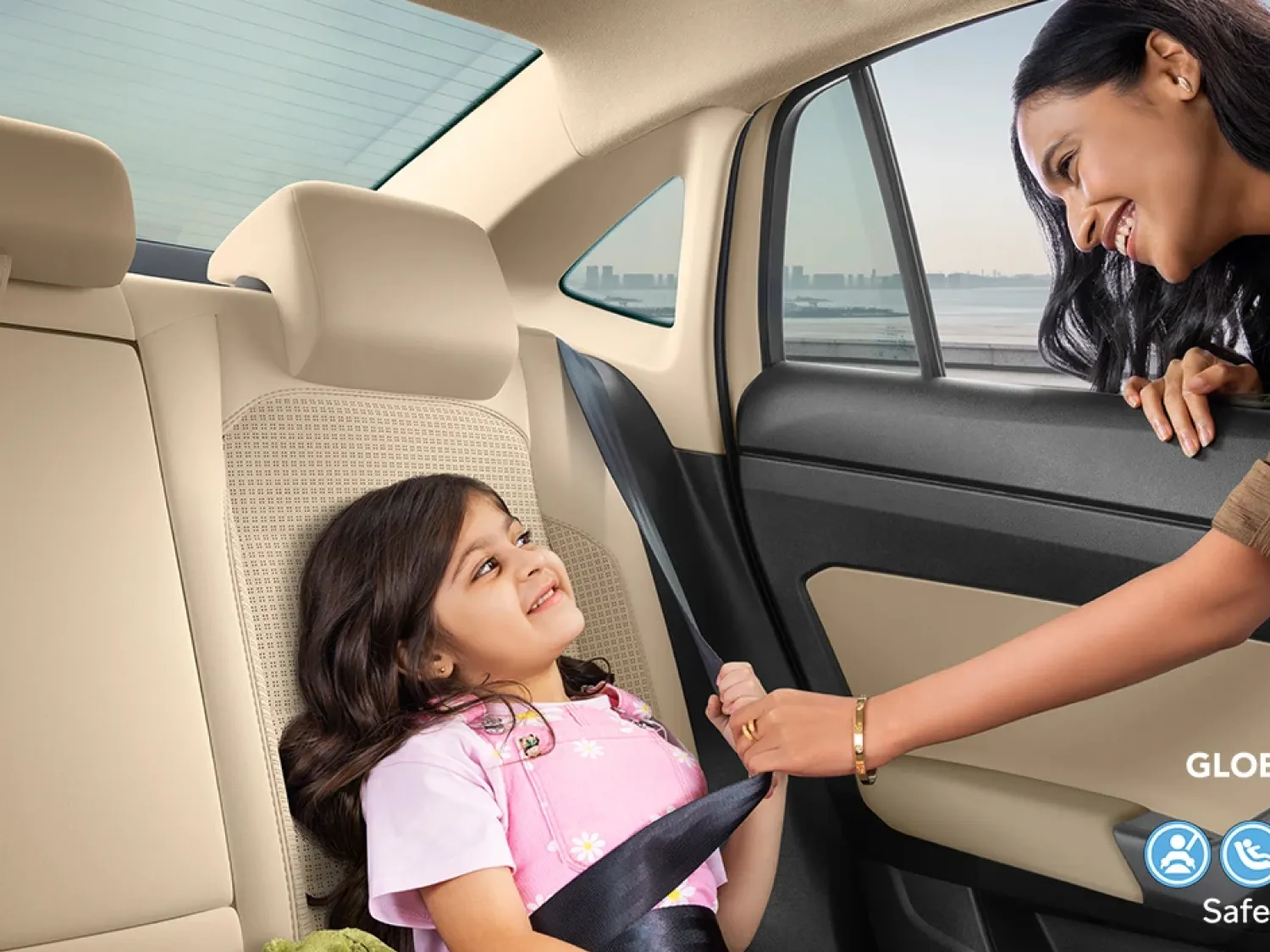
Yes. The Slavia offers generous rear space, a huge 521-litre boot, and a rear-seat massage function that is a genuine differentiator in the segment. For families or owners who are often driven, it balances practicality with comfort and a premium feel.
Is the Slavia good for driving enthusiasts?
Yes, especially in 1.5 TSI DSG form. It delivers strong turbo-petrol performance, European-style handling, and high-speed stability. If driving enjoyment and composure matter more than hybrid efficiency or the absolute latest ADAS, the Slavia is one of the most complete packages in the segment.
/Alto VXI Plus 6.webp)