
























Should You Buy the Citroën eC3? A Brutally Honest Buying Guide
By Nitesh Yadav • Published on 30 Aug 2026 • Updated on 29 Aug 2026Yes, but only if you understand what you are giving up. The Citroën eC3 makes sense for buyers who want excellent ride comfort, generous rear-seat spa...
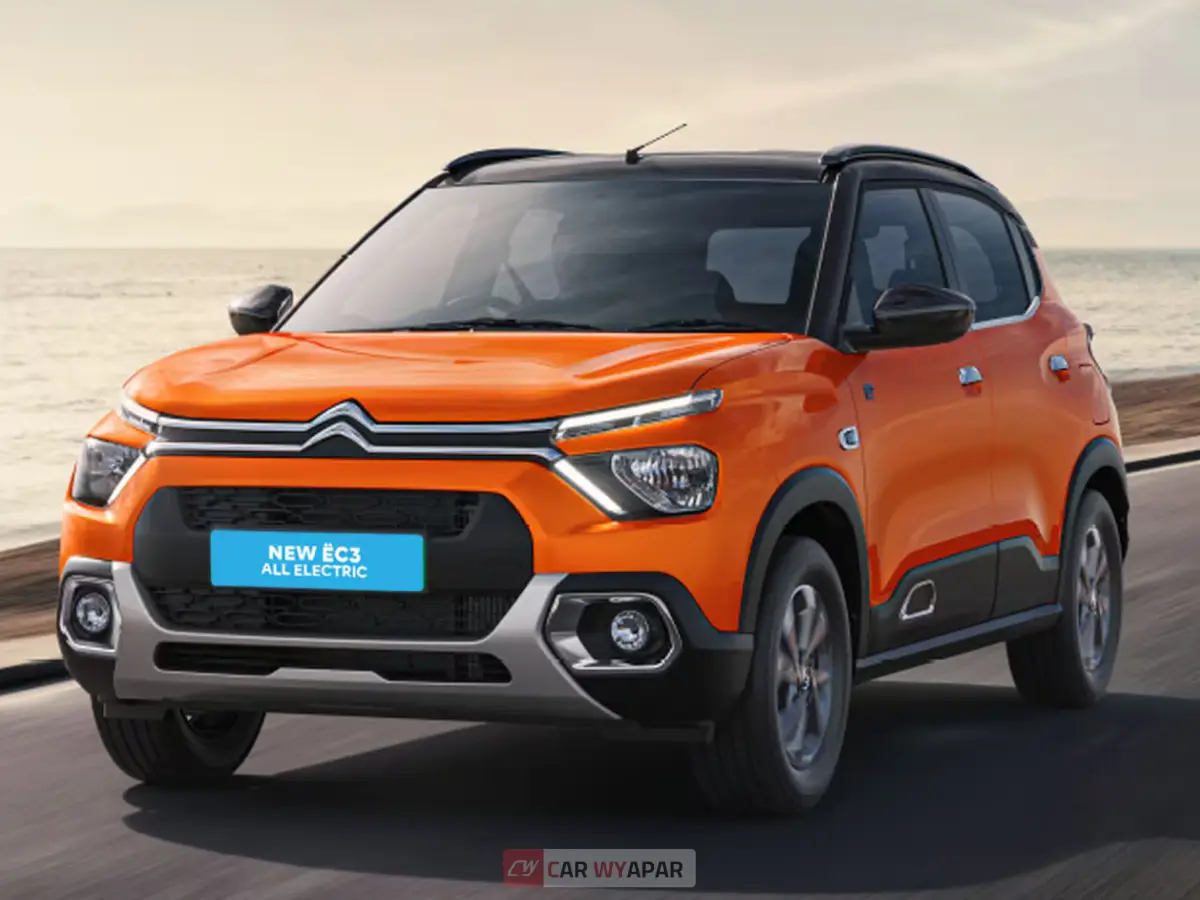
Yes, but only if you understand what you are giving up. The Citroën eC3 makes sense for buyers who want excellent ride comfort, generous rear-seat space, a 29.2 kWh battery and around 190 to 210 km of real-world range, and who have a Citroën service centre close to home. It is especially attractive for city commuters, families that carry four adults regularly and fleet operators. However, buyers in smaller cities, people who care about resale value, or those looking for features and strong service coverage should consider the Tata Tiago EV or Tata Nexon EV instead. The eC3 is therefore a calculated bet: you get comfort and space, but accept weaker brand presence, fewer features and higher ownership uncertainty.
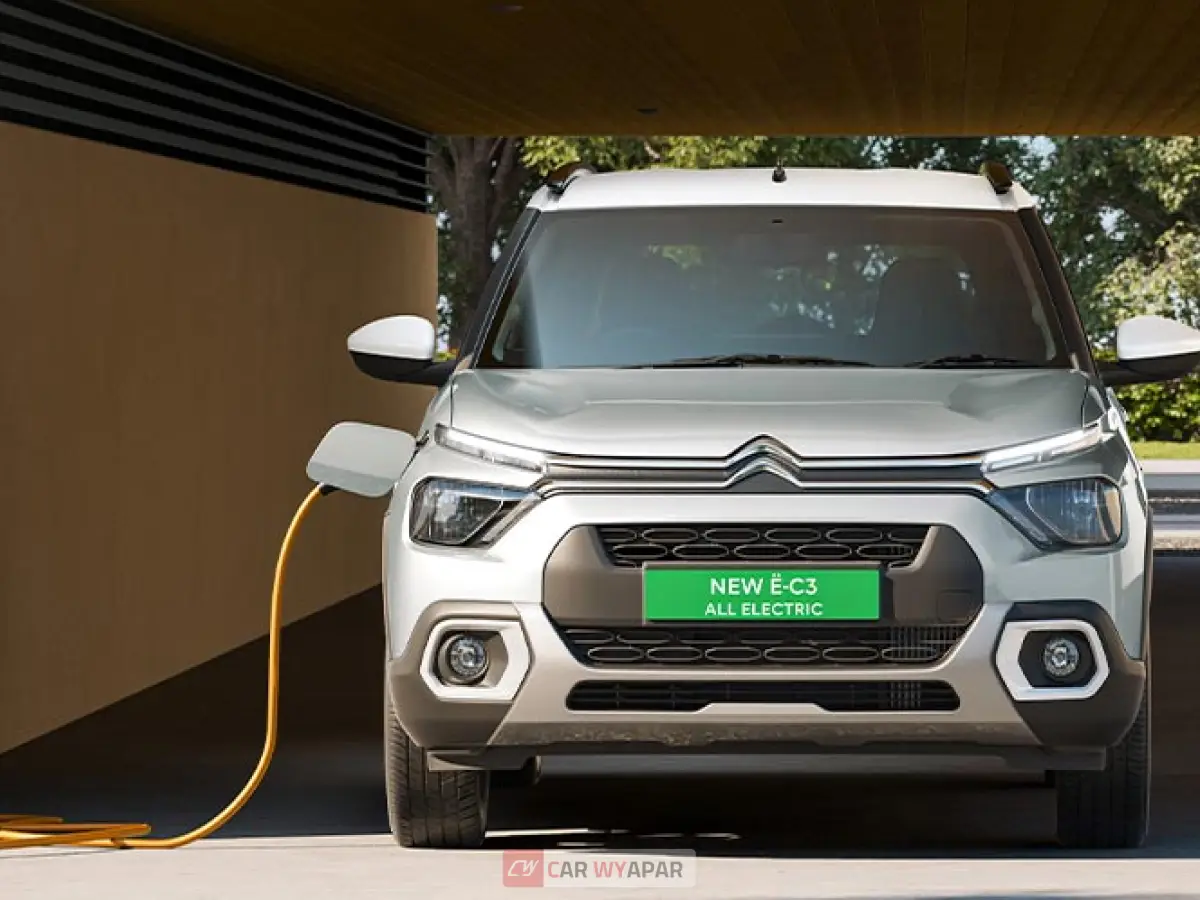
Citroën eC3: The Good, The Bad and The Risk
The eC3 is an unusual EV.
On paper, it looks easy to dismiss. Citroën has a tiny share of India's passenger car market, its dealer network is much smaller than Tata's, and the eC3 does not shower you with features.
But drive it over a broken road and the story changes.
The eC3's biggest strengths are ride quality, rear-seat space, boot space and its relaxed city driving character. These are areas where the car can feel much more expensive than its price suggests.
The problem is that buying a car involves more than the first 10 minutes of a test drive.
You also have to ask:
Will I get good service five years from now?
Will someone buy it from me when I want to sell it?
What happens if my nearest dealer shuts down?
That is where the eC3 becomes a more complicated recommendation.
Citroën eC3: Quick Verdict
|
Factor |
Rating |
Verdict |
|---|---|---|
|
Ride comfort |
★★★★★ |
Excellent |
|
Rear-seat space |
★★★★★ |
Excellent |
|
Battery |
★★★★★ |
Strong |
|
Real-world range |
★★★★★ |
Very good |
|
Performance |
★★★☆☆ |
Adequate |
|
Features |
★★★☆☆ |
Basic |
|
Service network |
★★☆☆☆ |
Limited |
|
Resale value |
★★☆☆☆ |
Weak |
|
City usage |
★★★★★ |
Excellent |
|
Highway usage |
★★★☆☆ |
Average |
Why the Citroën eC3 Is Worth Considering
1. The Ride Quality Is Its Biggest Weapon
Indian roads can turn a perfectly good suspension into a full-time stress test.
The eC3 handles them surprisingly well.
Citroën has focused heavily on ride comfort, and the suspension is one of the strongest reasons to consider the car. Broken roads, potholes and uneven surfaces are handled in a calm and comfortable manner.
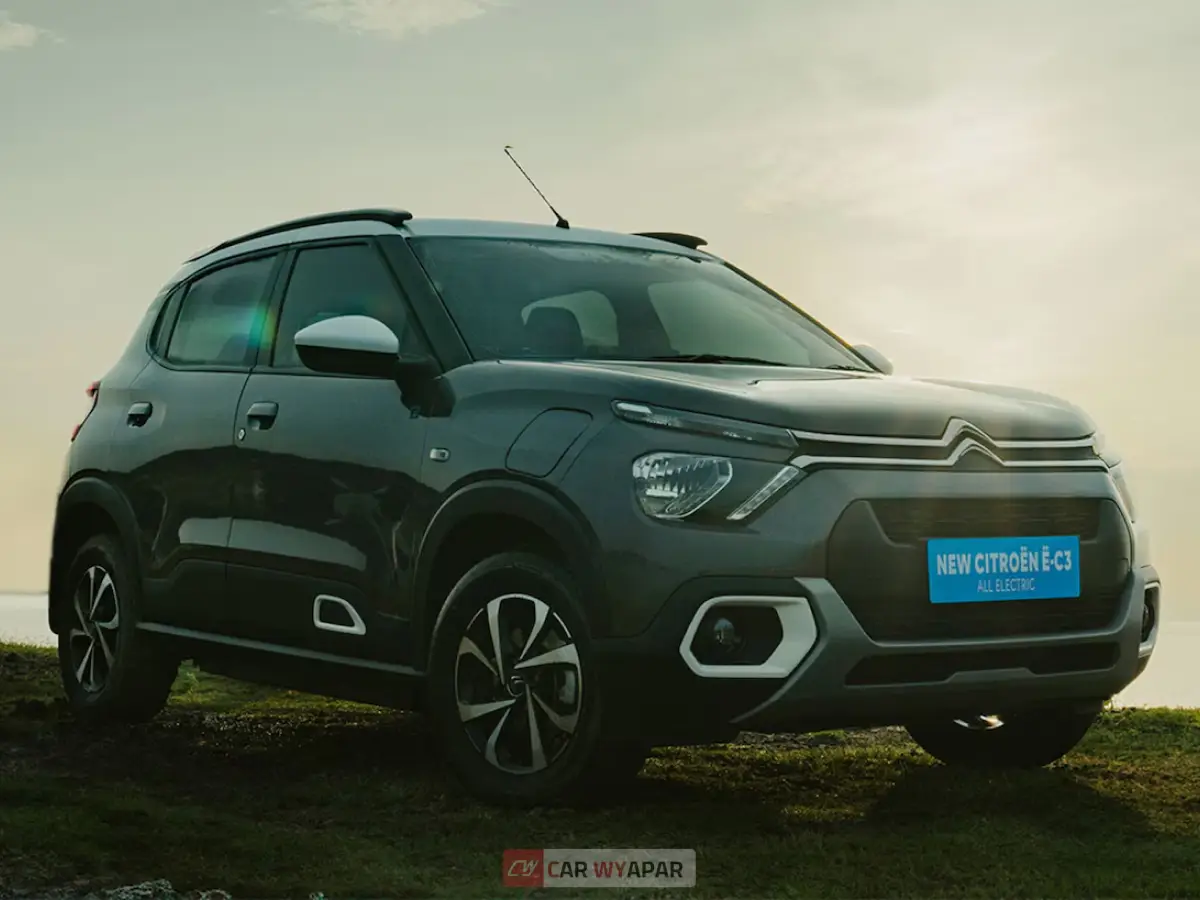
This becomes even more useful in cities where road quality changes every few kilometres.
If your daily route includes potholes, speed breakers and rough patches, the eC3's suspension can matter more than another touchscreen feature.
The Citroën eC3 is particularly good for ride comfort because its suspension is tuned to absorb rough Indian roads with a soft and comfortable character.
2. Rear-Seat Space Is Another Big Advantage
The eC3 has a 2,540 mm wheelbase, which gives it a surprisingly spacious cabin for its price.
The rear seat is one of the areas where the eC3 feels bigger than expected. It can accommodate three passengers better than many small hatchbacks, although three adults will still not have limousine levels of shoulder room.
For a family that regularly carries four adults, this is a meaningful advantage.
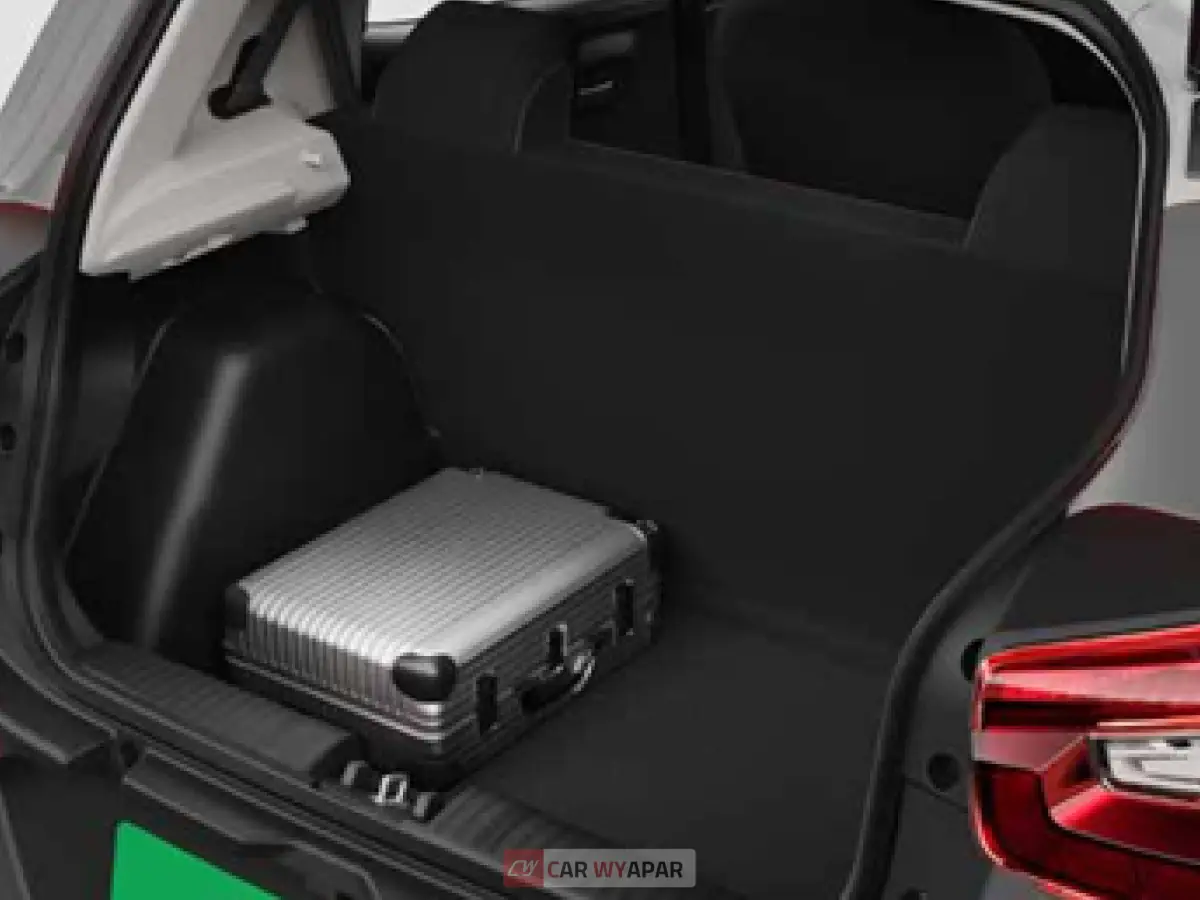
The 315-litre boot also gives it useful luggage-carrying ability.
3. The 29.2 kWh Battery Is Well Matched to Its Character
The eC3 gets a 29.2 kWh battery pack paired with a 56 bhp electric motor producing 143 Nm of torque.
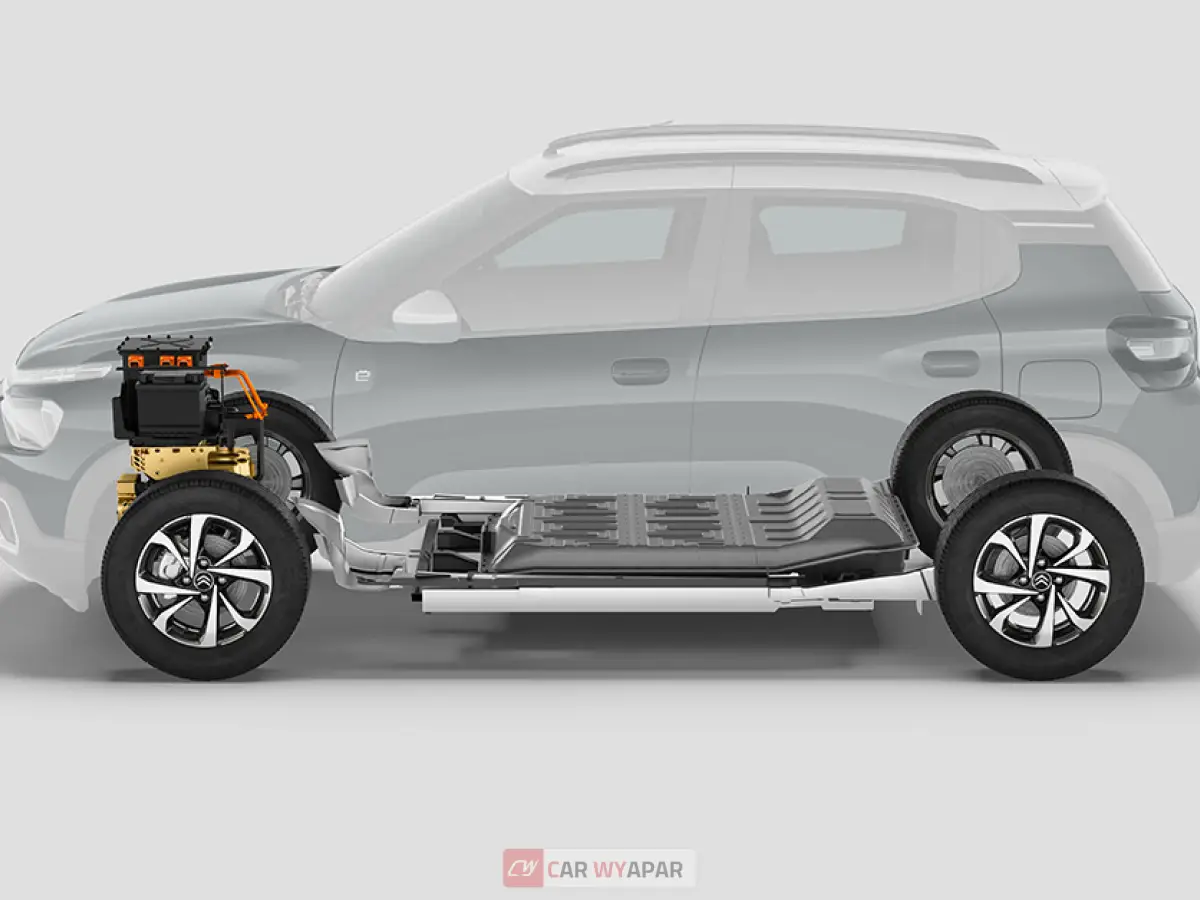
Those numbers do not look spectacular.
They do not need to.
The eC3 is designed more around relaxed urban driving than outright acceleration. Instant electric torque makes it easy to drive in traffic, while the larger battery gives it a useful city range.
Based on the figures in this comparison, expect around 190 to 210 km of real-world range, depending on driving conditions, temperature, traffic and driving style.
That makes it more suitable for daily city use than its modest power output may suggest.
eC3 vs Tiago EV vs Nexon EV
|
Specification |
Citroën eC3 |
Tata Tiago EV |
Tata Nexon EV |
|---|---|---|---|
|
Battery |
29.2 kWh |
24 kWh |
30 kWh |
|
Motor |
56 bhp / 143 Nm |
74 bhp / 114 Nm |
127 bhp / 215 Nm |
|
Real-world range |
190-210 km |
160-180 km |
210-230 km |
|
Wheelbase |
2,540 mm |
2,400 mm |
2,498 mm |
|
Boot |
315 litres |
240 litres |
350 litres |
|
Character |
Comfort focused |
City hatchback |
Performance focused |
|
Features |
Basic |
Good |
Rich |
|
Service network |
Limited |
Strong |
Strong |
Is the eC3 Better Than the Tiago EV?
For space and comfort, yes. For ownership convenience and value, the Tiago EV has the stronger case.
The Tiago EV is smaller, cheaper and easier to live with if you have a strong Tata service network nearby.
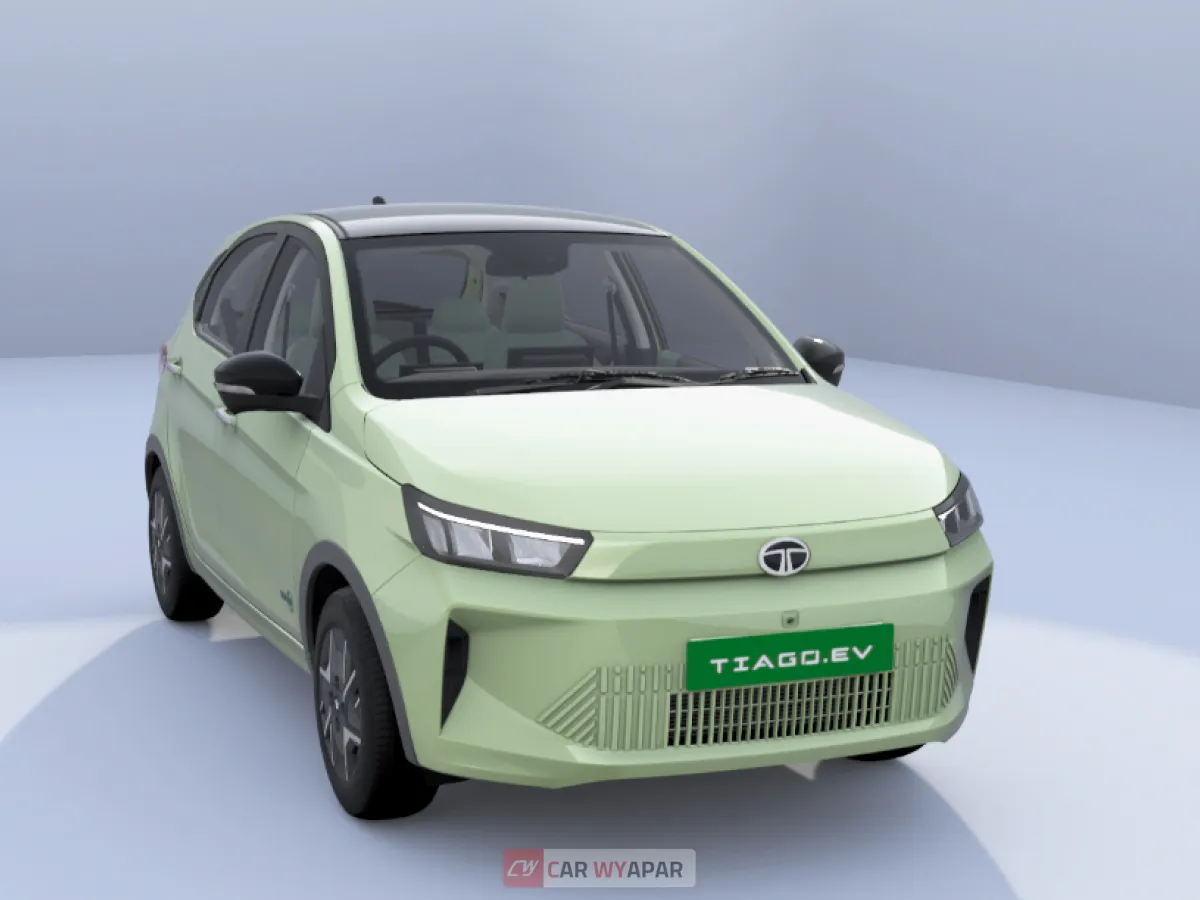
The eC3 counters with a larger cabin, longer wheelbase, bigger battery and a more comfortable suspension setup.
So the choice is fairly simple.
Choose Tiago EV for affordability and easy ownership. Choose eC3 for space and ride comfort.
Is the eC3 Better Than the Nexon EV?
No, not overall.
The Nexon EV sits above the eC3 in performance, features and outright capability.

Its motor produces considerably more power and torque, while its larger boot and stronger feature package make it a more complete EV.
The eC3's argument is different. It gives you much of the practicality required for urban family use without trying to compete with the Nexon EV on performance or technology.
Think of the eC3 as the comfort-first option.
The Biggest Problem Is Not the Car
This is the uncomfortable part.
The eC3 itself is reasonably easy to understand.
The Citroën ownership proposition is harder.
Tata has a huge advantage in India because EV buyers can find Tata service centres in far more locations. Citroën's smaller network means your ownership experience can depend heavily on where you live.
That creates three risks.
1. Resale Value
Low demand can hurt resale value.
If you plan to sell the car after three or four years, the eC3 may not hold its value as strongly as a popular Tata EV.
2. Service Availability
This is the most important question before buying.
If your nearest Citroën workshop is several hours away, the eC3 becomes difficult to recommend as your only family car.
An EV has fewer mechanical components than an ICE car, but it still needs software diagnostics, electrical repairs, body repairs and specialist support.
3. Spare Parts
A smaller sales volume can also mean slower availability of some parts.
A minor body repair is one thing.
Waiting for a specialised EV component is another.
Before buying the eC3, check the distance to your nearest authorised Citroën workshop and ask about the availability of common EV parts.
Who Should Buy the Citroën eC3?
Buy the eC3 if:
You mainly drive inside the city.
Ride comfort is your top priority.
You regularly carry four adults.
You want a spacious EV at this price.
You have home charging.
You have a Citroën workshop nearby.
You care more about comfort than fancy features.
You plan to keep the car for several years.
Who Should Avoid the Citroën eC3?
Avoid it if:
You live far from a Citroën service centre.
This will be your only family car and you travel frequently.
Strong resale value is important.
You want the latest cabin technology.
You expect strong highway performance.
You want a large and well-established service network.
You can comfortably stretch your budget for a more powerful EV.
Citroën eC3 Ownership: The Risk Test
Before booking one, ask yourself these five questions:
|
Question |
If your answer is Yes |
|---|---|
|
Citroën workshop nearby? |
eC3 becomes safer |
|
Home charging available? |
Strong reason to buy |
|
Mostly city driving? |
Excellent fit |
|
Need strong resale value? |
Look at Tata |
|
Need frequent highway trips? |
Consider Nexon EV |