




















Why MG Hector Tomahawk Could Disrupt India's SUV Market
By Gaurav Cyril • Published on 27 Aug 2026The Tomahawk introduces MG's ADAPT architecture, a platform designed to support four electrified powertrain types, HEV, PHEV, EV and REEV. The Tomahaw...
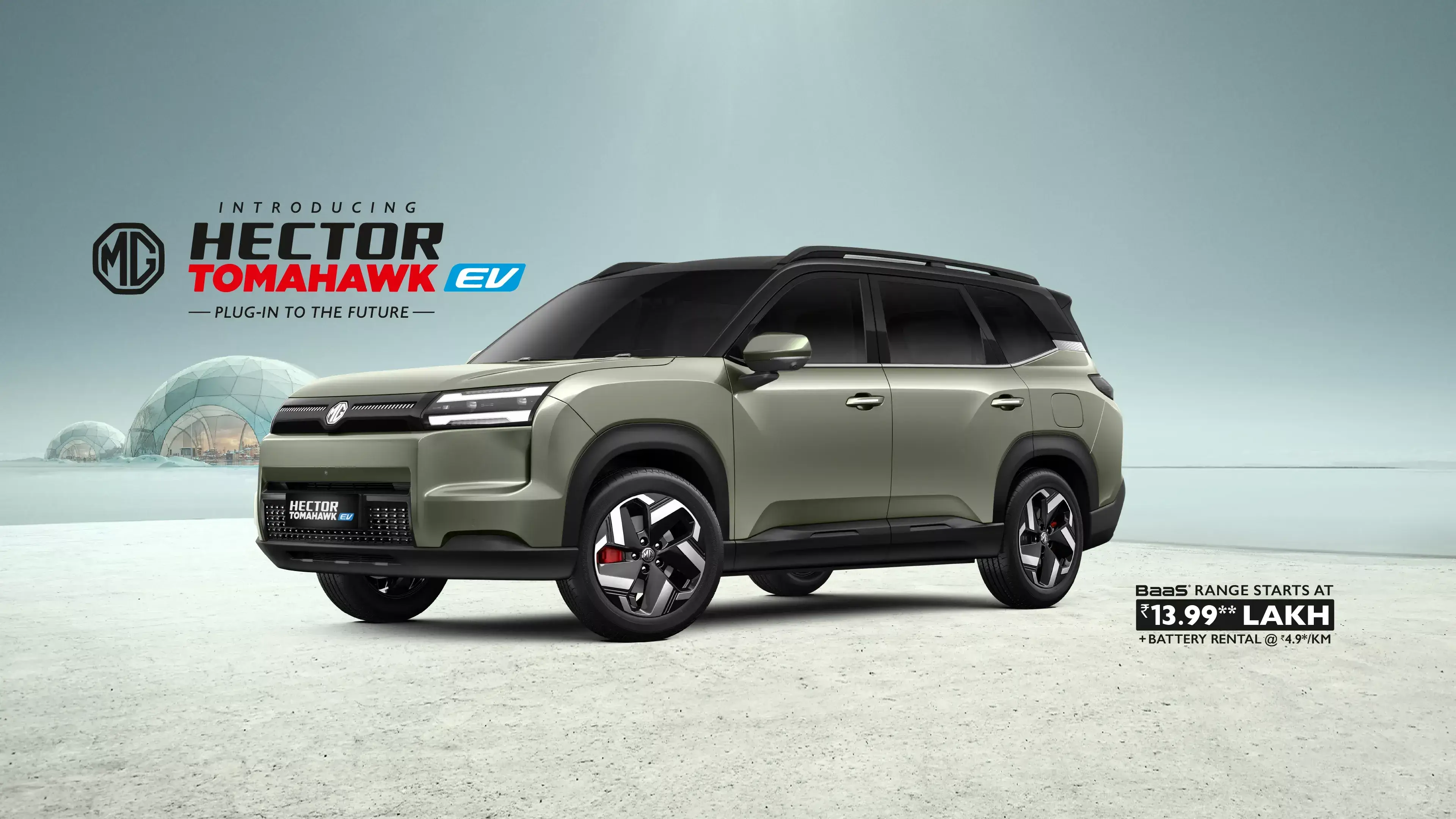
The Tomahawk introduces MG's ADAPT architecture, a platform designed to support four electrified powertrain types, HEV, PHEV, EV and REEV. The Tomahawk currently arrives with EV and PHEV versions, while the same architecture is designed to support self-charging hybrids and range-extender EVs as MG expands the platform.
And that is the real story.
Most car companies are currently placing bets on one particular version of the future.
Some are going all-in on EVs.
Some are betting heavily on strong hybrids.
Some are keeping petrol engines alive while waiting for the market to decide.
MG's approach is different.
It is basically saying:
"Why guess which powertrain will win when one platform can support all of them?"
That is what makes the Hector Tomahawk more important than another new three-row SUV.
1. What is MG ADAPT?
ADAPT stands for Advance Drive Architecture Platform Technology.
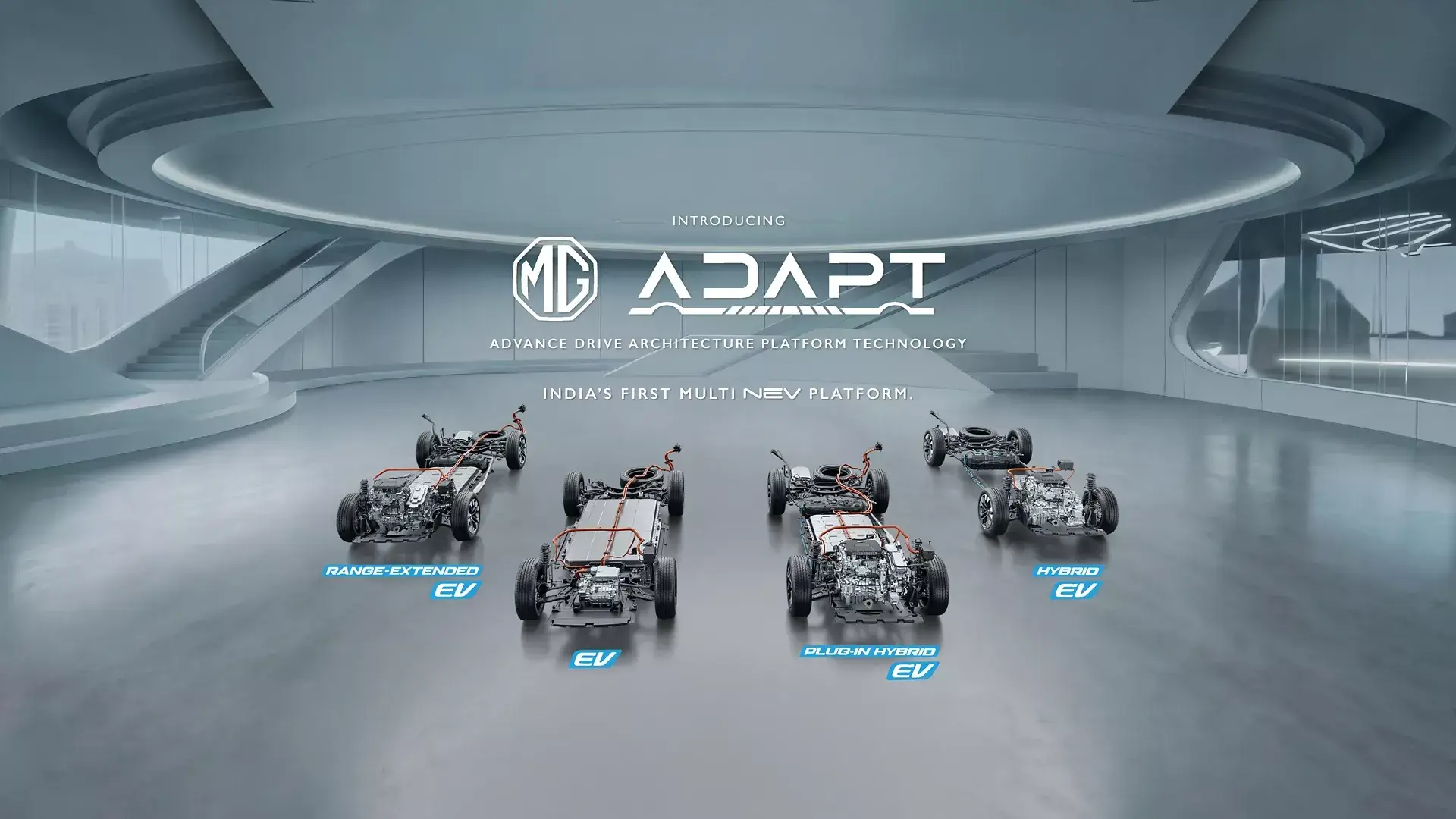
MG calls it India's first Multi New Energy Vehicle, or Multi-NEV, platform. It has been designed to support four different electrified propulsion systems:
HEV, Hybrid Electric Vehicle
PHEV, Plug-in Hybrid Electric Vehicle
EV, Battery Electric Vehicle
REEV, Range Extended Electric Vehicle
MG says these technologies can be supported on a common architecture.
This is where the platform becomes interesting.
Instead of developing four completely different vehicle architectures, MG can use the same basic engineering foundation and adapt the propulsion system according to the product and market requirement.
That gives the company something very valuable in today's uncertain automotive market:
flexibility.
2. ADAPT vs INGLO: Two very different bets
The easiest way to understand MG's strategy is to compare it with Mahindra's INGLO architecture.
Mahindra's INGLO is a dedicated electric vehicle architecture.
MG ADAPT takes a broader route.
|
Architecture |
EV |
HEV |
PHEV |
REEV |
|---|---|---|---|---|
|
MG ADAPT |
Yes |
Yes |
Yes |
Yes |
|
Mahindra INGLO |
Yes |
No |
No |
No |
|
Main philosophy |
Multi-energy |
Dedicated EV | ||
|
Biggest advantage |
Powertrain flexibility |
EV-focused engineering |
The two platforms are therefore solving different problems.
INGLO assumes that the future is electric.
ADAPT assumes that the future will be electrified, but buyers may reach that future through different routes.
And honestly, that may be a safer bet for India.
3. Why does MG need four powertrains?
Because Indian buyers are not moving towards electrification at the same speed.
Consider four different buyers.
Buyer 1: The city commuter
He drives 40 km every day, has a charger at home and rarely takes long highway trips.
For him, an EV makes perfect sense.
No petrol station visits.
Low energy cost.
Silent driving.
Simple daily routine.
Buyer 2: The efficiency-focused family
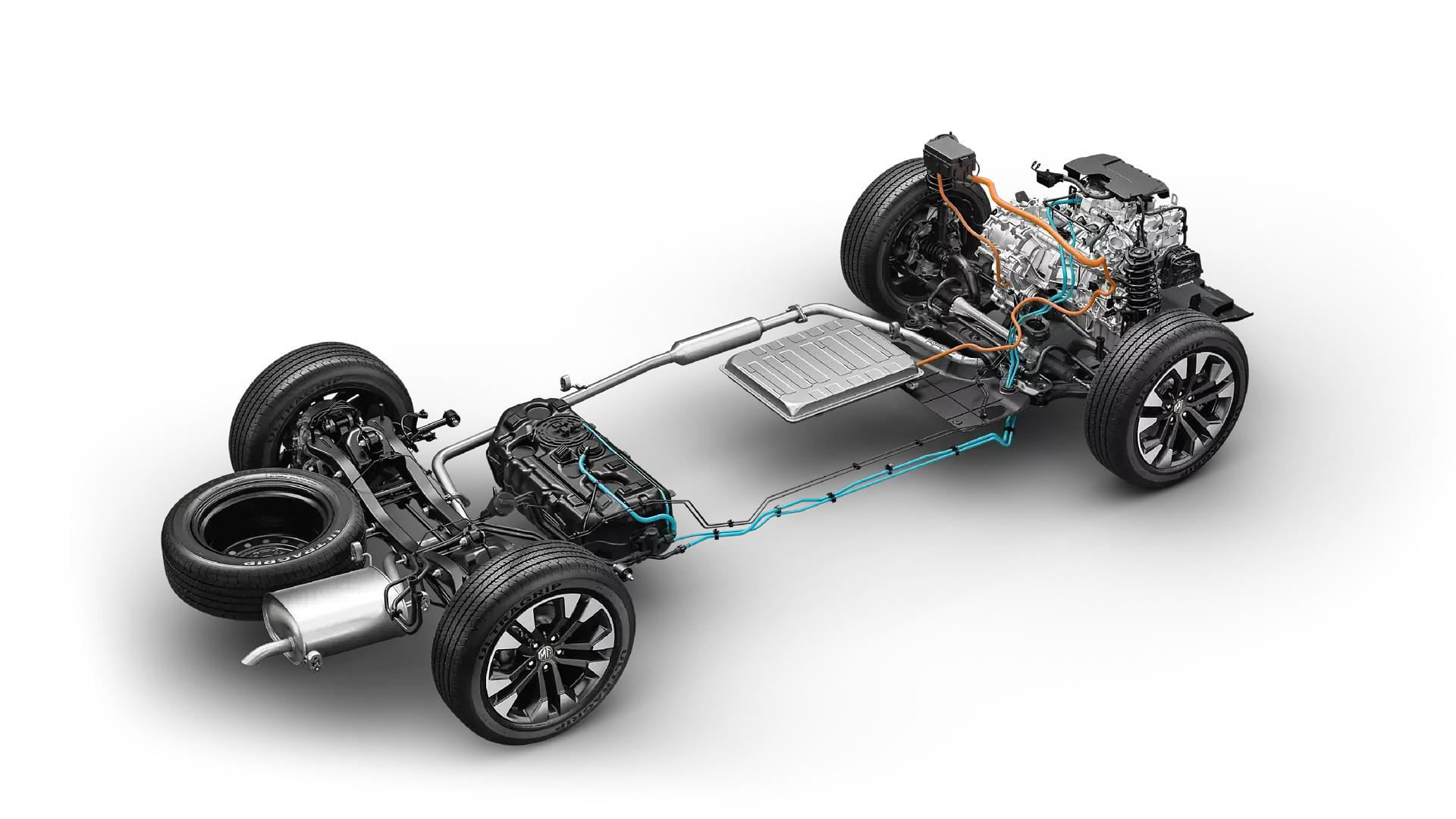
She wants better mileage but does not want to depend on charging.
For her, an HEV could be the sweet spot.
The battery charges through the engine and regenerative braking, so there is no need to plug the vehicle in every night.
Buyer 3: The urban + highway user
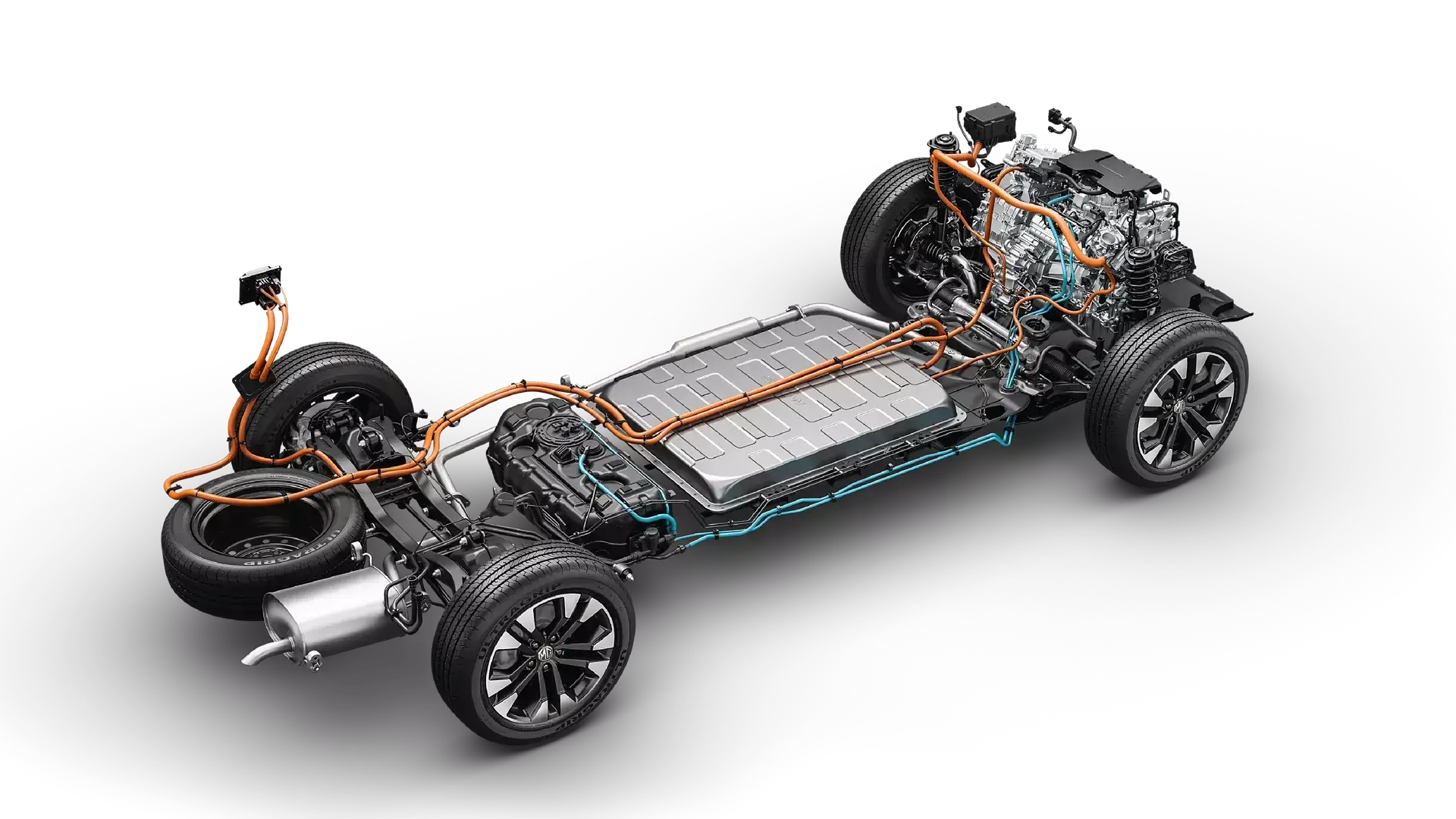
This buyer drives electrically during the week but frequently takes 500 to 800 km road trips.
That is where a PHEV becomes attractive.
Charge at home.
Drive electrically around town.
Use petrol when the highway journey gets serious.
Buyer 4: The EV lover with range anxiety
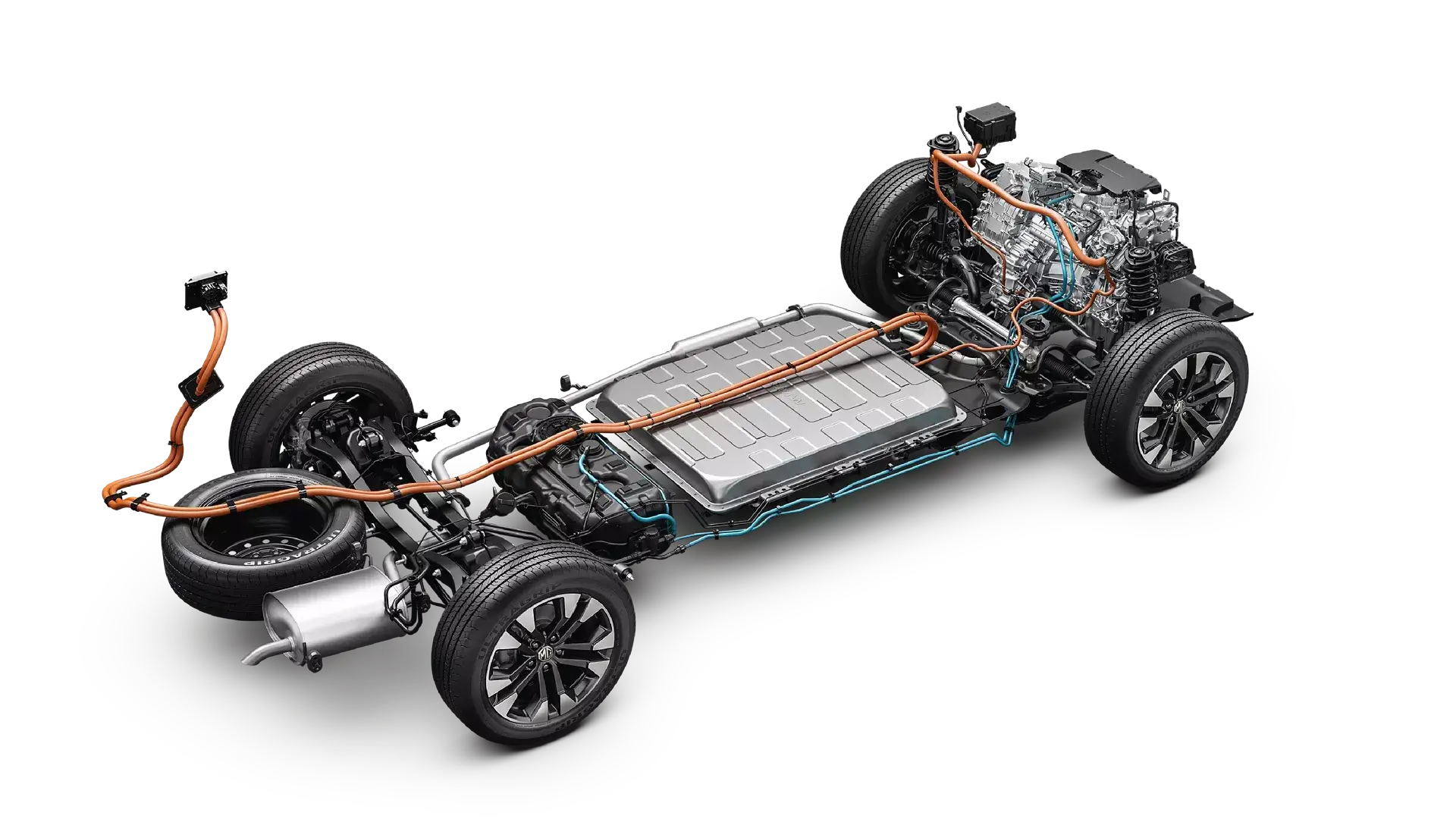
This buyer wants the driving experience of an EV but does not want to stop at chargers on long journeys.
Enter the REEV.
The electric motor drives the wheels, while a petrol engine acts as a generator to produce electricity when the battery needs support. MG specifically describes REEV as an electric-first architecture where the engine does not directly drive the wheels.
That is a very different concept from a conventional hybrid.
4. HEV vs PHEV vs EV vs REEV: What is the actual difference?
This is where things can get confusing.
The four systems may sound like variations of the same idea, but they solve different problems.
|
Powertrain |
How it works |
Charging |
Best suited for |
Rating |
|
HEV |
Petrol engine + electric motor |
No plug required |
Buyers wanting efficiency without charging |
4.5/5 |
|
PHEV |
Large battery + petrol engine + electric motor |
Plug-in + engine |
City EV driving + long highway trips |
5/5 |
|
EV |
Battery + electric motor |
Plug-in |
Home-charging users |
4.5/5 |
|
REEV |
Electric motor drives wheels, petrol engine generates electricity |
Plug-in + engine generator |
EV driving with long-distance backup |
5/5 |
The clever part is that MG is not saying every buyer needs the same technology.
It is creating a platform that can offer different answers.
5. HEV: The easiest transition from petrol
The HEV is probably the least intimidating electrified option for traditional buyers.
You do not have to change your habits.
You do not need a home charger.
You fill petrol and drive.
The electric motor assists the engine, while braking and the engine can recharge the battery.
For someone who lives in a city with poor charging infrastructure, this could still be one of the easiest ways to reduce fuel consumption.
HEV rating: 4.5/5
It is easy to live with, but it cannot provide the same amount of electric-only driving as a PHEV or EV.
6. PHEV: The middle ground India has been waiting for
This is arguably the most interesting technology in the ADAPT family.
The Hector Tomahawk PHEV uses a 20.5 kWh battery and offers more than 115 km of pure electric driving.
MG claims a combined driving range of more than 1,100 km when petrol and electric power are used together.
Think about what that means for a typical family.
Monday to Friday:
Electric.
Weekend trip to another city:
Petrol backup.
No charger on the highway?
Carry on driving.
This is exactly why PHEVs could become important in India.
They reduce the need to choose between electric efficiency and highway freedom.
PHEV rating: 5/5
For someone who can charge at home but frequently travels long distances, this may be the most practical electrified powertrain of the four.
7. EV: The simplest powertrain of the four
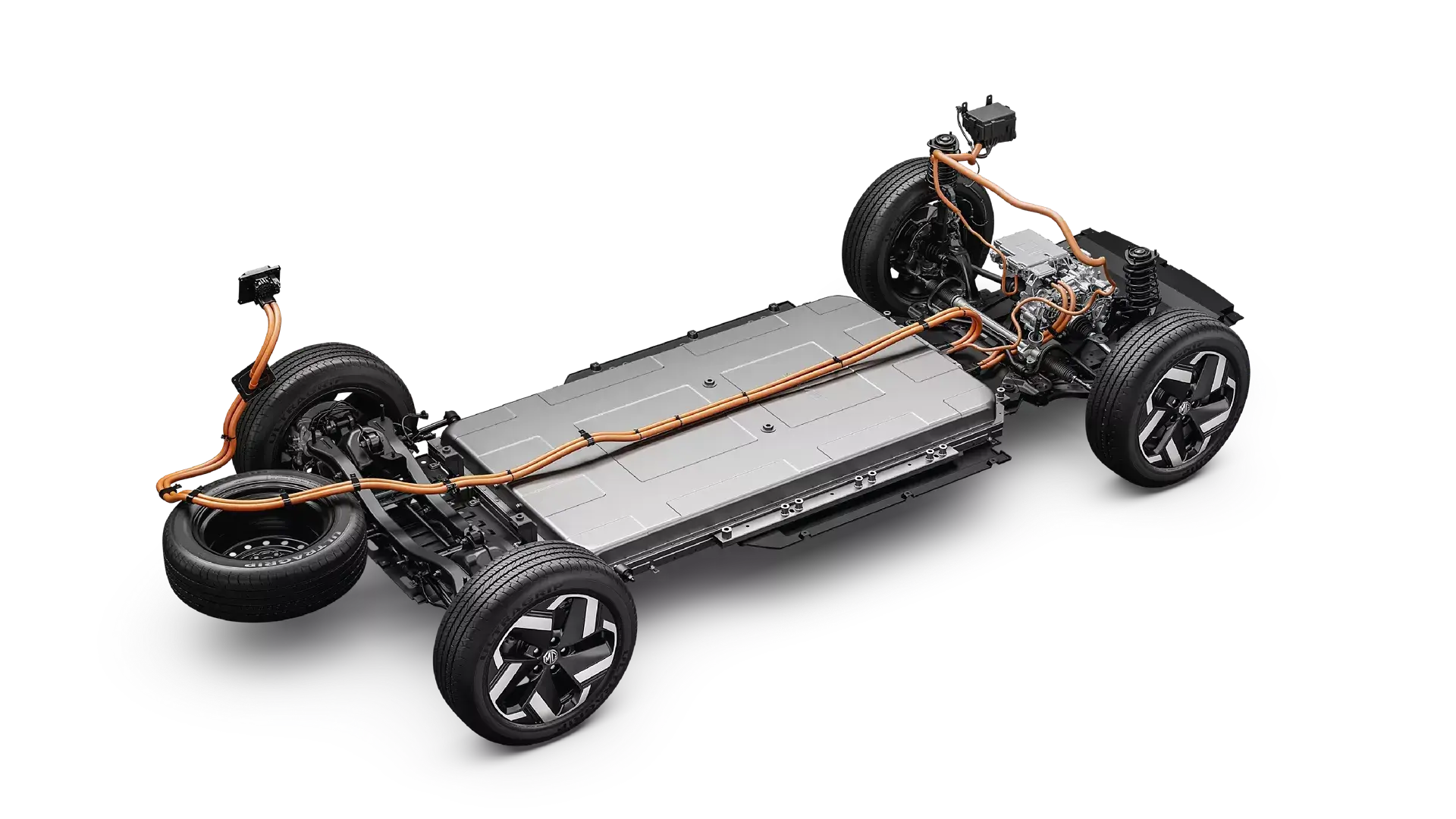
The Hector Tomahawk EV uses a 69.2 kWh battery and offers a claimed range of up to 517 km. MG says the EV supports 90 kW DC charging, with a 30 to 80 percent charging time of around 35 minutes.
The EV has the fewest moving mechanical parts.
There is no petrol engine.
No exhaust system.
No engine oil.
No conventional gearbox in the traditional sense.
For a buyer with home charging, this could be the easiest Tomahawk to live with.
The problem comes when your lifestyle involves frequent long-distance travel through areas where chargers are limited.
EV rating: 4.5/5
Excellent for predictable daily driving, but infrastructure still matters.
8. REEV: The most misunderstood powertrain
The REEV could be the most interesting technology in the entire ADAPT strategy.
A range-extended EV basically asks:
What if the car always drove like an EV, but carried its own electricity generator for long trips?
In an REEV, the electric motor drives the wheels.
The petrol engine acts as a generator.
That means the engine can produce electricity when the battery needs more energy, while the wheels remain driven electrically. MG describes exactly this architecture in its ADAPT platform.
This is different from a normal hybrid.
In a conventional hybrid, the engine can drive the wheels.
In an REEV, the engine's job is mainly to make electricity.
REEV rating: 5/5
On paper, it offers one of the most interesting combinations of EV driving characteristics and long-distance flexibility.
9. The four powertrains explained in one example
Imagine four Tomahawk owners leaving Patna for a 500 km trip.
HEV
The owner fills petrol and drives.
The battery assists the engine and charges itself through the hybrid system.
No charging stop required.
PHEV
The owner starts with a full battery.
The first part of the journey can be electric.
Once the battery is depleted, petrol takes over through the hybrid system.
Electric first, petrol later.
EV
The owner drives entirely on electricity.
The trip depends on the vehicle's range and available fast chargers.
Zero petrol, but charging needs planning.
REEV
The car primarily behaves like an EV.
When the battery needs support, the petrol engine generates electricity.
Electric driving with an onboard generator.
That is the real beauty of ADAPT.
Same broad vehicle architecture.
Four very different ownership experiences.
10. So which powertrain is best?
There is no universal winner.
And that is exactly MG's point.
|
Your usage |
Best powertrain |
Rating |
|
Mostly city, home charging |
EV |
5/5 |
|
City + no home charging |
HEV |
4.5/5 |
|
Daily electric driving + frequent highway trips |
PHEV |
5/5 |
|
Want EV driving with a petrol range backup |
REEV |
5/5 |
|
Very high highway usage |
PHEV / REEV |
5/5 |
|
Want the simplest mechanical setup |
EV |
5/5 |
|
Want minimum lifestyle change |
HEV |
4.5/5 |
The important thing is that ADAPT does not force the buyer to choose one future.
It lets MG offer different versions of that future.
11. Why this could become a serious threat to other SUV makers
This is where the Tomahawk becomes more than an MG product.
A car manufacturer usually has to decide where to invest its engineering money.
EV platform?
Hybrid platform?
Petrol platform?
PHEV?
Range extender?
Each architecture requires engineering, testing, suppliers, manufacturing changes and investment.
MG is trying to reduce that separation by creating one flexible architecture capable of supporting multiple electrified systems.
MG says ADAPT integrates technologies including a dedicated hybrid engine, dedicated battery system, a 10-in-1 intelligent electric drive unit and an electromagnetic dedicated hybrid transmission.
If the architecture works well in the real world, MG can potentially launch different products for different markets without starting from zero every time.
That is the real moat.
12. The biggest advantage is not the battery
People will probably focus on the Tomahawk's range, screens, ADAS and battery size.
Those are important.
But the bigger advantage could be sitting underneath all of them.
MG has built an architecture that can react to changing consumer demand.
Suppose EV adoption suddenly accelerates.
MG can push EV products.
Suppose buyers prefer hybrids because charging remains weak.
MG can push HEVs.
Suppose consumers want electric driving but still fear highway range.
MG can push PHEVs or REEVs.
That flexibility is valuable when nobody knows exactly what India's powertrain mix will look like five or ten years from now.
13. Is MG ADAPT better than a dedicated EV platform?
Not automatically.
A dedicated EV platform can have major advantages.
Engineers can optimise the entire vehicle around a large battery.
There is no need to package a conventional engine.
The floor can be designed around the battery from day one.
So if your only objective is building the best possible EV, a dedicated EV architecture can have advantages.
But that is not what ADAPT is trying to win.
ADAPT is trying to win the transition.
And India's transition will probably be messy.
Some buyers will adopt EVs quickly.
Some will choose hybrids.
Some will want plug-in hybrids.
Some will wait.
MG is basically preparing for all four.
/Xuv 3xo RevX-1.webp)
 1.webp)


