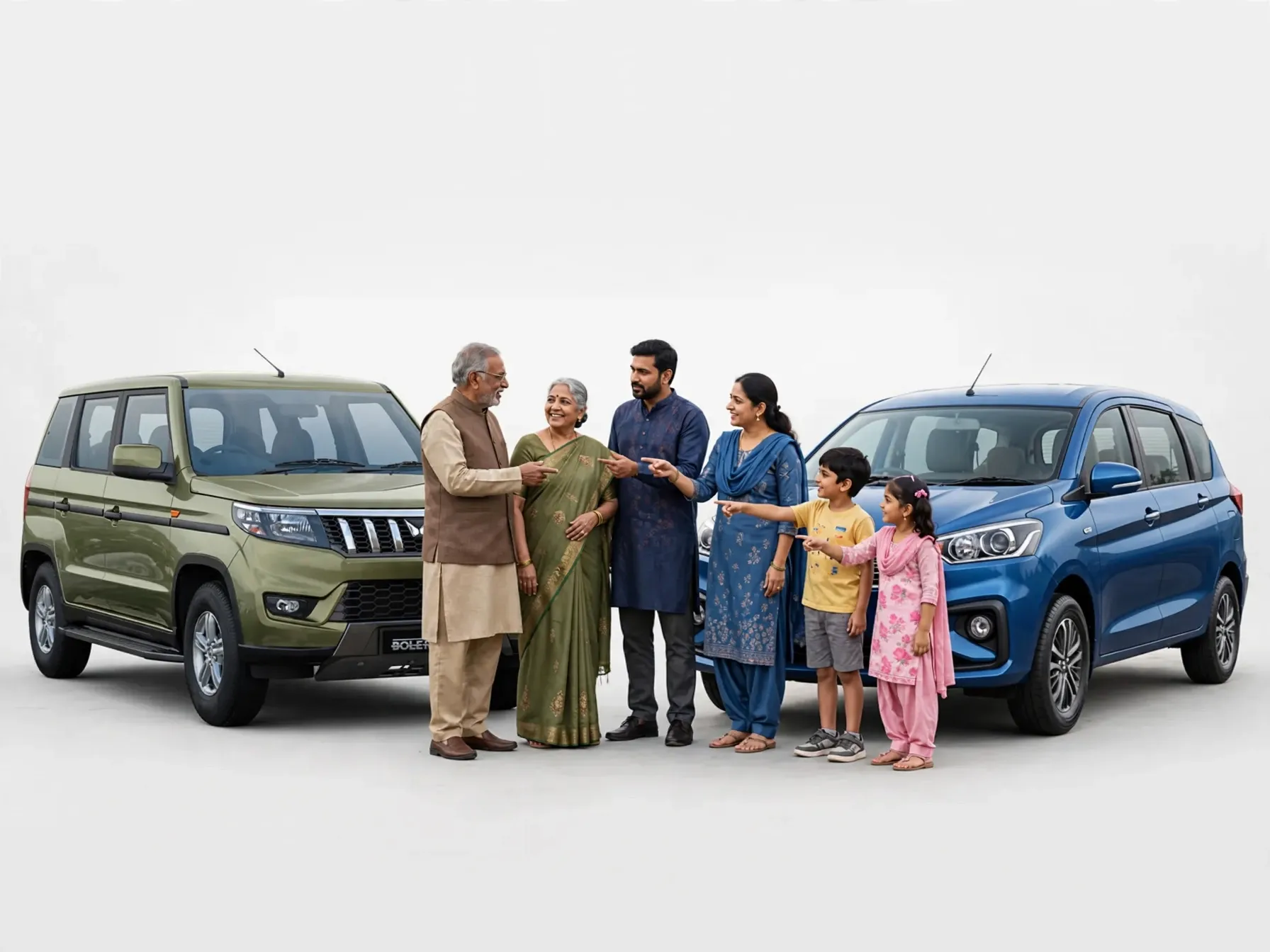


















Renault Triber vs Mahindra Bolero Neo: Which 7-Seater Fits Your Needs?
By Nitesh Yadav • Published on 25 Aug 2026Go for the Renault Triber if you are an urban or semi-urban family that mainly drives on paved roads, wants a practical 7-seater, prefers petrol and v...

Go for the Renault Triber if you are an urban or semi-urban family that mainly drives on paved roads, wants a practical 7-seater, prefers petrol and values easy city driving, flexible seating and a lower purchase price. The important catch is Renault's service reach, the Triber makes more sense when an authorised Renault workshop is reasonably accessible from your home. Go for the Mahindra Bolero Neo if you live in a rural or semi-urban area, regularly deal with broken roads, carry several passengers or heavy loads, and want a tougher diesel-powered vehicle with rear-wheel drive. In short, the Triber is the better family MPV for cities and towns, while the Bolero Neo is the more sensible utility vehicle when road conditions, load carrying and service accessibility matter more than cabin flexibility and refinement.
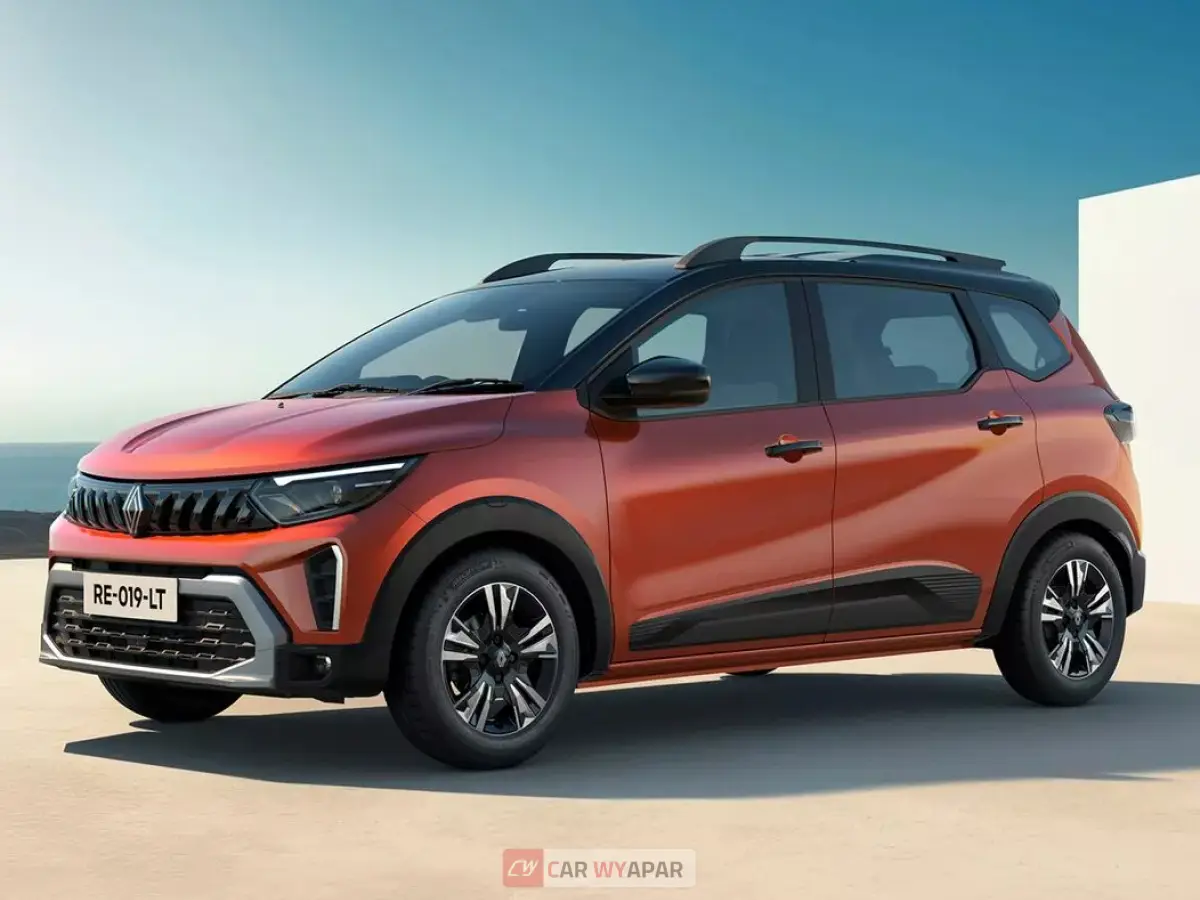
The two cars may sit in the same sub-4-metre tax bracket and offer seven seats, but they are built around very different priorities. The Renault Triber is a lightweight monocoque MPV with front-wheel drive and a 1.0-litre petrol engine. The Mahindra Bolero Neo uses a body-on-frame platform, rear-wheel drive and a 1.5-litre diesel engine producing 260 Nm of torque. That difference matters far more than the fact that both cars can technically carry seven people.
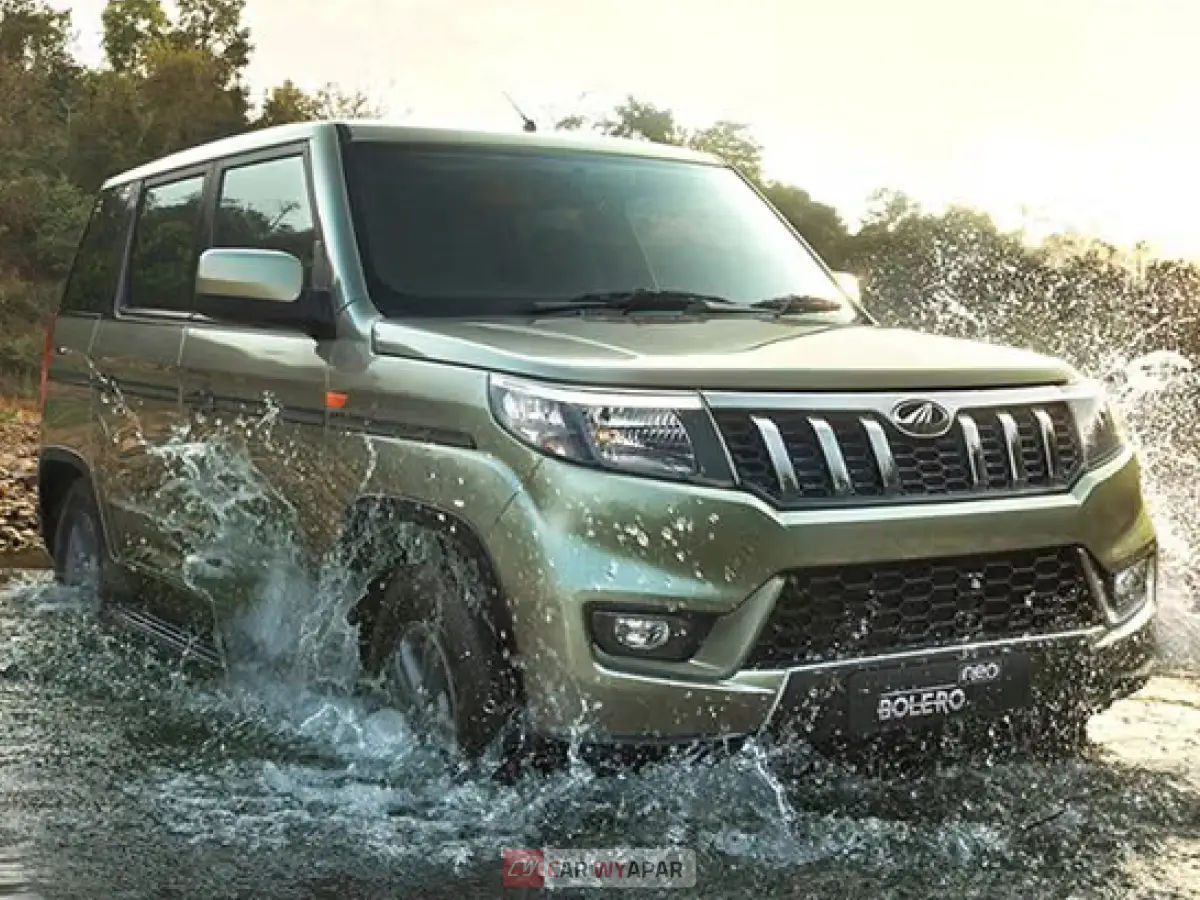
Renault Triber vs Mahindra Bolero Neo: Which One Is For You?
|
Your requirement |
Better choice |
Why |
|---|---|---|
|
Urban family use |
Renault Triber |
Easier to drive, compact and more car-like |
|
Semi-urban use with good roads |
Renault Triber |
Better family comfort and seating flexibility |
|
Rural roads |
Bolero Neo |
Tougher chassis and RWD |
|
Very poor roads |
Bolero Neo |
Better suited to rough-road punishment |
|
Frequent heavy loads |
Bolero Neo |
260 Nm diesel torque and rugged construction |
|
Maximum seating flexibility |
Triber |
Removable and configurable third row |
|
Automatic transmission |
Triber |
5-speed AMT available |
|
Diesel torque |
Bolero Neo |
1.5L diesel with 260 Nm |
|
Renault service centre nearby |
Triber |
Easier ownership support |
|
Limited access to Renault service |
Bolero Neo |
Mahindra's wider rural presence can be a practical advantage |
|
Lower entry price |
Triber |
Significantly cheaper starting price |
|
Family-oriented features |
Triber |
More comfort and convenience features |
|
Utility-focused ownership |
Bolero Neo |
Built around durability and load carrying |
Renault Triber: Who Should Buy It?
The Renault Triber is primarily a city and town family car, despite its seven-seat configuration.
It makes the most sense for a family living in Patna, Lucknow, Delhi NCR, Jaipur, Pune, Bengaluru or another city or large town where Renault's authorised service network is easily accessible. The same applies to semi-urban buyers who have reasonably good roads and a Renault workshop within practical travelling distance.
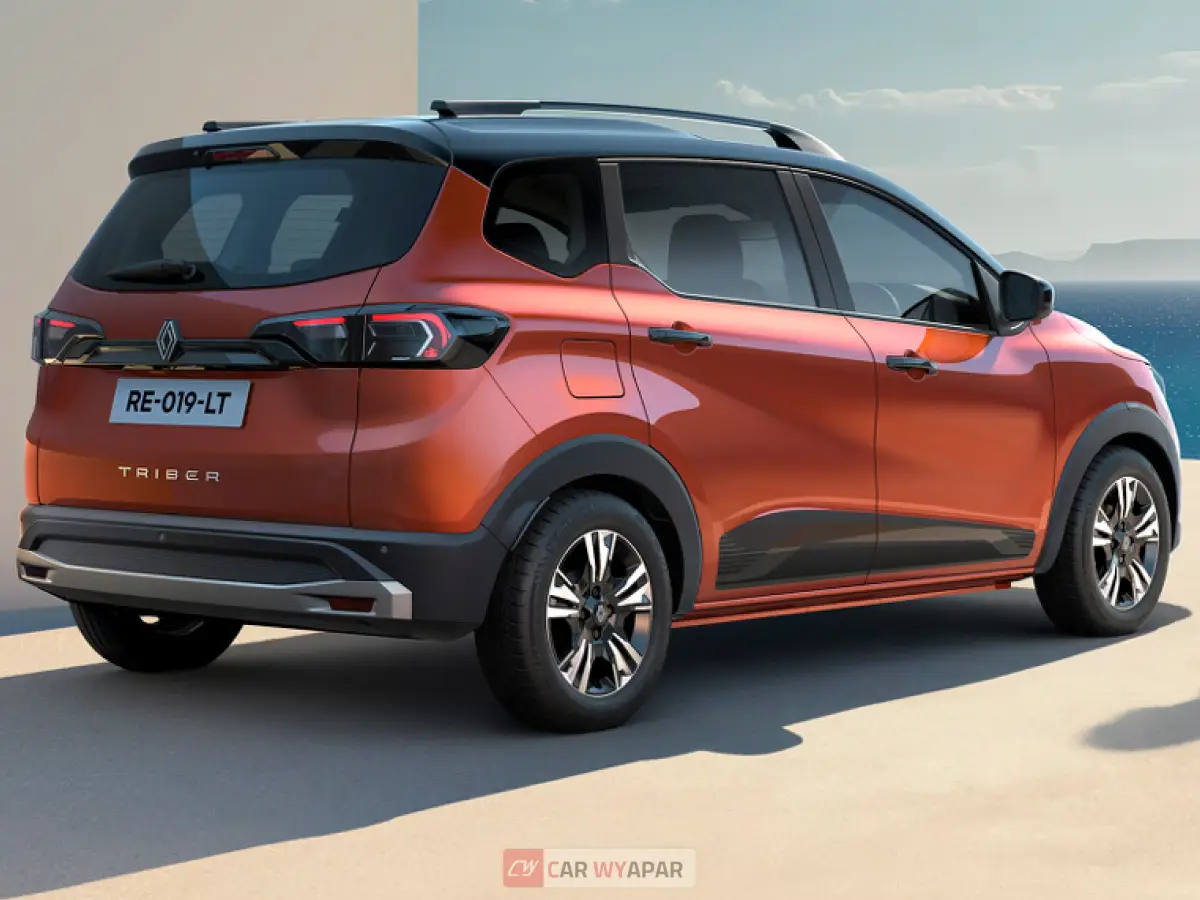
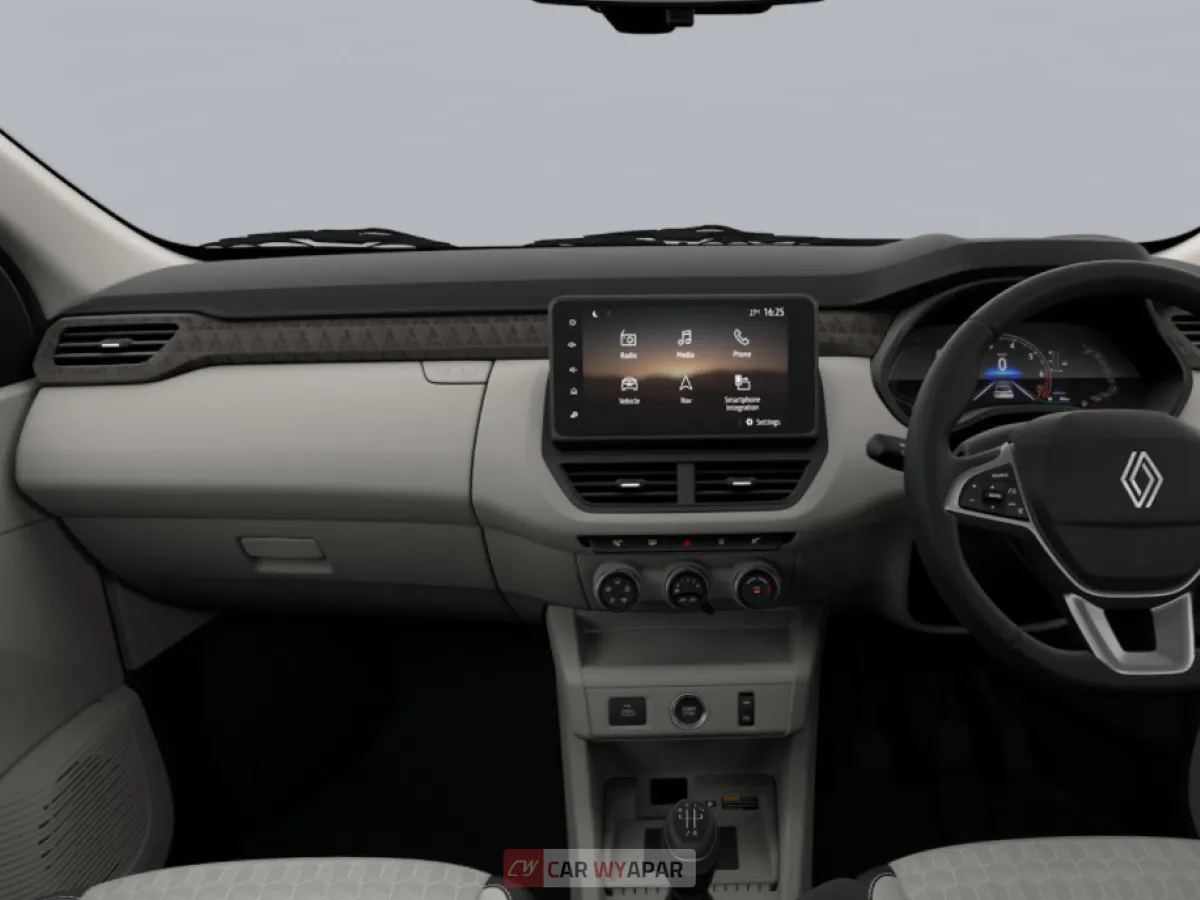
Its biggest advantage is that it gives you the flexibility of a seven-seater without behaving like a traditional large SUV.
The Triber's 3,985 mm length makes it relatively easy to park and manoeuvre in crowded streets. Its front-wheel-drive layout and monocoque construction also give it a more familiar car-like driving experience.
Then there is the seating system.
The third-row seats can be removed, allowing the Triber to switch between passenger and luggage duty. Renault lists 84 litres of luggage space with all seven seats occupied, 625 litres with the third row removed and up to 1,065 litres with the rear seats folded.
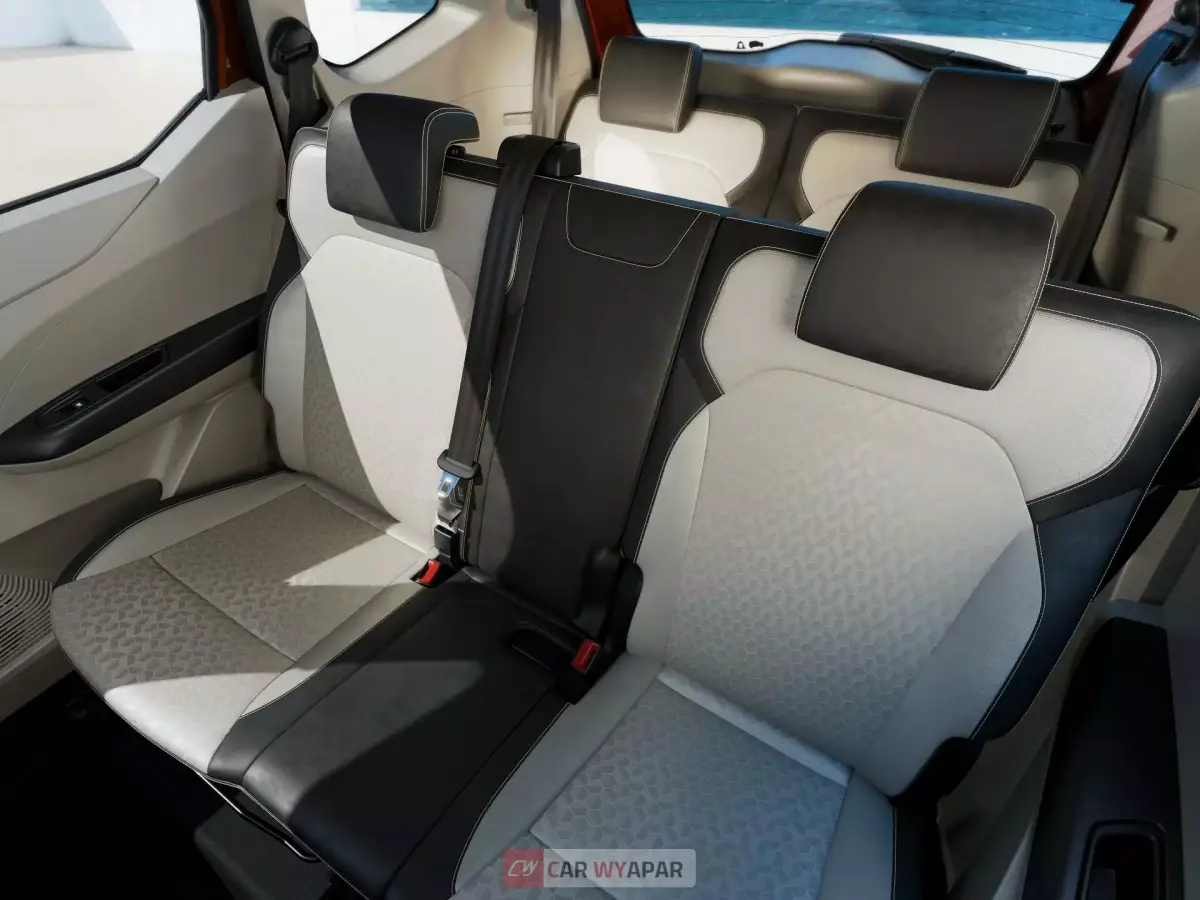
That makes the Triber particularly useful for a family that needs seven seats occasionally rather than every single day.
Choose the Triber if:
You primarily drive in cities and towns.
Most of your roads are paved.
You need seven seats occasionally.
You frequently switch between passengers and luggage.
You want petrol rather than diesel.
You want an automatic option.
You prefer lighter controls and easier manoeuvrability.
A Renault service centre is easily accessible.
You prioritise family comfort over ruggedness.
Your usage does not involve frequent heavy loads or severe roads.
Mahindra Bolero Neo: Who Should Buy It?
The Mahindra Bolero Neo makes more sense for rural and semi-urban buyers whose roads are part of the ownership equation.
If your daily route includes broken village roads, deep potholes, loose surfaces, steep sections or badly maintained roads, the Bolero Neo's mechanical layout becomes a major advantage.
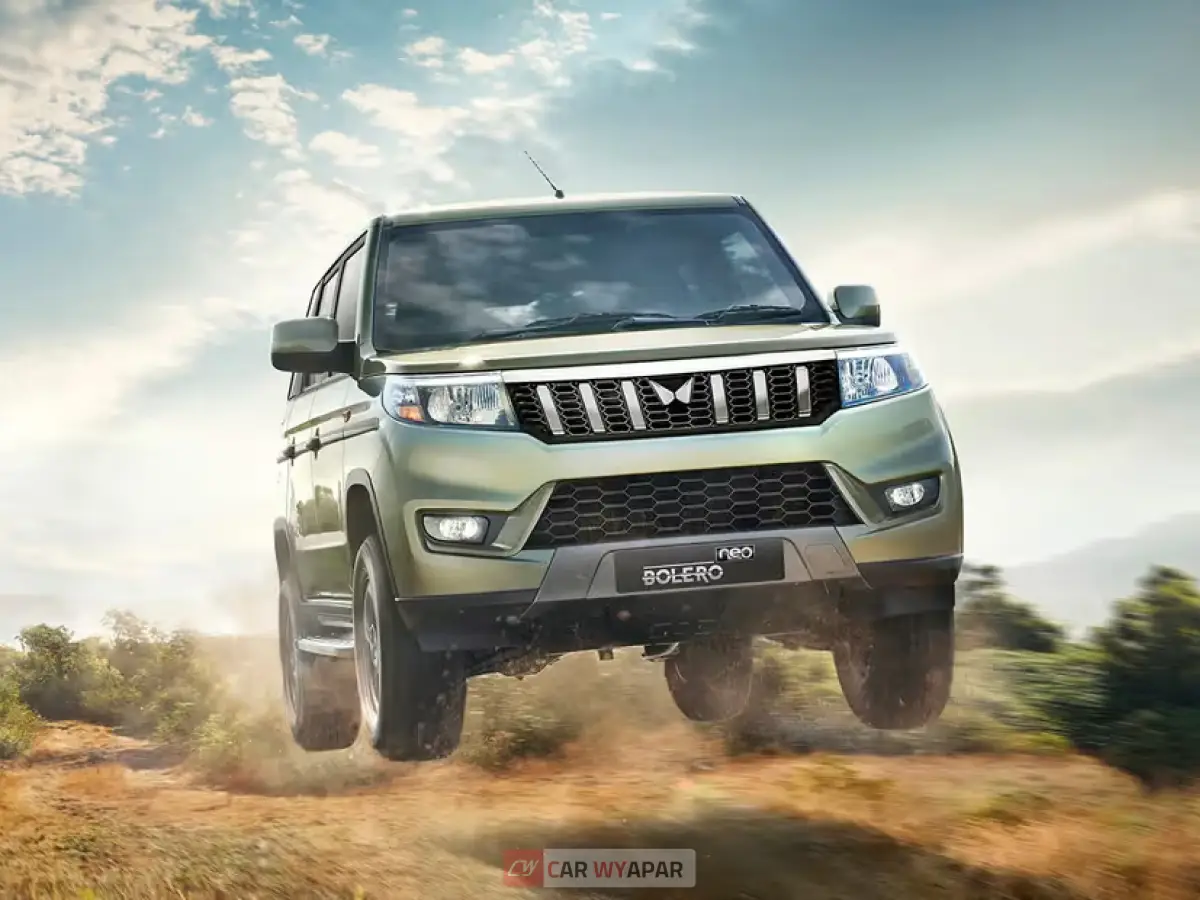
It uses a body-on-frame chassis and rear-wheel drive, a combination that gives it a much more traditional utility-SUV character.
Its 1.5-litre mHawk diesel engine produces 100 PS and 260 Nm, giving it considerably more torque than the Triber's 1.0-litre petrol engine. That difference becomes particularly useful when the vehicle is loaded with passengers, luggage or equipment.
The Bolero Neo also offers Multi-Terrain Technology on the N10(O), which can improve traction when one rear wheel loses grip on difficult surfaces.
This is the type of vehicle where the question is less about how polished the cabin feels and more about whether the vehicle can keep doing its job when the road stops cooperating.
Choose the Bolero Neo if:
You live in a rural or semi-urban area.
Your roads are frequently damaged or unpaved.
You regularly carry five to seven people.
You carry agricultural, business or household loads.
You need strong low-end torque.
You prefer diesel for heavy-duty usage.
You want rear-wheel drive.
You expect the vehicle to face frequent abuse.
Mahindra service support is easier to access in your area.
Durability and road capability matter more than cabin flexibility.
Triber vs Bolero Neo: The Biggest Difference Is Not the Engine
It is tempting to reduce this comparison to petrol versus diesel, but that misses the real point.
The bigger difference is MPV versus utility SUV.
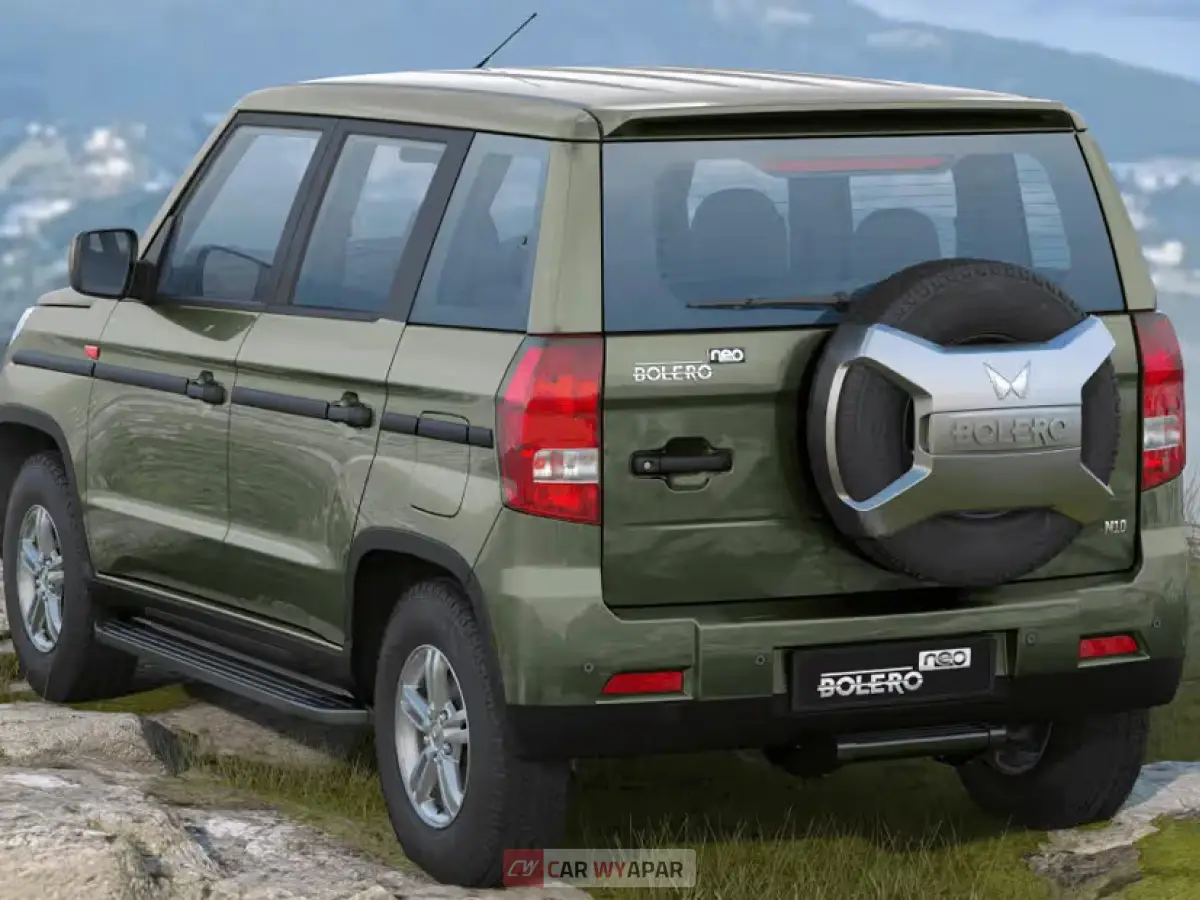
The Triber's monocoque construction integrates the body and chassis into one structure. This helps keep the vehicle relatively light and gives it more car-like road manners.
The Bolero Neo's body-on-frame construction separates the body from the chassis. It is a more traditional approach for vehicles designed around durability, rough-road use and utility.
That is why the Bolero Neo can feel more at home on a bad road, while the Triber feels more at home in a crowded city.
Engine and Performance
|
Specification |
Renault Triber |
Mahindra Bolero Neo |
|
Engine |
1.0L petrol |
1.5L diesel |
|
Cylinders |
3 |
3 |
|
Power |
72 PS |
Around 100 PS |
|
Torque |
96 Nm |
260 Nm |
|
Drive |
FWD |
RWD |
|
Manual |
5-speed |
5-speed |
|
Automatic |
5-speed AMT |
Not available |
The Bolero Neo wins easily on torque.
Its 260 Nm output is almost three times the Triber's 96 Nm. That does not automatically make it the better family car, but it does make it better suited to heavy loads, gradients and rough-road driving.
The Triber's advantage is its lighter, simpler urban character.
Seating: Seven Seats, Two Very Different Ideas
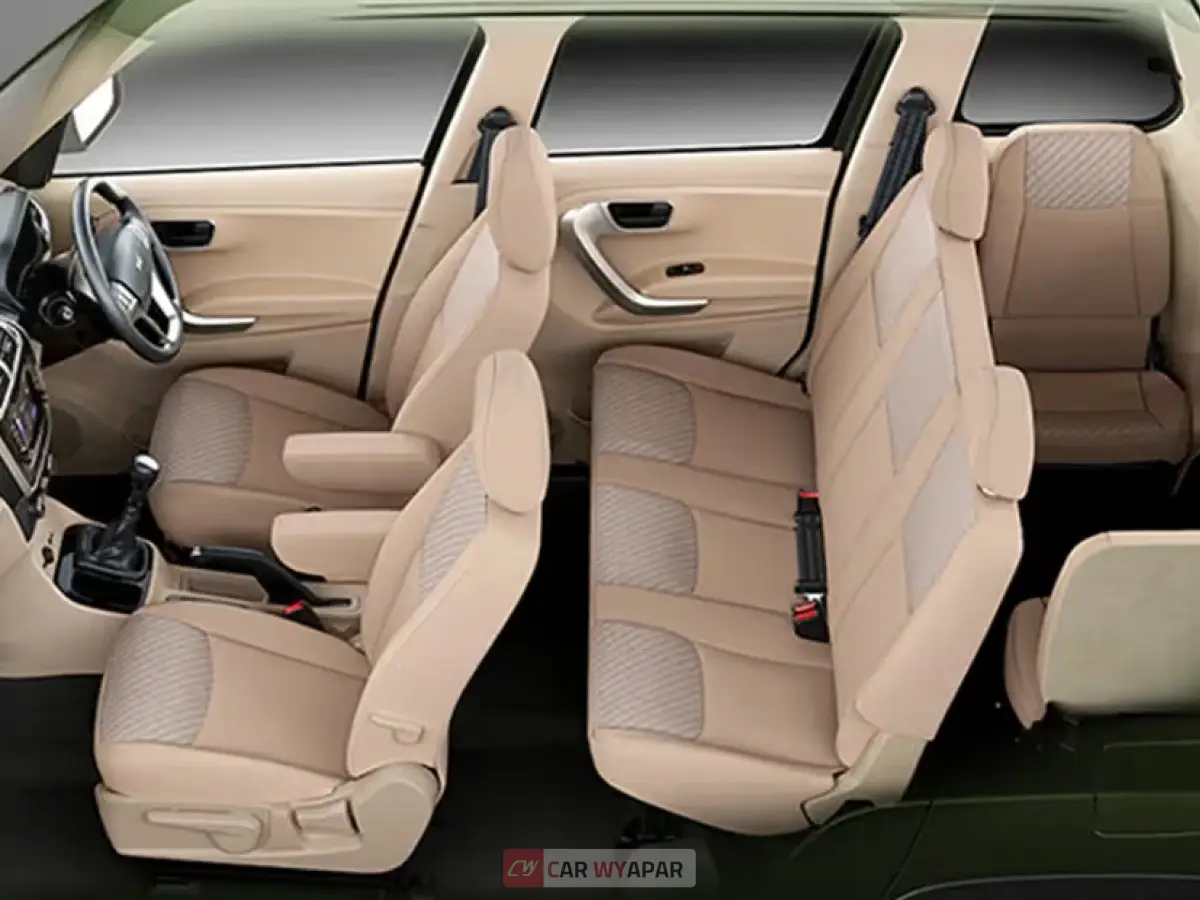
The Triber treats its third row as a flexible part of the cabin.
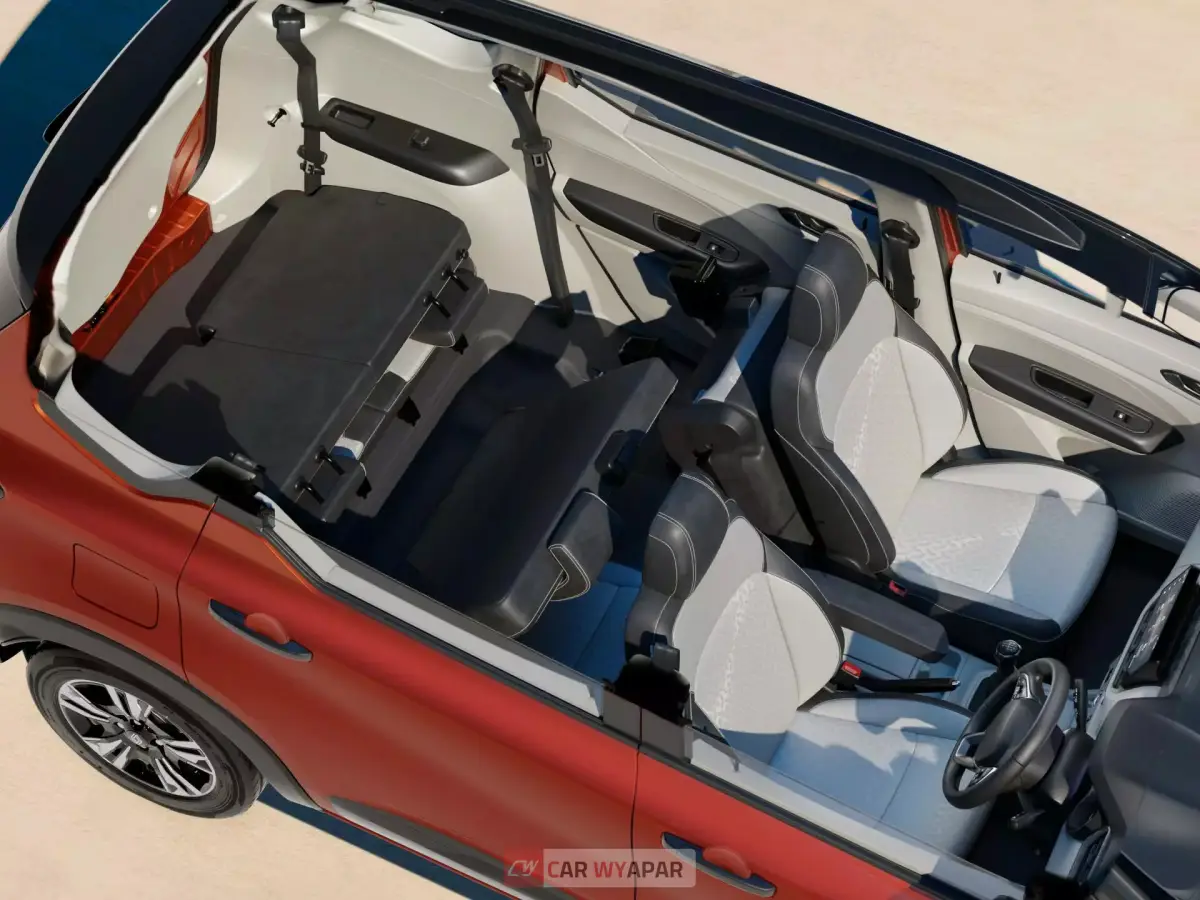
You can remove the third-row seats when you need luggage space. This is useful for families that may carry seven people on weekends but need a large luggage area during normal weekday use.
The Bolero Neo takes a more traditional approach with a 5+2 seating layout.
Its third row is useful, but the vehicle is fundamentally designed around utility rather than maximum cabin flexibility.
So if your question is "Which one is better for a family?", the answer is the Triber.
If your question is "Which one is better for carrying people and loads over difficult roads?", the answer moves towards the Bolero Neo.
Service Network Should Influence Your Decision
This point is easy to ignore during a showroom visit and painful to remember when the car needs work.
For the Triber, service accessibility should be part of your buying decision.
If you live in a city with Renault workshops nearby, regular servicing and warranty support are much easier to manage.
But if you live in a remote rural location where reaching a Renault workshop means travelling a long distance, the Triber becomes less attractive even if the car itself suits your requirements.
The Bolero Neo benefits from Mahindra's strong presence in smaller towns and rural markets. For buyers outside major cities, local service availability can be more important than a feature list.
Before buying either vehicle, check the actual workshop distance from your home, not just whether the manufacturer has a dealership somewhere in your district.
Safety and Features
The Triber has the stronger family-oriented feature package, particularly on higher variants.
Depending on the variant, it offers features such as a touchscreen infotainment system, rear camera, cruise control, automatic climate control and up to six airbags.
The Bolero Neo focuses more on essential equipment and utility. Higher variants add touchscreen infotainment, cruise control, a rear camera and Multi-Terrain Technology.
For a family that spends most of its time on normal roads, the Triber's equipment list is more appealing.
For a buyer who spends more time worrying about road conditions than touchscreen size, the Bolero Neo's mechanical advantages matter more.
Which Is Better for Rural Areas?
Mahindra Bolero Neo.
This is probably the clearest decision in the entire comparison.
If your village or semi-urban area has poor roads, frequent potholes, unpaved stretches and heavy passenger usage, the Bolero Neo's diesel engine, rear-wheel drive and body-on-frame construction make more sense.
The Triber can handle normal bad roads, but buying it specifically for severe rural usage defeats the purpose of its design.
Which Is Better for City Families?
Renault Triber.
For an urban family, the Triber's compact dimensions, flexible seating, petrol engine, AMT option and family-oriented features are more useful than the Bolero Neo's rugged construction.
You are unlikely to benefit every day from a body-on-frame chassis and 260 Nm of diesel torque while crawling through city traffic.
You will, however, benefit from easy parking, flexible seating and a compact footprint.