






















Porsche Cayenne Electric: Range, Charging Speed, and Performance Specs
By Eram Warsi • Published on 30 Sept 2026Porsche has launched the Cayenne Electric in India, bringing its popular luxury SUV into the electric era. The new electric SUV is available in Cayenn...
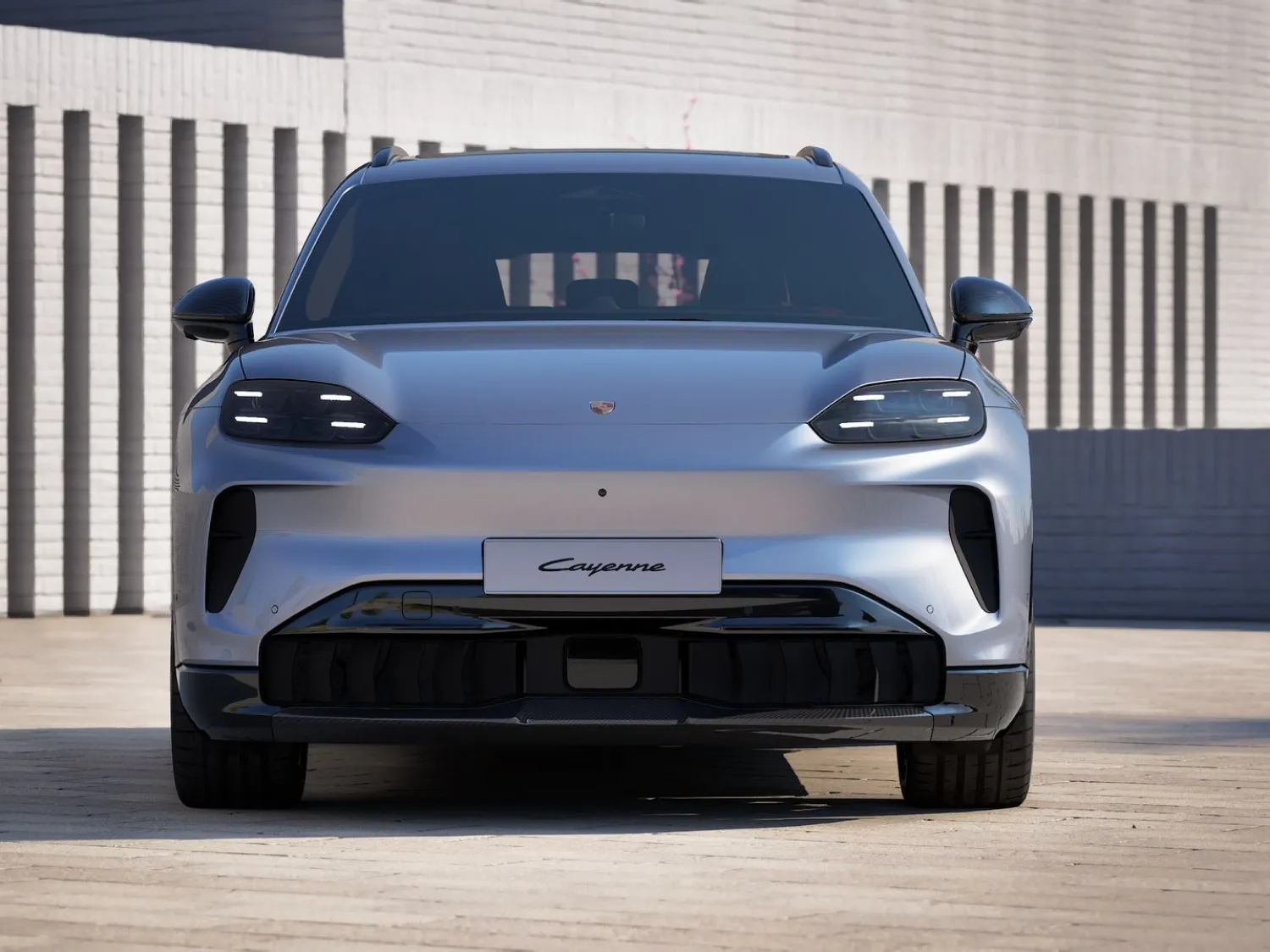
Porsche has launched the Cayenne Electric in India, bringing its popular luxury SUV into the electric era. The new electric SUV is available in Cayenne Electric and Cayenne Turbo Electric versions, priced from ₹1.77 crore to ₹2.28 crore, ex-showroom. The Cayenne Electric gets a 113 kWh battery, dual-motor all-wheel drive and a claimed range of up to 642 km, while the Turbo Electric produces a massive 1,156 PS and can sprint from 0 to 100 km/h in just 2.5 seconds. Both versions support up to around 400 kW DC fast charging, allowing a 10% to 80% charge in about 16 minutes under suitable charging conditions.
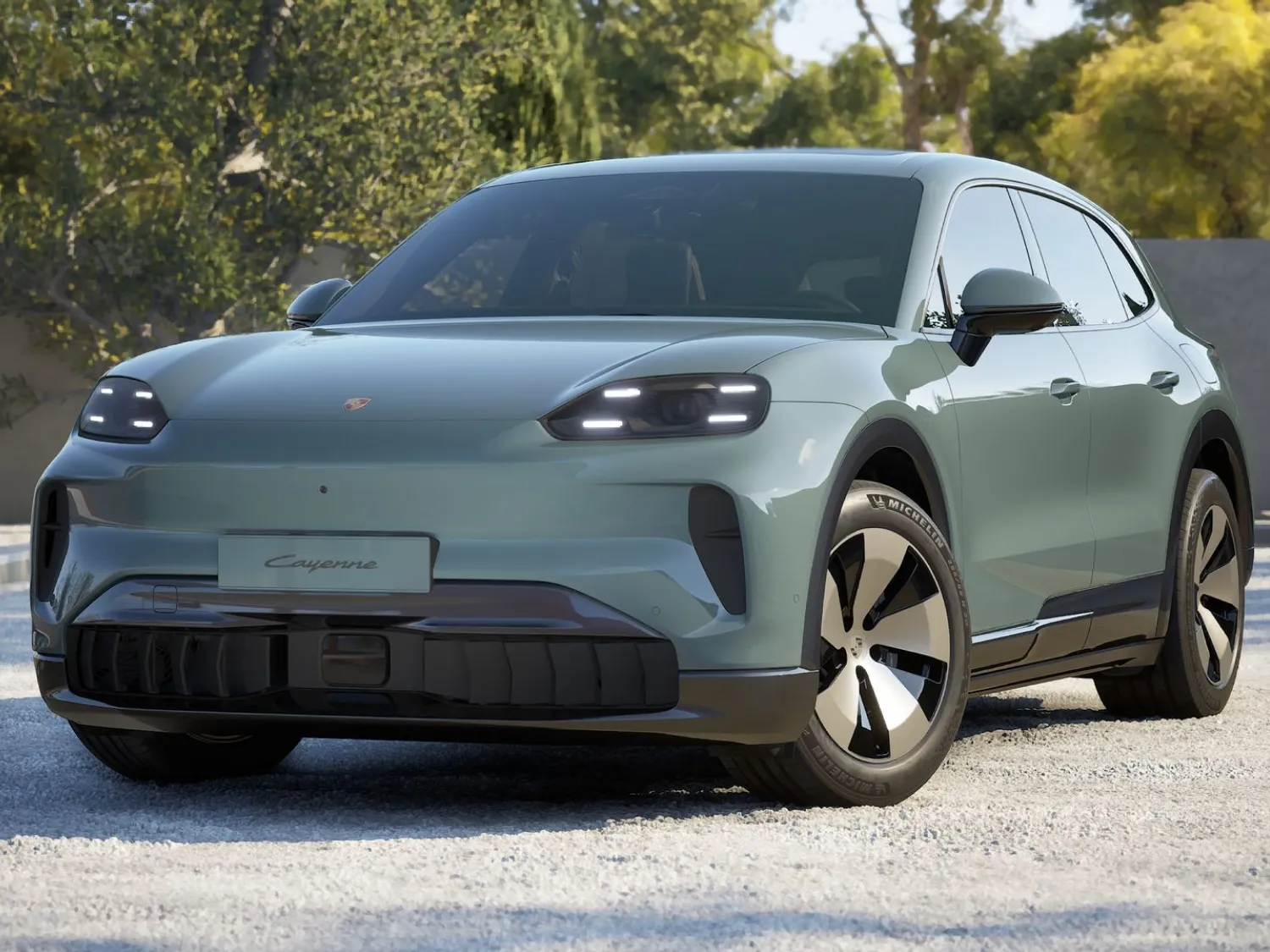
The electric Cayenne is clearly aimed at buyers who want the comfort and practicality of a large luxury SUV without giving up Porsche performance.
Porsche Cayenne Electric Price in India
The Porsche Cayenne Electric is positioned well into the luxury performance SUV segment.
|
Variant |
Ex-showroom price |
|---|---|
|
Porsche Cayenne Electric |
₹1.77 Crore |
|
Porsche Cayenne Turbo Electric |
₹2.28 Crore |
The price difference between the two versions is significant, but so is the jump in performance. The Turbo Electric is built for buyers who want supercar-like acceleration from a large SUV.
Porsche Cayenne Electric Range
The standard Porsche Cayenne Electric offers a claimed WLTP range of up to 642 km on a full charge.
The more powerful Cayenne Turbo Electric has a claimed range of up to 623 km.
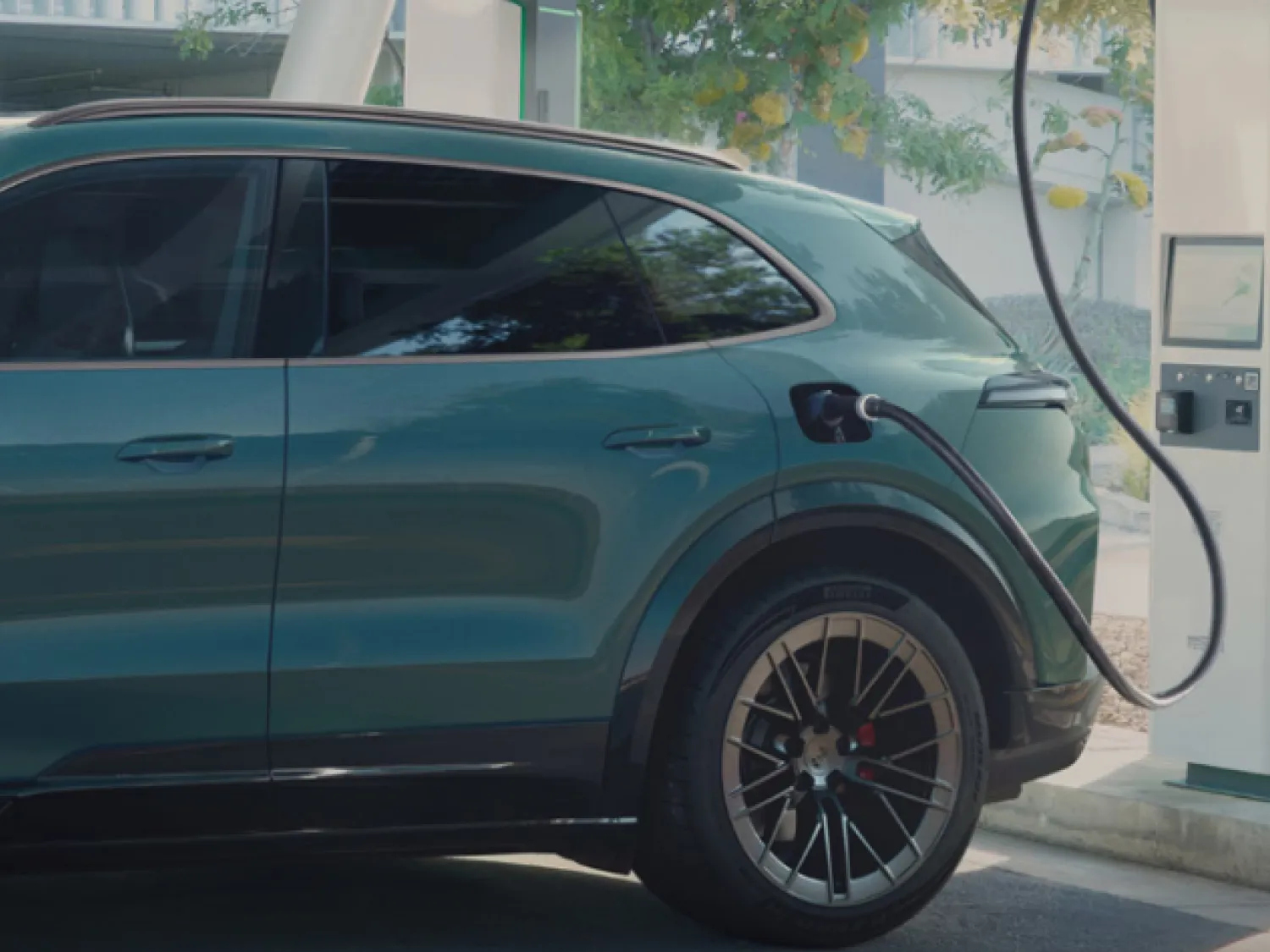
That small difference is worth noting. The Turbo has considerably more power, but Porsche has still managed to keep its claimed range above 600 km.
Of course, real-world range will depend on factors such as driving speed, temperature, road conditions, tyre choice and how often you use the car's performance.
Porsche Cayenne Electric Battery and Charging
Both versions use a large 113 kWh battery pack and an 800-volt electrical architecture.
The headline figure here is charging speed. The Cayenne Electric can accept up to around 390 to 400 kW of DC charging power, with Porsche claiming a 10% to 80% charging time of around 16 minutes when connected to a sufficiently powerful charging station.
That means the Cayenne Electric does not need to spend a long time sitting at a fast charger during a road trip.
It also supports 11 kW AC charging for home charging, while higher-powered AC charging support is available in select markets and configurations.
Porsche Cayenne Electric Performance
The standard Cayenne Electric already has enough performance to make most SUVs look rather ordinary.
It produces up to 442 PS and 835 Nm, uses dual electric motors and sends power to all four wheels. Porsche claims a 0 to 100 km/h time of 4.8 seconds, with a top speed of 230 km/h.
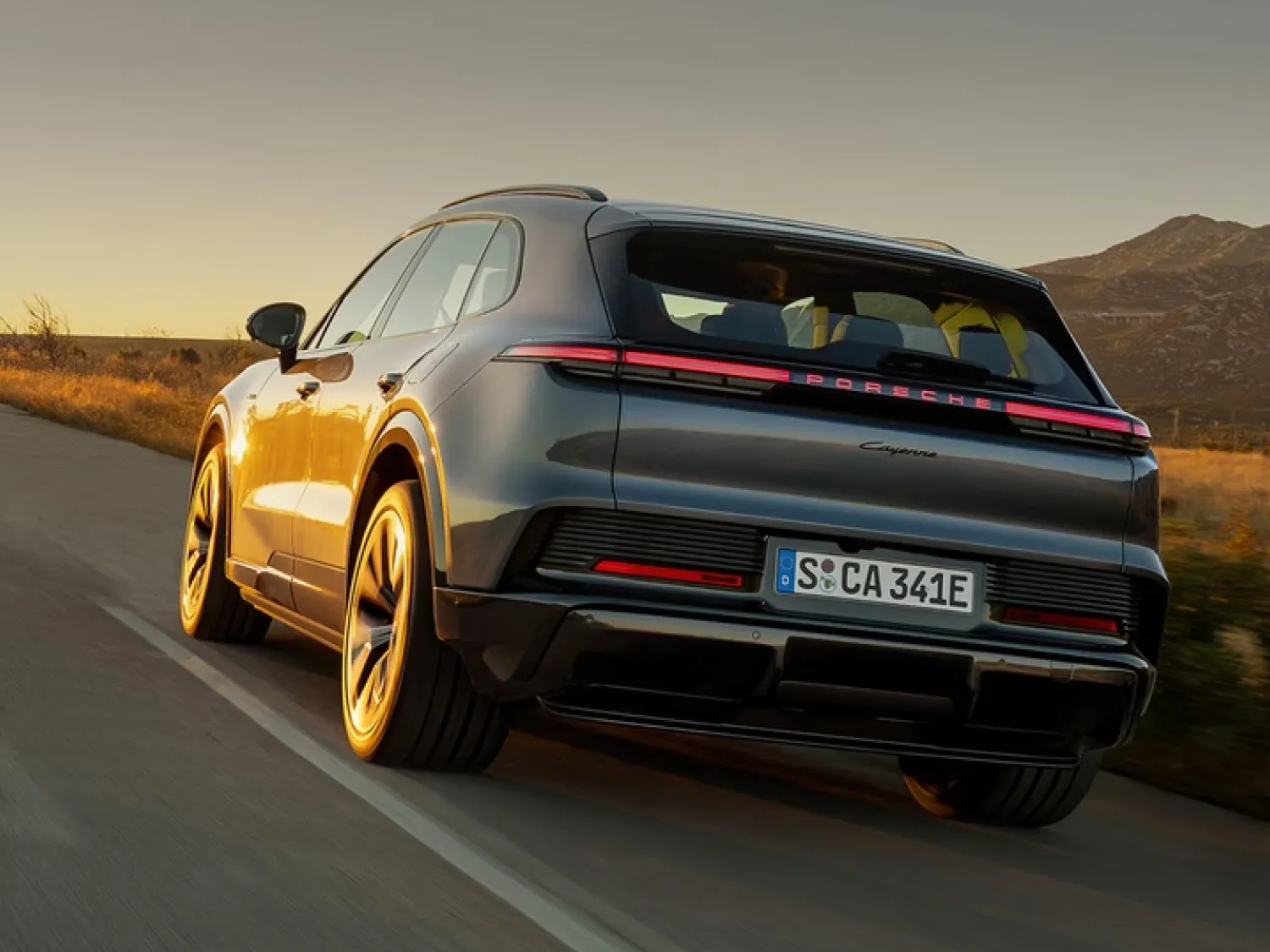
Then there is the Cayenne Turbo Electric.
It produces up to 1,156 PS and 1,500 Nm, allowing it to accelerate from 0 to 100 km/h in just 2.5 seconds. Its top speed is rated at 260 km/h.
For perspective, this is a large luxury SUV that can accelerate like a serious performance car.
Porsche Cayenne Electric vs Cayenne Turbo Electric
|
Specification |
Cayenne Electric |
Cayenne Turbo Electric |
|---|---|---|
|
Battery |
113 kWh |
113 kWh |
|
Drive |
Dual-motor AWD |
Dual-motor AWD |
|
Power |
442 PS |
1,156 PS |
|
Torque |
835 Nm |
1,500 Nm |
|
0-100 km/h |
4.8 seconds |
2.5 seconds |
|
Top speed |
230 km/h |
260 km/h |
|
WLTP range |
Up to 642 km |
Up to 623 km |
|
DC charging |
Up to 400 kW |
Up to 400 kW |
|
10-80% charging |
Around 16 minutes |
Around 16 minutes |
What Makes the Porsche Cayenne Electric Different?
The Cayenne Electric is not relying on a huge battery and electric motors alone to justify its price. Porsche has loaded it with technology aimed at improving both performance and everyday usability.
1. 800V Electrical Architecture
The 800V system allows the Cayenne Electric to handle very high charging power while keeping current levels lower than an equivalent 400V system.
In simple terms, it helps Porsche push a lot of electricity into the battery without turning fast charging into a massive thermal-management problem.
2. Up to 400 kW DC Charging
The ability to accept up to around 400 kW of DC charging is one of the Cayenne Electric's biggest numbers.
With a compatible high-power charger, Porsche claims the battery can go from 10% to 80% in approximately 16 minutes.
The catch is simple: the charging station also needs to support the required power. A 400 kW-capable car cannot magically turn a 100 kW charger into a 400 kW charger.
3. Rear-Axle Steering
The Cayenne Electric can be equipped with rear-axle steering, with the rear wheels turning by up to 5 degrees.
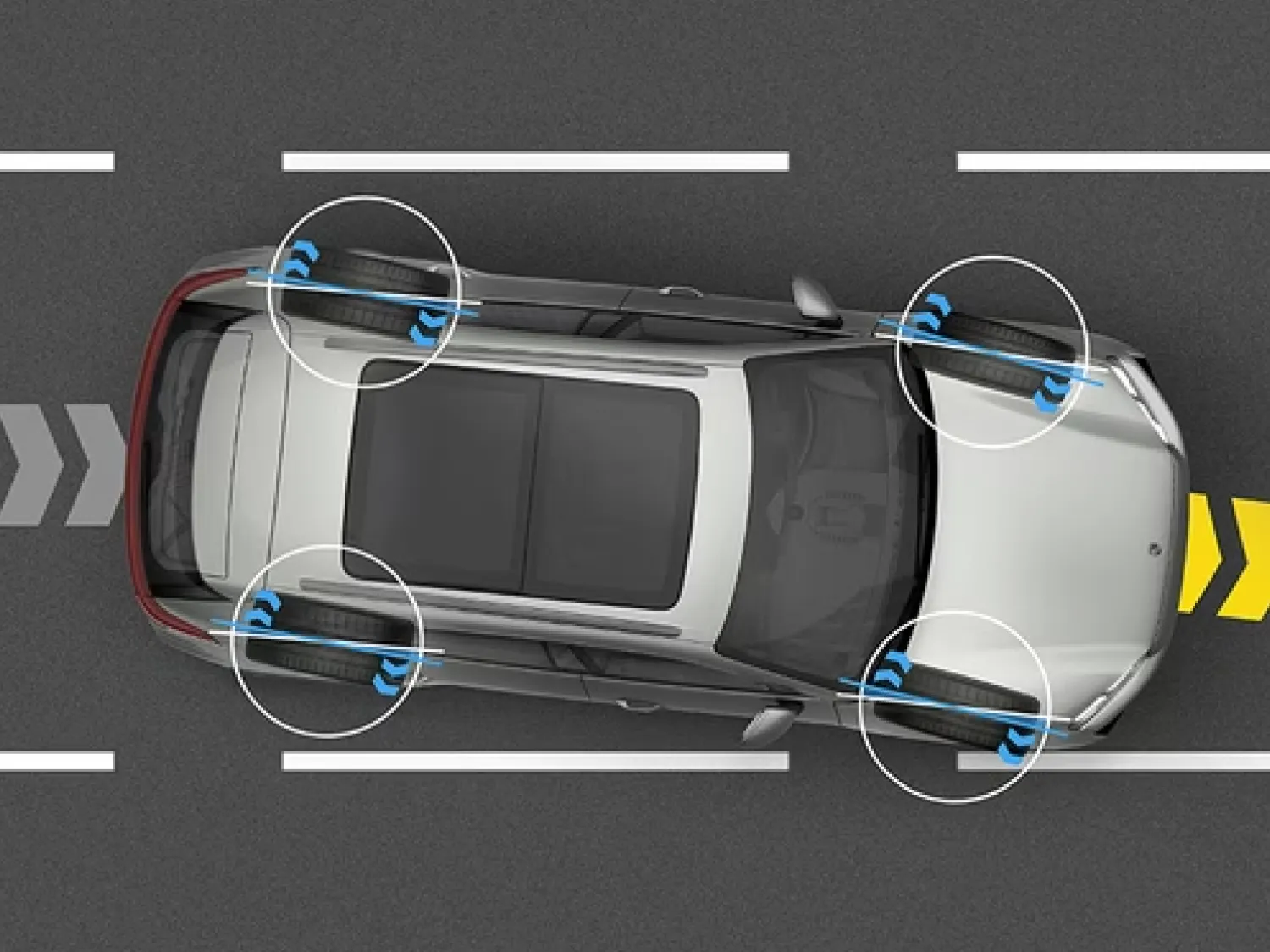
At low speeds, this can make the large SUV easier to manoeuvre. At higher speeds, it helps improve stability and agility.
This is particularly useful because the Cayenne is a large vehicle, despite the way its chassis tries to hide that fact from the driver.
4. Active Aerodynamics
Porsche has also used active aerodynamic elements to improve efficiency.
The Porsche Active Aerodynamics system can adjust elements such as the front flaps and rear spoiler depending on the driving situation. The Cayenne Electric can achieve a drag coefficient of around 0.25 Cd in the right configuration.
Lower aerodynamic drag matters for an EV because it can help reduce energy consumption at higher speeds.
5. Adaptive Air Suspension
The Cayenne Electric gets adaptive air suspension, with Porsche's PASM system helping control body movements.
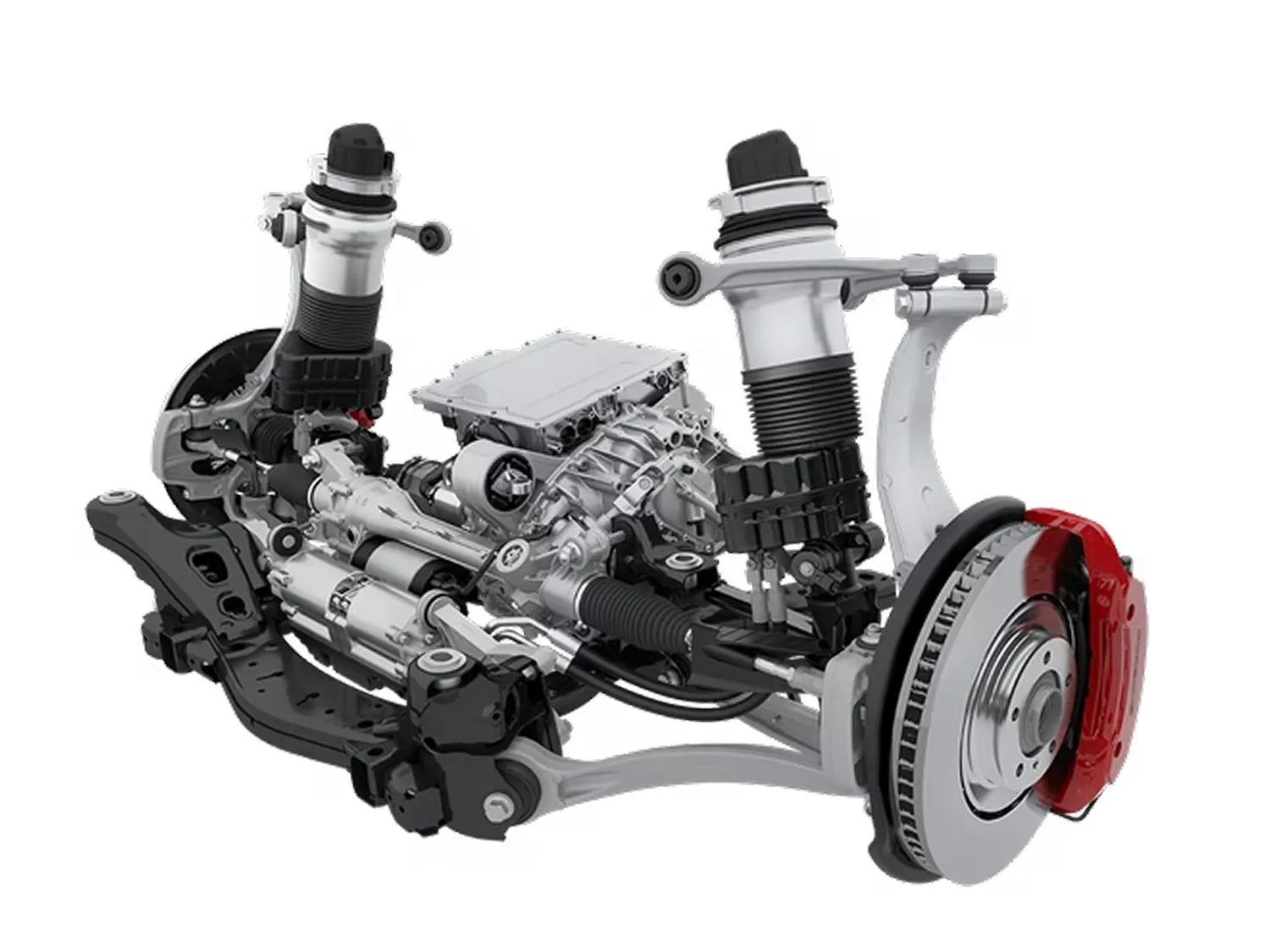
The suspension can adjust the vehicle's behaviour depending on the selected driving mode and road conditions, giving the SUV a wider range of abilities, from relaxed highway cruising to enthusiastic driving.
6. 600 kW Energy Recuperation
The Cayenne Electric also has a high-capacity regenerative braking system.
Porsche says the system can handle up to 600 kW of recuperation, allowing the SUV to recover a large amount of energy during deceleration.
The system can also handle much of the braking work during normal driving, reducing the need to rely on the conventional brakes.
Interior and Practicality
The Cayenne Electric follows the same basic philosophy as the combustion-powered Cayenne, but adds the technology expected from a modern electric Porsche.
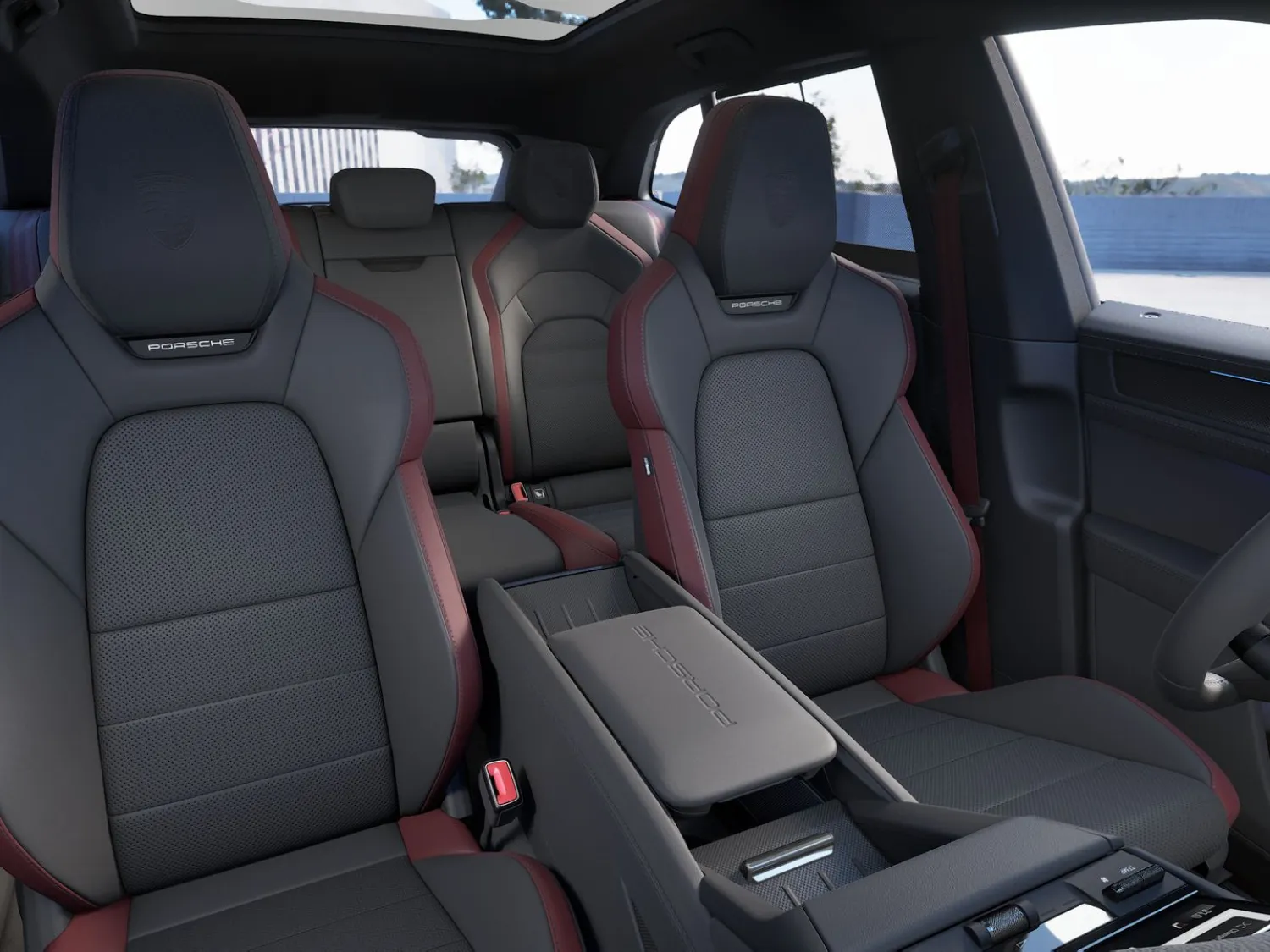
The cabin gets a mix of premium materials, digital displays and electrically adjustable seating. The front passenger also gets an optional curved OLED display, allowing them to access media and other information without disturbing the driver.
There is also a 90-litre front luggage compartment, or frunk, while the main boot offers around 781 litres of storage.
That gives the Cayenne Electric enough space to work as a family SUV rather than behaving like a large sports car that happens to have four doors.
Other Important Features
The Porsche Cayenne Electric also offers a long list of equipment and technology, including:
Matrix LED headlights
360-degree camera
Adaptive cruise control
Electric rear seats
Power tailgate with gesture control
Rear-axle steering
Adaptive air suspension with PASM
Active aerodynamic elements
Curved OLED passenger display
Augmented-reality head-up display
Dual-motor all-wheel drive
Wireless charging support in compatible configurations
Up to 3,500 kg towing capacity with the appropriate equipment
Porsche Cayenne Electric vs BMW iX and Lotus Eletre
The Cayenne Electric enters a segment that already includes electric luxury SUVs such as the BMW iX and Lotus Eletre.
Porsche's approach is different. The Cayenne Electric puts a strong focus on driving performance while still offering the space, comfort and range expected from a large luxury SUV.
The Turbo Electric takes this even further with its 1,156 PS, 1,500 Nm and 2.5-second 0-100 km/h acceleration time.
Its charging capability is also a major part of the package, with up to around 400 kW DC charging available under suitable conditions.