




















Fiat Padmini EV: Stellantis Should Let Fiat Do the Batting in India
By Zeeshan A Aqudus • Published on 1 Oct 2026Stellantis is already in India. The problem is that the brand that needs to do the batting may not be the one holding the bat. Citroën has been tryin...

Stellantis is already in India. The problem is that the brand that needs to do the batting may not be the one holding the bat.
Citroën has been trying to build a place for itself in India, but the numbers show how difficult that road has been. Its electric portfolio has struggled particularly badly. The eC3 sold only 576 units in FY2026, down more than 71% year on year. In the first half of 2026, Stellantis India registered just 196 electric passenger vehicles.
And yet, Stellantis has something rather interesting sitting inside its own portfolio.
Fiat.
A brand that already has history and emotional recognition in India.
It should come back with a Padmini. And this time, the Padmini should be electric.
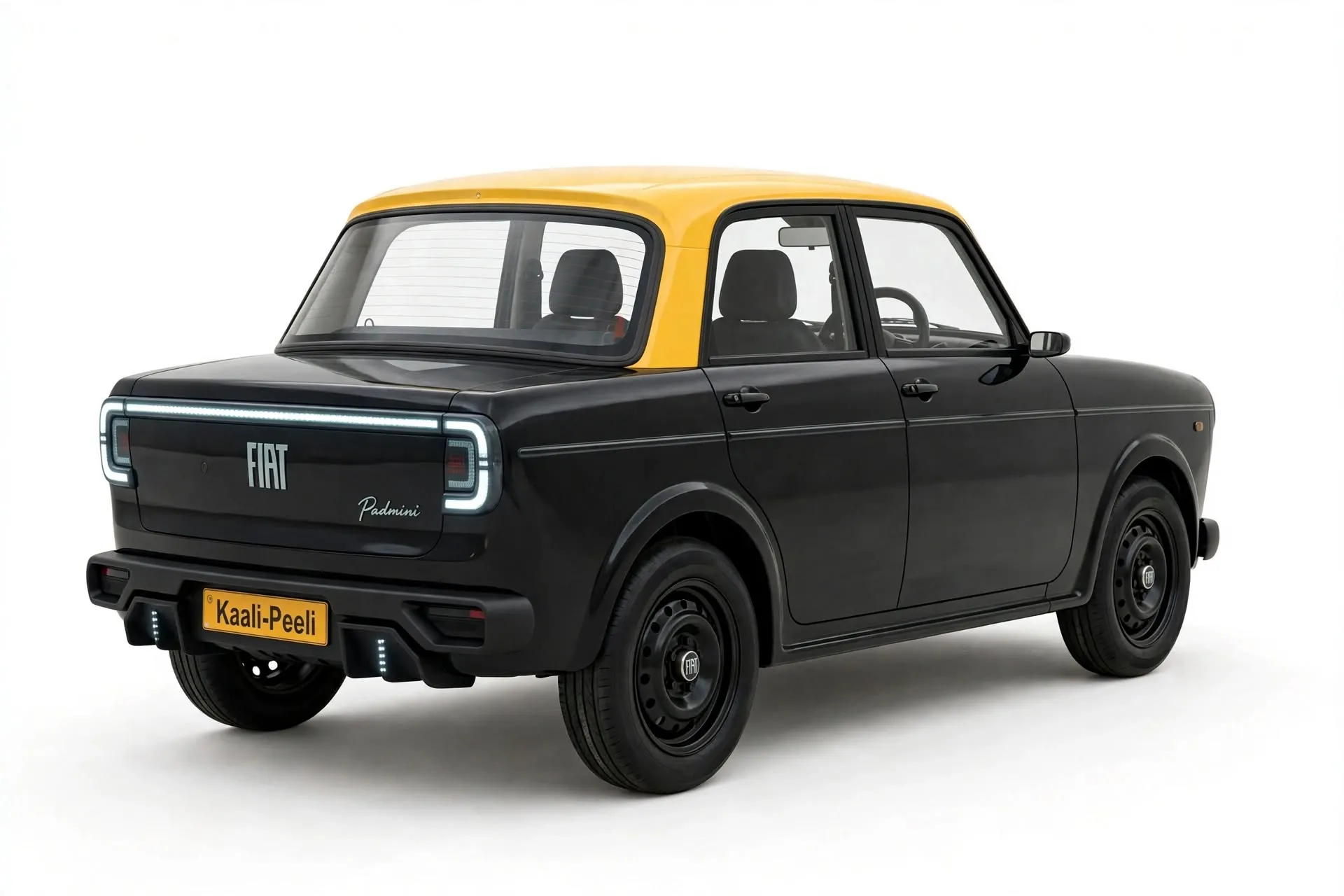
This is a strategy proposal, not a confirmed Stellantis product announcement.
Should Fiat bring back the Padmini as an EV in India?
Yes. Fiat should return to India with an electric Padmini because the name already carries nostalgia, especially in Mumbai. Unlike Citroën, Fiat would not need to explain who it is. A modern electric Padmini sedan could combine Italian design, Indian manufacturing and globally sourced EV technology.
Why Citroën is struggling to build an India EV story
Citroën’s India strategy is built around comfort, value and smaller cities. The company says it wants Tier 2, Tier 3 and smaller cities to contribute 75% of its India sales within five years.
That strategy may eventually work.
But the early EV numbers are weak. The eC3 sold only 576 units in FY2026, down more than 71% year on year. In the first half of 2026, Stellantis India registered just 196 electric passenger vehicles.
That does not mean Citroën is failing permanently. It means Stellantis needs a stronger emotional hook in India.
Why Fiat is Stellantis’ hidden India asset
Fiat has something Citroën cannot manufacture through a marketing campaign.
Nostalgia.
The Premier Padmini was based on the Fiat 1100 and was produced in India for decades. More importantly, it became part of Mumbai itself.
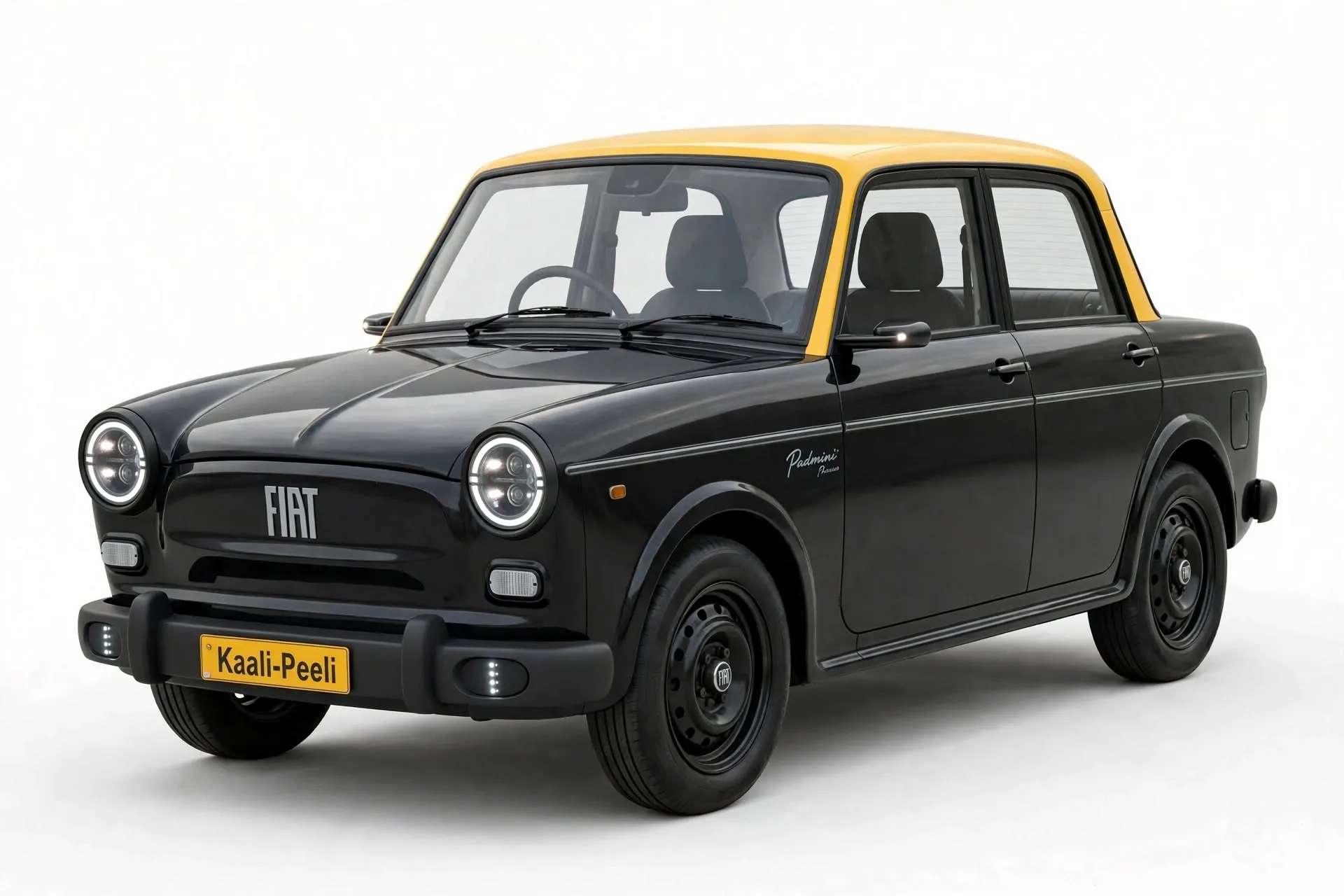
The black-and-yellow Padmini taxi became one of the city’s most recognisable objects. It was not simply transportation. It became part of the visual identity of Bombay.
That gives Fiat an unusual opportunity.
Most new EV companies have to spend enormous amounts of money explaining who they are.
Fiat could simply put one word on the boot:
Padmini.
People would know.
Why an electric Fiat Padmini makes sense in 2026
If Fiat were bringing the Padmini back in 2026, bringing back the old petrol engine would make very little sense.
The automotive game has changed.
EVs have reduced the importance of the traditional engine and gearbox combination. Battery cells, electric motors, software, power electronics and vehicle platforms have become the new battlefield.
That also means Fiat does not necessarily have to reinvent every piece of the technology.
It can source it. Partner for it. Localise it. Build around it.
And that opens another interesting question.
How much of an Indian EV actually needs to be Indian?
Would a Fiat Padmini EV use Chinese battery technology?
Maybe. And there would be nothing particularly strange about that.
Take BYD. The Chinese company is one of the world’s biggest battery and EV technology players, and its technology has already found its way into Indian cars.
Mahindra’s INGLO-based EVs use BYD battery cells, while Mahindra develops and assembles its battery packs in India.
The Maruti Suzuki e Vitara also uses BYD-supplied LFP blade cells.
Tata Motors has used cells from Chinese suppliers across its EV battery supply chain.
So the badge on the bonnet and the country supplying the battery technology can be two very different things.
That does not mean every EV battery is Chinese. It means something more important: China has become too important to the global EV battery supply chain to simply ignore.
A Fiat Padmini EV could theoretically be:
Italian in design.
Indian in manufacturing.
Chinese in some battery technology.
Global in software and electronics.
That is the modern automobile.
The irony would actually be beautiful. The original Padmini was an Italian car that became deeply Indian. The new Padmini could be an Italian name, built in India, powered by globally sourced technology, and once again become Indian through the people who use it.
The kaali peeli opportunity: Mumbai would advertise it for free
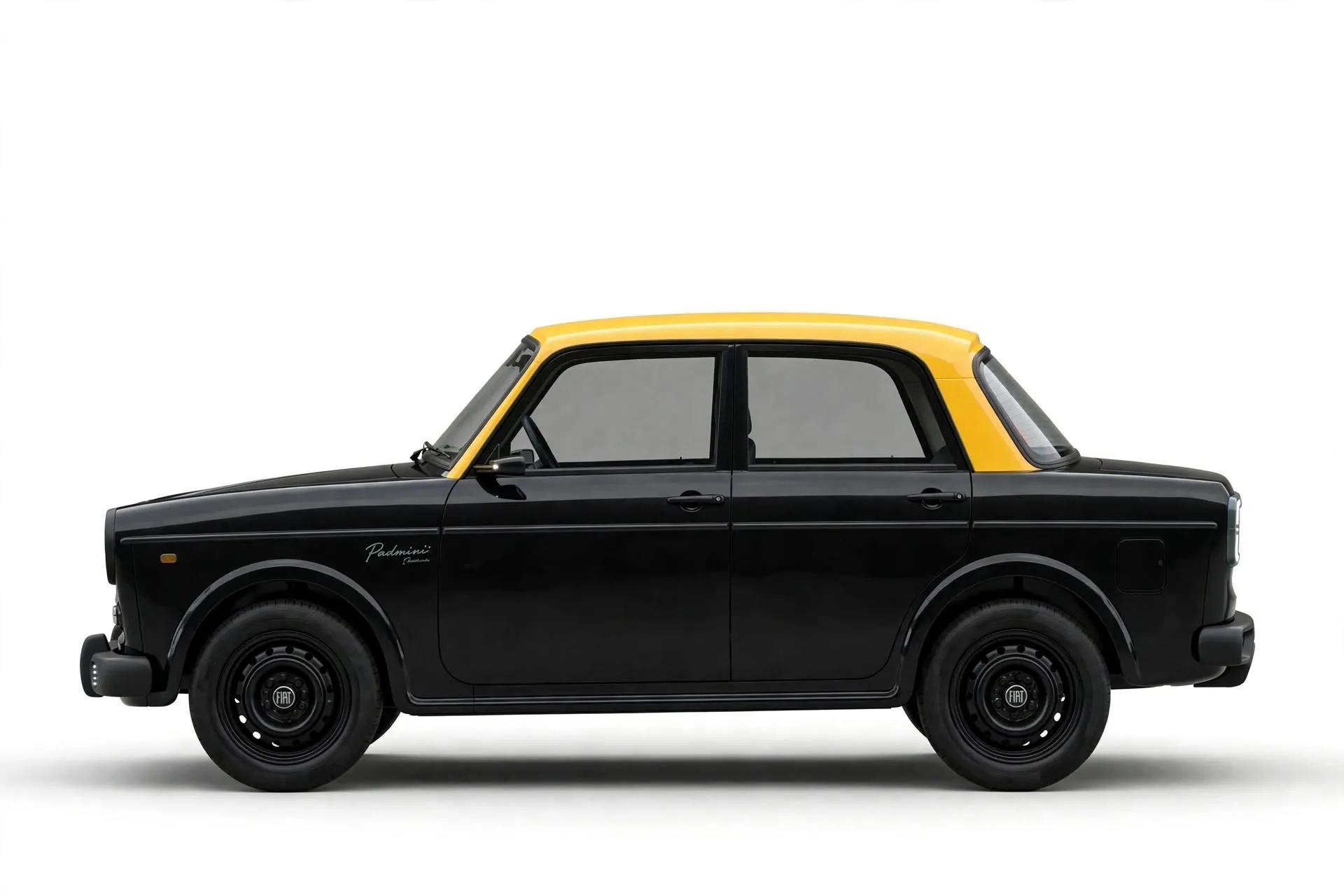
Now imagine Mumbai getting a new black-and-yellow Padmini taxi.
Only this time, there is no smoky exhaust pipe. No old petrol engine rattling under the bonnet. Just an electric motor.
Black body.
Yellow roof.
Modern LED lamps.
Retro-inspired wheels.
A small Fiat badge.
And Padmini written across the boot.
You would not need a billboard. You would not need an influencer campaign. Put 5,000 of these on Mumbai’s roads and the city would do the advertising for you.
That is the power of the kaali peeli!