























EV Prices After March 31: What the Tata Punch EV and MG Comet Will Really Cost You
By Carwyapar • Published on 13 Mar 2026 • Updated on 12 Mar 2026As the PM E-Drive scheme's subsidy window for two- and three-wheelers closes on March 31, 2026, thousands of Indian EV buyers are rushing to understan...
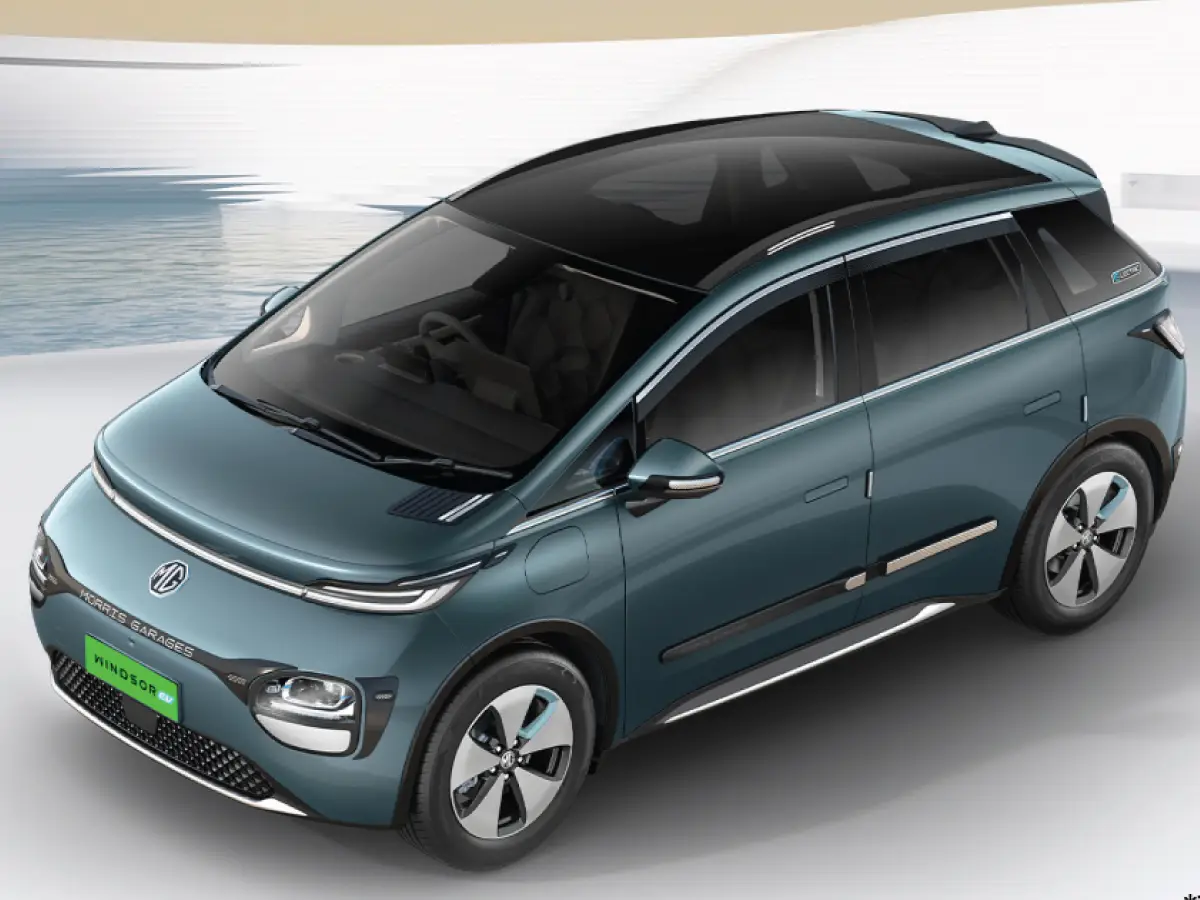
As the PM E-Drive scheme's subsidy window for two- and three-wheelers closes on March 31, 2026, thousands of Indian EV buyers are rushing to understand how prices for popular models like the Tata Punch EV and MG Comet will change. Here's what you need to know before the deadline.
The Journey from FAME to PM E-Drive: A Policy Timeline
India's electric vehicle story has been shaped by a decade of policy evolution. The journey began with the Faster Adoption and Manufacturing of Electric Vehicles (FAME) India scheme, launched in 2015 with an initial outlay of ₹895 crore. The more ambitious FAME II followed in 2019, allocated ₹10,000 crore over three years (later extended to five years), focusing on supporting 10 lakh electric two-wheelers, 5 lakh three-wheelers, 55,000 four-wheelers, and 7,000 buses through demand incentives.
After FAME II concluded, the government introduced the Electric Mobility Promotion Scheme (EMPS) 2024 for a brief six-month period from April to September 2024. Then came the flagship PM Electric Drive Revolution in Innovative Vehicle Enhancement (PM E-Drive) scheme, launched on October 1, 2024.
With a substantial outlay of ₹10,900 crore, PM E-Drive was designed to accelerate EV adoption through buyer incentives, charging infrastructure expansion, and manufacturing ecosystem development. The scheme initially scheduled to end in March 2026 has since been extended for commercial vehicles—electric buses, trucks, and ambulances will now receive support until March 31, 2028—but critically, subsidies for electric two-wheelers and three-wheelers will end as originally planned on March 31, 2026
To understand what the subsidy sunset means, we must first appreciate how far India's EV market has come. The transformation over just five years has been remarkable.
The Baseline: EV Adoption in 2019
When FAME II was launched in 2019, India's EV market was in its infancy. Annual electric vehicle sales stood at approximately 4.34 lakh (434,000) units. EV penetration was a mere 1.2% of total vehicle sales, compared to the global average of 16.48% today. Charging infrastructure was virtually non-existent, with just 500 public charging stations across the country.
The passenger EV segment was even more nascent. In the six years preceding 2019, barely more than 8,000 EVs had been sold in total. The Hyundai Kona, India's first electric SUV launched in 2019, sold just 130 units to dealers through August of that year—a reflection of both high prices (₹25 lakh+) and consumer hesitation. At the time, a parliamentary standing committee had flagged that India had missed its EV adoption targets "miserably" under FAME II.
The CAGR Story: 47.9% Growth (Approx)
Fast forward to 2024, and the picture could not be more different. Annual EV sales surged to 2.08 million (20.8 lakh) units, representing a compound annual growth rate (CAGR) of 47.9% between 2019 and 2024 . This growth rate significantly outpaced the global EV CAGR of 34.3% during the same period.
India became the world's second-largest electric vehicle market by volume, though this is partly explained by the overall size of its auto market. EV penetration rose from 1.2% in 2019 to 7.66% in 2024, approaching the global average of 16.48%. Private vehicle adoption (electric two-wheelers and cars) reached 5.3% in 2024.
The market valuation expanded from USD 3.2 billion in 2019 to USD 23.38 billion in 2024, with projections indicating USD 113.99 billion by 2029.
Segment-Wise CAGR Analysis
|
Segment |
Estimated CAGR (2019-2024) |
Key Drivers |
|---|---|---|
|
Electric Two-Wheelers |
~45-50% |
FAME II subsidies, state incentives, new entrants (Ola, Ather), rising fuel prices. |
|
Electric Three-Wheelers |
~30-35% |
Last-mile delivery boom, low operating costs, strong state support; India is now the world's largest e-3W market. |
|
Electric Passenger Vehicles |
~65-70% |
Low base effect, new model launches (Nexon EV, ZS EV, Comet), growing consumer acceptance. |
|
Overall EV Market |
~48% |
Policy support, expanding charging infrastructure (25,000+ public stations by 2024), falling battery costs. |
Fast Forward to 2026: India's EV Market on the Eve of Subsidy Sunset
As of March 2026, with the PM E-Drive scheme's subsidy window for two- and three-wheelers just weeks away from closing, India's electric vehicle market presents a fascinating picture of maturing segments, intensifying competition, and some critical policy gaps. Here's how the story has evolved since our previous analysis.
Based on January 2026 retail data from FADA and Vahan registrations, here is the current state of India's EV market:
|
Segment |
January 2026 Sales (Units) |
Year-on-Year Growth |
Key Market Share Dynamics |
|---|---|---|---|
|
Electric Two-Wheelers |
1,22,812 |
24.8% |
TVS leads with 28.3% share (34,558 units); Bajaj at ~21% (25,598 units); Ather at 21,999 units; Ola Electric's share collapsed to ~6% |
|
Electric Three-Wheelers |
75,767 |
26.4% |
EV penetration at 59.6% (India's most electrified segment); Bajaj Auto leads with 8,510 units |
|
Electric Passenger Vehicles |
18,470 |
54.8% |
Penetration at 3.6-3.8%; Tata Motors leads with 8,007 units; M&M emerges as serious contender with 3,668 units |
|
Electric Commercial Vehicles |
2,060 |
115.5% |
Early momentum in fleet transition, though on a smaller base |
|
TOTAL EV SALES |
2,19,109 |
~28% |
Sustained demand-led growth, moderating from December highs |
The passenger EV segment has transformed dramatically from our earlier analysis. January 2026 marked a watershed moment with 18,470 units sold—a 54.8% year-on-year surge . But the real story lies in the shifting market shares.
o understand how January's strong sales figures will be affected afterward, we need to analyze the likely April-June 2026 correction, the segmented impact across vehicle categories, and the structural shifts that will reshape the market.
BNP Paribas has explicitly warned that the expiring PM E-Drive subsidy will trigger a wave of pre-buying in March registrations, followed by a potential correction in April . This pattern is well-established from previous subsidy transitions—the report's charts clearly show how the reduction and eventual end of FAME II incentives created visible disruptions in E2W volumes in prior years, with sales surging ahead of expiry dates and then pulling back .
What this means for January sales: January's robust 1.22 lakh e2W units will be followed by:
February 2026: Flat-to-moderate sales (already seen in data, with e2W penetration holding at 6.6% despite lower volumes)
March 2026: Significant surge as buyers rush to lock in subsidies
April 2026: Sharp month-on-month decline as pre-buying exhausts demand and prices effectively rise
Industry executives estimate that subsidy removal could result in an effective on-road price increase of ₹6,000-12,000 for electric two-wheelers, with limited room for manufacturers to absorb the impact due to battery costs and compliance-related expenses.
Sameer Moidin, CEO of EVeium Smart Mobility, explains that "without incentives, sales don't disappear, they become more evaluation-led." For brands embedded in dealer networks and fleet programmes, demand tends to stabilize rather than turn volatile.
PM E-Drive never provided direct subsidies for electric four-wheelers . Therefore, March 31 expiry does not directly impact PV prices. However, the indirect effect could be positive—as manufacturers shift focus from subsidy-dependent segments, more resources may flow into passenger EV competition, potentially accelerating new launches .
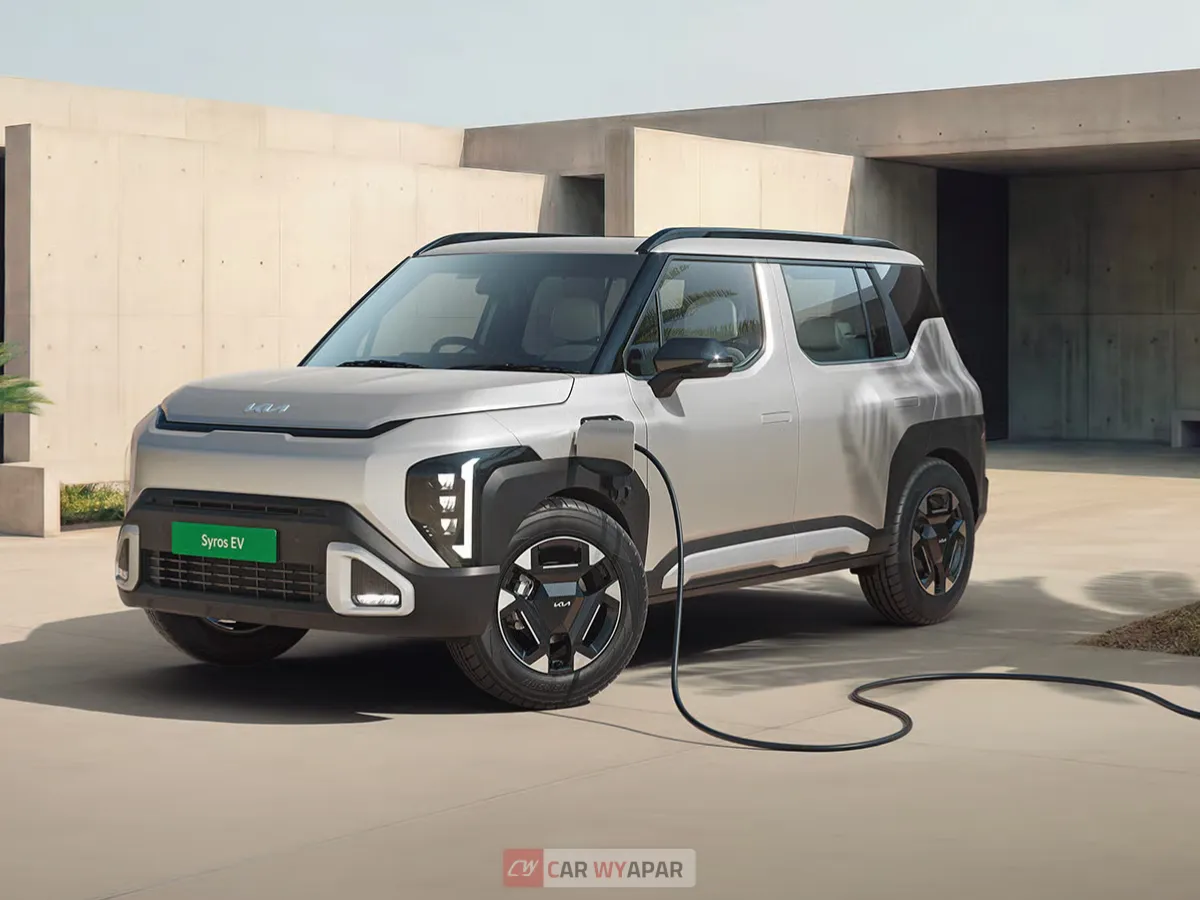
The BNP Paribas report flags a significant pipeline of new EPV launches expected in 2026, including Tata Sierra EV, Tata Avinya, Kia Syros, Skoda Elroq, and two VinFast models—which could accelerate penetration through the year.
The post-subsidy era will not just be about lower volumes—it will fundamentally reshape how the EV market operates:
1. From Price Wars to Service-Led Competition
As central and state incentives are phased out and battery cost declines slow, competition is shifting from price-led expansion to service-led differentiation . Battery packs constitute 35-40% of vehicle cost, and although prices have softened, the speed of drop has slowed. Under these circumstances:
Reliability of product
Dealer network strength
After-sales service quality
...become key factors .
2. Legacy OEMs Strengthen Position
Crisil's analysis shows legacy manufacturers (with both ICE and EV portfolios) increasing market share to 62% by January 2026 from approximately 47% a year before. Their advantages:
Established supplier ecosystems
Deeper dealer reach
Ability to cross-subsidize EV portfolios with profitable ICE businesses
In contrast, new-age EV-only players face EBITDA losses of ₹250-350 million per vehicle and remain exposed to funding pressures.
The April correction will be real but temporary. By the third quarter of 2026, as the market absorbs the shock and new models arrive, sales volumes are expected to recover toward pre-subsidy levels—driven not by government support, but by genuine product value and consumer trust.