














6 of India's Top 10 Bestselling Cars in July 2026 Were Marutis, But There Is More to the Numbers
By Gaurav Cyril • Published on 9 Aug 2026Maruti Suzuki once again dominated India's car sales chart in July 2026, taking six of the top 10 positions. But the sales data reveals something more...
Maruti Suzuki once again dominated India's car sales chart in July 2026, taking six of the top 10 positions. But the sales data reveals something more interesting than Maruti's dominance. Commercial demand, SUV popularity, low running costs and even the changing taste of Indian buyers are all visible in the rankings.
India's top 10 bestselling passenger vehicle nameplates recorded 2,00,868 units in July 2026, compared with 1,46,029 units in July 2025. That translates to a massive 37.55 percent year-on-year increase.
Maruti Suzuki had six models in the top 10, while Tata Motors had two, Hyundai had one and Mahindra had one.
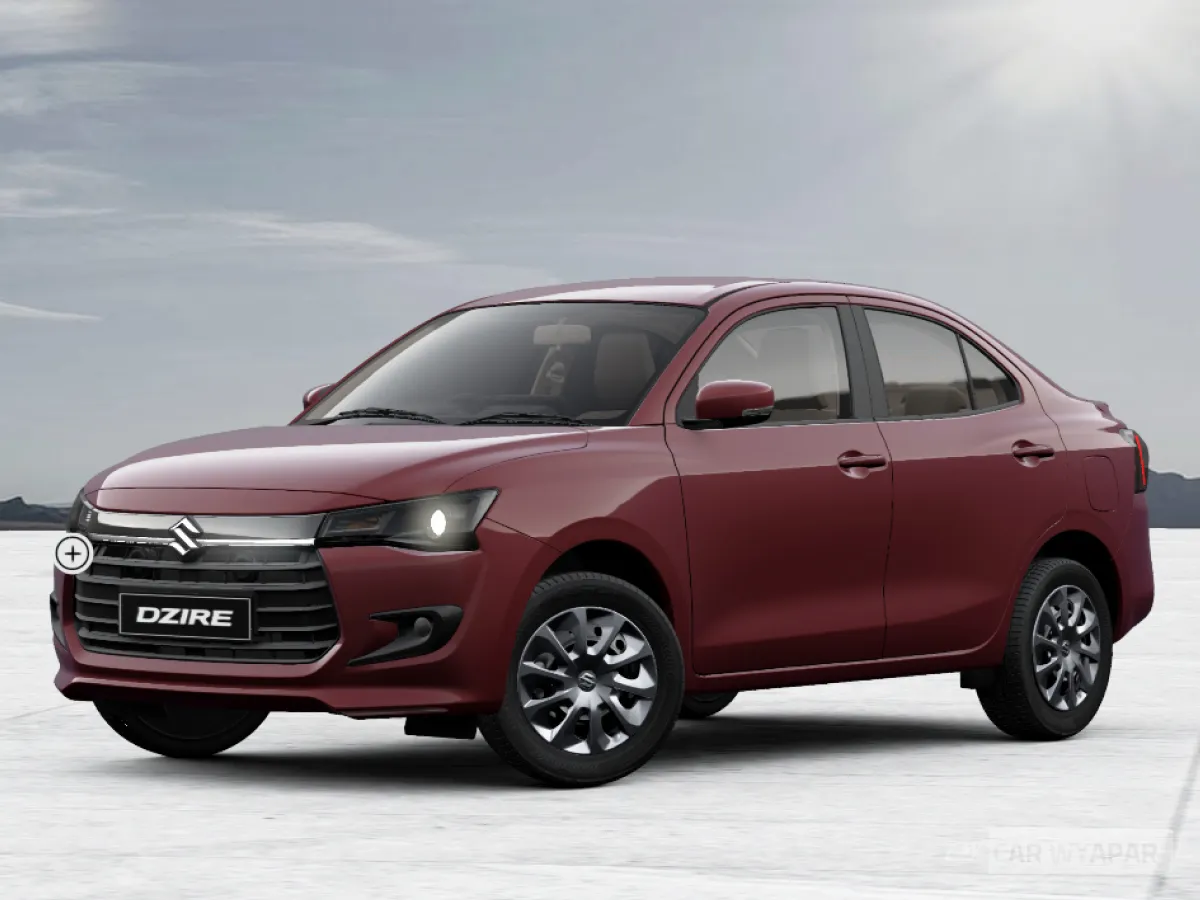
The Maruti Dzire emerged as India's bestselling car with 23,791 units, narrowly beating the Wagon R.
But the real question is, why are these particular cars selling so well?
Top 10 bestselling cars in July 2026
|
Rank |
Model |
July 2026 Sales |
July 2025 Sales |
YoY Growth |
|---|---|---|---|---|
|
1 |
Maruti Dzire |
23,791 |
20,895 |
13.86% |
|
2 |
Maruti Wagon R |
23,338 |
14,710 |
58.65% |
|
3 |
Maruti Ertiga |
21,606 |
16,604 |
30.13% |
|
4 |
Maruti Swift |
21,538 |
14,190 |
51.78% |
|
5 |
Tata Punch + Punch EV |
21,313 |
10,785 |
97.62% |
|
6 |
Maruti Fronx |
19,473 |
12,872 |
51.28% |
|
7 |
Maruti Baleno |
18,241 |
12,503 |
45.89% |
|
8 |
Hyundai Creta + Creta Electric |
18,088 |
16,898 |
7.04% |
|
9 |
Tata Nexon + Nexon EV |
17,471 |
12,825 |
36.23% |
|
10 |
Mahindra Scorpio + Scorpio Classic |
16,009 |
13,747 |
16.45% |
Maruti Suzuki has six cars in the top 10
The biggest story from July's sales chart is Maruti Suzuki's sheer presence.
The Dzire, Wagon R, Ertiga, Swift, Fronx and Baleno together accounted for 1,24, - units in the top 10, giving Maruti six spots out of 10.
This is important because these six cars cover completely different customer needs.
The Dzire attracts private and commercial buyers. The Wagon R focuses on affordable urban mobility. The Ertiga brings seven-seat practicality. The Swift adds a more youthful option, while the Fronx and Baleno cover Nexa's premium hatchback and crossover customers.
Maruti's biggest advantage is therefore not one particular car.
It is the breadth of its portfolio.
1. Maruti Dzire, 23,791 units
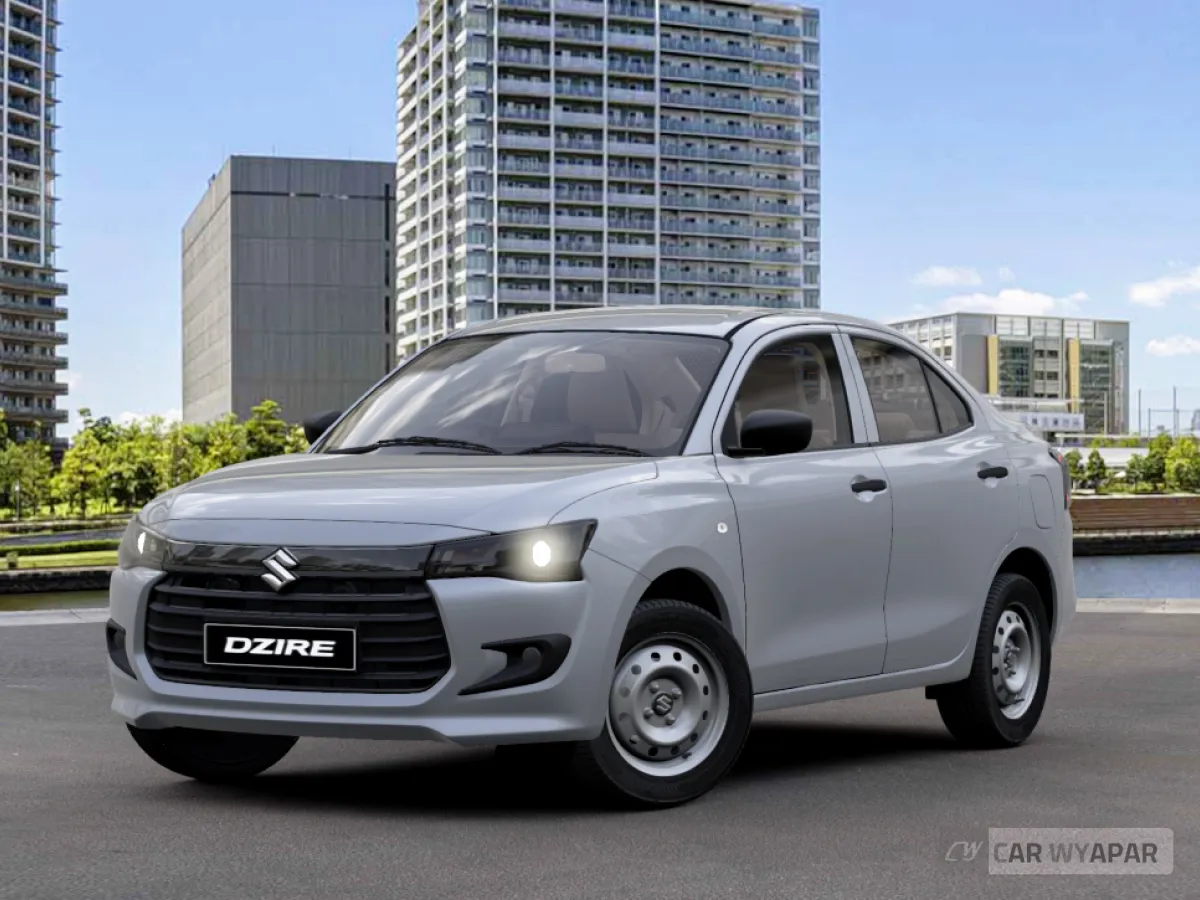
The Dzire was India's bestselling car in July 2026 with 23,791 units, recording 13.86 percent YoY growth.
However, there is an important factor behind the Dzire's sales that should not be ignored.
Commercial demand plays a big role
The Dzire has been one of India's most popular cars for taxi operators, fleet companies and commercial users.
That means its monthly wholesale number does not represent only private buyers.
Its low running cost, strong service network, easy availability of parts and resale value make it attractive to people who use their cars to earn money.
For a fleet operator, a car is not a lifestyle product. It is an asset that needs to keep moving.
The Dzire fits that job extremely well.
Why is the Dzire selling so well?
It offers sedan practicality without a high ownership cost.
It also has a large boot, compact dimensions and a huge Maruti service network.
For private buyers, it remains a sensible family sedan. For commercial buyers, it is closer to a business tool.
Pro factor: Low running costs, strong resale value, huge service network and high commercial demand.
2. Maruti Wagon R, 23,338 units
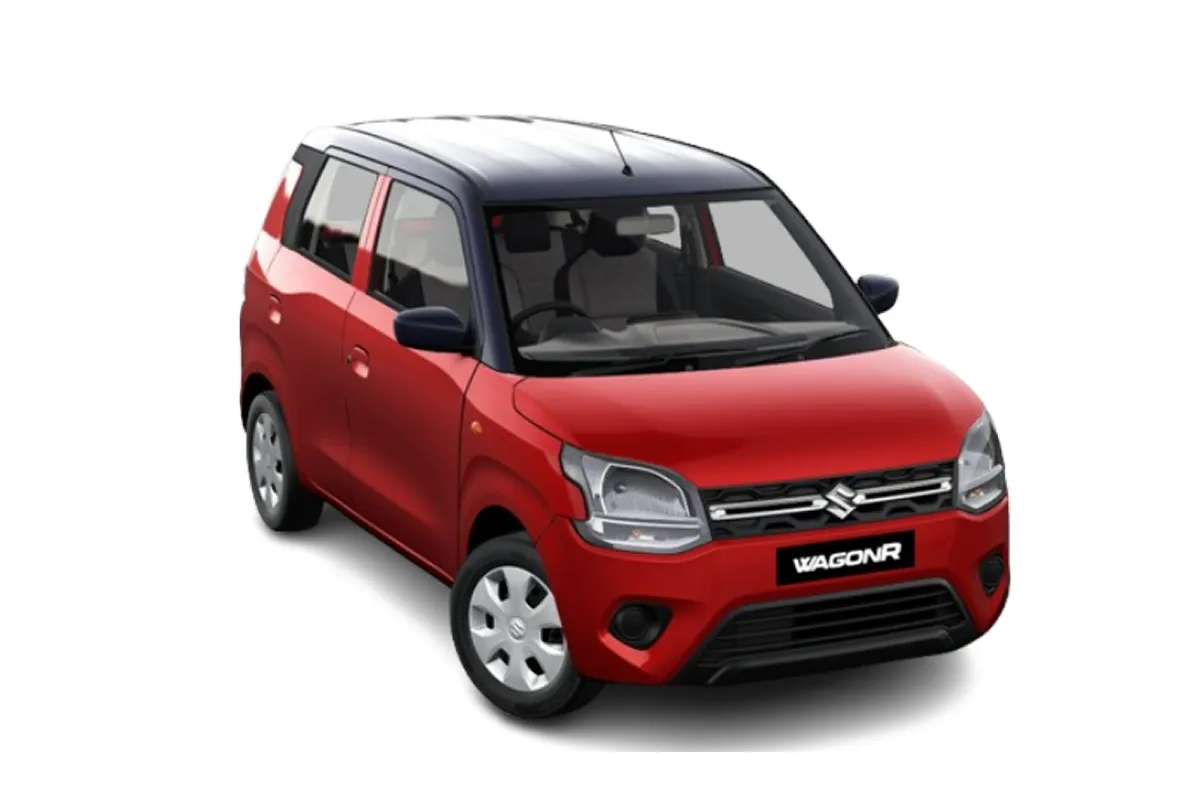
The Wagon R finished second with 23,338 units, just 453 units behind the Dzire.
More importantly, its sales jumped 58.65 percent YoY.
That is a huge increase compared with July 2025.
Why is Wagon R still so popular?
The Wagon R understands the Indian city better than many cars.
It is small enough for tight roads, tall enough to offer good cabin space and simple enough to keep ownership costs under control.
It also attracts first-time buyers and families looking for a practical second car.
Its E85-compatible flex-fuel version adds another interesting angle, although the majority of its sales are still driven by the basic strengths of the product.
Pro factor: Excellent cabin space for its size, easy city driving and affordable ownership.
3. Maruti Ertiga, 21,606 units

The Ertiga sold 21,606 units in July, growing 30.13 percent YoY.
It was India's third bestselling passenger vehicle and the only MPV in the top 10.
Ertiga benefits from both family and commercial demand
The Ertiga is another model where commercial sales are important.
Taxi and fleet operators like its seven-seat configuration, reasonable running costs and Maruti's service network.
Private buyers have a different reason to choose it.
If you have a family of six or seven, a five-seat SUV stops being a very clever solution.
The Ertiga gives buyers three rows without forcing them to buy a much larger and more expensive MPV.
Pro factor: Seven seats, practical third row, affordable ownership and strong fleet demand.
4. Maruti Swift, 21,538 units
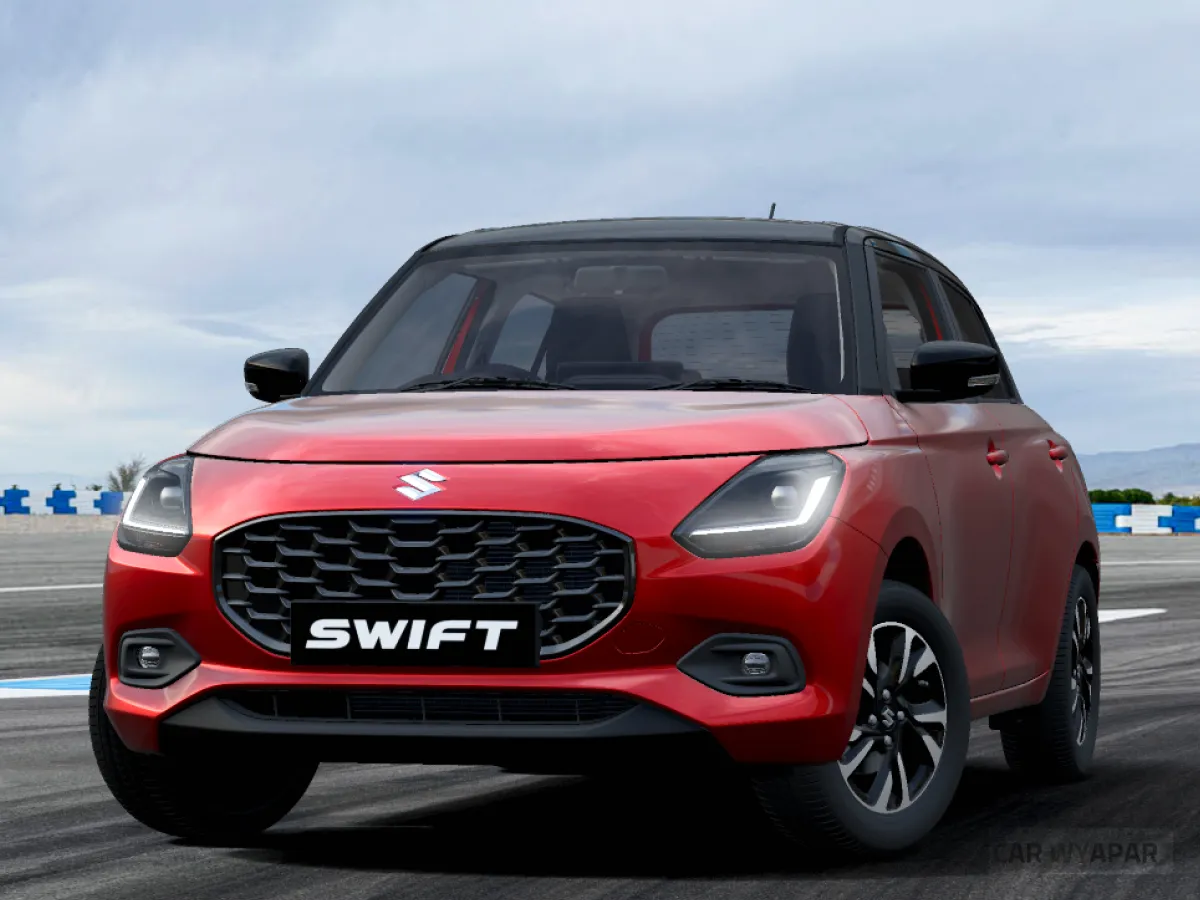
The Swift recorded 21,538 units, making it the fourth bestselling car in India.
Its sales increased by 51.78 percent YoY.
Swift still has something many practical cars lack
The Swift is not bought only because it is sensible.
There is an emotional factor.
Its compact size, styling and driving character have helped it remain popular with younger buyers and small families.
It also occupies an important space between entry-level hatchbacks and larger SUVs.
For someone who does not need an SUV, the Swift remains a very easy recommendation.
Pro factor: Fun driving experience, compact size, efficient ownership and strong brand image.
5. Tata Punch and Punch EV, 21,313 units
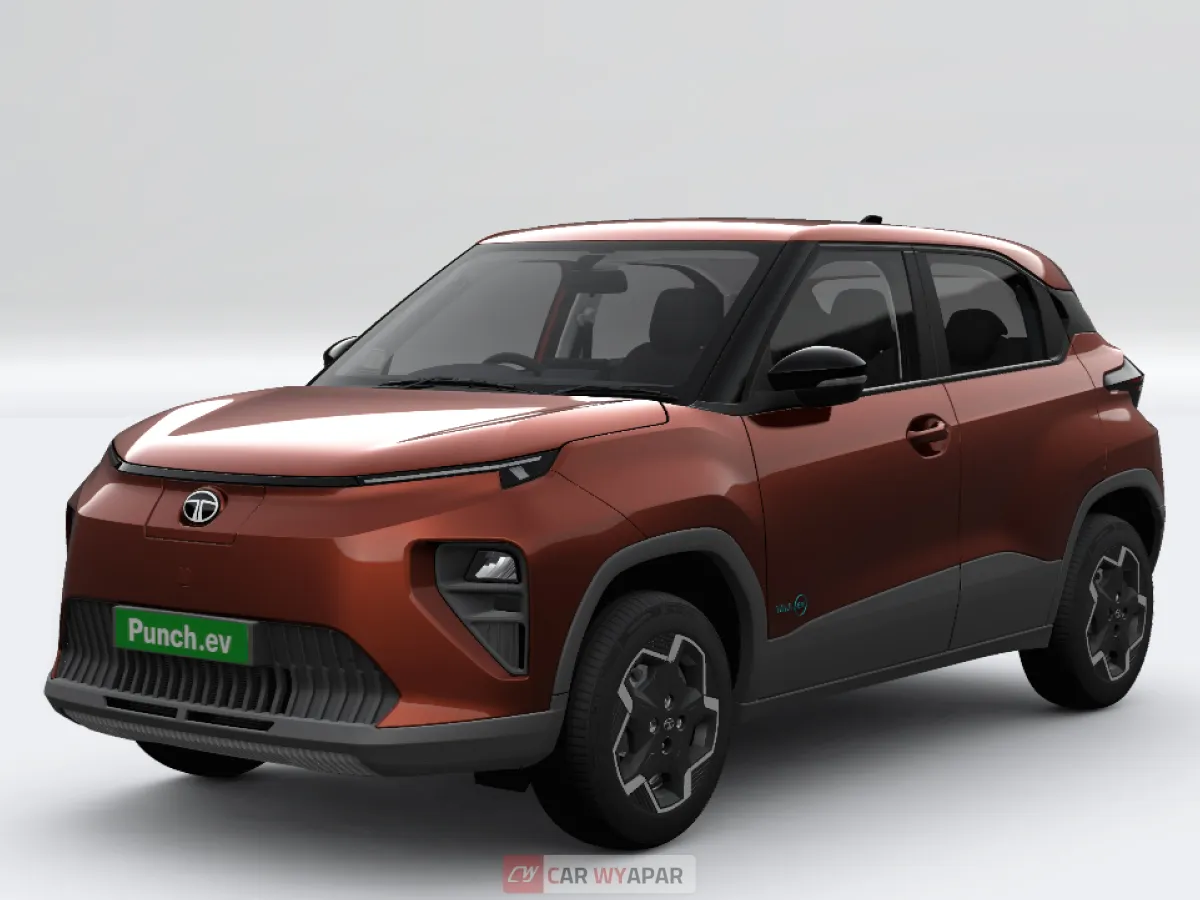
The Tata Punch was arguably the biggest story in the July sales chart.
The Punch and Punch EV together recorded 21,313 units, up an astonishing 97.62 percent YoY.
That was the highest growth rate among all 10 models.
Why is Punch growing so quickly?
The Punch has managed to capture one of the strongest trends in the Indian market.
People want SUVs.
But not everyone wants a large SUV.
The Punch offers SUV styling and a high seating position while remaining small enough for crowded Indian cities.
The Punch EV adds another customer group, allowing Tata to sell the same basic product concept to buyers who want electric mobility.
The model also recently crossed the 8 lakh sales milestone, showing that its popularity extends well beyond a single strong month.
Pro factor: SUV styling, compact dimensions, multiple powertrain options and strong appeal among first-time SUV buyers.
6. Maruti Fronx, 19,473 units
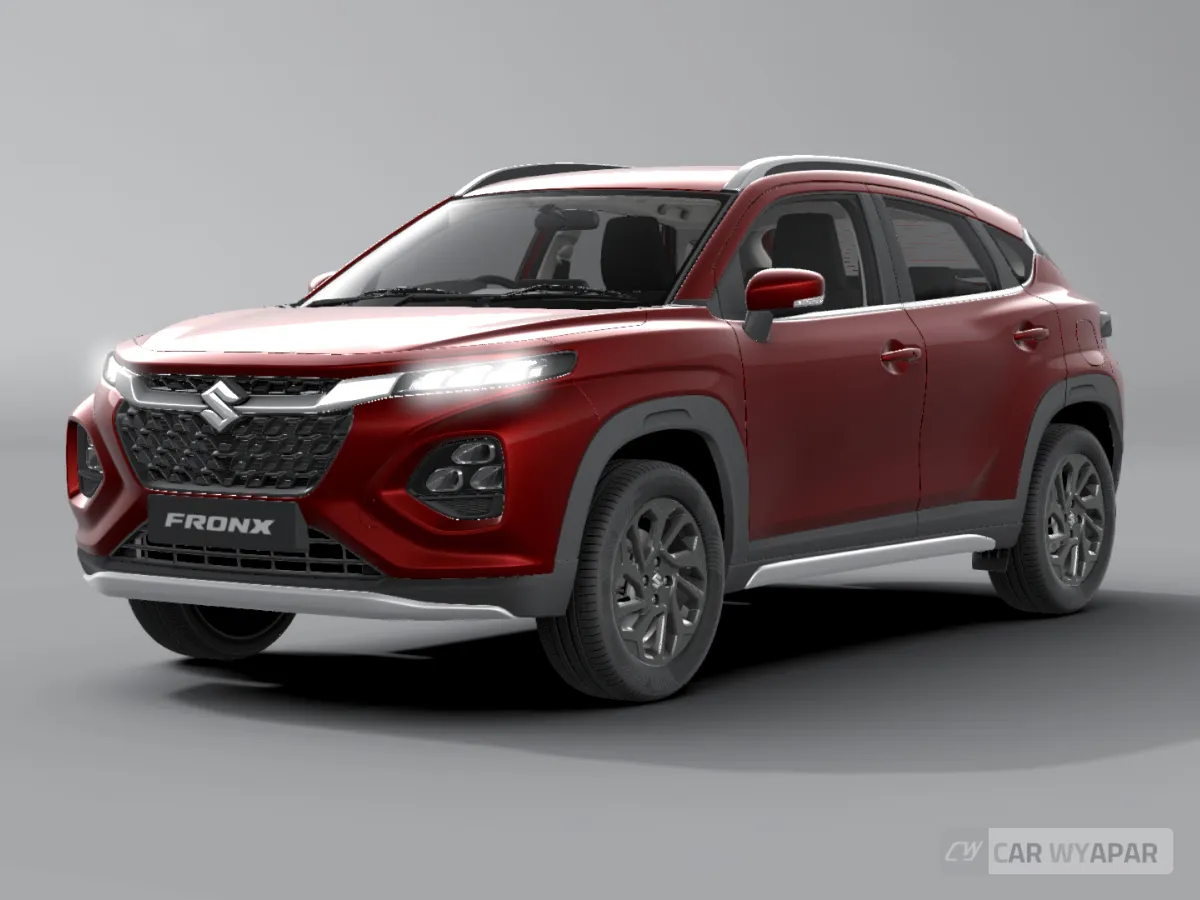
The Fronx sold 19,473 units, recording 51.28 percent YoY growth.
It was also the highest-selling Maruti model from the Nexa network in July.
Fronx is riding India's crossover obsession
The Fronx sits in a sweet spot.
It is smaller and easier to drive than many SUVs, but its crossover styling makes it look more substantial than a conventional hatchback.
That matters because car buying has become partly emotional.
A buyer may want low running costs, but they also want the car to look good parked outside the house.
The Fronx understands that very well.
Pro factor: Attractive crossover styling, efficient powertrains, compact dimensions and Nexa's premium image.
7. Maruti Baleno, 18,241 units
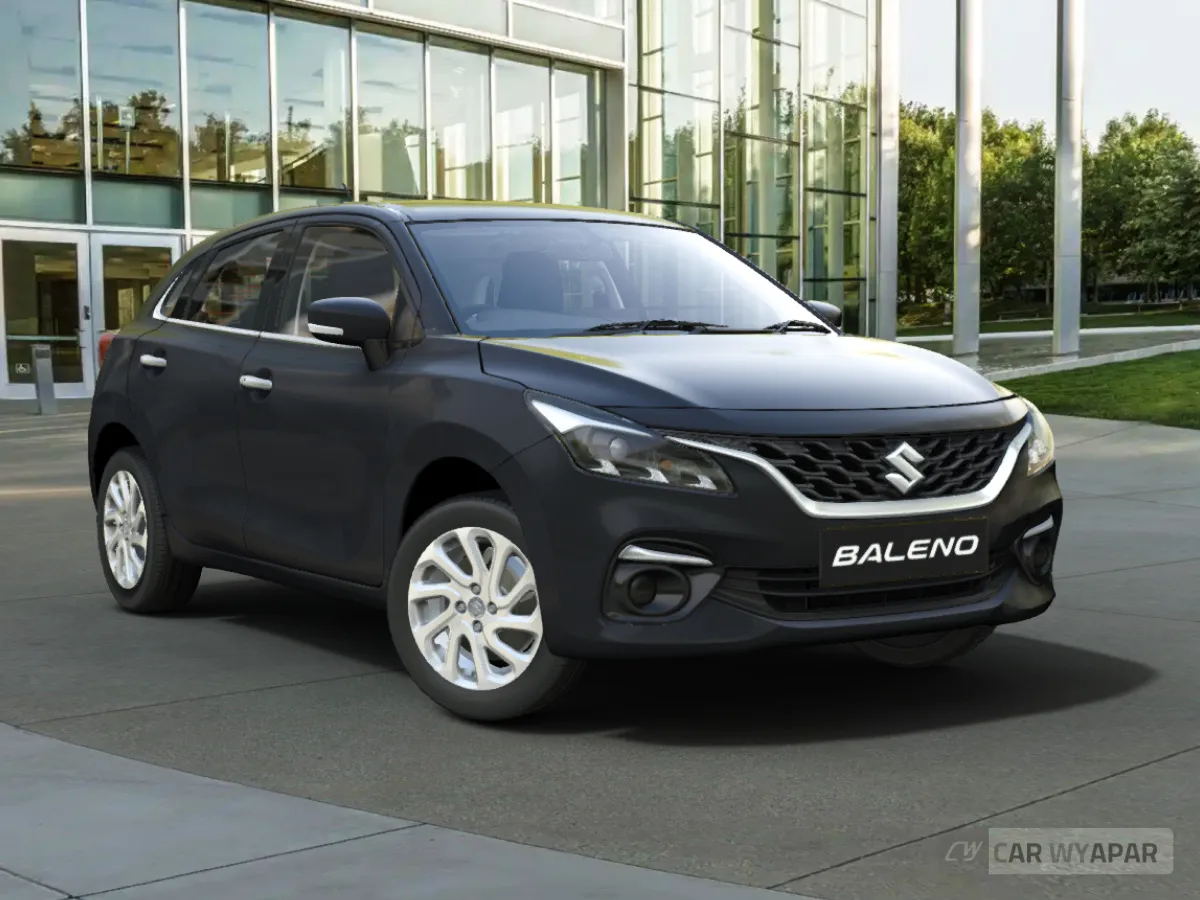
The Baleno finished seventh with 18,241 units, growing 45.89 percent YoY.
It also completed Maruti Suzuki's six-car domination of the top 10.
Baleno proves that hatchbacks are not dead
SUVs may dominate headlines, but the Baleno shows that premium hatchbacks still have a market.
It offers more cabin space and a more premium experience than basic hatchbacks while remaining easier to drive and park than an SUV.
For urban buyers who do not care about sitting high, the Baleno remains a sensible alternative.
Pro factor: Spacious cabin, premium positioning, efficient powertrain and easy urban usability.
8. Hyundai Creta and Creta Electric, 18,088 units
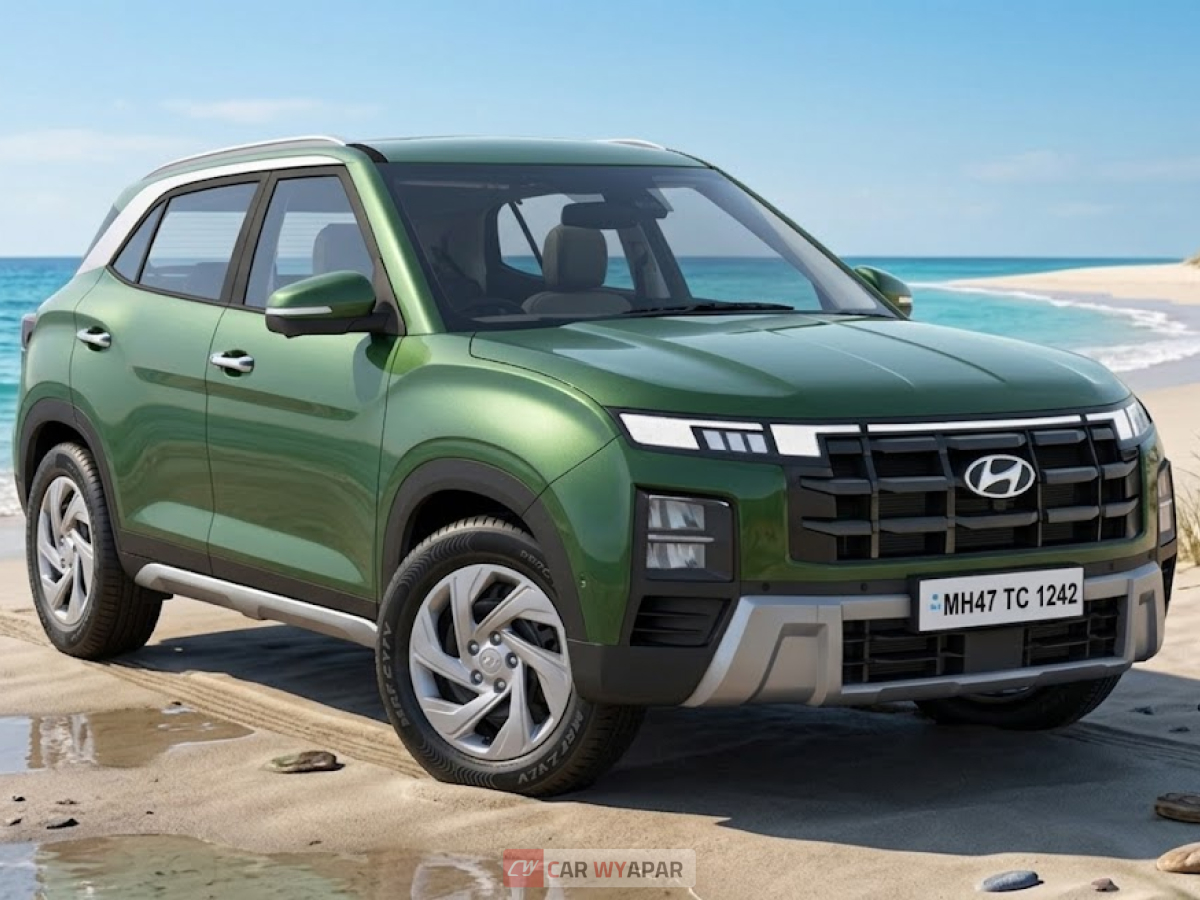
The Creta and Creta Electric together recorded 18,088 units, placing eighth.
Sales increased by 7.04 percent YoY.
That was the lowest growth rate among the top 10.
Creta is now selling from a position of strength
Unlike newer models that need rapid growth to establish themselves, the Creta already has a huge customer base.
It has become one of the default choices for buyers looking for a midsize SUV.
The addition of the Creta Electric also gives Hyundai another way to attract customers who are moving towards EVs.
The slower growth does not necessarily mean weak demand. It can also mean the product is already operating from a high and established sales base.
Pro factor: Strong brand image, premium features, established resale market and multiple powertrain choices.
9. Tata Nexon and Nexon EV, 17,471 units
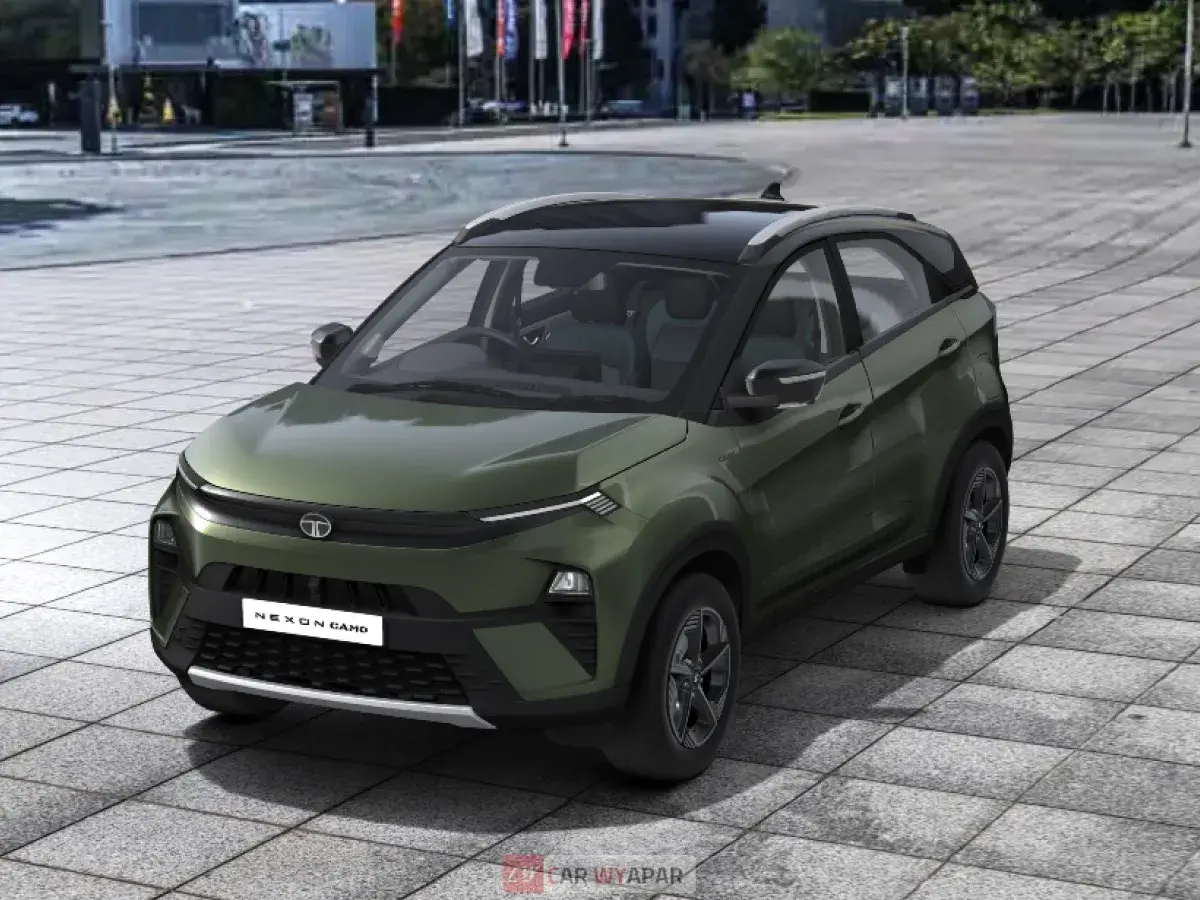
The Nexon and Nexon EV recorded 17,471 units, up 36.23 percent YoY.
Nexon is benefiting from powertrain variety
The Nexon gives buyers several choices without forcing them into a completely different model.
There are petrol, CNG and electric versions, allowing Tata to target buyers with very different running requirements.
The Nexon's compact dimensions also make it easier to use in cities than larger SUVs.
Pro factor: Multiple powertrain choices, SUV design, EV option and strong safety positioning.
10. Mahindra Scorpio N and Scorpio Classic, 16,009 units
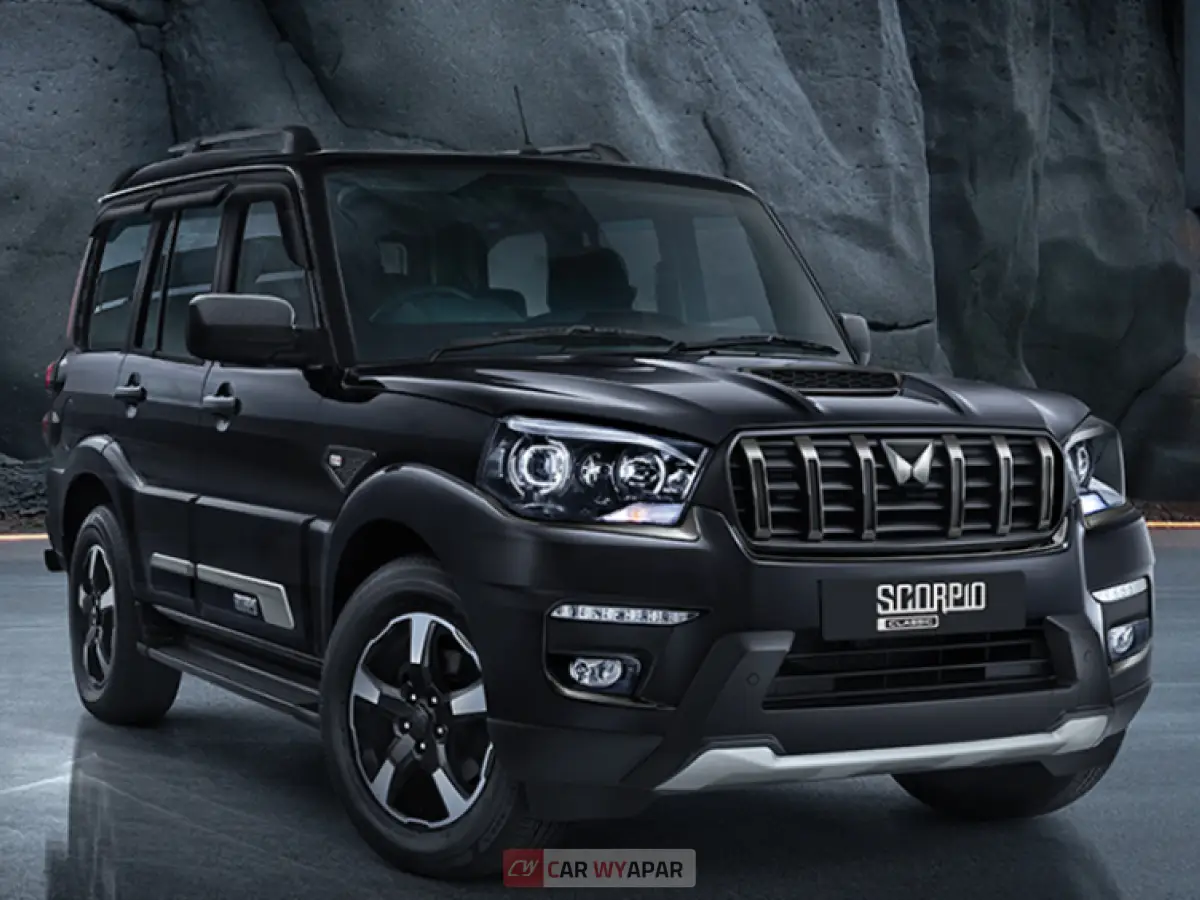
The Scorpio N and Scorpio Classic finished tenth with 16,009 units, recording 16.45 percent YoY growth.
Scorpio sales are driven by more than practicality
The Scorpio has something that cannot be easily measured in a sales table.
Image.
Buyers choose the Scorpio because it feels big, tough and imposing.
That matters particularly in markets where SUV ownership is connected with road presence and status.
The Scorpio Classic also continues to benefit from the original Scorpio's enormous brand recognition.
Mahindra has now updated the Scorpio N for 2026, giving the model another push in a segment that has become increasingly competitive.
Pro factor: Strong road presence, rugged character, spacious cabin and powerful brand identity.
What is really driving India's July 2026 car sales?
The sales chart shows that Indian buyers are not following one single trend.
They are buying SUVs, hatchbacks, sedans and MPVs, but for very different reasons.
Maruti's six cars cover almost every major use case.
The Dzire and Ertiga benefit from commercial and fleet demand. The Wagon R remains a practical city car. The Swift attracts private buyers who want something more enjoyable. The Baleno serves premium hatchback buyers, while the Fronx taps into the crossover trend.
Tata is doing something different.
The Punch and Nexon give the company strong positions in the compact SUV market, while their EV versions allow Tata to target buyers moving towards electric mobility.
Hyundai's Creta continues to defend its position in the midsize SUV market.
Mahindra, meanwhile, shows that emotional appeal still matters.
Commercial sales are one reason Maruti's numbers look so strong
There is an important point that often gets lost when monthly sales rankings are discussed.
Wholesale sales are not the same as private retail registrations.
A manufacturer can dispatch cars to dealers, fleet companies and commercial buyers, and those numbers become part of the monthly wholesale figure.
This matters particularly for models such as the Dzire and Ertiga.
A taxi operator buying ten cars is counted differently in the real-world buying process from ten families buying one car each, but both eventually contribute to the manufacturer's sales volume.
This is why simply saying "Indians bought 23,791 Dzire cars" does not tell the complete story.
Why are six Maruti cars in the top 10?
The answer is not one magical product.
It is the ecosystem.
Maruti has cars at almost every important price and use point. It also has a huge dealer and service network, strong resale values and a reputation for affordable maintenance.
That creates a powerful cycle.
People buy Maruti because parts and service are easy to find.
Used-car buyers trust Maruti because resale demand is strong.
Fleet operators prefer Maruti because downtime can be expensive.
And new buyers see millions of existing Maruti cars on Indian roads every day.
That kind of market presence is extremely difficult for a competitor to copy.
The most interesting number is not Maruti's six cars
The most interesting number may actually be the 37.55 percent growth of the top 10 combined.
Almost every model on the list recorded double-digit growth, except the Hyundai Creta family.
That suggests July 2026 was not simply a case of one or two manufacturers winning while everyone else struggled.
Demand was strong across several segments.
The biggest jump came from the Tata Punch, with 97.62 percent YoY growth, followed by the Wagon R at 58.65 percent, Swift at 51.78 percent and Fronx at 51.28 percent.
The market is therefore showing two clear trends at the same time:
Indian buyers still want affordable, practical cars, but they increasingly want those cars to look and feel like SUVs.
That explains why the Punch and Fronx can sell alongside traditional favourites such as the Wagon R, Swift and Dzire.
The July 2026 sales chart tells a bigger story
Maruti Suzuki's six entries may be the headline, but the bigger story is how Indian car buying is changing.
Practicality still matters.
Running costs still matter.
Service availability still matters.
But design, SUV styling, technology and alternative powertrains are becoming increasingly important.
The result is a market where a humble Wagon R can sell more than 23,000 units, while an SUV-styled Tata Punch can almost double its sales year-on-year.
India's car buyer has not stopped being practical. The definition of practical has simply changed.