























New Toyota Hilux 2026 Review: Better Looking, More Premium, But Is India Ready for It?
By Nitesh Yadav • Published on 30 Jul 2026There was a time when you could recognise a Toyota Hilux from half a kilometre away, not because it was flashy, but because it looked like it had just...
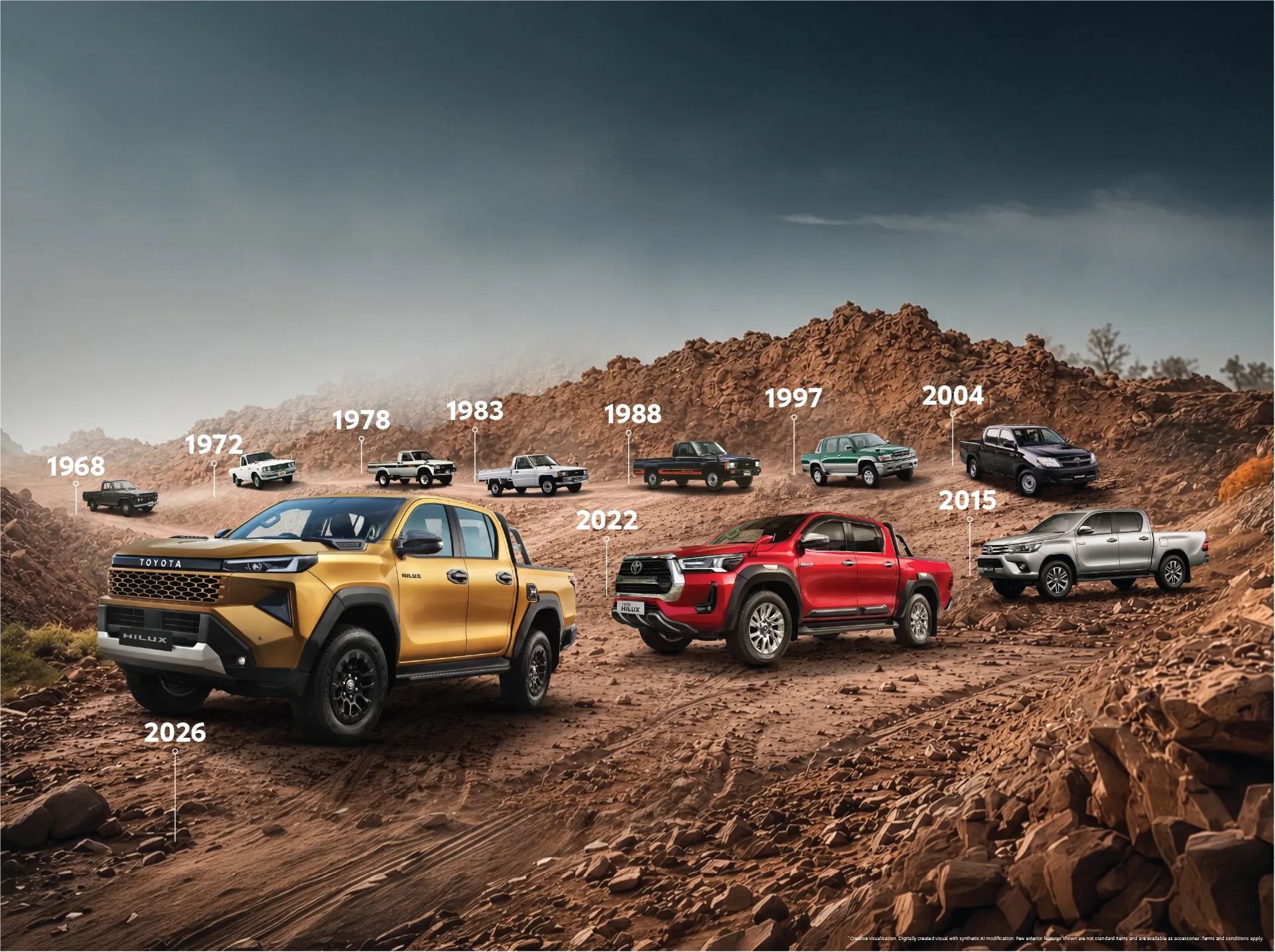
There was a time when you could recognise a Toyota Hilux from half a kilometre away, not because it was flashy, but because it looked like it had just returned from work. It was the automotive equivalent of a seasoned mountaineer. No drama, no unnecessary styling tricks, just a machine that quietly promised it would get the job done, whether that meant crossing a river, climbing a rocky trail, or spending years on a construction site.
The new ninth generation Toyota Hilux tells a different story.
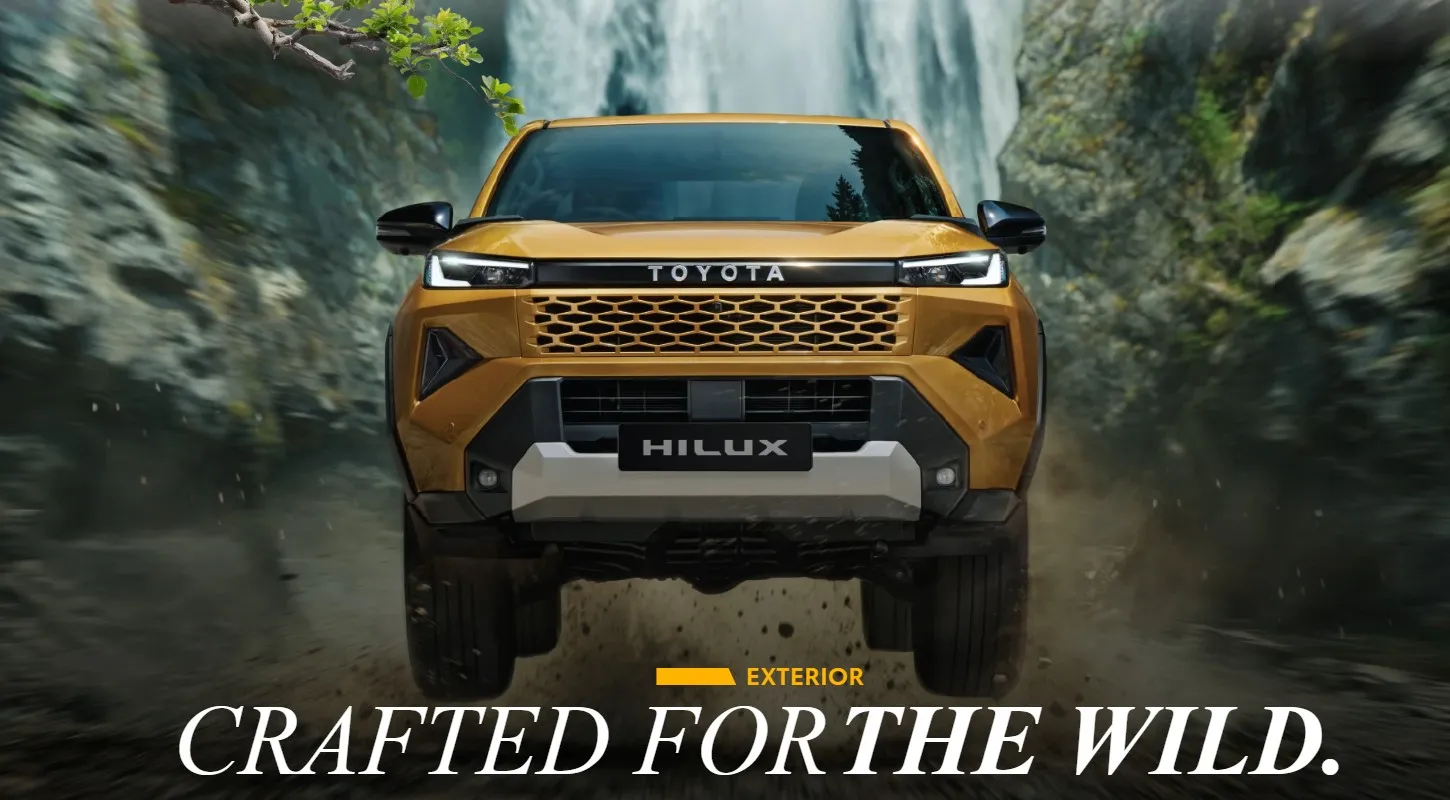
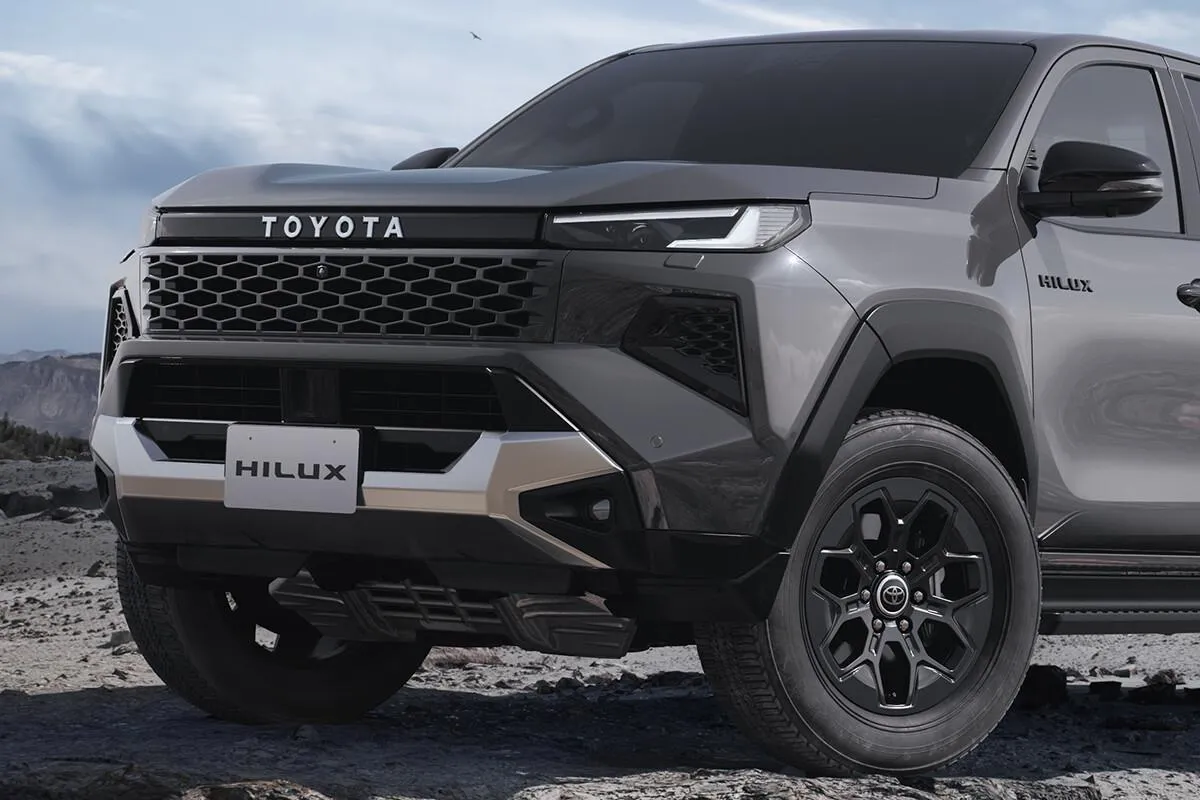
It still carries the same dependable 2.8 litre diesel engine, the same ladder-frame chassis, and the same reputation that has made the Hilux one of the most respected pickup trucks in the world. Yet the first thing you notice has nothing to do with its engineering. It is the face. Toyota calls it "Cyber Sumo", a name that immediately hints at where the design team wants this pickup to sit. The grille is larger, the lighting is sharper, and the overall stance feels more theatrical than purposeful.
That change says something bigger about where the automotive industry is heading.
Even vehicles built for the toughest environments are beginning to borrow visual cues from electric cars. Sharp LED signatures, geometric surfaces, glossy black panels, and futuristic detailing are slowly replacing the understated styling that once defined off-road icons. The Hilux is only the latest example. It almost feels as though every manufacturer wants its products to look digitally rendered before they even reach a showroom floor.
Whether that is progress depends entirely on what the Hilux means to you.
For decades, the Hilux never needed to prove its toughness through design. Its reputation was earned the hard way. It became famous for surviving deserts, Arctic expeditions, mining sites, floods, and perhaps most memorably, the famously brutal abuse it endured on television. The truck developed an almost mythical image because it looked ordinary while doing extraordinary things. That honesty became part of its appeal.
The latest Hilux feels less interested in that quiet confidence. Instead, it wants attention. There is nothing inherently wrong with that. Buyers spending over thirty lakh rupees increasingly expect their vehicles to stand out outside luxury hotels as much as they do on mountain trails. Toyota has recognised that expectation and responded accordingly. The question is whether the Hilux needed to.
Interestingly, the biggest update may not be the design at all. It is the introduction of a rear-wheel drive automatic variant priced at ₹31.99 lakh. On paper, this appears to dilute the Hilux's off-road credentials. In reality, it is probably the smartest decision Toyota has made.
The uncomfortable truth is that the overwhelming majority of Hilux buyers in India will never engage four-wheel drive, never lock the rear differential, and never crawl over boulders using low-range gearing. Most will spend their lives navigating city traffic, expressways, farmhouses, and the occasional highway road trip. Offering a more affordable two-wheel drive automatic acknowledges how these vehicles are actually used rather than how they are marketed.
That leads to a larger question about the Indian pickup market itself.
Unlike Australia, Thailand, or South Africa, India has never embraced lifestyle pickups in significant numbers. Our roads are crowded, parking spaces are shrinking, and family buyers still prioritise enclosed luggage space, easier rear seat access, and ride comfort over an open cargo bed. A pickup truck naturally asks for compromises that an SUV simply does not.
That is why the Hilux has always existed in a niche of its own. People rarely buy one because it is the most practical option. They buy it because it says something about who they are, or perhaps who they aspire to be. Owning a Hilux carries an image of exploration, self-reliance, and weekends spent far from mobile networks. Whether that image reflects reality is almost secondary. Much like owning a high-performance motorcycle that rarely leaves city limits, the emotional value often outweighs the practical one.
The irony is that Toyota itself seems to understand this better than anyone. The ninth generation Hilux is not trying to become a workhorse first. It is trying to become desirable. The larger touchscreen, connected technology, wireless smartphone integration, panoramic camera, and more premium cabin all point in that direction. These are upgrades buyers will notice every single day, unlike the differential lock that may remain untouched for years.
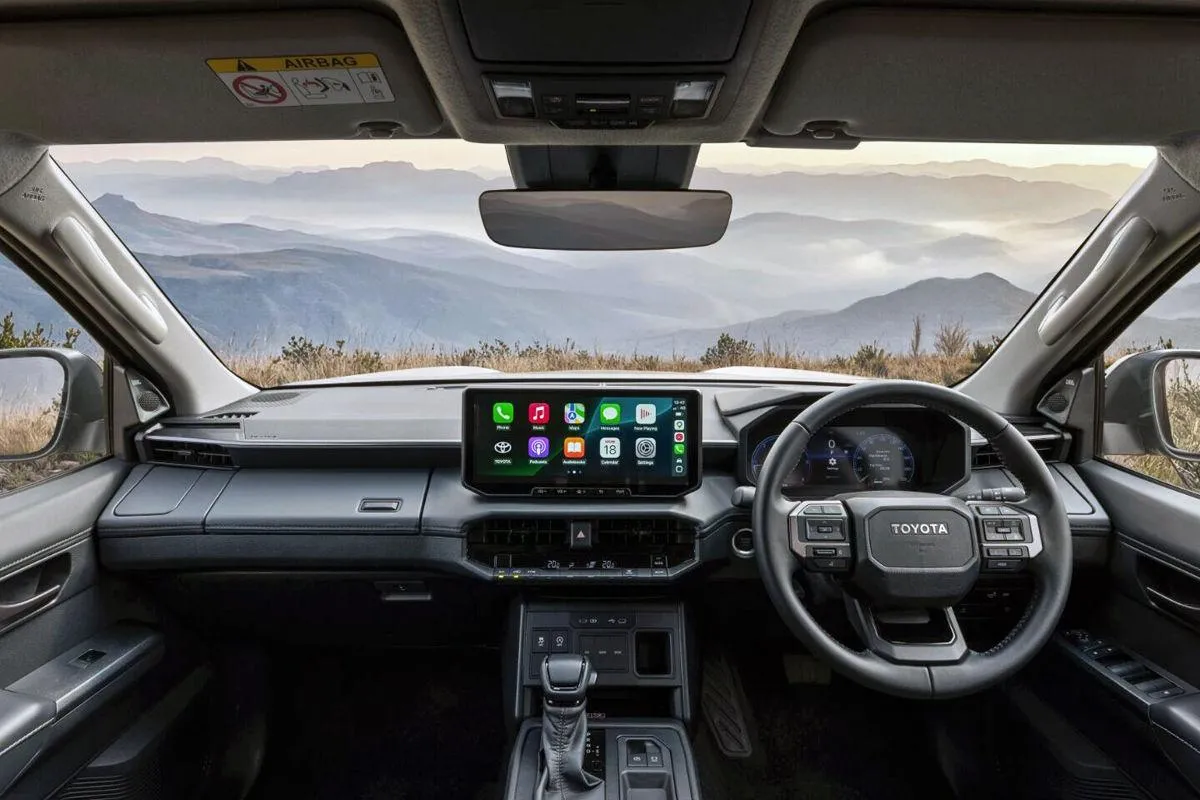
In doing so, Toyota has subtly shifted the Hilux's identity. Earlier generations felt like industrial machines that happened to be road legal. The new one feels like a premium lifestyle product that happens to be extremely capable off road. It is a small distinction, but an important one.