




























India’s Favourite Hatchback Just Went Tech-Crazy
By Zeeshan A Aqudus • Published on 6 Sept 2026For years, the Maruti Suzuki Baleno followed a simple formula: good mileage, decent looks, easy maintenance and a price that did not scare the family ...
For years, the Maruti Suzuki Baleno followed a simple formula: good mileage, decent looks, easy maintenance and a price that did not scare the family WhatsApp group.
The 2026 Baleno has a very different plan.
Maruti Suzuki has given its premium hatchback a new three-cylinder petrol engine, Level 2 ADAS, ventilated front seats, a 360-degree camera, wireless charging and several other technology upgrades. The facelift starts at ₹6.10 lakh, ex-showroom.
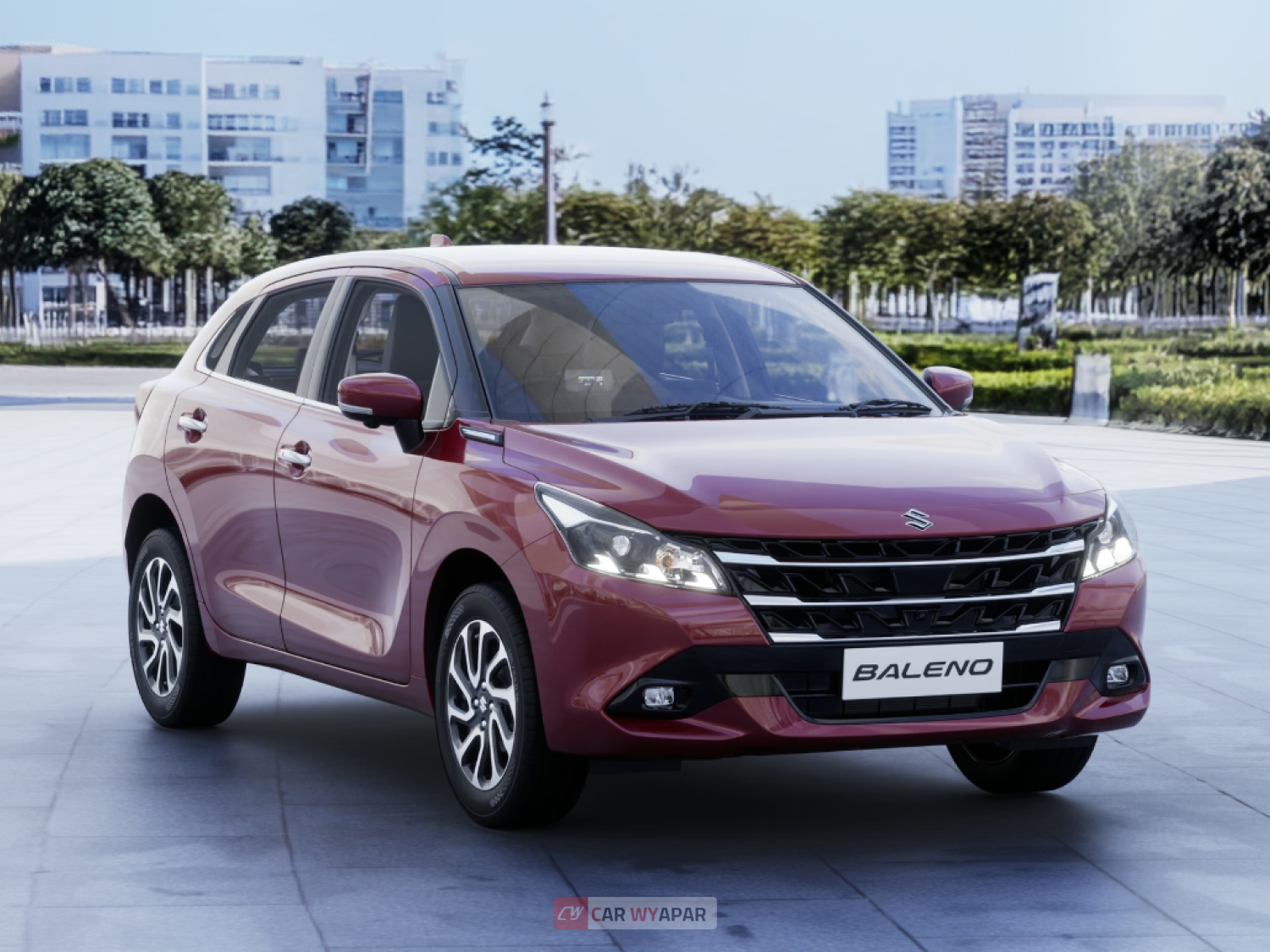
And suddenly, the Baleno has a very interesting question to answer:
Can a mass-market hatchback now offer the kind of technology buyers expected from much more expensive cars?
2026 Maruti Baleno Facelift Price
The new Baleno facelift starts at ₹6.10 lakh, ex-showroom for the base Sigma petrol manual variant. The starting price is around ₹20,000 higher than the outgoing model.
The important point is that Maruti has added a lot more technology to the car without moving it into a completely different price bracket.
|
Maruti Baleno 2026 |
Details |
|---|---|
|
Starting price |
₹6.10 lakh |
|
Body type |
Premium hatchback |
|
Seating capacity |
5 |
|
Petrol engine |
1.2-litre Z-Series, 3-cylinder |
|
Transmission |
5-speed manual, AMT |
|
ADAS |
Level 2 |
|
Camera |
360-degree |
|
Infotainment |
9-inch touchscreen |
|
HUD |
Yes |
|
Ventilated seats |
Yes |
|
Wireless charger |
Yes |
|
Airbags |
6 |
|
TPMS |
Yes |
|
Boot space |
318 litres |
The exact variant-wise pricing for the higher trims is expected to vary, but the entry price makes the Baleno particularly interesting for buyers shopping around the ₹7 lakh to ₹10 lakh range.
What Is New in the 2026 Baleno?
The facelift brings changes in four major areas:
Design
Engine
Safety
Comfort and technology
The biggest story, however, is clearly the technology.
1. Level 2 ADAS Comes to the Baleno
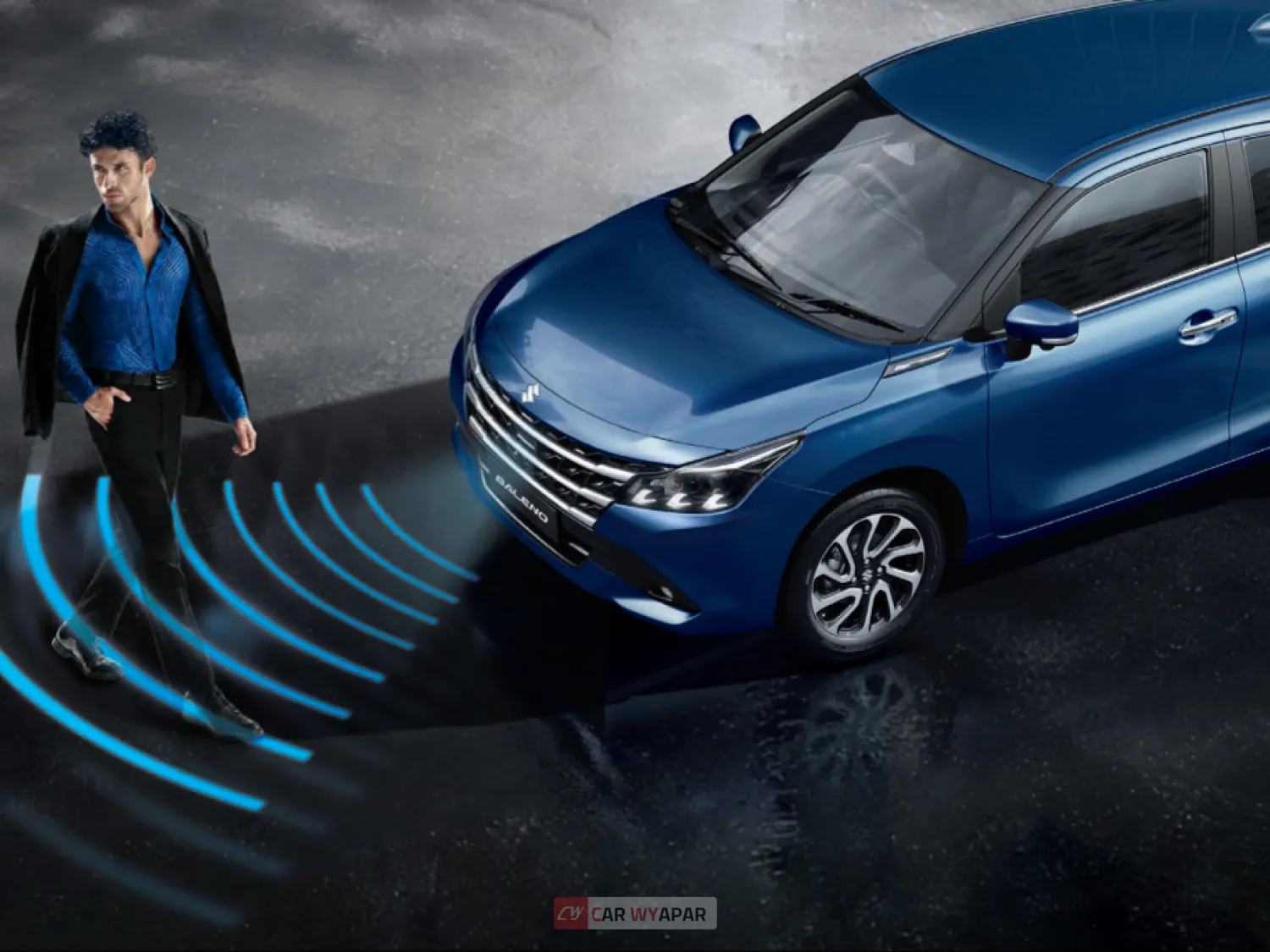
This is the feature that changes the conversation.
The 2026 Baleno gets Level 2 Advanced Driver Assistance Systems, making it one of the most technology-heavy cars in its segment.
The ADAS package includes features such as:
Adaptive Cruise Control
Lane Keep Assist
Automatic Emergency Braking
Forward Collision Warning
High Beam Assist
Other driver assistance functions
Autocar India reports that none of the Baleno's direct premium hatchback rivals currently offer the same Level 2 ADAS package.
This matters because ADAS is slowly moving from luxury cars to affordable Indian cars.
A few years ago, adaptive cruise control sounded like something you would find in a Mercedes.
Now it is sitting inside a Baleno.
That is a pretty big change.
2. Ventilated Front Seats
Indian summers have entered the chat.
The new Baleno gets ventilated front seats, which are being positioned as a segment-first feature.
For buyers living in cities such as Delhi, Jaipur, Nagpur, Lucknow or Ahmedabad, this could be more useful than many flashy cabin features.
The system helps circulate air through the seat surface, making long drives more comfortable during hot weather.
It is one of those features that sounds unnecessary in a brochure and becomes difficult to live without after using it.
3. 360-Degree Camera
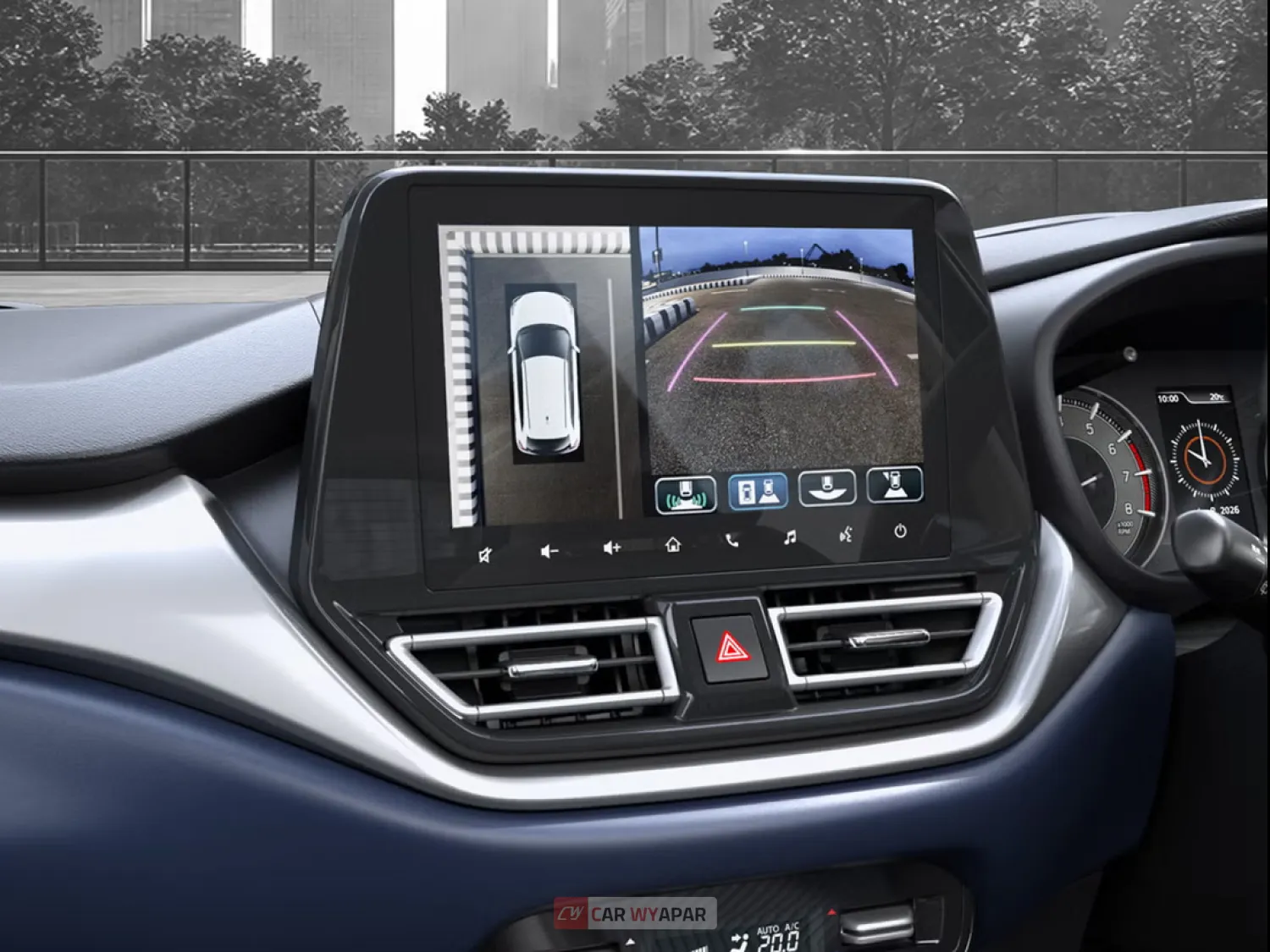
Parking a hatchback should not require military-grade spatial awareness.
The new Baleno gets a 360-degree surround-view camera, giving the driver a bird's-eye-style view of the vehicle and its surroundings.
This can be especially useful in:
Crowded apartment parking
Narrow lanes
Tight shopping-centre parking
Parallel parking
Avoiding low obstacles
It also gives the Baleno a more premium feel.
4. Head-Up Display
The Baleno continues with its Head-Up Display, which projects important information into the driver's line of sight.
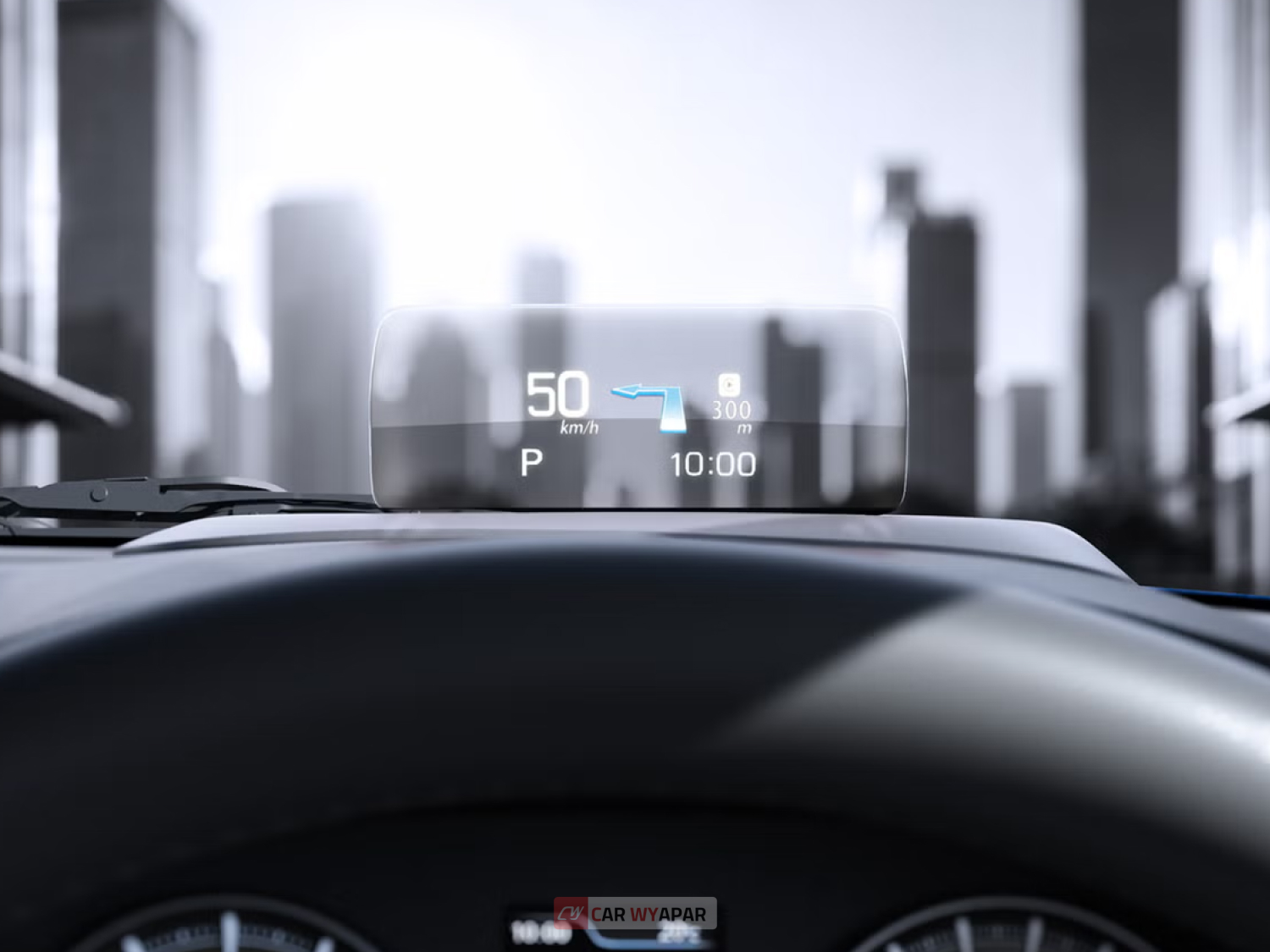
The HUD can reduce the need to repeatedly look down at the instrument cluster or infotainment screen.
For a car in this price range, it remains a useful differentiator.
5. 9-Inch SmartPlay Pro+ Infotainment System
The Baleno retains its 9-inch touchscreen infotainment system with wireless Android Auto and Apple CarPlay.
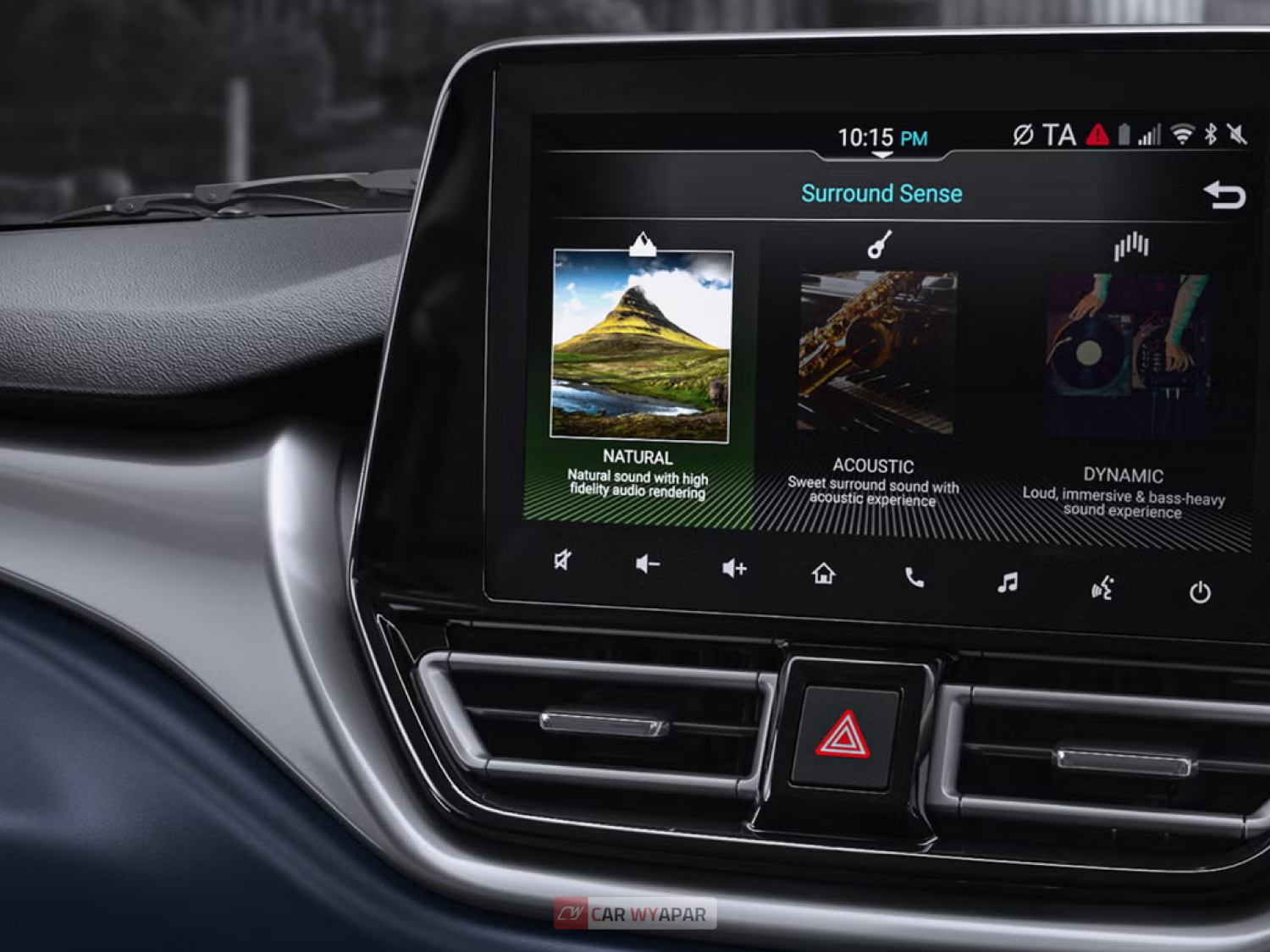
This means the cabin continues to focus on connected features rather than making the dashboard look like an electronics shop.
The system is paired with a new branded Clarion audio setup in the facelift.
6. Wireless Charging Gets Better
Wireless smartphone charging is also available, and the facelift adds cooling to the wireless charging area.
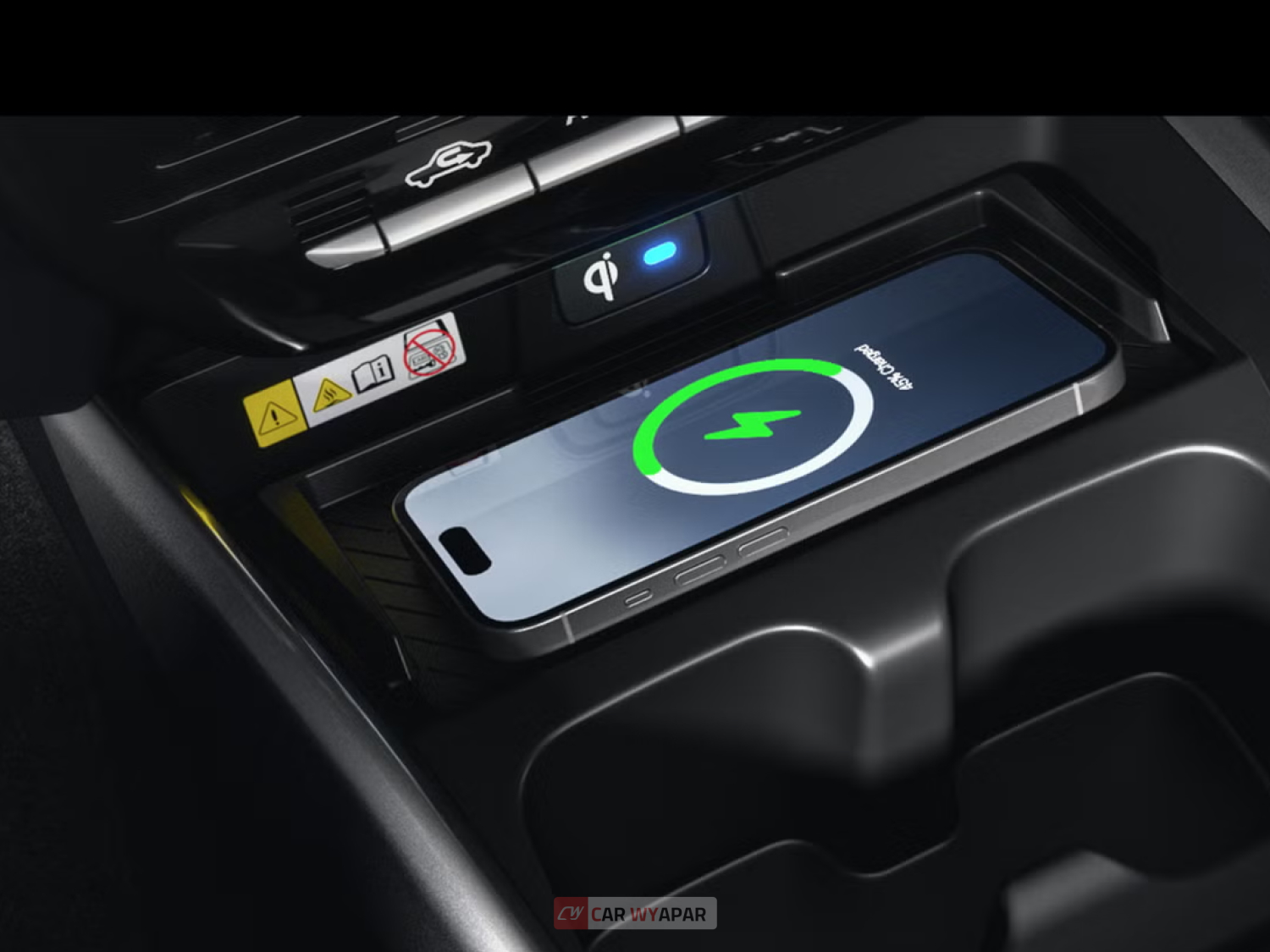
That is a small but useful upgrade.
Anyone who has used wireless charging in an Indian summer knows the problem. Phone gets hot, charging slows down and suddenly your ₹80,000 smartphone is behaving like a boiled potato.
Cooling helps address that problem.
The New Z-Series Engine
The other major change is under the bonnet.
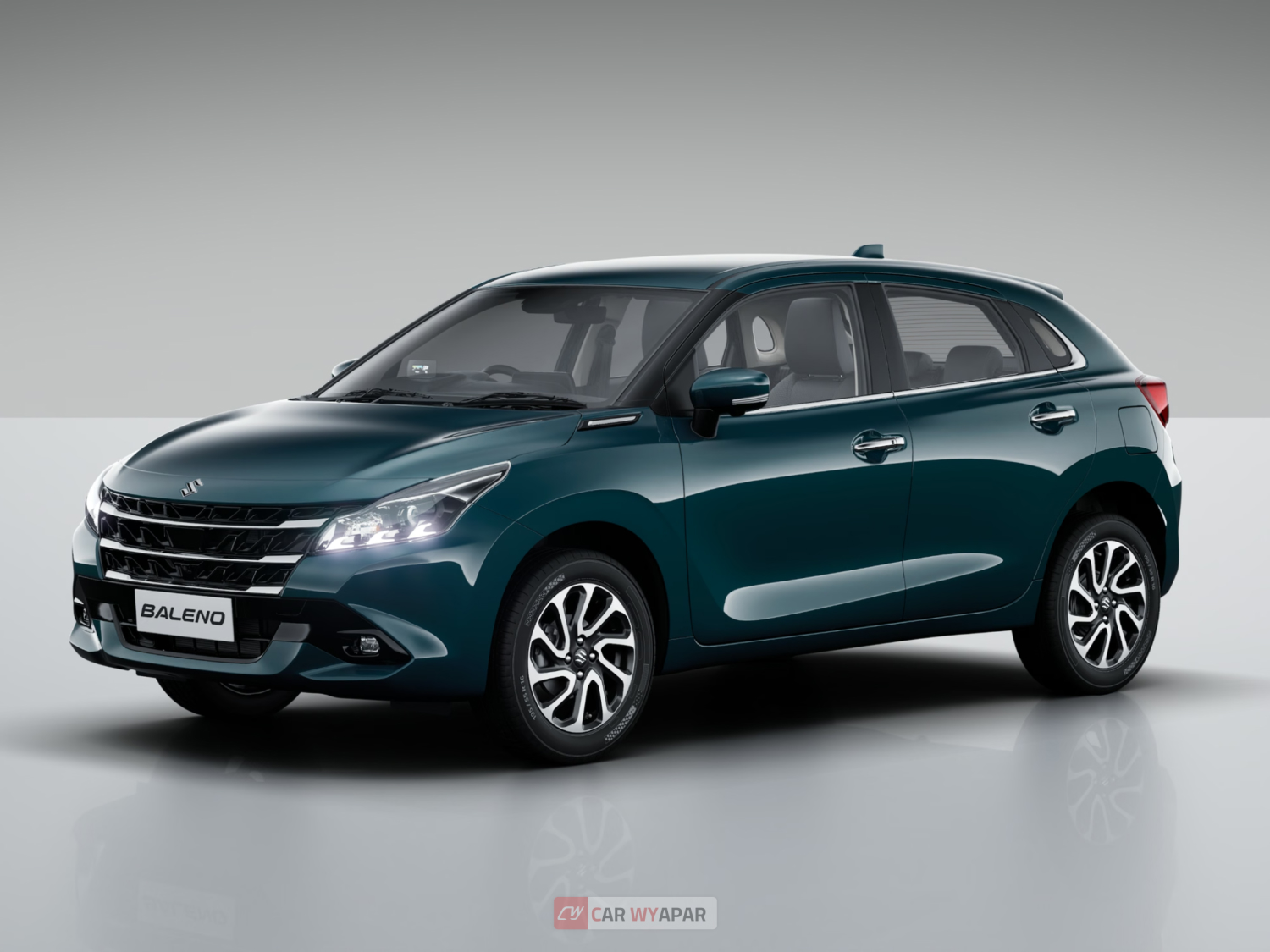
The 2026 Baleno gets a 1.2-litre, three-cylinder naturally aspirated Z-Series petrol engine. The engine is also used in other newer Maruti Suzuki models such as the Swift and Dzire.
The engine has been designed with efficiency and everyday usability in mind.
For Baleno buyers, the important question will be simple:
Is the new three-cylinder engine better to drive than the outgoing four-cylinder motor?
That answer will depend heavily on real-world refinement, vibration and low-speed response.
On paper, the move makes sense for Maruti because the Z-Series family is designed around efficiency and modern emissions requirements.
But buyers moving from the older four-cylinder Baleno may notice the difference in engine character.
Manual and AMT Options
The Baleno continues to offer manual and automatic options, with the facelift introducing an AMT option alongside the new engine.
For city users, the AMT should appeal to buyers who want an automatic without paying the much higher price normally associated with conventional automatic gearboxes.
That makes the Baleno more attractive as a daily office car.
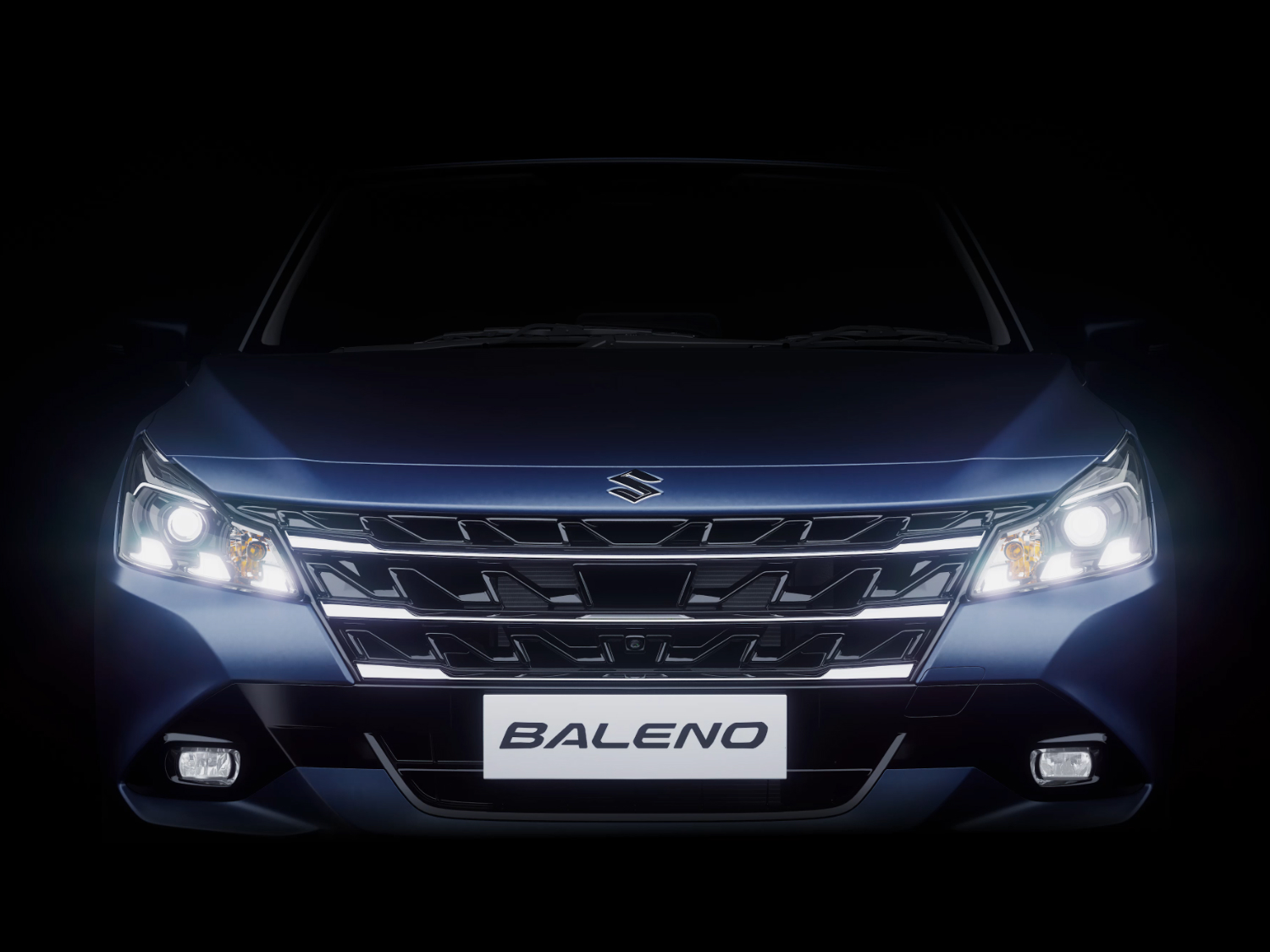
Baleno 2026 Design: New Face, Familiar Body
The facelift does not completely redesign the Baleno.
Instead, Maruti has concentrated on the front-end treatment.
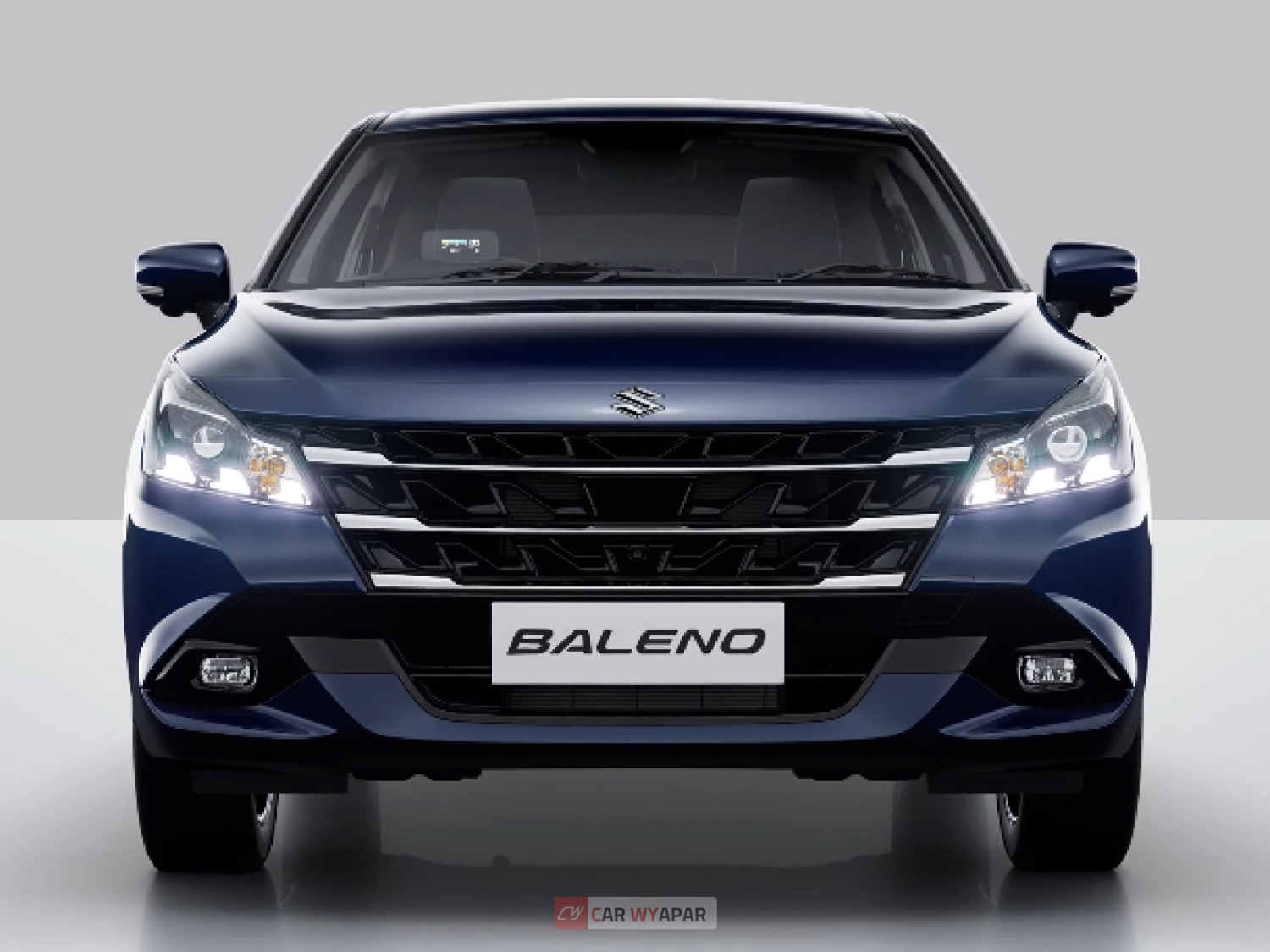
The new Baleno gets:
Larger trapezoidal grille
Three chrome grille strips
Revised bumper
New fog lamp treatment
New alloy wheel design
Shark-fin antenna
New colour options
The overall side profile remains familiar, while the rear receives fewer changes.
So if you were expecting an entirely new Baleno, you might be slightly disappointed.
But that is how facelifts normally work.
Maruti has kept the basic shape that already works and spent more money on technology underneath the skin.
Safety Gets a Major Upgrade
The biggest improvement to the Baleno is arguably safety technology.
The 2026 model gets:
Level 2 ADAS
Six airbags
360-degree camera
TPMS
ABS with EBD
Electronic Stability Control
Hill Hold Assist
Rear parking sensors
ISOFIX child-seat mounts
The facelift also continues with other safety equipment from the previous model.
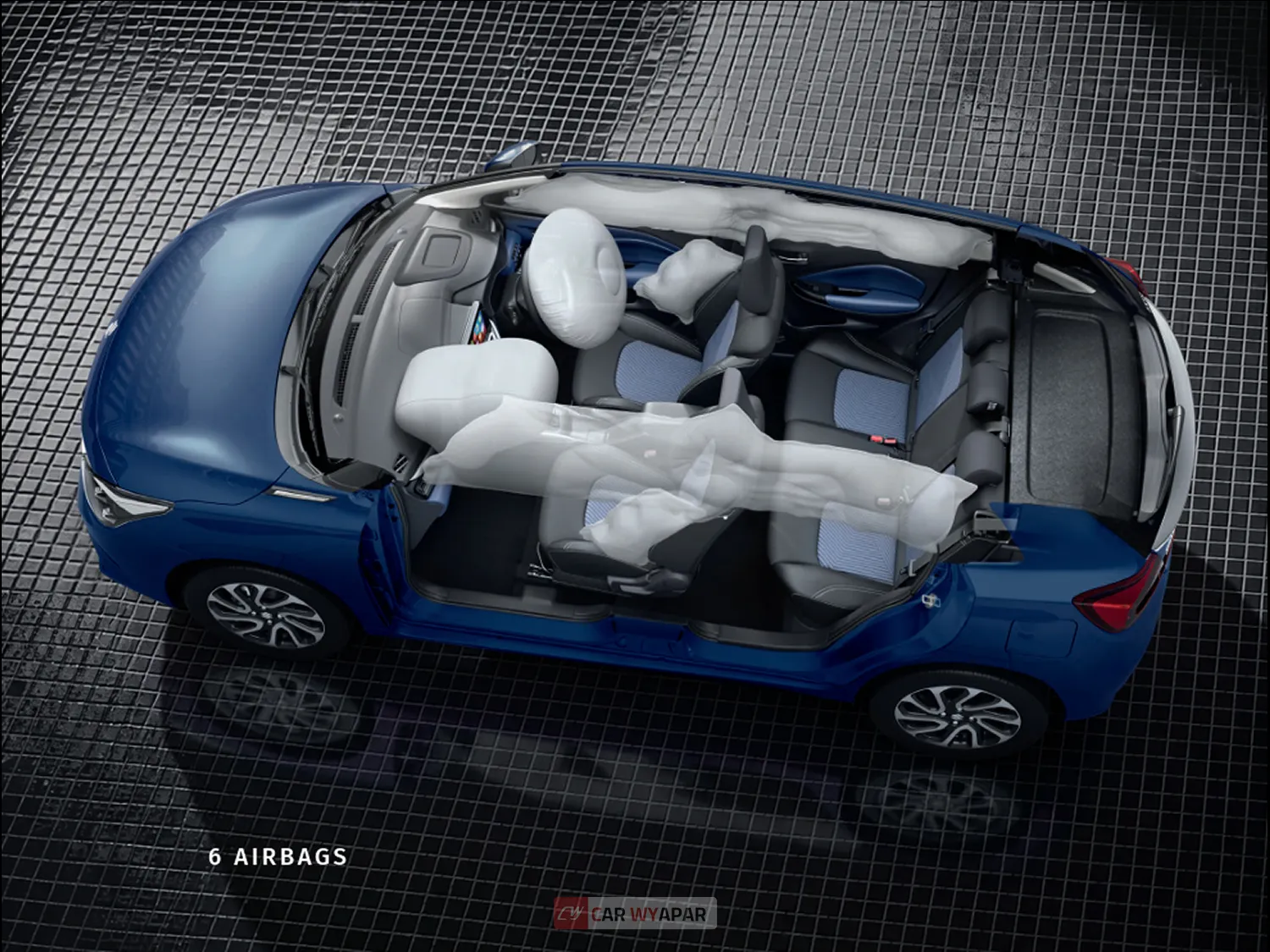
The Baleno has also previously received a 4-star Bharat NCAP rating, according to current reports.
That combination of crash protection and electronic safety assistance makes the new model considerably more interesting for family buyers.
Is ADAS Really Useful on Indian Roads?
This is where things get interesting.
ADAS is useful, but buyers should not treat Level 2 ADAS as autonomous driving.
The driver still needs to remain alert and responsible.
Indian roads are full of motorcycles suddenly appearing from nowhere, pedestrians crossing wherever they feel like it, badly marked lanes and vehicles changing direction based on pure instinct.
So ADAS should be treated as a driver assistance system, not a replacement for the driver.
Adaptive cruise control can be useful on highways.
Lane keeping can help during long drives.
Automatic emergency braking can potentially reduce the severity of some collisions.
But no system can defeat India's legendary "bhai indicator toh optional hai" driving style.
Baleno vs Hyundai i20 vs Tata Altroz
The Baleno's biggest rivals remain the Hyundai i20 and Tata Altroz.
|
Feature |
Baleno Facelift |
Hyundai i20 |
Tata Altroz |
|---|---|---|---|
|
Level 2 ADAS |
Yes |
No |
No |
|
Ventilated front seats |
Yes |
No |
No |
|
360-degree camera |
Yes |
Available |
Available |
|
HUD |
Yes |
No |
No |
|
Wireless charging |
Yes |
Yes |
Available |
|
9-inch infotainment |
Yes |
Yes |
Yes |
|
Six airbags |
Yes |
Yes |
Yes |
|
Petrol engine |
1.2L 3-cylinder |
1.2L petrol |
Petrol options |
|
AMT |
Yes |
Yes |
Yes |
|
CNG |
Yes |
No |
Yes |
|
Premium hatchback |
Yes |
Yes |
Yes |
The exact equipment varies by variant, so buyers should compare equivalent trims rather than comparing only the base prices.
Still, on technology, the Baleno has clearly moved ahead.
Why the 2026 Baleno Could Be a Big Deal
The Indian car buyer has changed.
Mileage is still important.
Price is still important.
Low maintenance is still important.
But buyers now also want:
ADAS.
Connected features.
360-degree cameras.
Wireless charging.
Premium interiors.
Better safety.
The 2026 Baleno tries to put all of that into a familiar Maruti package.
That could be a powerful combination.
Maruti already has one of the country's biggest sales and service networks. Add modern safety technology to that ownership ecosystem and the Baleno becomes much more difficult for rivals to ignore.
What I Like About the 2026 Baleno
1. Level 2 ADAS
This is easily the biggest upgrade.
2. Ventilated seats
A genuinely useful feature for Indian weather.
3. 360-degree camera
Very useful for city driving.
4. Familiar Baleno package
The car remains practical and easy to understand.
5. New Z-Series engine
The new engine should help Maruti maintain its focus on efficiency.
6. ₹6.10 lakh starting price
The starting price keeps the Baleno within reach of a large group of buyers.
What Could Still Be Better?
The facelift is not perfect.
The basic exterior design remains quite familiar.
The cabin layout also does not get a dramatic redesign. The analogue instrument cluster with a colour MID continues, while some expected premium features such as a sunroof remain absent.
The three-cylinder engine will also need to prove itself in real-world driving.
A good fuel economy number is great.
A smooth engine is better.
And a smooth engine with good mileage is what Baleno buyers will actually want.
Should You Buy the 2026 Maruti Baleno?
If your priorities are mileage, easy ownership, modern features, city-friendly dimensions and strong technology, the new Baleno deserves serious consideration.
The biggest reason to buy it is not the new grille.
It is not the shark-fin antenna.
It is not even the new touchscreen.
It is the combination of Level 2 ADAS, ventilated seats, 360-degree camera, HUD and the new Z-Series engine in a mainstream hatchback.
That combination was difficult to imagine a few years ago.
Now it starts at ₹6.10 lakh.
CarWyapar Expert Says
The 2026 Maruti Suzuki Baleno facelift is one of the most significant technology upgrades in the premium hatchback segment.
Maruti has understood something important.
Indian buyers no longer want to choose between good mileage and good technology.
They want both.
The new Baleno attempts to deliver exactly that.
At ₹6.10 lakh, the entry price is aggressive. The Level 2 ADAS package gives it a major talking point. Ventilated seats add genuine everyday comfort, while the 360-degree camera and HUD make the car feel considerably more expensive than it is.
The Hyundai i20 and Tata Altroz now have a serious problem.
The Baleno has entered the fight with its old weapons, price, efficiency and practicality, but this time it has brought some new ones too.
And apparently, one of them is a radar sensor.
2026 Baleno: boring family hatchback? Not anymore.
.webp)