


















How Maruti Brezza’s Turbo Engine is a Big Blow to the Tata Nexon
By Gaurav Cyril • Published on 4 Aug 2026So far, it was the German brands like Volkswagen and Škoda that pioneered bringing small-displacement turbo-petrol engines to the compact SUV segment....

So far, it was the German brands like Volkswagen and Škoda that pioneered bringing small-displacement turbo-petrol engines to the compact SUV segment. When VW and Škoda introduced their 1.0-litre TSI engines, many buyers initially felt that a compact SUV needed at least a 1.2-litre engine to deliver punchy performance. However, modern turbocharging technology quickly proved that engine tuning and power delivery matter far more than mere cubic capacity (CC).
The Nexon Strategy: Proving Power over Engine Size
The Tata Nexon built its formidable market dominance on versatility, offering a wide spread of powertrains including:
1.2-Litre Turbo-Petrol
1.5-Litre Diesel
iCNG (Twin-Cylinder Technology)
EV (Electric Vehicle)
Automakers like Tata have spent years educating buyers that engine size (CC) is no longer the sole indicator of performance. In the past, massive utility vehicles like the iconic Tata Sumo or Spacio relied on huge 3.0-litre naturally aspirated diesel engines that managed to produce a modest 65 to 70 bhp. In contrast, today's compact 1.2-litre turbo engines effortlessly churn out 118+ bhp and double the torque, proving that forced induction, efficiency, and modern engineering easily trump sheer engine volume.
Why the Turbo Brezza is a Massive Threat to Nexon
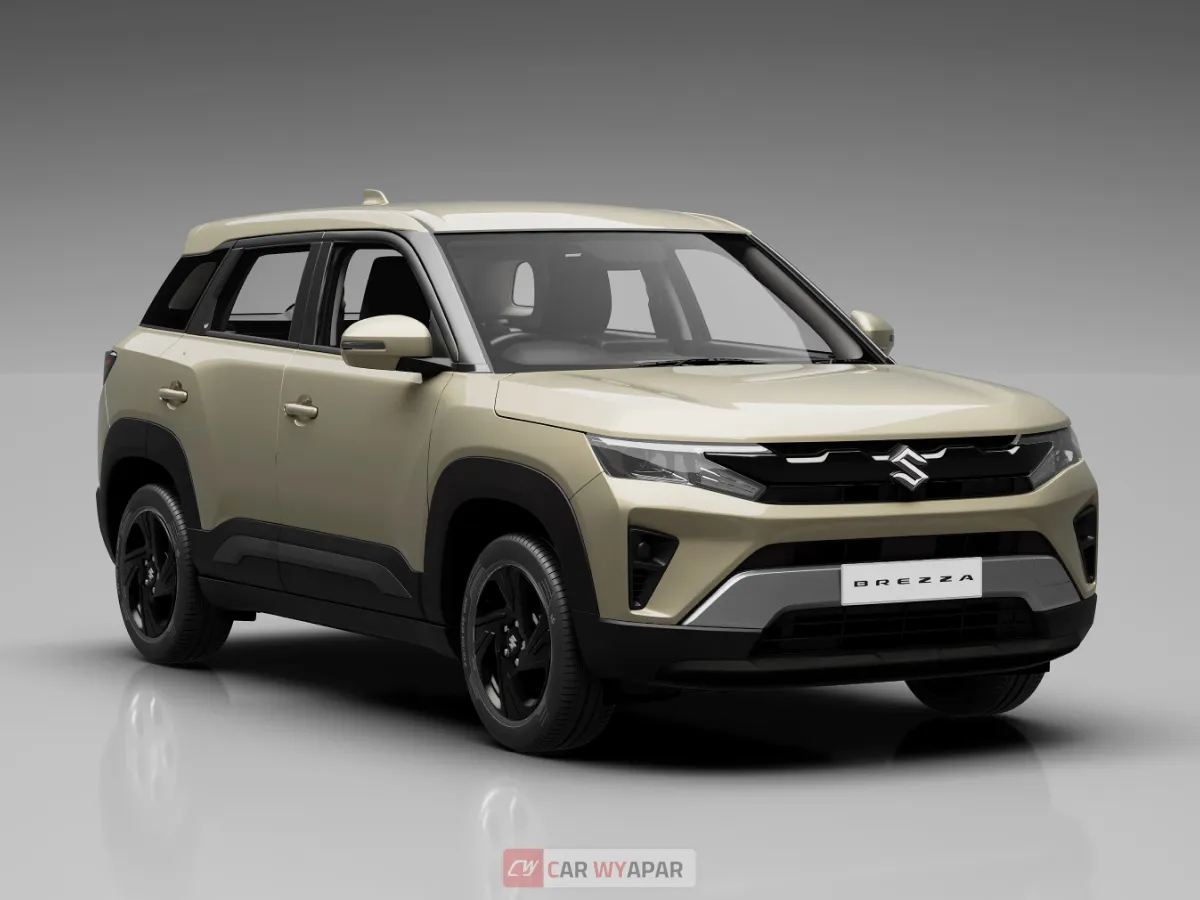
For years, the Maruti Suzuki Brezza’s primary drawback against the Nexon was its reliance on a calm, sensible 1.5-litre naturally aspirated K15C engine. While reliable and fuel-efficient, it lacked the immediate punch, mid-range grunt, and excitement that enthusiasts loved in the Nexon's turbocharged setup.
By introducing a punchy turbo engine in the Brezza, Maruti Suzuki directly eliminates its single biggest weakness. Buyers no longer have to compromise between driving excitement and Maruti's legendary peace of mind.
The After-Sales Dilemma: Where Maruti Takes the Lead
While Tata Motors has made strides in design and safety ratings, its persistent struggle with after-sales service quality, fit-and-finish consistency, and electronic glitches remains a pain point for prospective buyers. On the other hand, Maruti Suzuki commands unmatched brand trust across urban and rural India.
Faced with a choice between a turbocharged Nexon backed by unpredictable service support and a turbocharged Brezza backed by Maruti’s bulletproof service network, a vast majority of buyers are likely to sway toward the Brezza.
Segment Sales Overview: Brezza, Nexon, Venue, & XUV 3XO
The sub-4-metre SUV space remains one of the most fiercely contested segments in the Indian automotive market. Looking at recent monthly sales figures:
|
SUV Model |
Monthly Sales Range (Units) |
Segment Position |
|
Tata Nexon |
18,000 – 23,000+ |
Segment Co-Leader (Petrol, Diesel, CNG, EV) |
|
Maruti Brezza |
13,000 – 17,500+ |
Top Performer (Consistent Volume) |
|
Hyundai Venue |
10,000 – 12,500 |
Strong Mid-Pack Contender |
|
Mahindra XUV 3XO |
6,700 – 10,000 |
Growing Niche Challenger |
While the Hyundai Venue and Mahindra XUV 3XO maintain steady numbers, the primary battle for the crown has always been between the Nexon and the Brezza. Previously, Nexon captured buyers looking for performance and features, leaving Brezza to capture buyers prioritizing reliability and mileage.
Conclusion: A Lethal Combination
The addition of a turbocharged engine turns the Maruti Suzuki Brezza into a truly lethal proposition. It bridges the gap between thrilling performance and hassle-free ownership. For the Tata Nexon, which long enjoyed a clear advantage in performance-oriented petrol SUVs, the arrival of a turbo-powered Brezza represents the biggest threat to its throne yet.