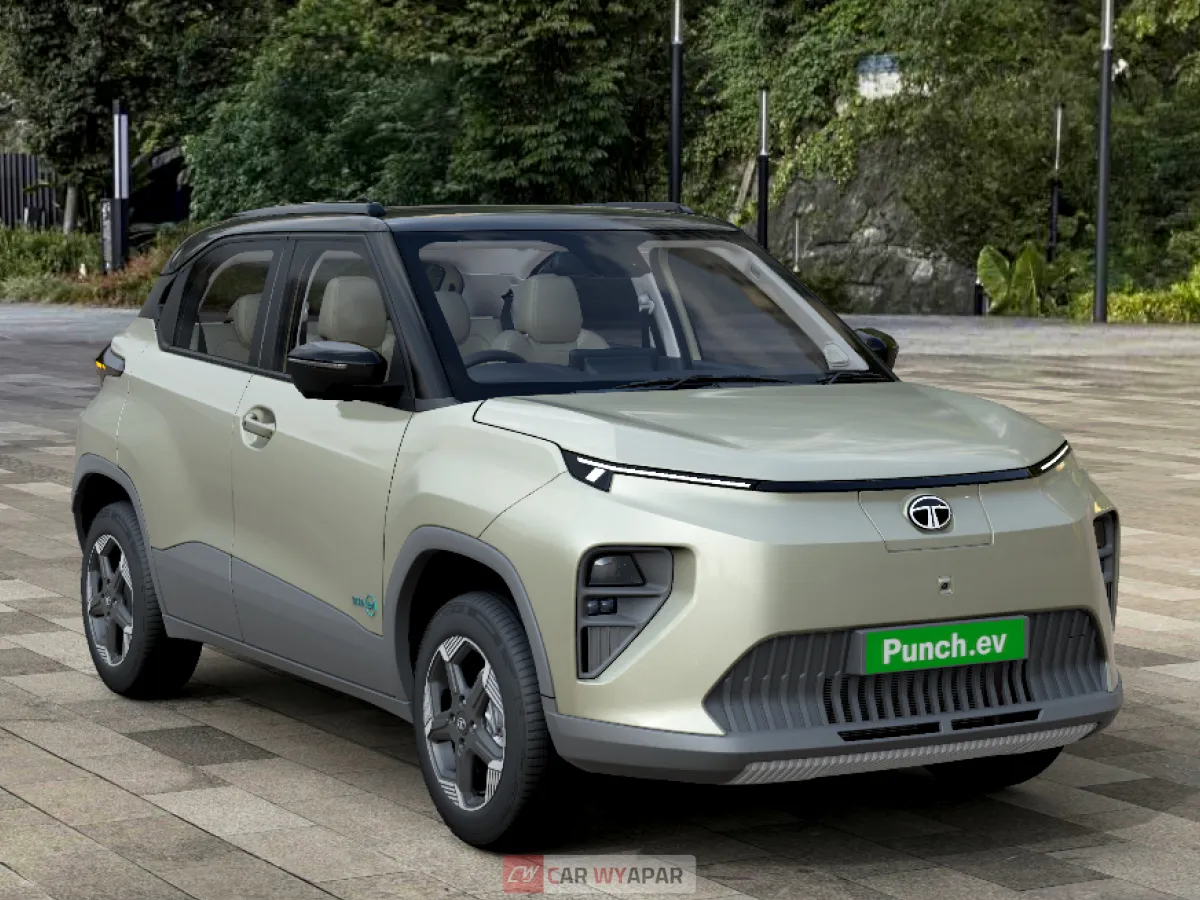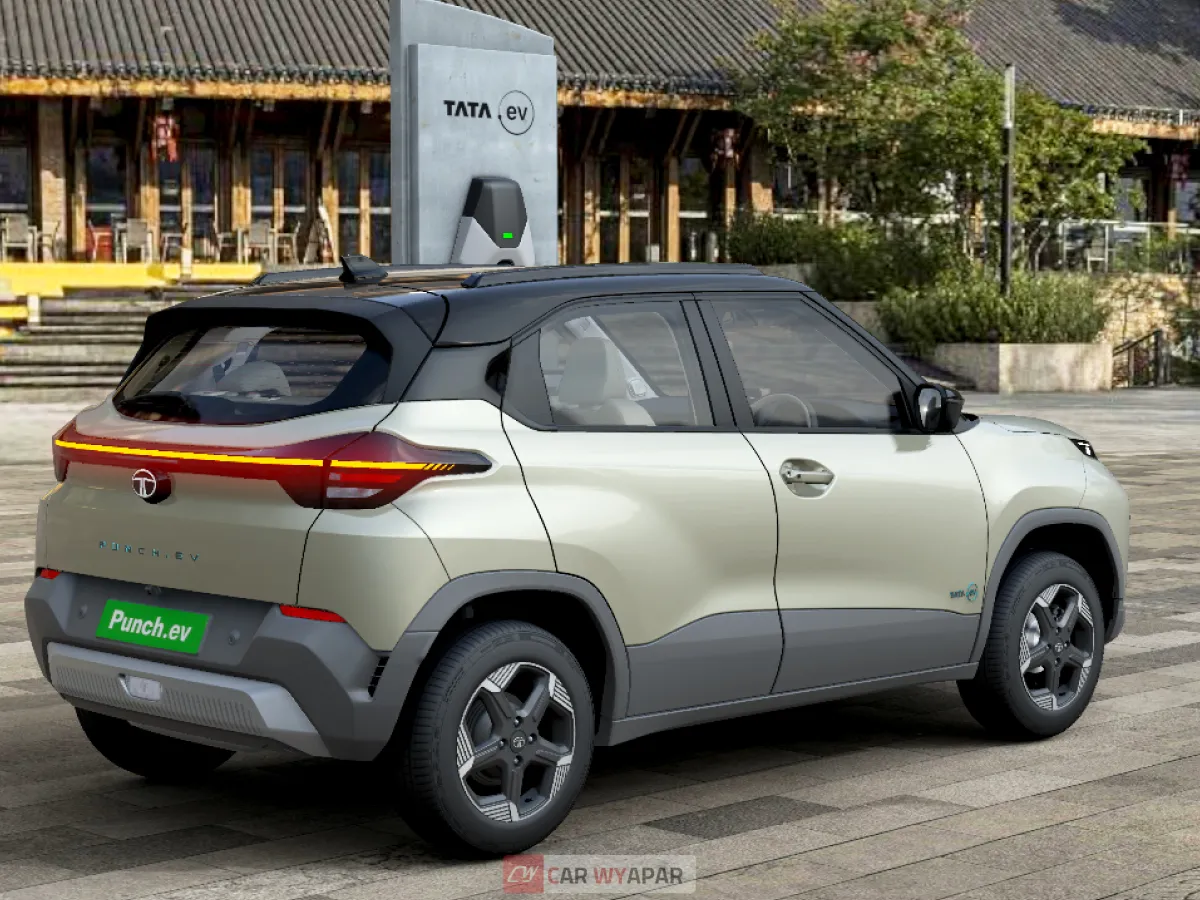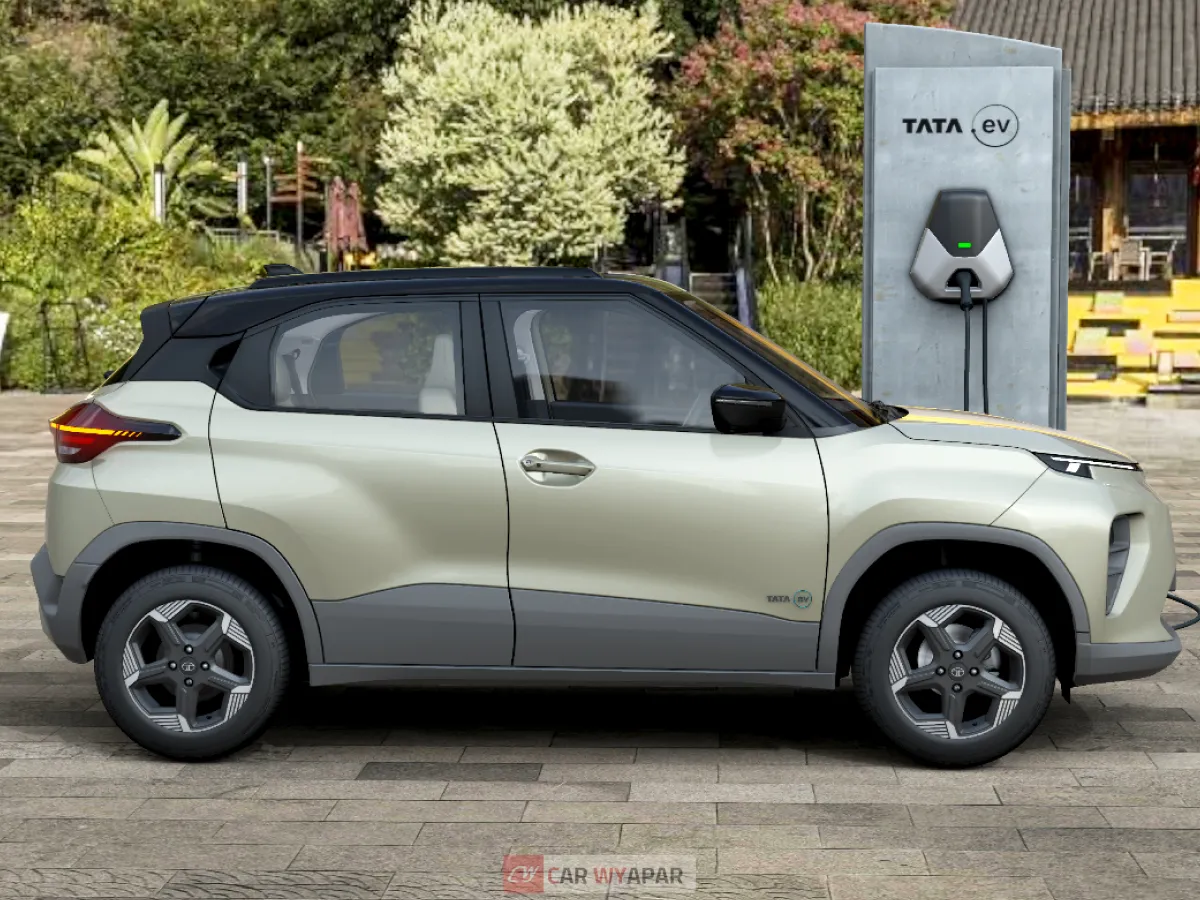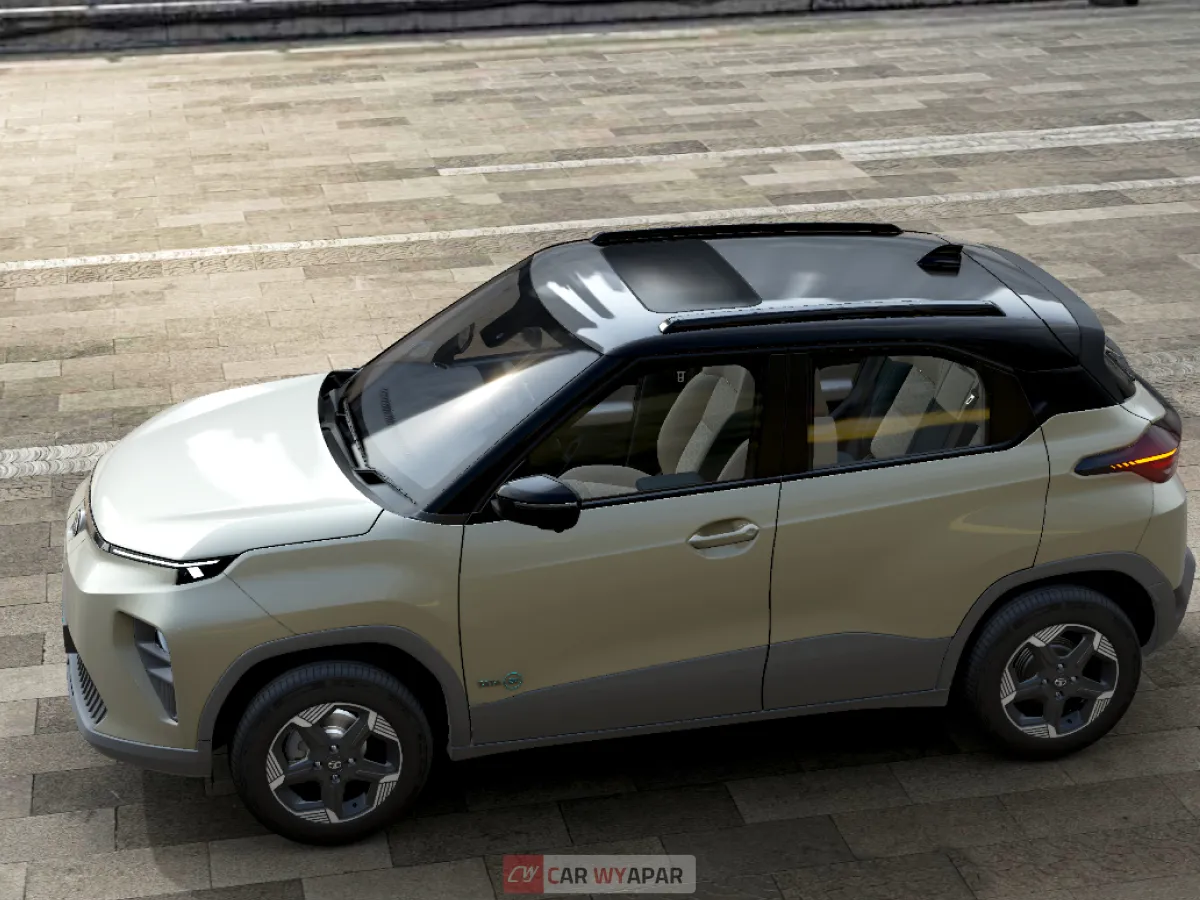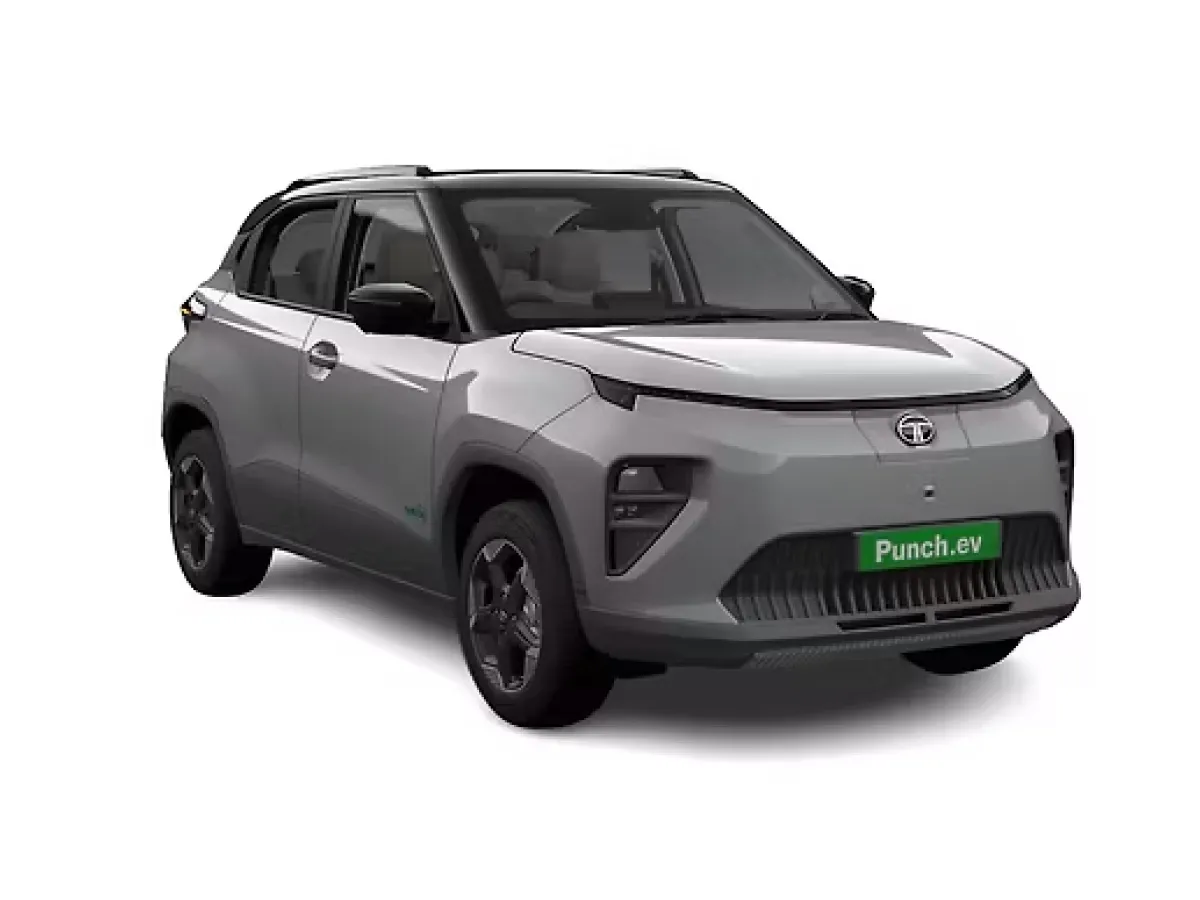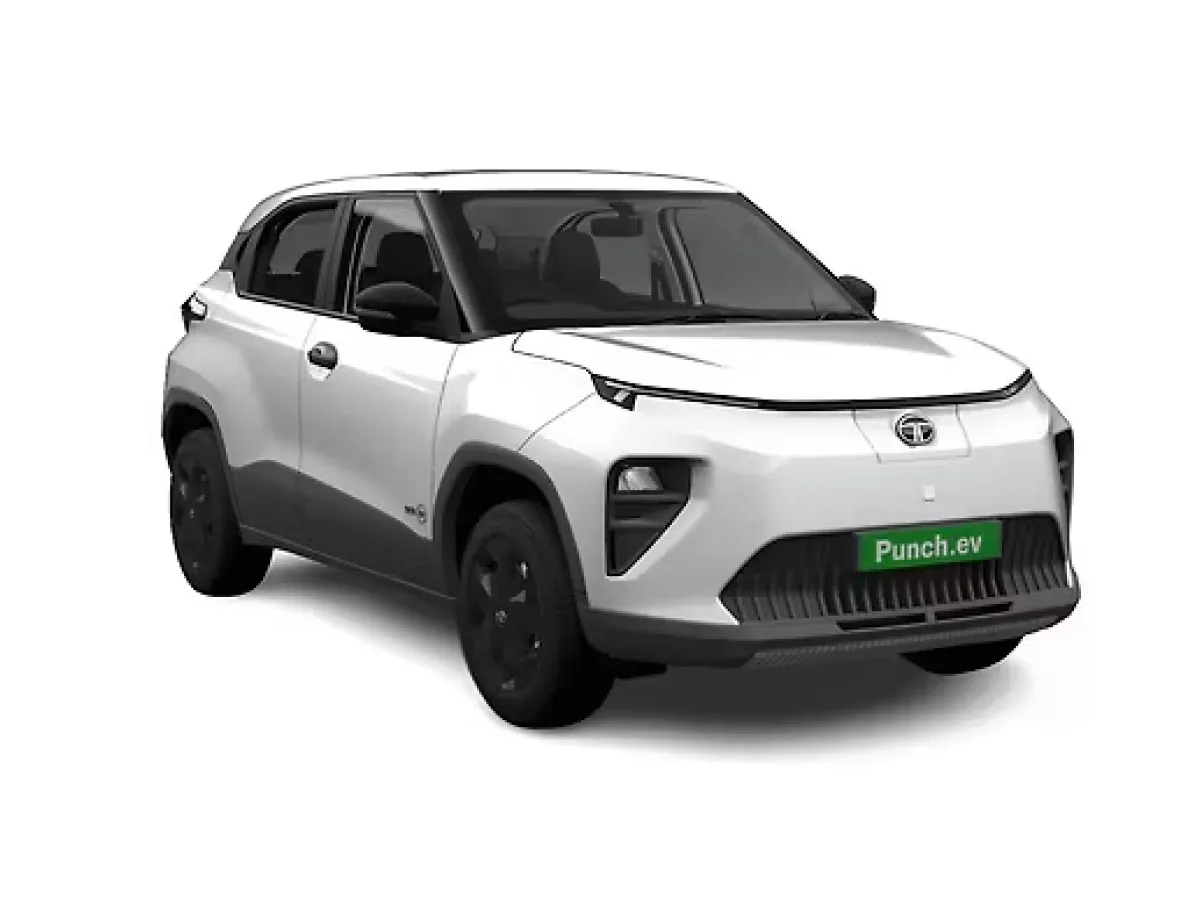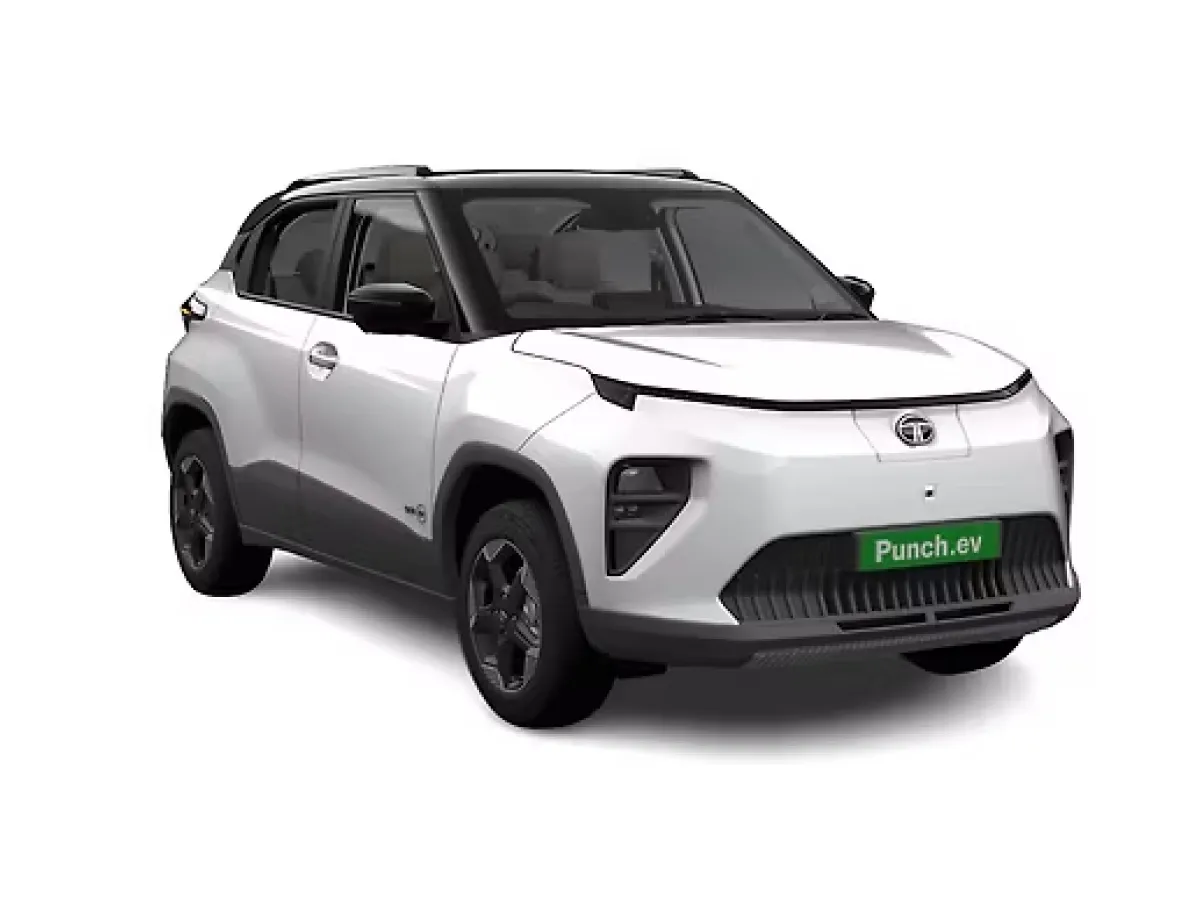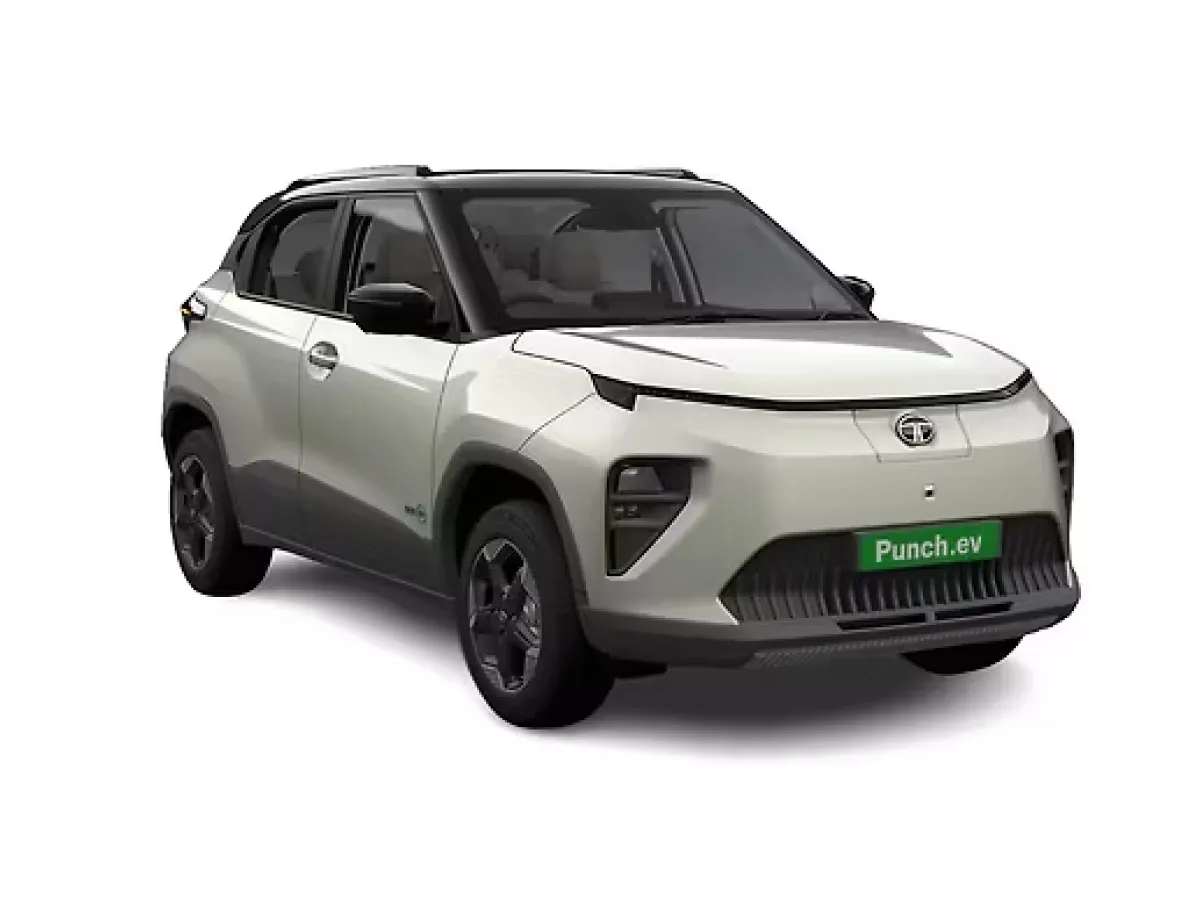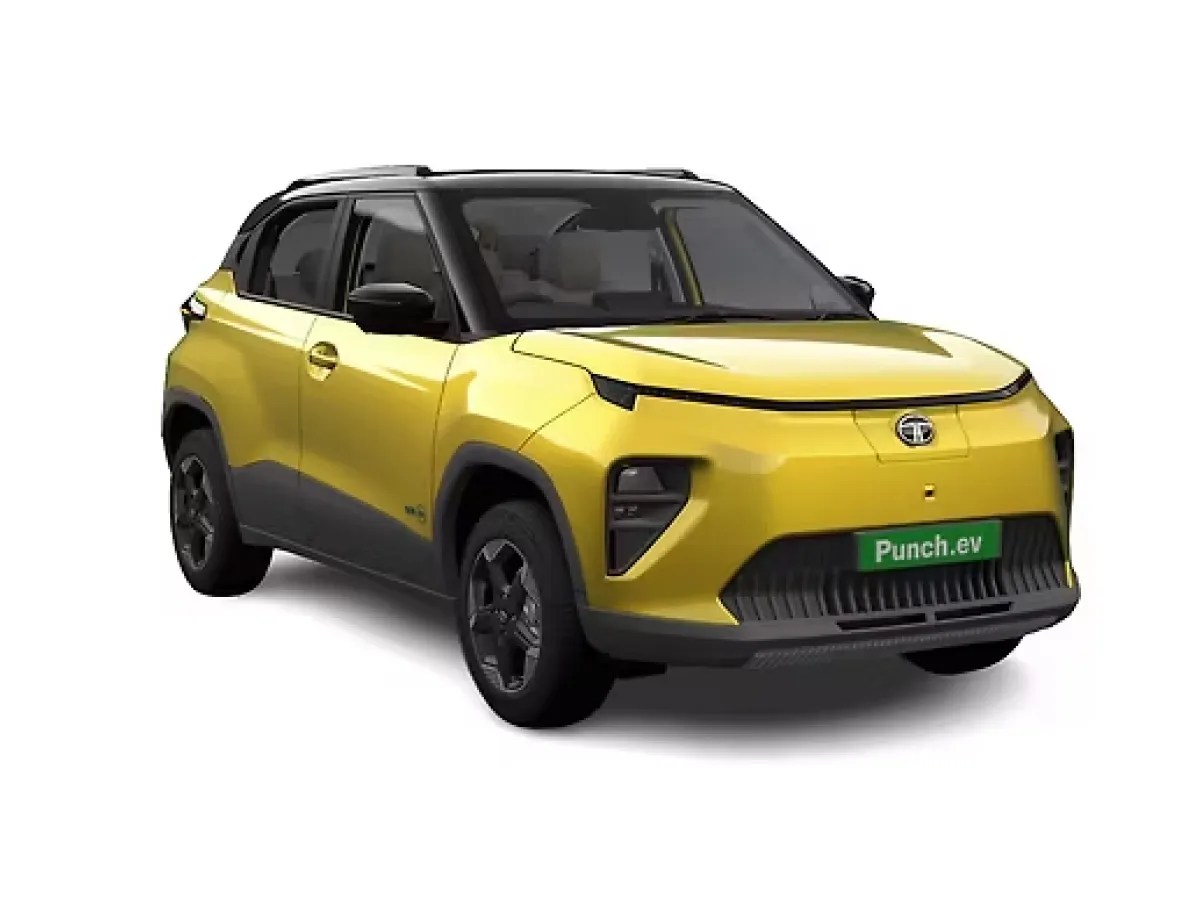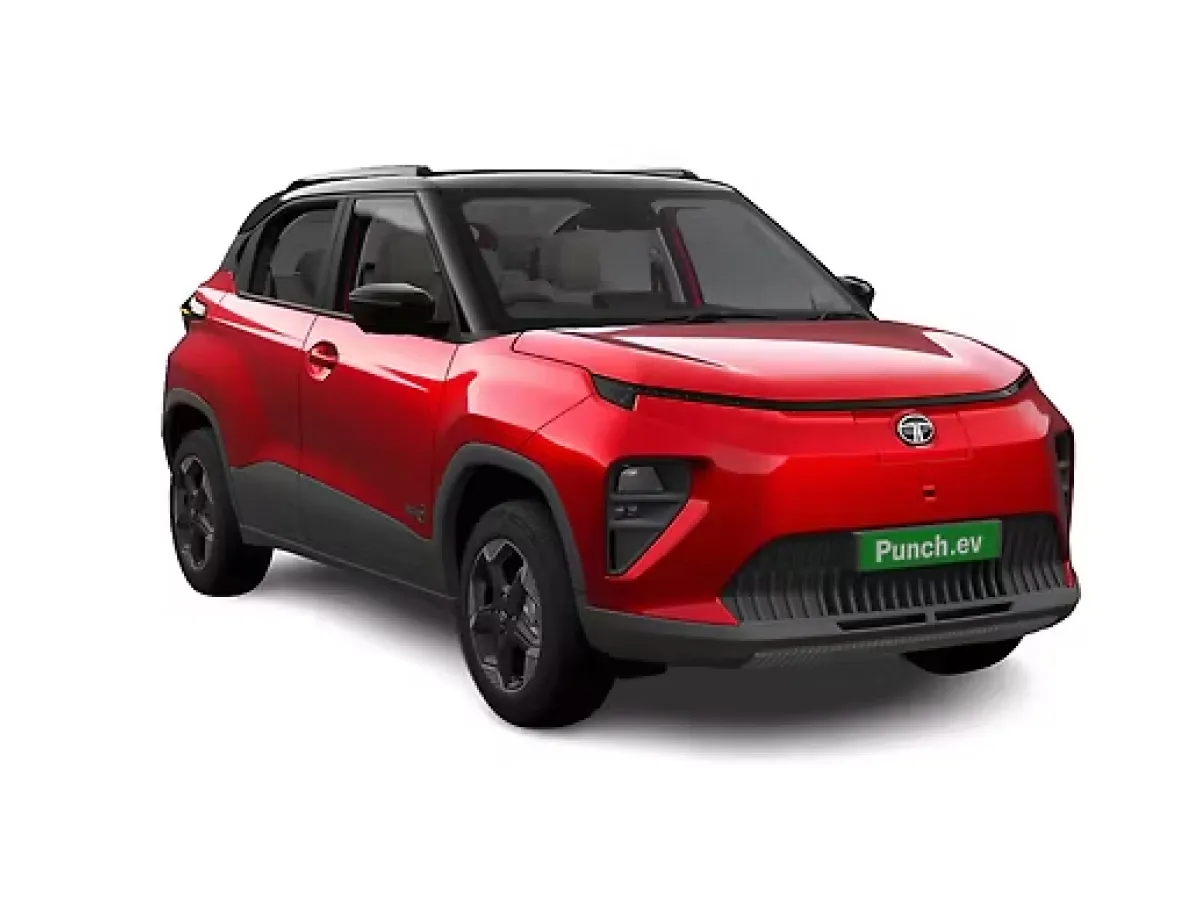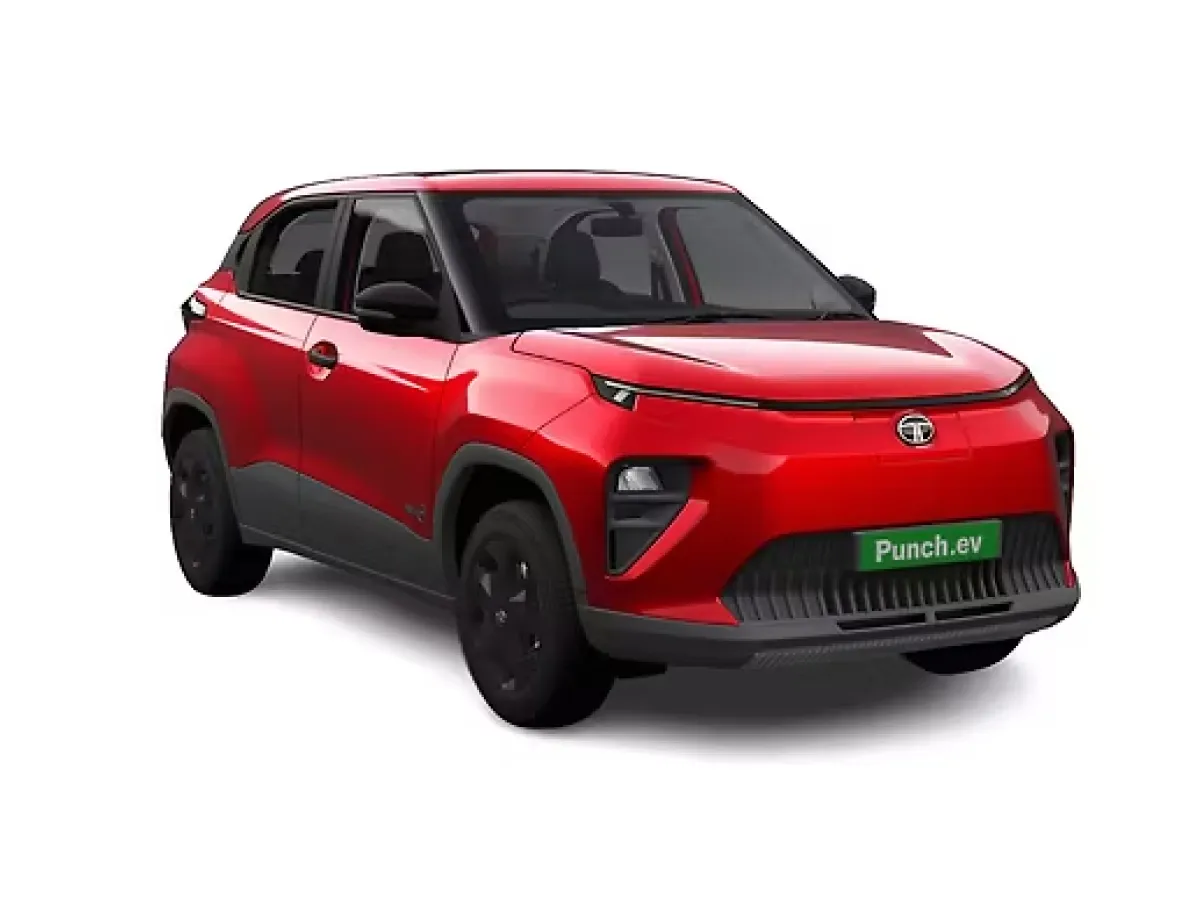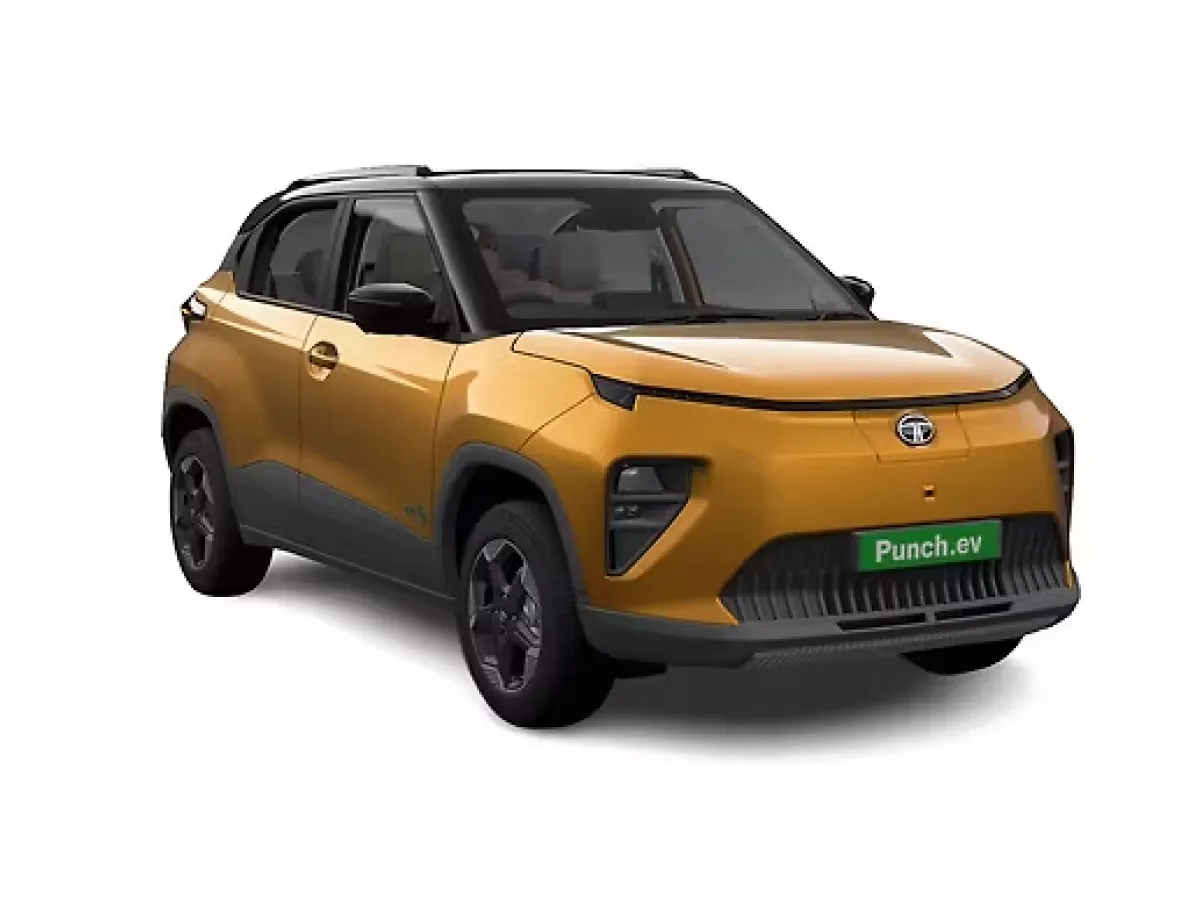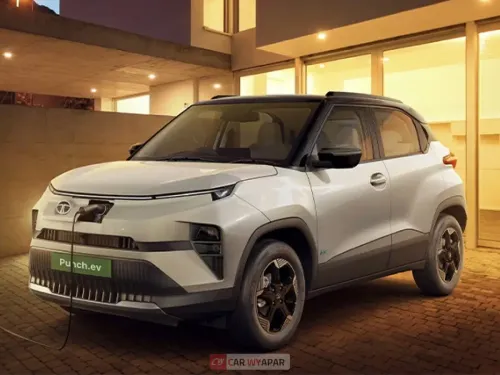































Tata Punch EV

Carwyapar Rating (4.3)

₹ 10.65 – 13.79 Lakh*

* On-Road PriceNew Delhi
Overview

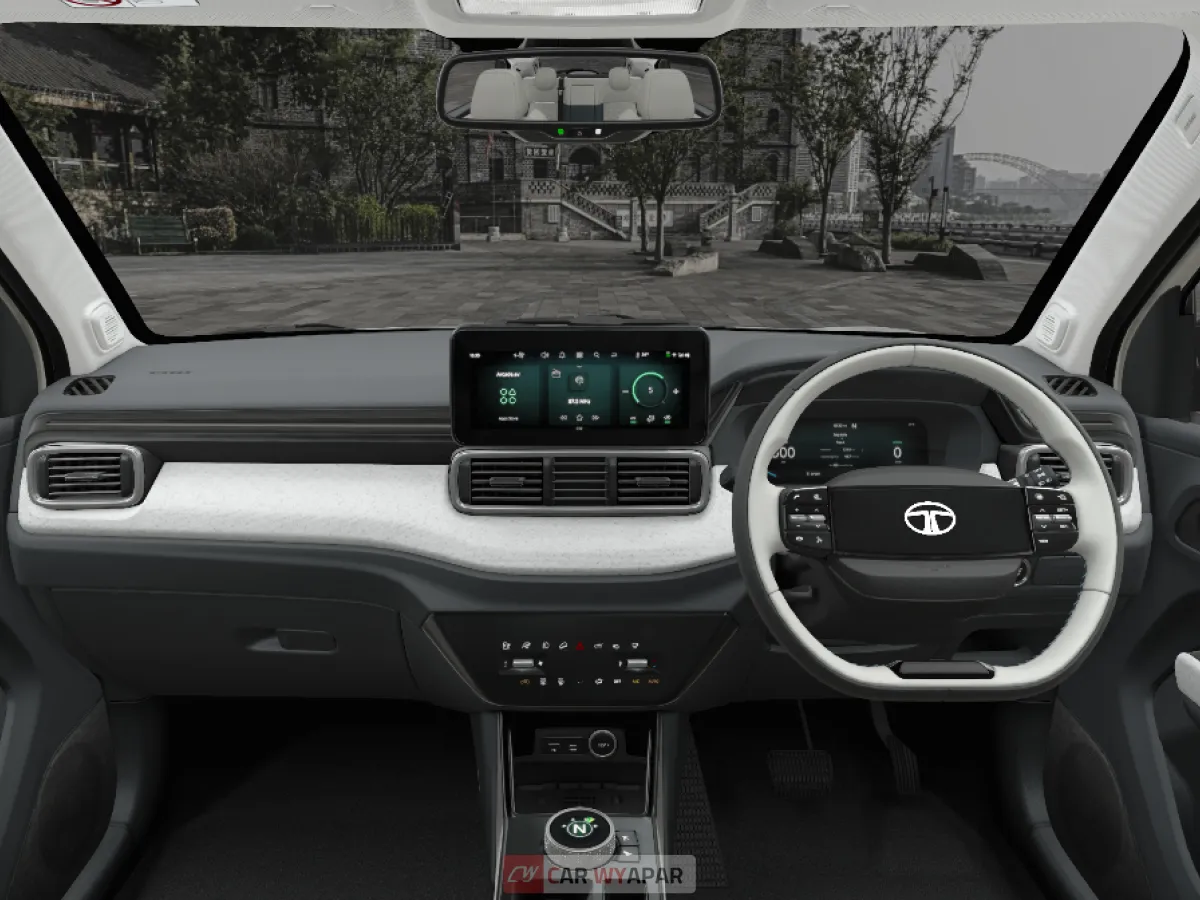
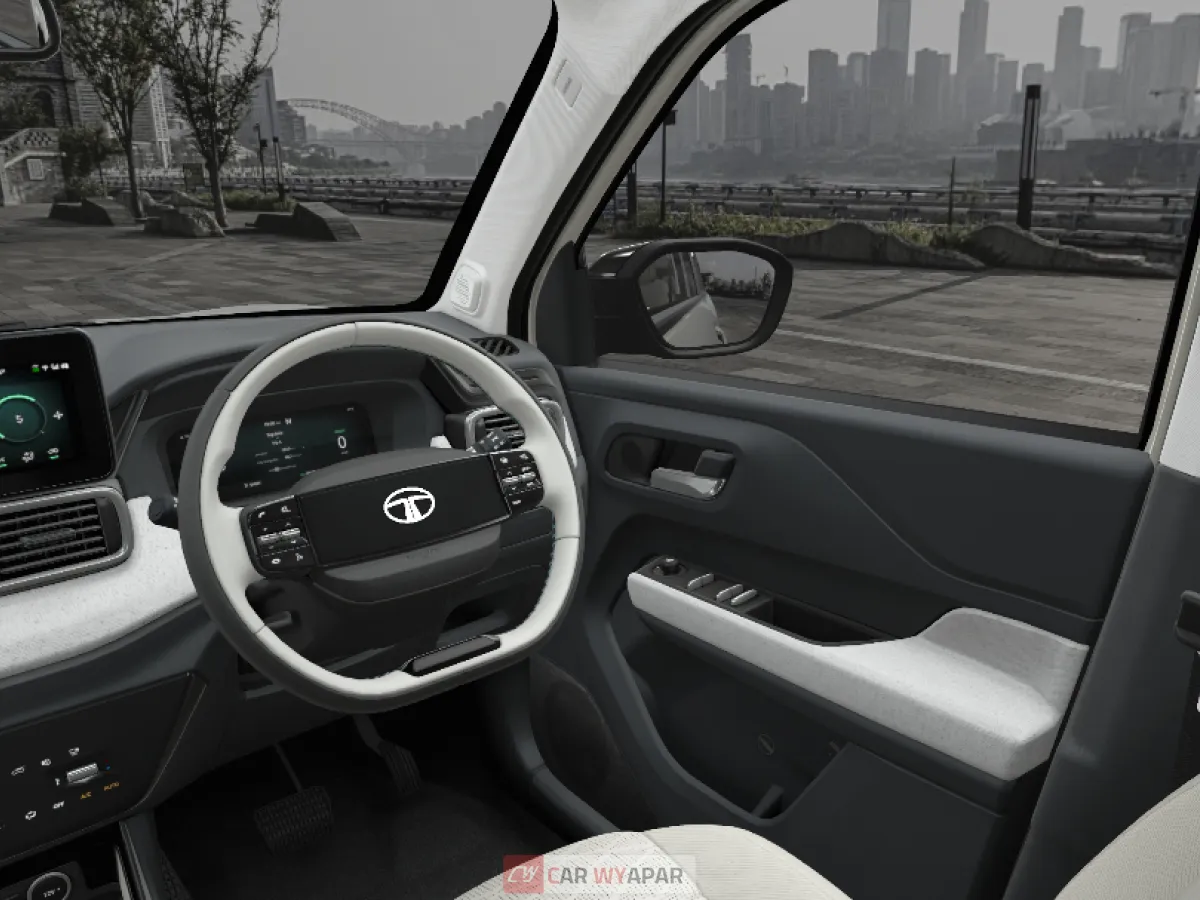
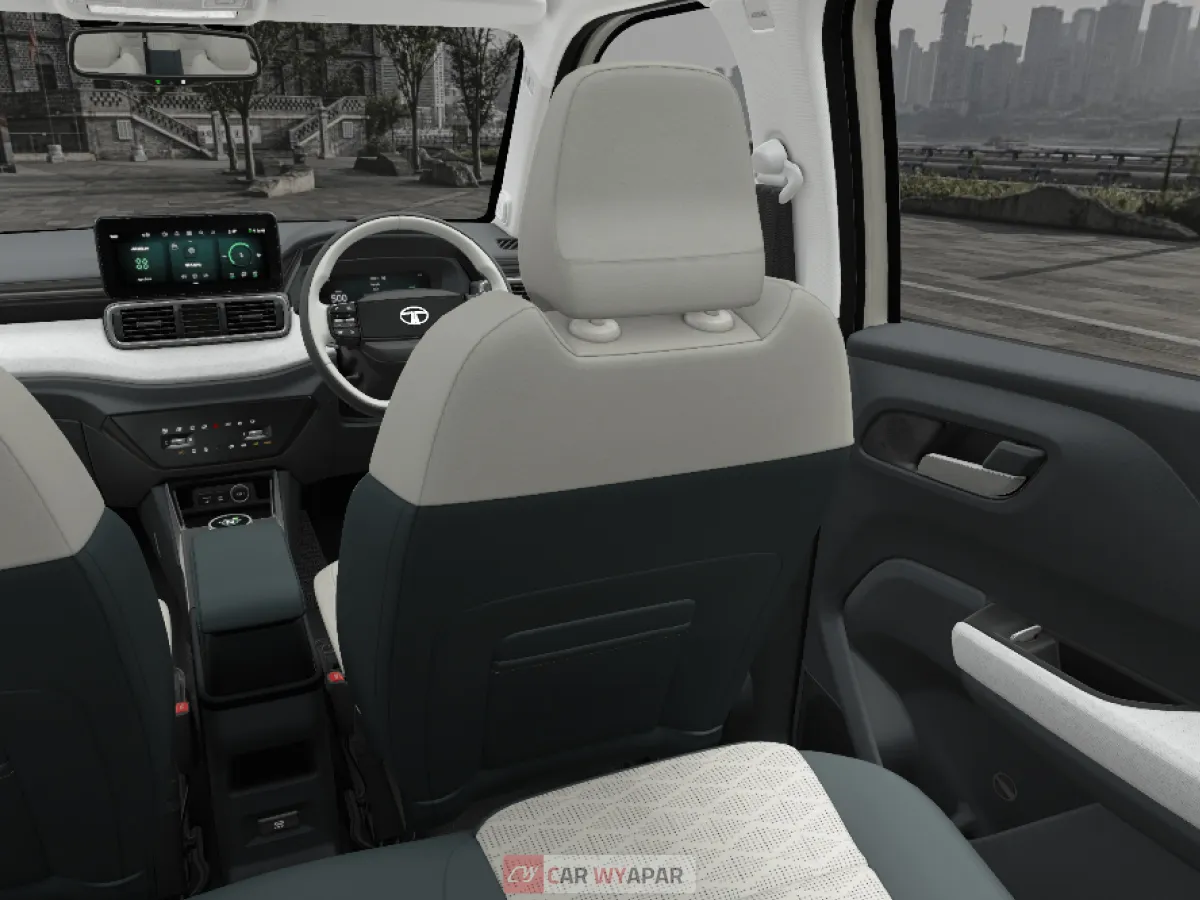
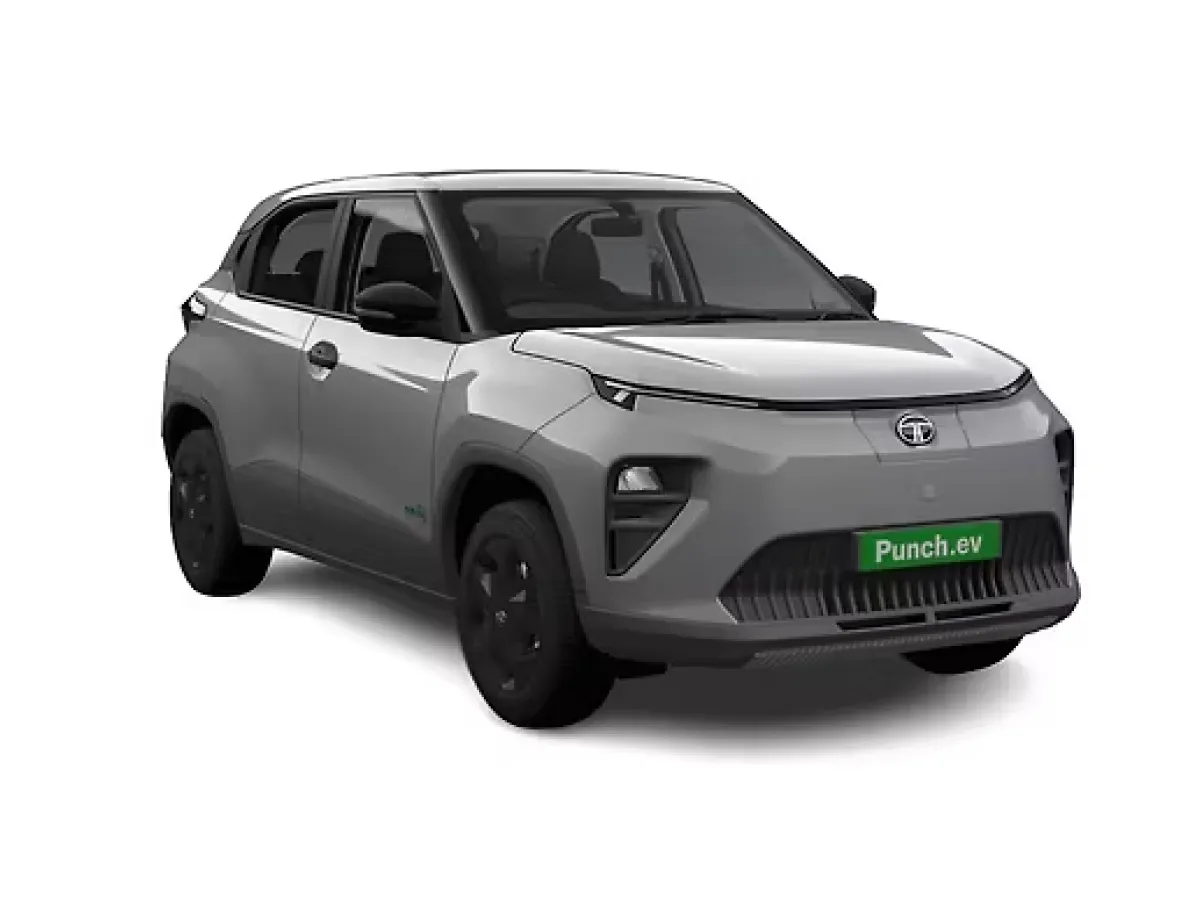
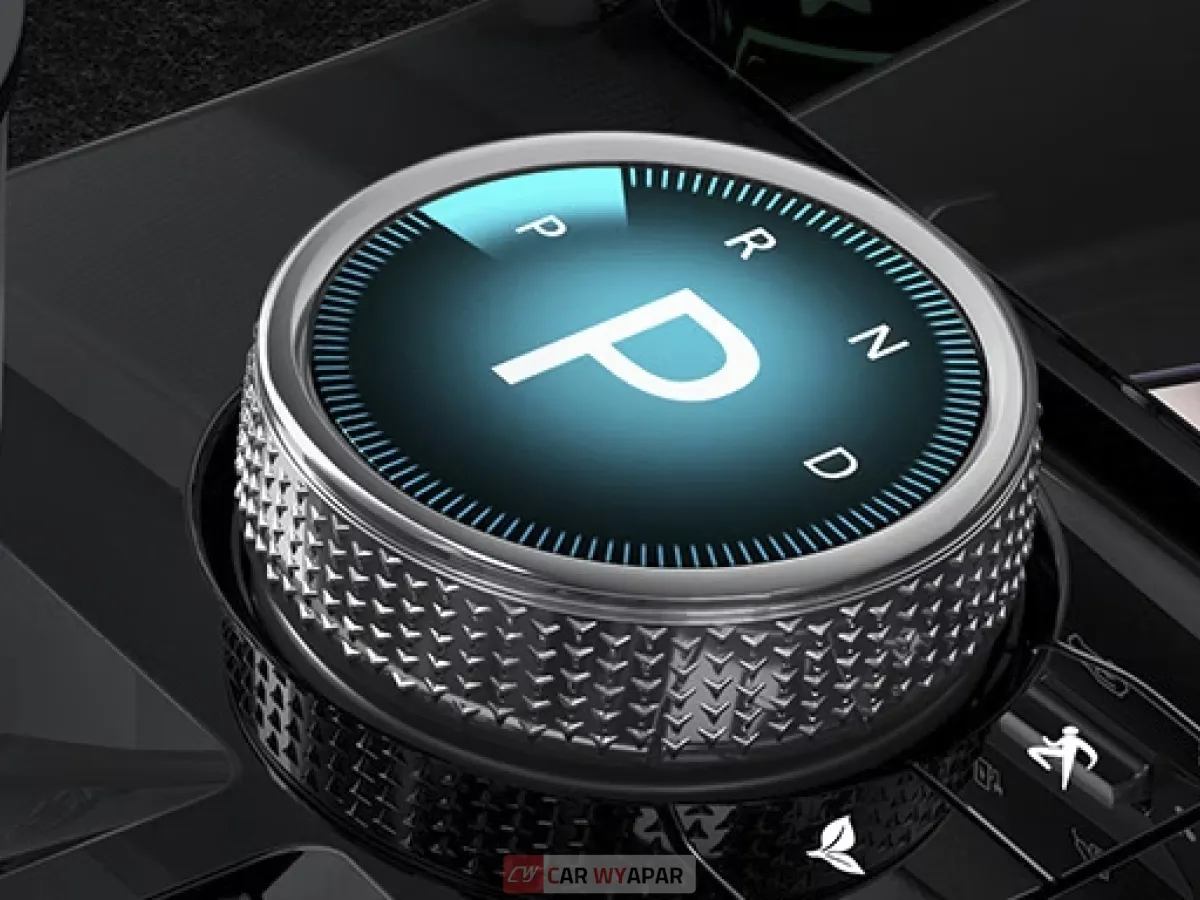
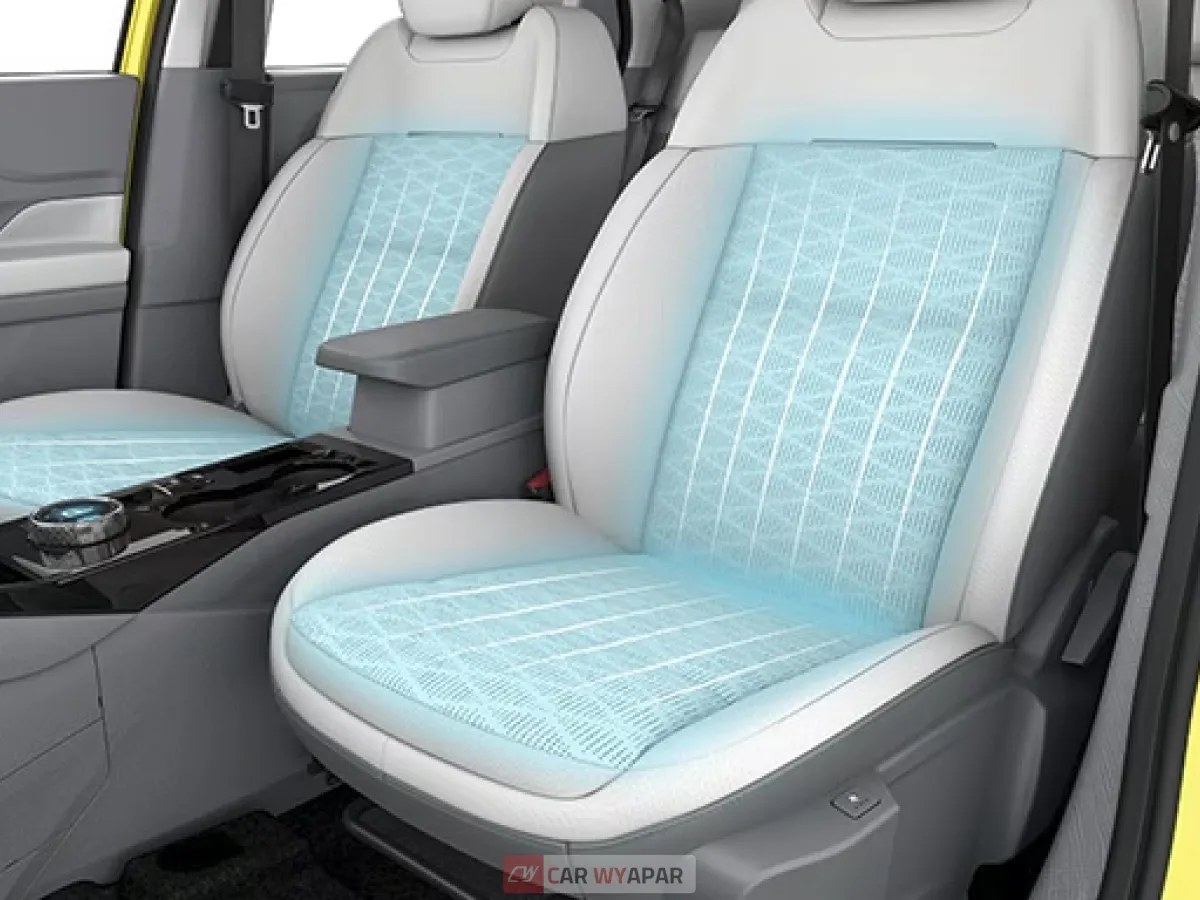
Tata launched its 2nd gen Tata Punch EV in January 2026, bringing clear upgrades over the first generation. This update focuses on battery, range, charging speed, and in-car technology rather than only cosmetic changes. Compared to the first gen Punch EV, the new model gets revised battery options. Earlier, the EV came with smaller 25 kWh and 35 kWh battery packs. The 2026 version moves to larger 30 kWh and 40 kWh packs. The result is a noticeable jump in range. Th... More

Tata launched its 2nd gen Tata Punch EV in January 2026, bringing clear upgrades over the first generation. This update focuses on battery, range, cha... More
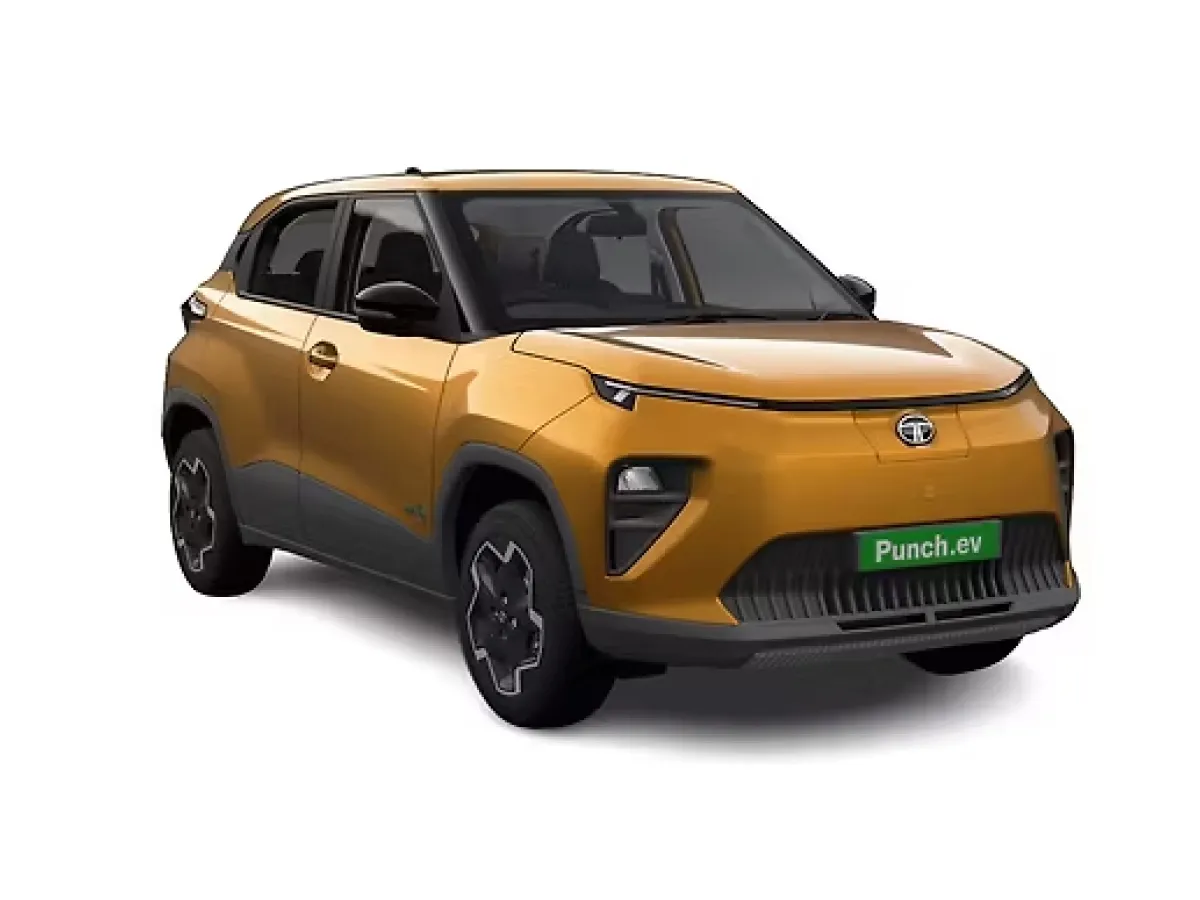
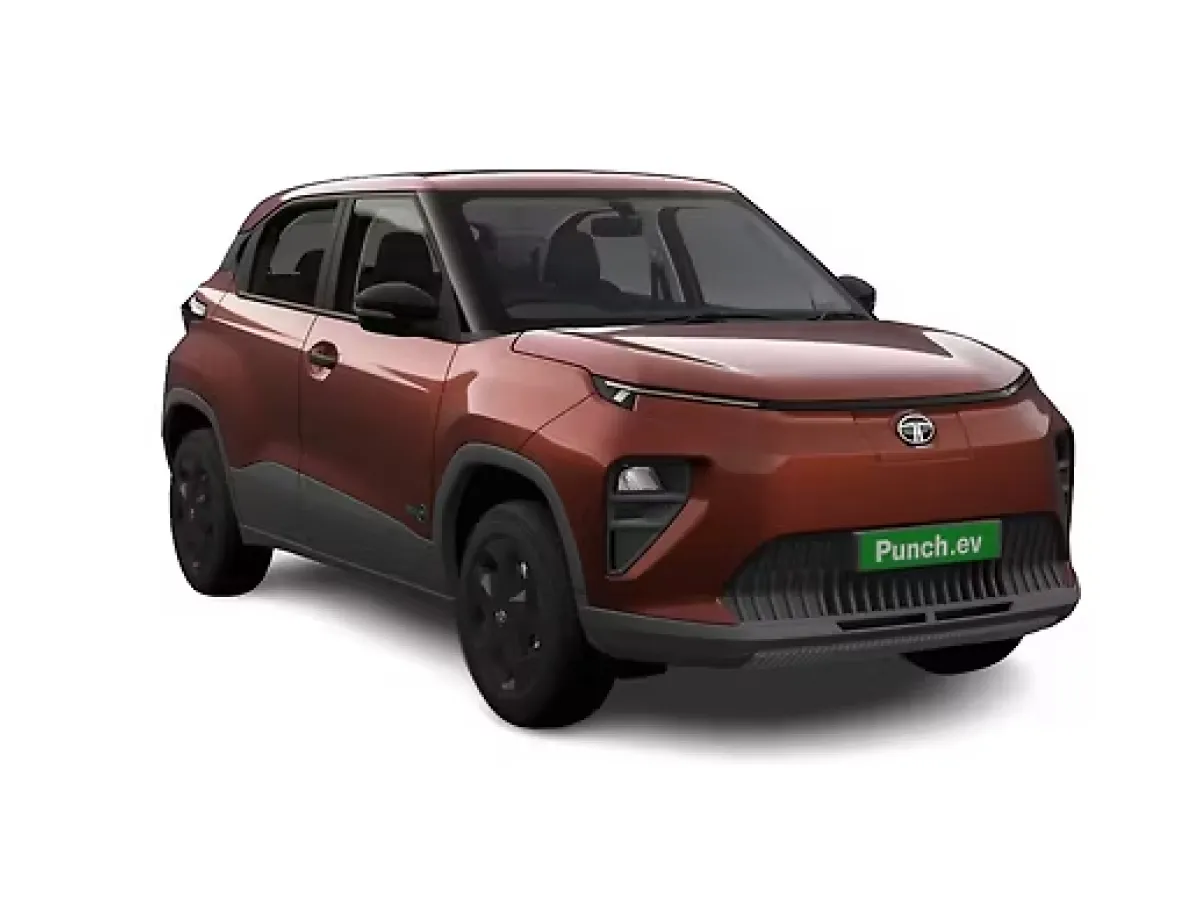
Tata Punch EV Colors

Caramel

Tata Punch EV Overview
Body Construction

Monocoque

Body Type

COMPACT SUV

Length

3857 mm

Motor Power

...

Transmission

AT

Drivetrain

FWD

Power Source

Electric

Energy Efficiency

8.75 KM/kWH

Charge Range

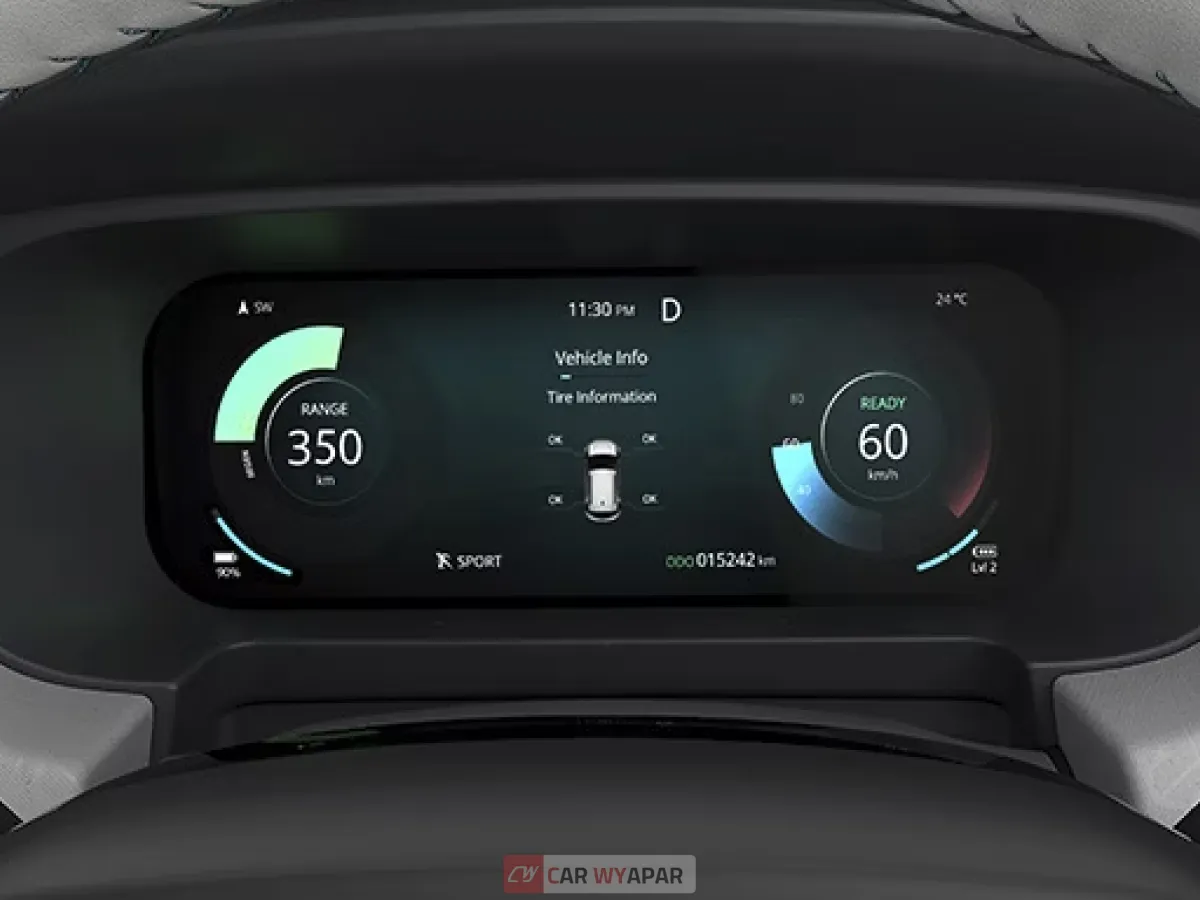
350

Tata Punch EV (6) Variants
Tata Punch EV Colors

Caramel

Tata Punch EV Expert Opinions
Design and Aesthetics
Features and Specifications
After Sales Support
Brand Value
Resale Value
Likes
Dislikes
Tata Punch EV Expert Opinions
Design and Aesthetics
Features and Specifications
After Sales Support
Brand Value
Resale Value
Likes
Dislikes
Tata Punch EV Ownership Expense

Check your monthly expense for maintaining a Tata Punch EV in your City

Tata Punch EV

Carwyapar Rating (4.3)

₹ 10.65 – 13.79 Lakh*

* On-Road PriceNew Delhi
Overview

Tata launched its 2nd gen Tata Punch EV in January 2026, bringing clear upgrades over the first generation. This update focuses on battery, range, charging speed, and in-car technology rather than only cosmetic changes. Compared to the first gen Punch EV, the new model gets revised battery options. Earlier, the EV came with smaller 25 kWh and 35 kWh battery packs. The 2026 version moves to larger 30 kWh and 40 kWh packs. The result is a noticeable jump in range. Th... More

Tata launched its 2nd gen Tata Punch EV in January 2026, bringing clear upgrades over the first generation. This update focuses on battery, range, cha... More
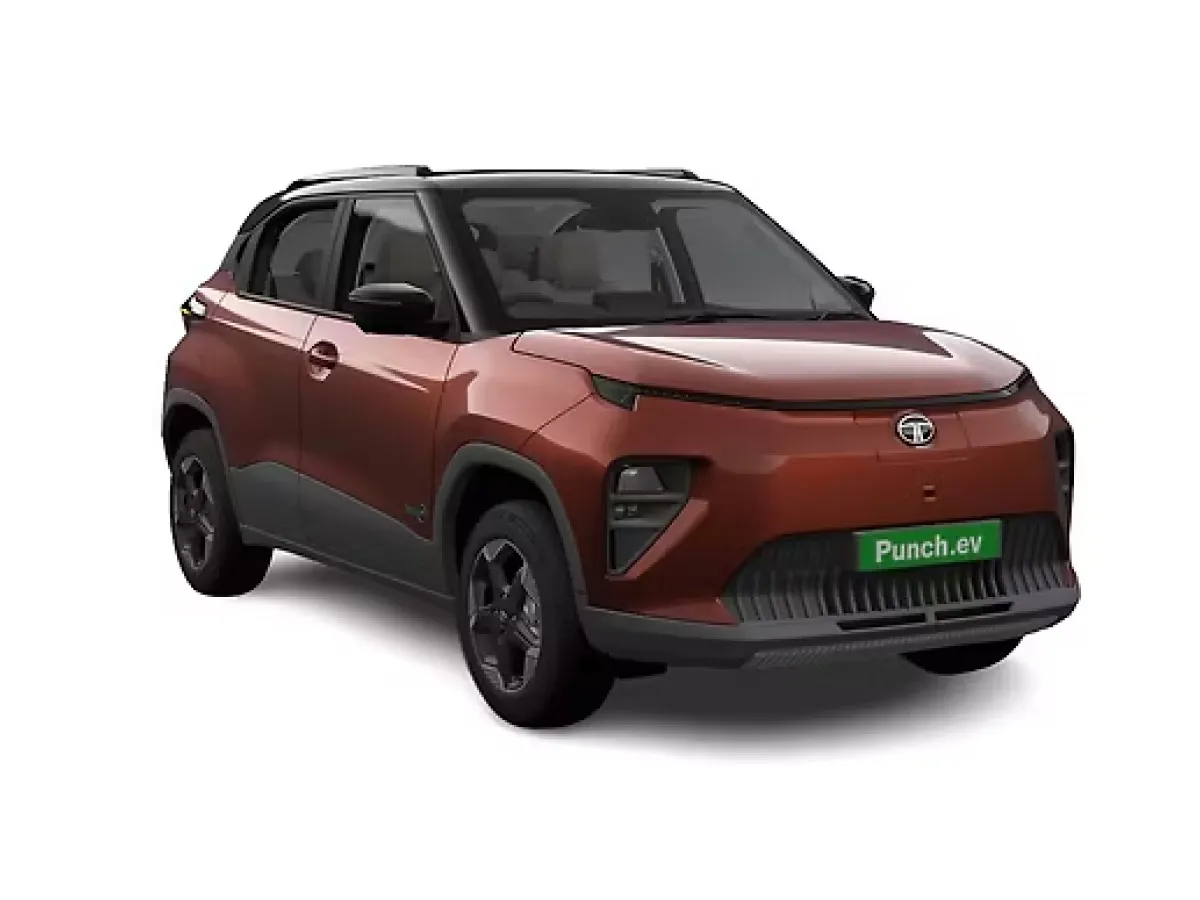
Tata Punch EV Colors

Caramel

Tata Punch EV Overview
Body Construction

Monocoque

Body Type

COMPACT SUV

Length

3857 mm

Motor Power

...

Transmission

AT

Drivetrain

FWD

Power Source

Electric

Energy Efficiency

8.75 KM/kWH

Charge Range

350

Tata Punch EV (6) Variants
Tata Punch EV FAQs

The 2026 model gets bigger battery packs, better range, faster charging, updated screens, improved software, and refined motor tuning.

The overall dimensions remain similar, but interior tech and packaging feel more modern and efficient.

The battery upgrade. Larger 30 kWh and 40 kWh options replace the smaller packs from the first generation.

The larger battery variant delivers a much higher certified range and stronger real world performance than the previous model.

Yes, the long range variant can comfortably cover Delhi to Jaipur without drama, assuming normal driving conditions.

Shimla is a hill station, so range drops during climbs. A mid way charging stop is practical and realistic.

Yes. Elevation gain consumes more energy. Regenerative braking helps recover some charge while descending.

Less than before. Bigger batteries and improved charging network make ownership easier.

It recovers energy when you slow down, especially useful in city traffic.

Yes. Most urban users will charge once every few days, not daily.

Major highways and metro cities have growing fast charging networks. Planning apps make it simpler.

It uses updated LFP cells, known for better thermal stability and long life.

It shows how quickly battery tech and charging speed are improving within just a few years.

It’s about ₹1.20 per km, if the car does 7.5 km per kWh and electricity costs ₹9 per unit.

A petrol car at 15 km/litre and petrol at ₹100/litre is about ₹6.67 per km. EV cost is a fraction of that.

Yes. AC uses extra energy, so you might drop from 7.5 km/kWh to maybe 6–6.5 km/kWh in hot city traffic, slightly raising cost per km.

Usually 8 years or a set number of km for the battery pack and high-voltage parts, protecting against premature failure.

For daily use, charging to around 80–90% is healthier for the battery. Full 100% is best saved for long trips.

EV batteries self-discharge slowly. It’s best to leave it around 50–70% state of charge, not 100%.
Tata Punch EV Ownership Expense

Check your monthly expense for maintaining a Tata Punch EV in your City
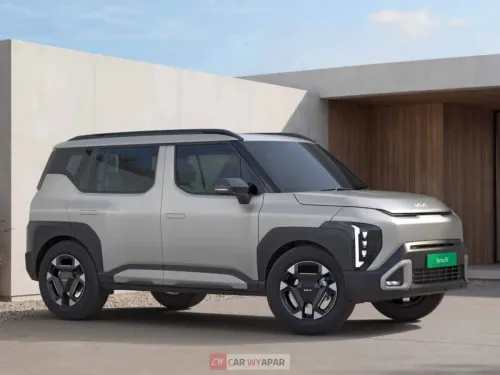
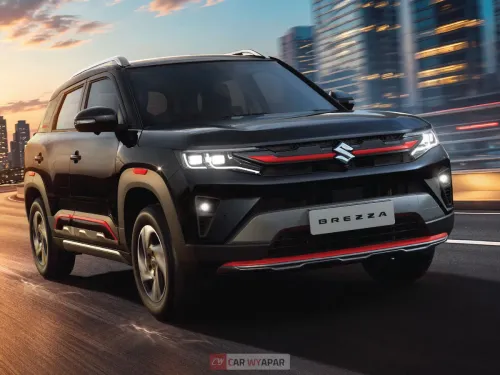
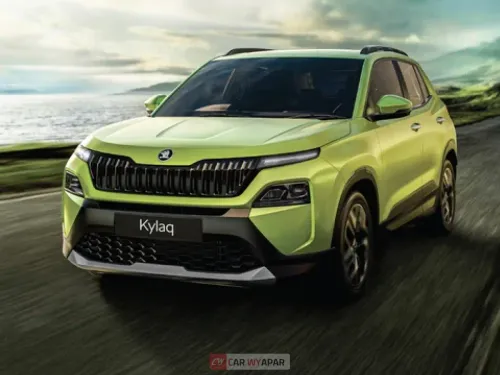
Tata Punch EV Comparisons

Tata Punch EV FAQs

The 2026 model gets bigger battery packs, better range, faster charging, updated screens, improved software, and refined motor tuning.

The overall dimensions remain similar, but interior tech and packaging feel more modern and efficient.

The battery upgrade. Larger 30 kWh and 40 kWh options replace the smaller packs from the first generation.

The larger battery variant delivers a much higher certified range and stronger real world performance than the previous model.

Yes, the long range variant can comfortably cover Delhi to Jaipur without drama, assuming normal driving conditions.

Shimla is a hill station, so range drops during climbs. A mid way charging stop is practical and realistic.

Yes. Elevation gain consumes more energy. Regenerative braking helps recover some charge while descending.

Less than before. Bigger batteries and improved charging network make ownership easier.

It recovers energy when you slow down, especially useful in city traffic.

Yes. Most urban users will charge once every few days, not daily.

Major highways and metro cities have growing fast charging networks. Planning apps make it simpler.

It uses updated LFP cells, known for better thermal stability and long life.

It shows how quickly battery tech and charging speed are improving within just a few years.

It’s about ₹1.20 per km, if the car does 7.5 km per kWh and electricity costs ₹9 per unit.

A petrol car at 15 km/litre and petrol at ₹100/litre is about ₹6.67 per km. EV cost is a fraction of that.

Yes. AC uses extra energy, so you might drop from 7.5 km/kWh to maybe 6–6.5 km/kWh in hot city traffic, slightly raising cost per km.

Usually 8 years or a set number of km for the battery pack and high-voltage parts, protecting against premature failure.

For daily use, charging to around 80–90% is healthier for the battery. Full 100% is best saved for long trips.

EV batteries self-discharge slowly. It’s best to leave it around 50–70% state of charge, not 100%.