


























Let's compare Tata Punch EV Smart 30 kWh vs Skoda Kylaq Classic
Compare Tata Punch EV Smart 30 kWh vs Skoda Kylaq Classic price, specifications, mileage, features and performance to find the best car for you.
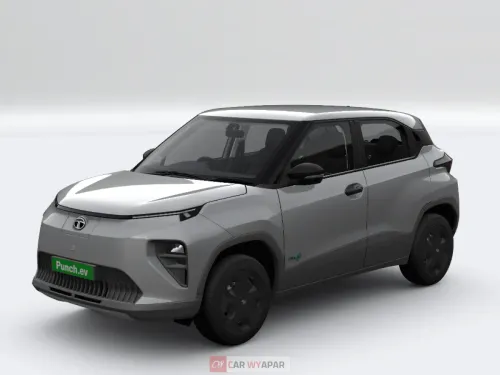
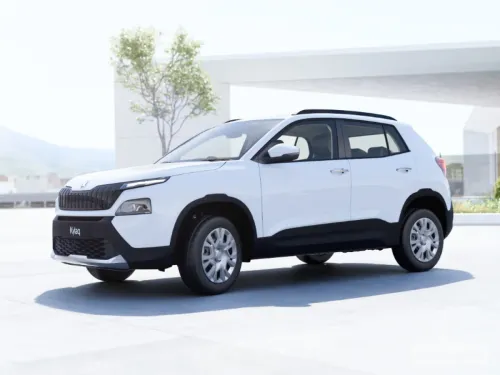

Here is a detailed comparison of price:
Tata Punch EV Smart 30 kWh
Price
₹ 10.12 Lakh
On-Road Price New Delhi
EMI
₹ 18,514/month
Skoda Kylaq Classic
Price
₹ 8.42 Lakh
On-Road Price New Delhi
EMI
₹ 15,404/month
From the above comparison, we can conclude that Skoda Kylaq feels light on the pocket compared to Tata Punch EV by ₹1,70,010.
Body Type
Compact Suv
Compact Suv
Length
3880 mm
3995 mm +115
Width
1742 mm
1783 mm +41
Height
1622 mm +3
1619 mm
WheelBase
2445 mm
2566 mm +121
Ground Clearance
195 mm +6
189 mm
Seating Capacity
5
5
Fuel Tank/Battery Capacity
30 kWh
45 Liters
Boot Space
366 Liters +6
360 Liters
Power Source/Fuel Type
Electric
Petrol
Mileage (KMPL)
12.1 KM/kWh
19.68 Km/l +7.58
Range
365 Kms
885 Kms +520
Engine/Motor Type
Pmsm
1.0 Tsi
Powertrain Assistance
--
No
Emission Standards
Zev
Bs Vi
No. of Cylinders/Battery Type
Li-Ion
3
Displacement
--
999 cc
Max Power
87 bhp
114 bhp @ 5000-5500 rpm +27
Max Torque
154 Nm
178 Nm @ 1750-4500 rpm +24
Transmission Type
AT
MT
Gear Box
1 AT
6-MT
Drive Type
FWD
FWD
Top Speed
150
188 +38
Tilt Adjust
Yes
Yes
Telescopic Adjust
--
Yes
Turning Radius
4.9
5.3 +0.4
Front Suspension
McPherson Strut
McPherson suspension with lower triangular links and torsion stabiliser
Rear Suspension
Twist beam
Twist Beam Axle
Front Brakes
Disc
Disc
Rear Brakes
Drum
Drum
Airbags
6
6
Seatbelt Warning
Yes
Yes
Over Speeding Warning
Yes
Yes
Anti-lock Braking System
Yes
Yes
ESP
Yes
Yes
Brake Assist
--
--
Tyre Pressure Monitor System
Yes
Yes
Reverse Camera
No
No
360 Camera
No
No
Hill Assist
--
--
Hill Descent Control
No
No
Child Lock
Yes
Yes
Isofix Child Seat Mount
Yes
Yes
Engine Immobilizer
Yes
Yes
ADAS
No
No
Power Windows
Only Front
Front And Rear
ORVM Adjustment
Manual
Electric
Request Sensors
--
Yes
Push Button Start
No
No
Cruise Control
No
No
Keyless Entry
--
Yes
Steering Mounted Control
Yes
--
Climate Control
Automatic
--
Rear AC Vents
No
No
Adjustable Steering Column
Yes
Yes
Upholstery
Fabric
Fabric
Adjustable Front Seats
Yes
Yes
Height Adjustable Driver Seat
Yes
Yes
Rear Armrest
No
No
Rear Cup Holders
--
--
Front Cup Holders
Yes
Yes
Cooled Glovebox
No
No
Sunroof
No
No
Wheels
Steel Rims
Steel Rims
Fog Lights
No
No
Tyre Size
185 / 70 R15
205 / 60 R16
Daytime Running Lights
LED
LED
Headlight Type
Halogen
Reflector Led
Tailgate
Manual
Electric
Roof Rails
No
Yes
Rear Wiper
No
No
Touch Screen
--
--
Screen Size
--
--
USB Port
Yes
Yes
Navigation System
No
Yes
Speakers
--
--
Remote App Control
No
No
Wireless Charging
No
No
Smartphone Connectivity
No
No
Telematics
Digital
Analogue-Digital
USB Port
Yes
Yes
Navigation
No
Yes
Smartphone Connectivity
No
No
Tata Punch EV Vs Skoda Kylaq Colors
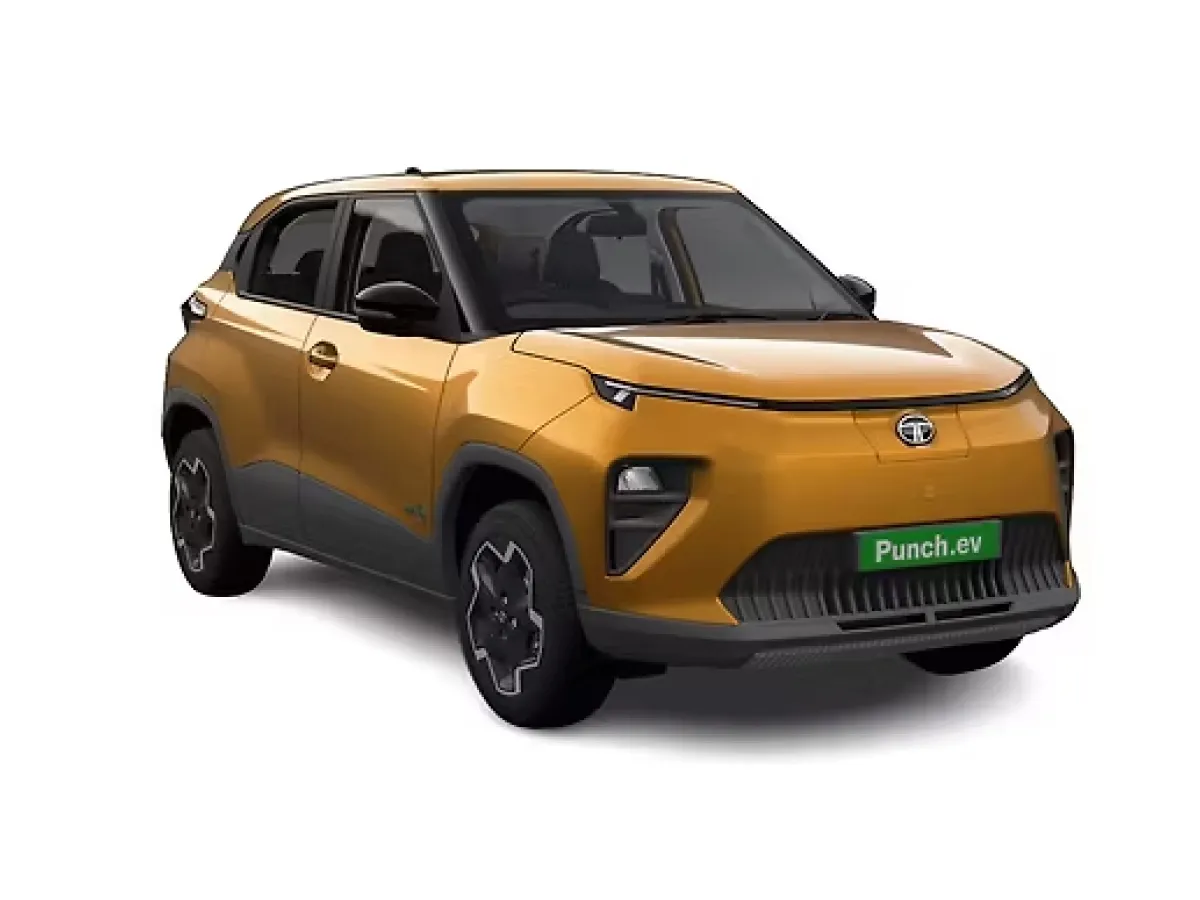
Caramel
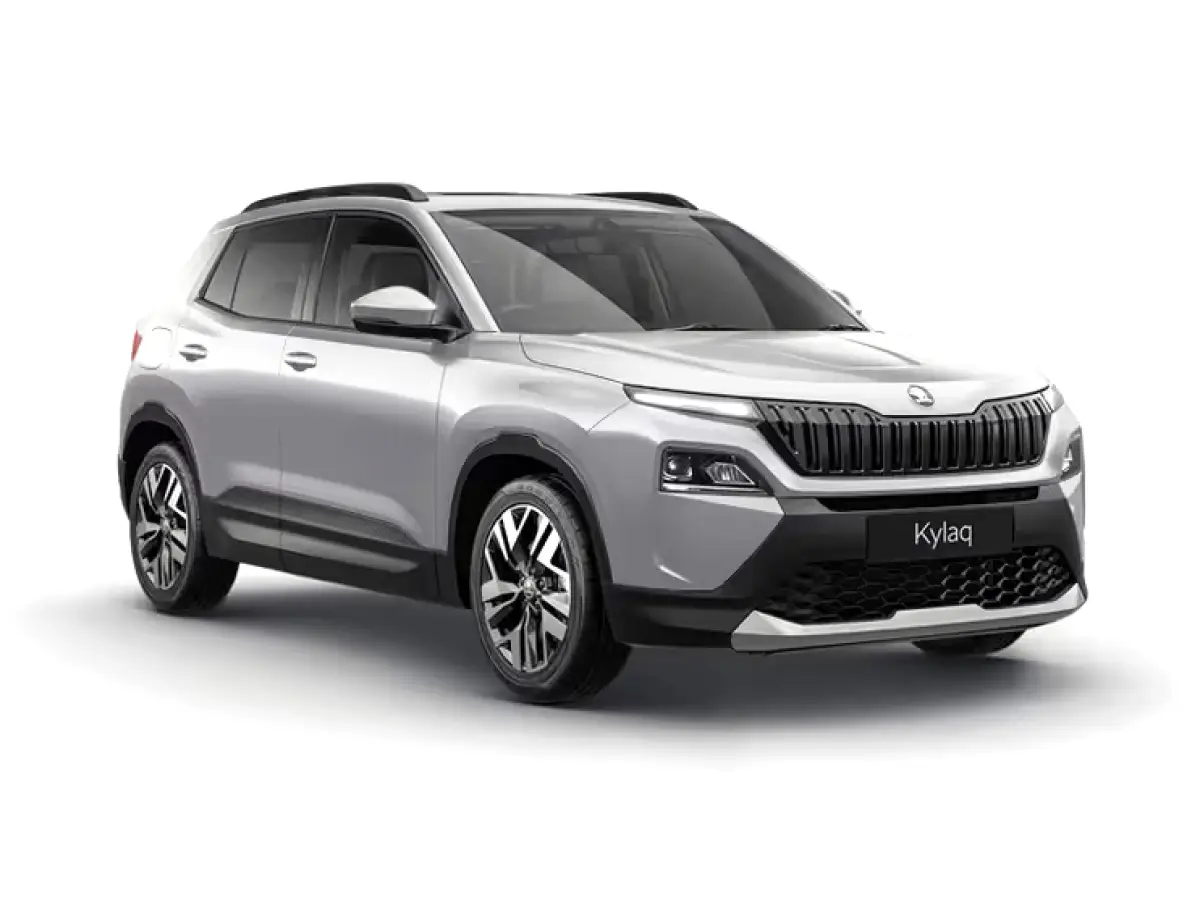
Brilliant Silver
Caramel
Brilliant Silver
Tata Punch EV Vs Skoda Kylaq Expert Opinions
Design and Aesthetics
Features and Specifications
After Sales Support
Brand Value
Resale Value
Likes
- Bigger Battery Packs
- Safety Standards
- Interior Refinement
Dislikes
- Polarizing Front Design
- Cramped Rear Seats
Design and Aesthetics
Features and Specifications
After Sales Support
Brand Value
Resale Value
Likes
- Punchy Engine
- Mature Ride Handeling
- Good Ground Clearance
Dislikes
- Interior Plastic Quality
- Noticeable Turbo Lag
Tata Punch EV Vs Skoda Kylaq FAQs


Calculate Car’s Value

Calculate Car’s EMI

Compare Cars
Powered by
