































Maruti Baleno

4.68Carwyapar Rating

₹ 6.76 – 9.79 Lakh*

* On-Road PriceNew Delhi
Overview

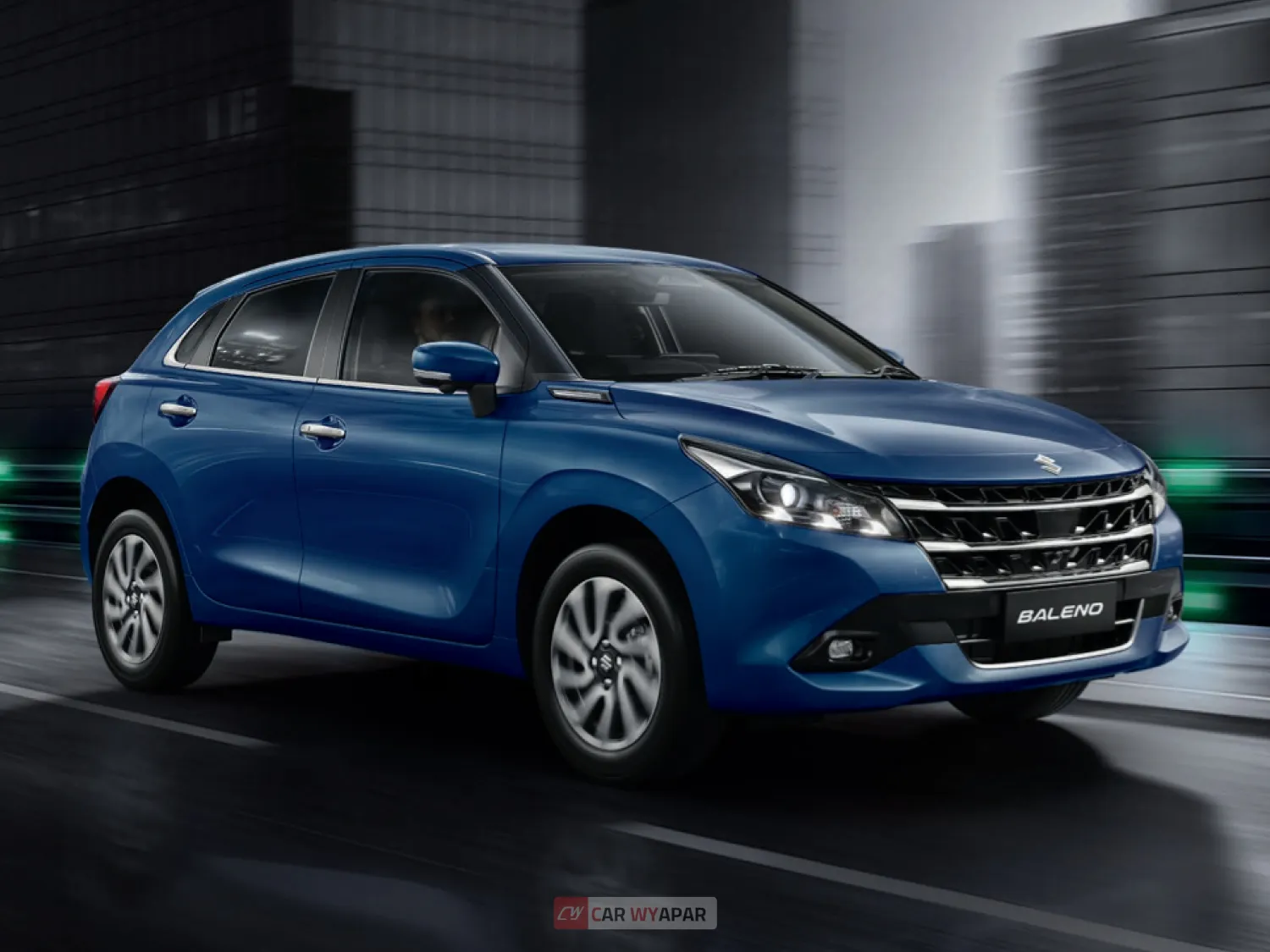
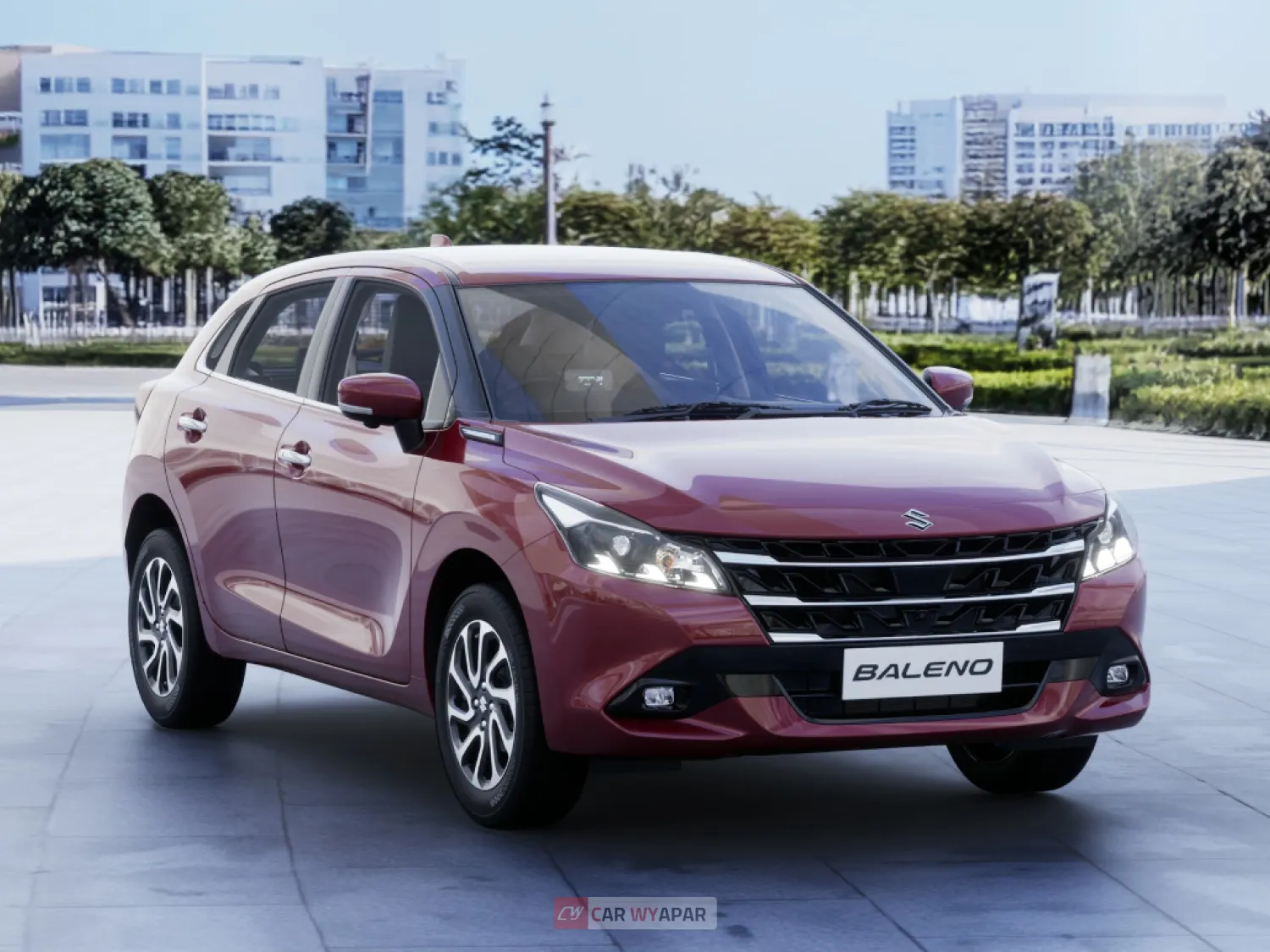
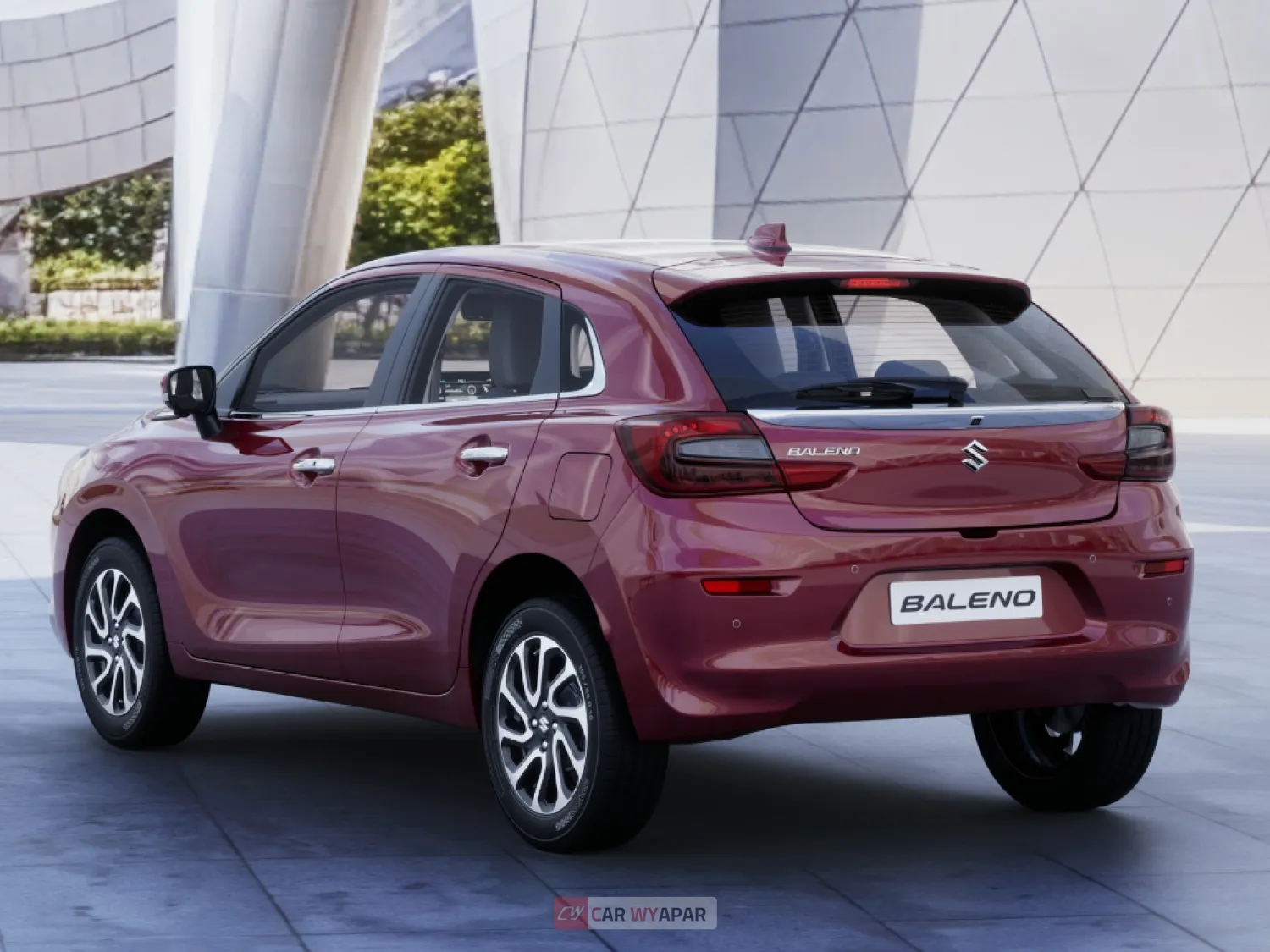
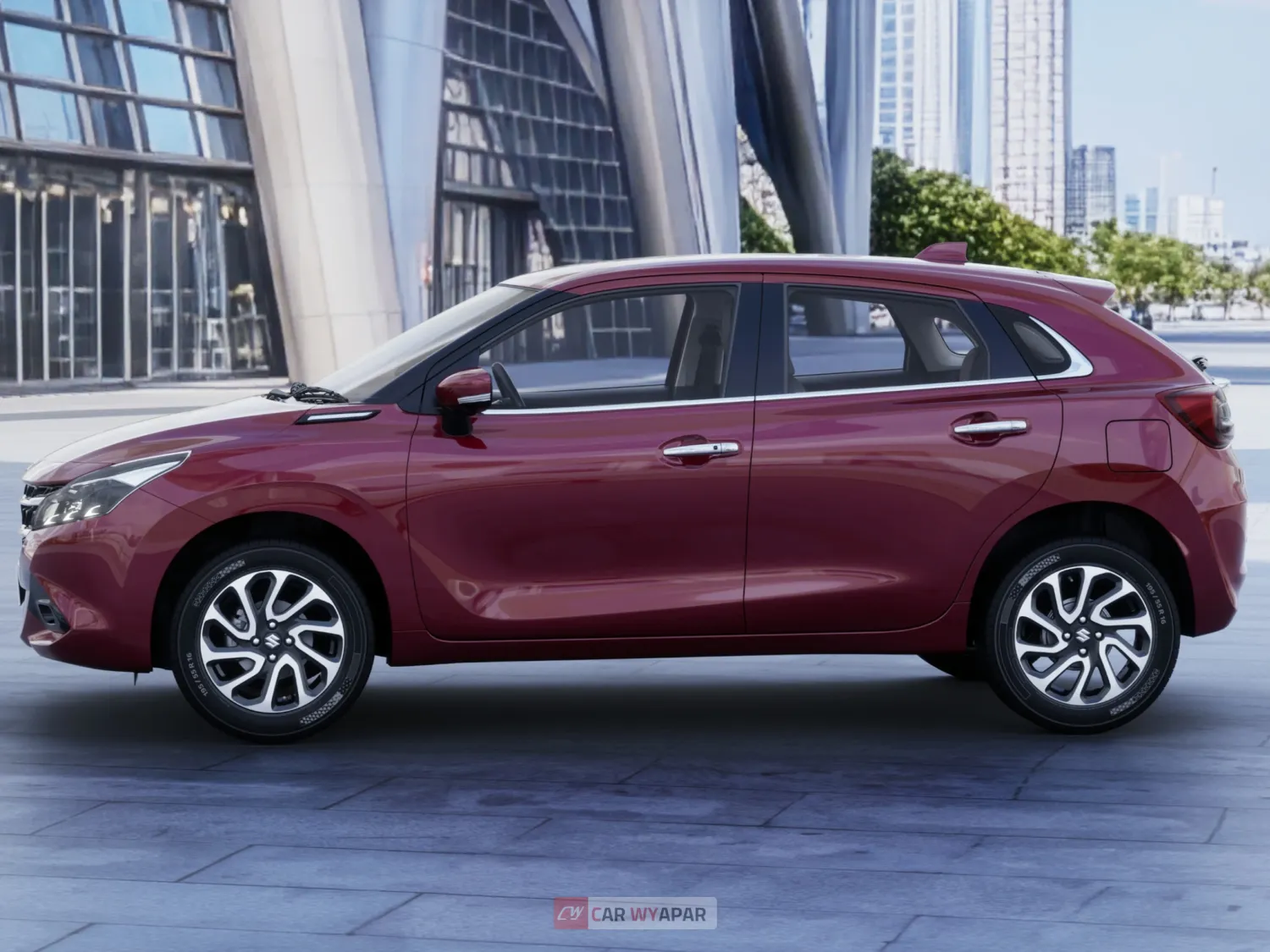
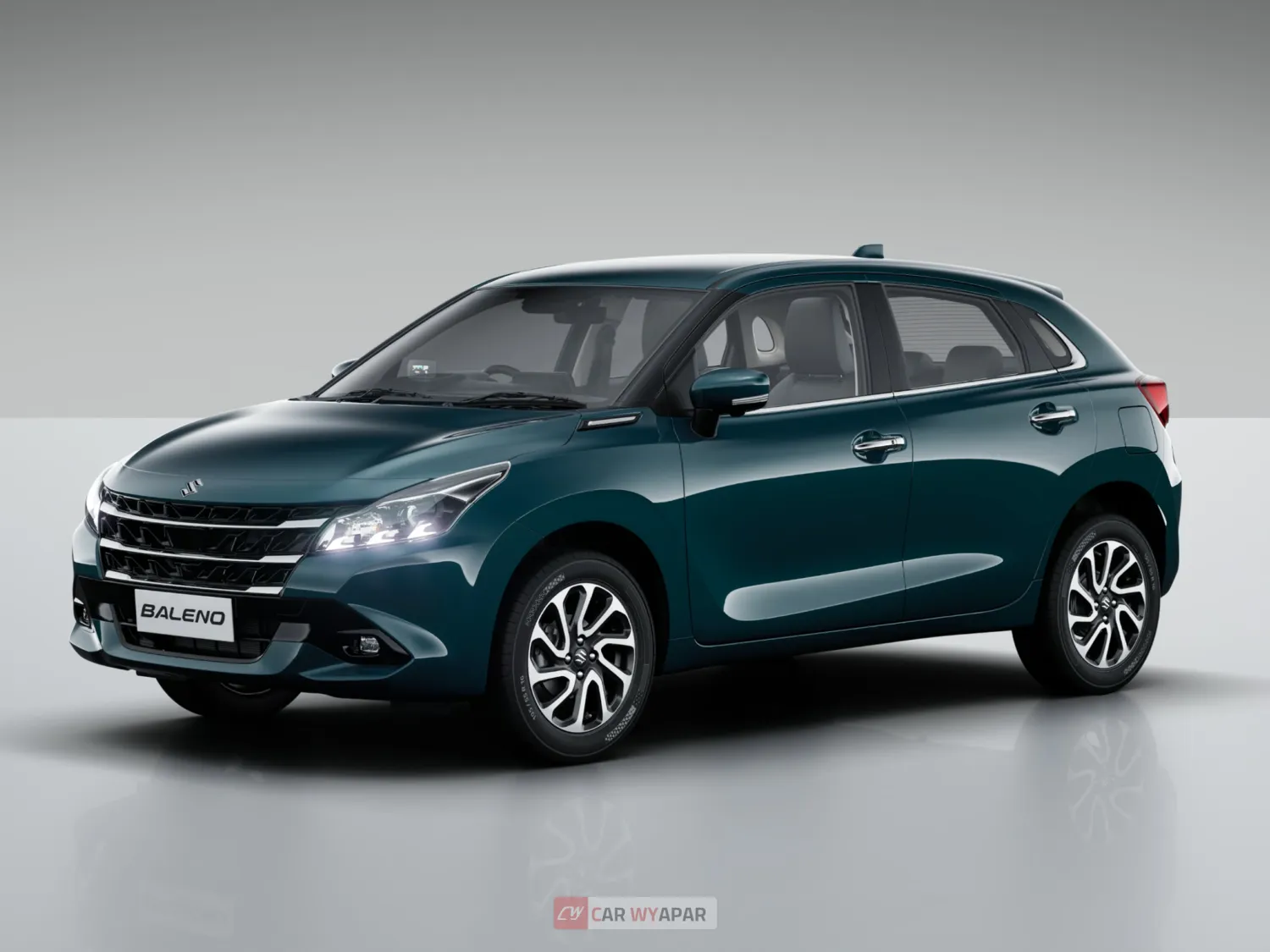
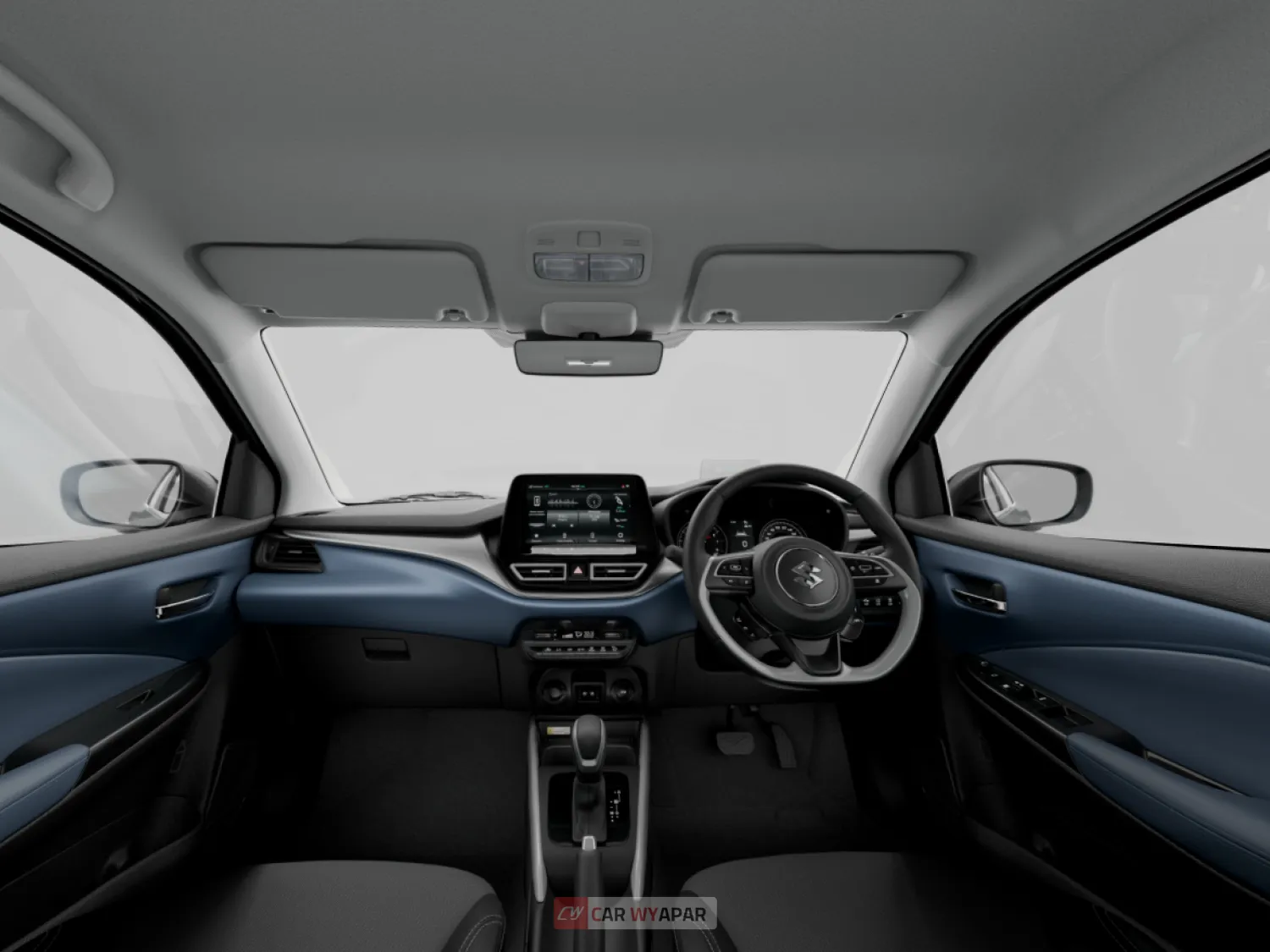
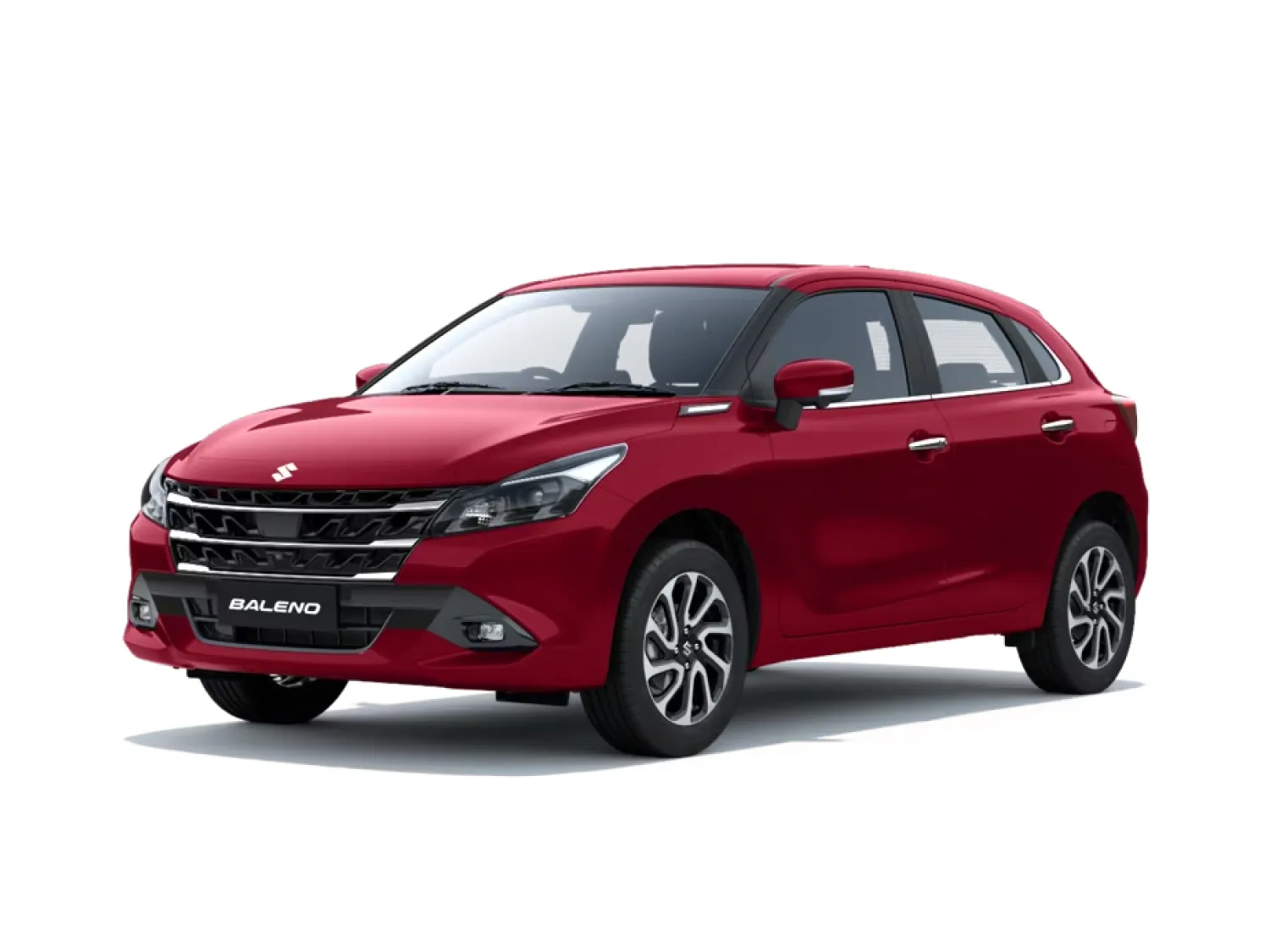
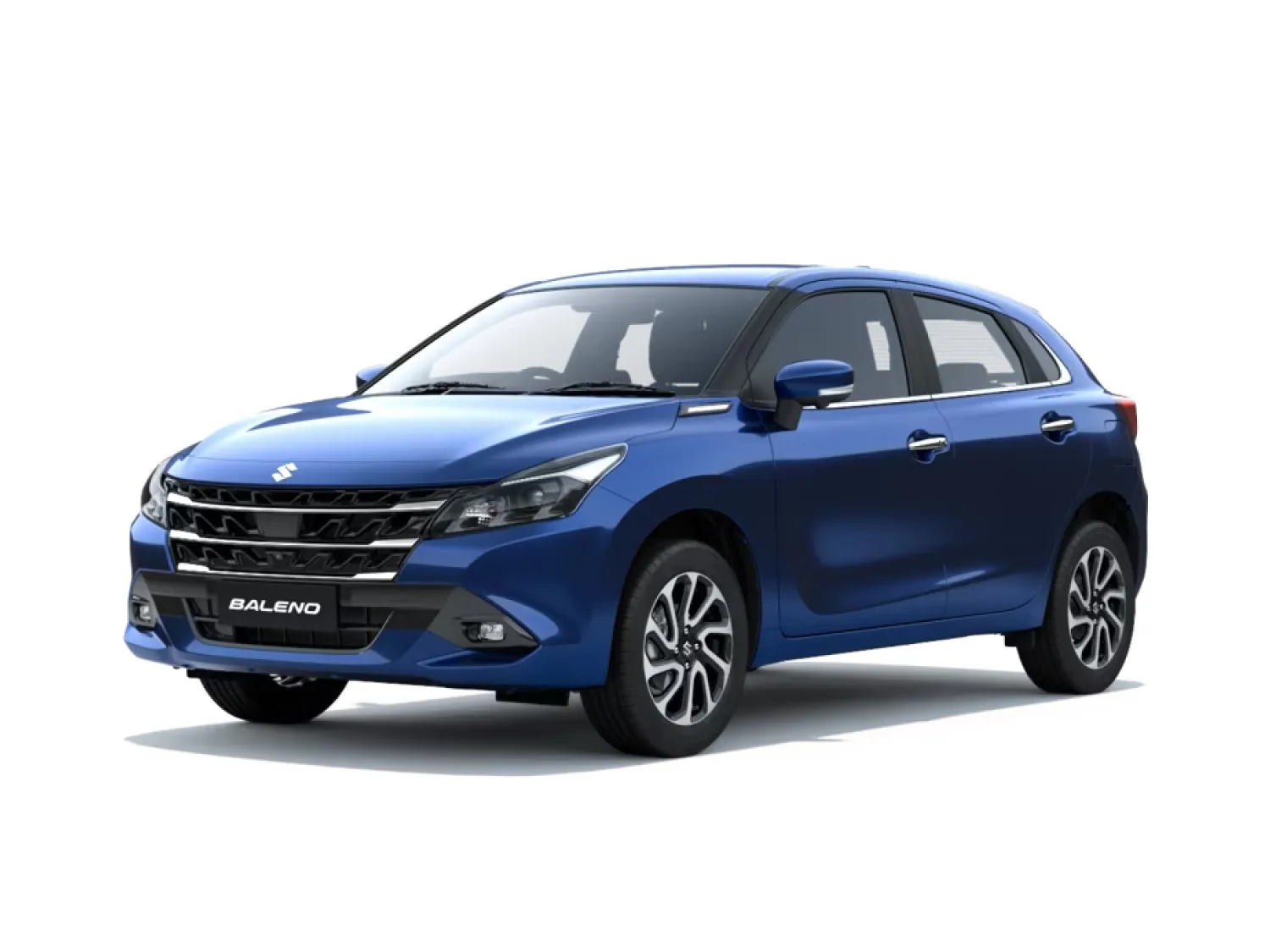
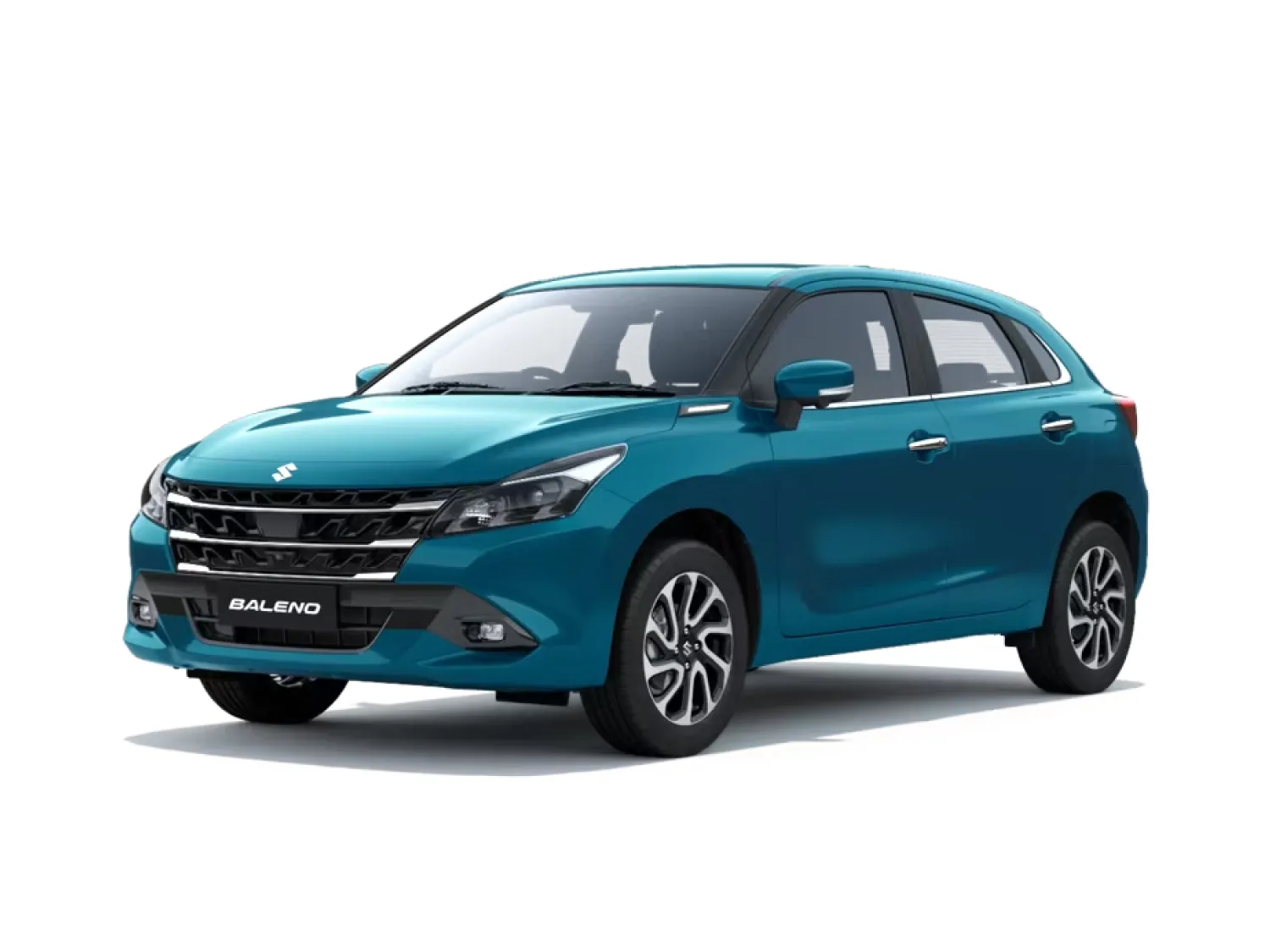
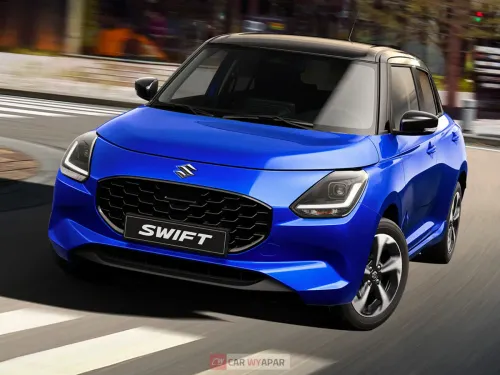
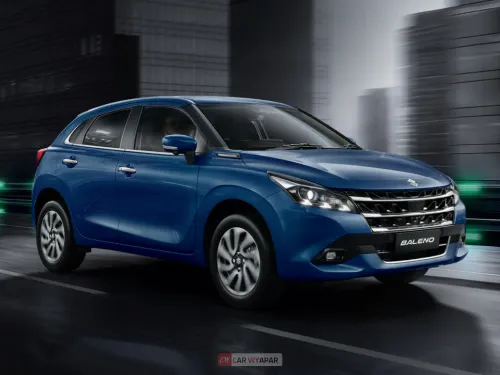
Maruti Baleno is the car that showed India’s largest automaker could think global twice. The first Baleno in the early 2000s was a sedan that never quite caught on, but when Maruti resurrected the name in 2015 as a premium hatchback, it rewrote the segment. Sold exclusively through NEXA dealerships, the Baleno positioned itself above the Swift, offering more space, richer interiors, and features like ABS with EBD, dual airbags, and a touchscreen infotainment system ... More

Maruti Baleno is the car that showed India’s largest automaker could think global twice. The first Baleno in the early 2000s was a sedan that never qu... More

Maruti Baleno Colors

Opulent Red

Maruti Baleno Overview
Body Construction

Monocoque

Body Type

HATCHBACK

Length

3990 mm

Engine

1.2 L K12 petrol

Transmission

MT/AT/AMT

Drivetrain

FWD

Fuel Type

Petrol/CNG

Fuel Efficiency

22.94 KM/L

Tank Range

814 KMs

Maruti Baleno (9) Variants
Maruti Baleno Colors

Opulent Red

Maruti Baleno Expert Opinions
Design and Aesthetics
Features and Specifications
After Sales Support
Brand Value
Resale Value
Likes
Dislikes
Maruti Baleno Expert Opinions
Design and Aesthetics
Features and Specifications
After Sales Support
Brand Value
Resale Value
Likes
Dislikes
Maruti Baleno Ownership Expense

Check your monthly expense for maintaining a Maruti Baleno in your City
Maruti Baleno

4.68Carwyapar Rating

₹ 6.76 – 9.79 Lakh*

* On-Road PriceNew Delhi
Overview

Maruti Baleno is the car that showed India’s largest automaker could think global twice. The first Baleno in the early 2000s was a sedan that never quite caught on, but when Maruti resurrected the name in 2015 as a premium hatchback, it rewrote the segment. Sold exclusively through NEXA dealerships, the Baleno positioned itself above the Swift, offering more space, richer interiors, and features like ABS with EBD, dual airbags, and a touchscreen infotainment system ... More

Maruti Baleno is the car that showed India’s largest automaker could think global twice. The first Baleno in the early 2000s was a sedan that never qu... More

Maruti Baleno Colors

Opulent Red

Maruti Baleno Overview
Body Construction

Monocoque

Body Type

HATCHBACK

Length

3990 mm

Engine

1.2 L K12 petrol

Transmission

MT/AT/AMT

Drivetrain

FWD

Fuel Type

Petrol/CNG

Fuel Efficiency

22.94 KM/L

Tank Range

814 KMs

Maruti Baleno (9) Variants
Maruti Baleno FAQs

Baleno comes with a 5-speed manual (MT) gearbox and an AMT (Automated Manual Transmission). It does not offer a torque converter or CVT in the current facelift version. AMT is not quite an AT, but it gives automatic-like ease without the full cost or complexity.

If you drive in stop-start traffic (markets, small towns, dense suburbs), AMT helps avoid constant clutch work. Compared to older CVT/auto models, the AMT in Baleno is more fuel efficient (22.94 kmpl vs older CVT) because it’s simpler and lighter. You will feel some jerks during gear shifts, particularly from 1 ⇢ 2 or when accelerating hard, but for everyday driving it reduces fatigue.

AMT works by automating a manual gearbox’s clutch and gears, so shifts aren’t as smooth or fast as a torque converter or DCT/AT, but AMT costs less, has lower maintenance, better fuel efficiency, and is simpler mechanically. Full AT gives smoother transitions, better for overtakes and steep hill starts, but at higher price and running cost.

Baleno S-CNG delivers about 30.61 km per kg of CNG, which is much cheaper per km than petrol. It uses the same 1.2-litre DualJet petrol engine, but in CNG mode, power output drops a bit (from ~90 PS / 113 Nm in petrol to ~77.5 PS / 98.5 Nm). The CNG variant is only offered with the manual gearbox, so more driver involvement but much cheaper fuel bills. Boot space reduces because the CNG tank takes up part of the boot.

Baleno is ideal for first-time car buyers, families with 1-2 kids, people commuting in cities or small towns where parking is tight, fuel cost matters, but you still want style, gadgets, comfort. Over compact SUVs, Baleno gives lower running cost, better mileage, easier parking, lower height (less wind noise), and often better drive feel for city roads.

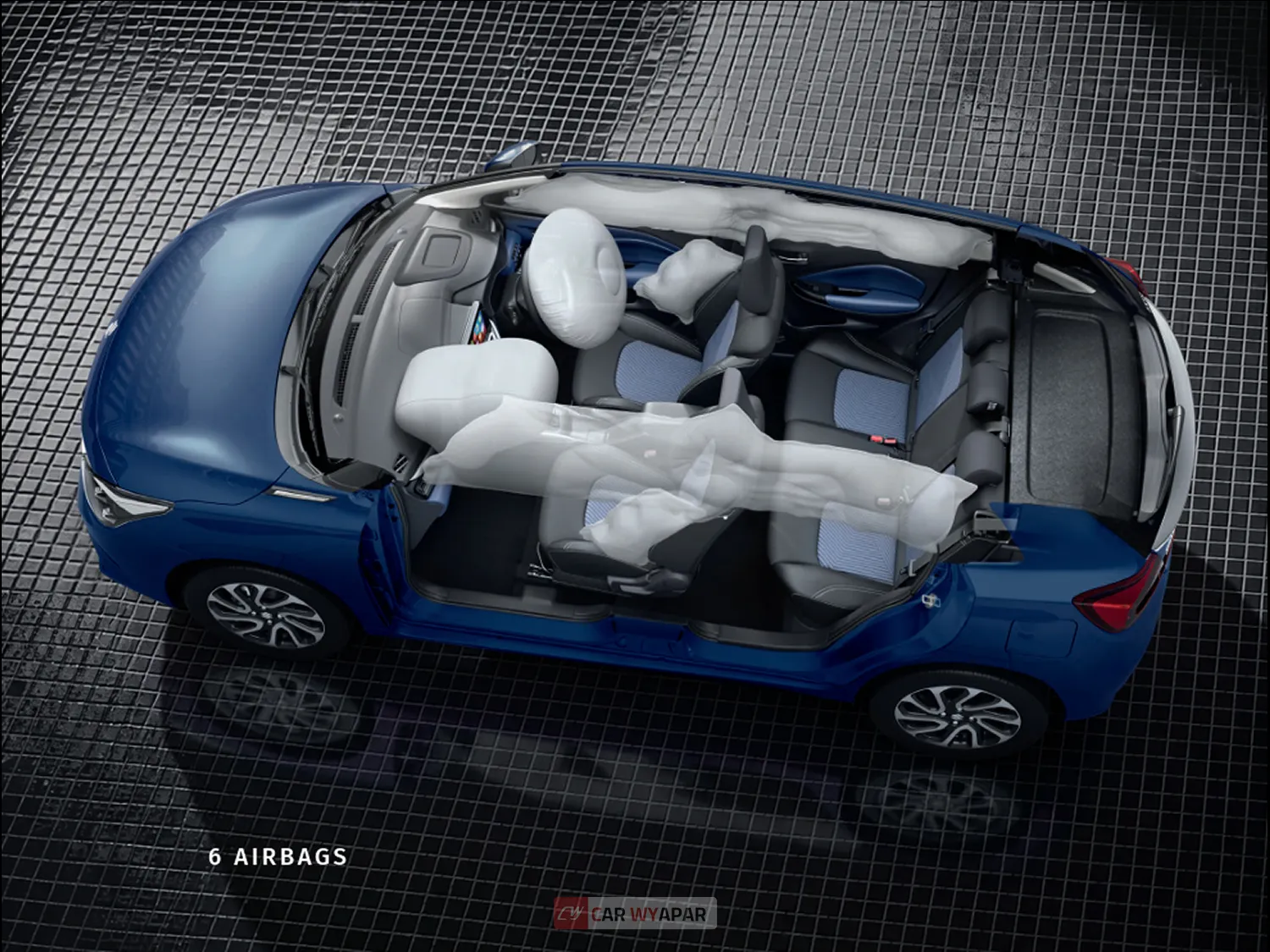
Some detractors say Baleno feels light or less “solid” than SUVs or heavier hatchbacks — meaning body panels might flex more, noise insulation less, crash safety may feel less at high impacts. While Baleno has modern safety features, it doesn’t have the same rugged feel or perceived invincibility people associate with SUVs. But for daily driving in urban/Tier-2 areas, many users accept these tradeoffs for lower cost and better fuel economy. Still Baleno has 4 Star Bharat N-Cap Rating and it is pretty safe enough.

The petrol manual gives ~ 22.35 kmpl according to ARAI, AMT gives ~ 22.94 kmpl. The CNG version claims 30.61 km/kg.

Assuming petrol price ~ ₹102/L: • Petrol Manual at 22.35 kmpl → cost ≈ ₹4.57 / km • Petrol AMT at 22.94 kmpl → cost ≈ ₹4.45 / km If you drive 12,000 km / yr, petrol manual fuel cost ~ ₹54,840/year, AMT ~ ₹53,400/year. Over 5 years fuel cost would be ~ ₹2,70,000–₹2,75,000. CNG variant: assume CNG price ~ ₹90/kg and mileage 30.61 km/kg → cost ≈ ₹2.94 / km. Over 12,000 km/year that’s ~ ₹35,300/year, 5-year ≈ ₹1,76,500, large savings if you habitually drive many kms. Also service cost of service intervals common with Baleno petrol, slight extra on CNG specific items.

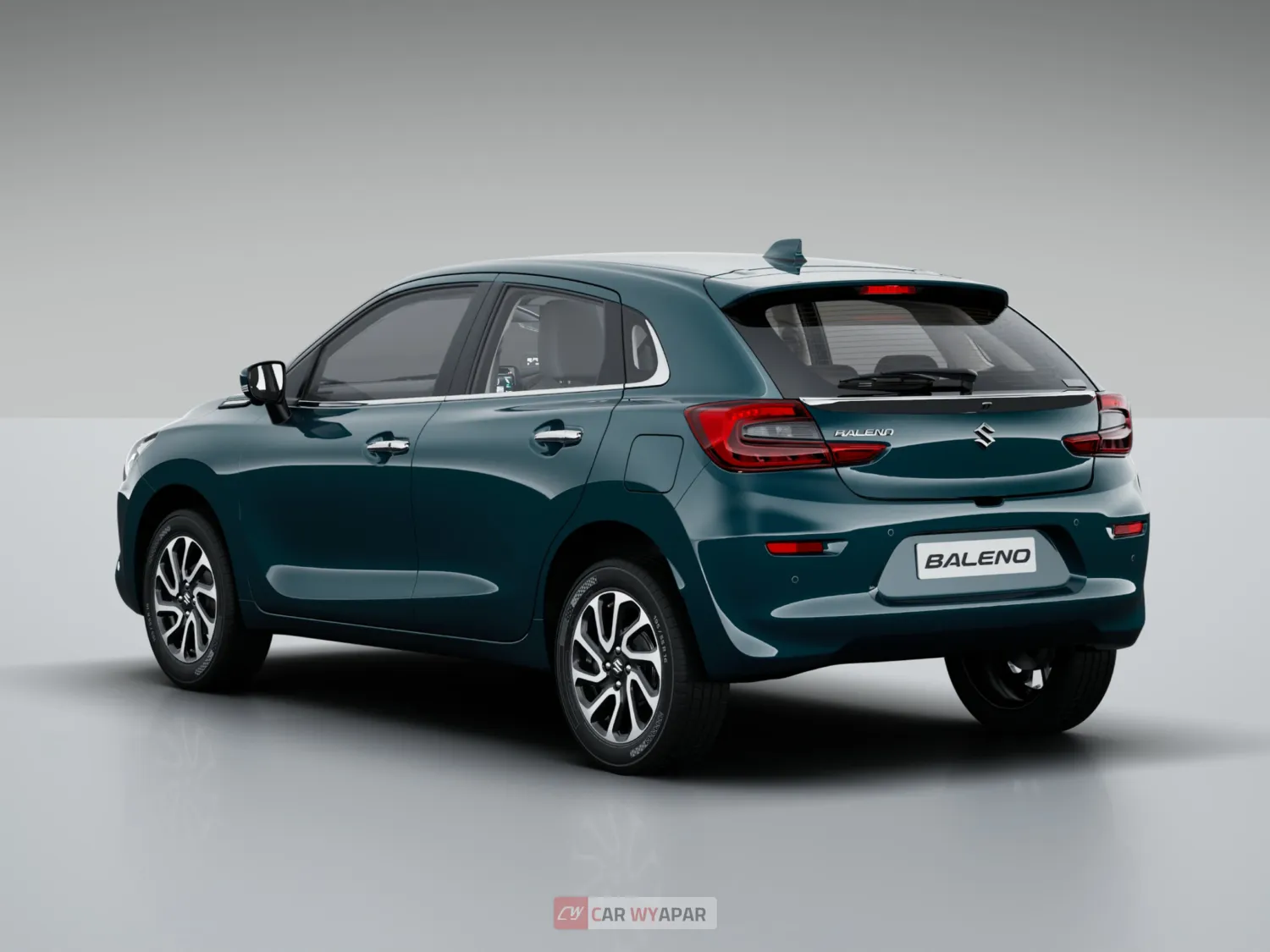
Baleno length ~ 3,990 mm, width ~ 1,745 mm, height ~ 1,500 mm, wheelbase ~ 2,520 mm. Boot space ~ 318 litres in petrol version. With the CNG version, boot space reduces a bit due to the CNG tank. Overall, it is easier to park in Tier-2/3 town lanes, garages, narrow streets; still enough luggage for 2-3 medium suitcases + daily grocery or small travel.

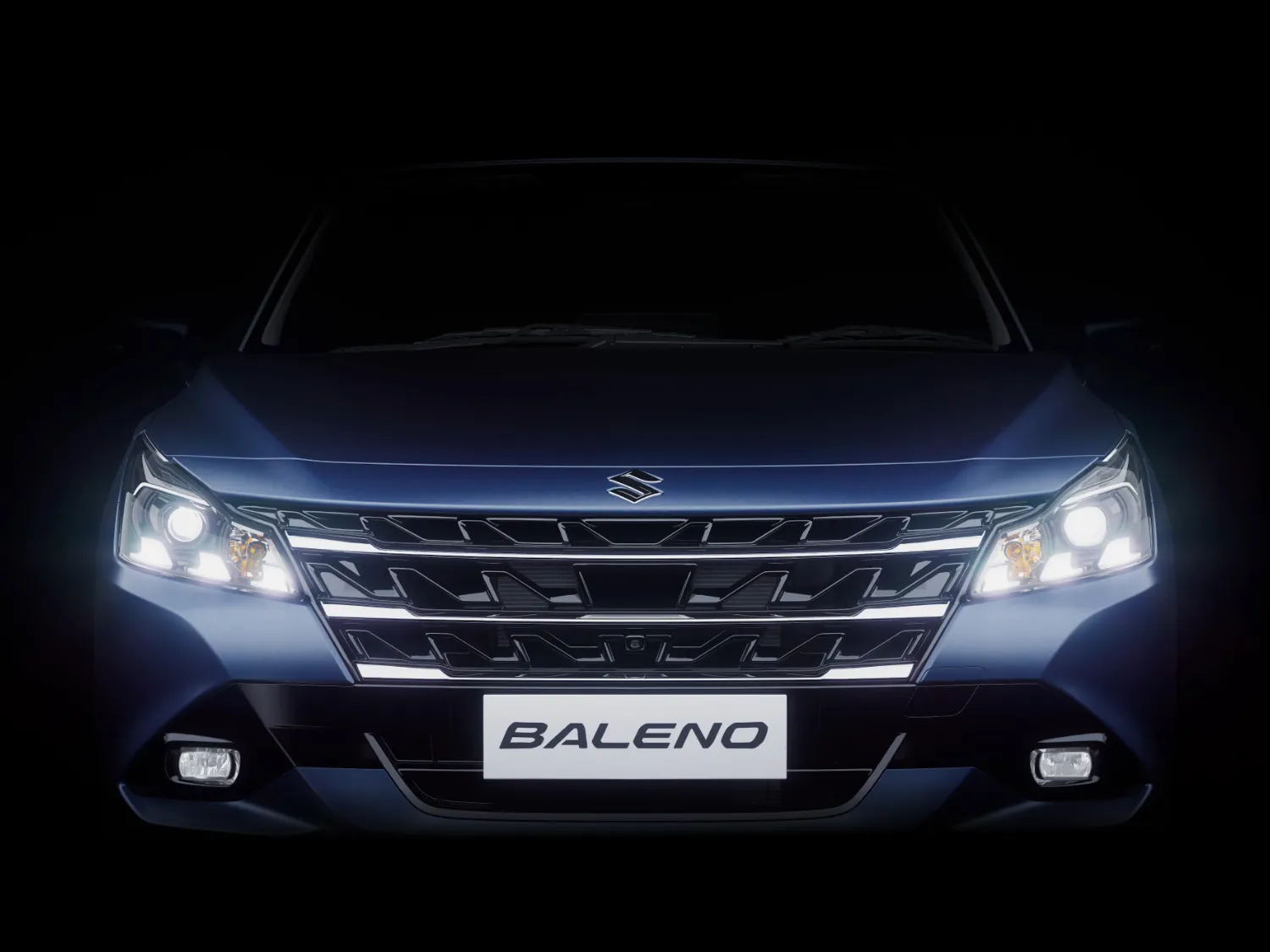
Baleno matters because it fills the sweet spot: premium features + smart tech (LED lights, connected car features, good interiors) + fuel efficiency + relatively low price. For buyers who can’t stretch to SUVs, Baleno offers many of the benefits without the compromises like size, higher fuel bills, higher insurance, etc. It’s often seen as a car that gives maximum value for money in its segment.
Maruti Baleno Ownership Expense

Check your monthly expense for maintaining a Maruti Baleno in your City
Maruti Baleno Comparisons

Maruti Baleno FAQs

Baleno comes with a 5-speed manual (MT) gearbox and an AMT (Automated Manual Transmission). It does not offer a torque converter or CVT in the current facelift version. AMT is not quite an AT, but it gives automatic-like ease without the full cost or complexity.

If you drive in stop-start traffic (markets, small towns, dense suburbs), AMT helps avoid constant clutch work. Compared to older CVT/auto models, the AMT in Baleno is more fuel efficient (22.94 kmpl vs older CVT) because it’s simpler and lighter. You will feel some jerks during gear shifts, particularly from 1 ⇢ 2 or when accelerating hard, but for everyday driving it reduces fatigue.

AMT works by automating a manual gearbox’s clutch and gears, so shifts aren’t as smooth or fast as a torque converter or DCT/AT, but AMT costs less, has lower maintenance, better fuel efficiency, and is simpler mechanically. Full AT gives smoother transitions, better for overtakes and steep hill starts, but at higher price and running cost.

Baleno S-CNG delivers about 30.61 km per kg of CNG, which is much cheaper per km than petrol. It uses the same 1.2-litre DualJet petrol engine, but in CNG mode, power output drops a bit (from ~90 PS / 113 Nm in petrol to ~77.5 PS / 98.5 Nm). The CNG variant is only offered with the manual gearbox, so more driver involvement but much cheaper fuel bills. Boot space reduces because the CNG tank takes up part of the boot.

Baleno is ideal for first-time car buyers, families with 1-2 kids, people commuting in cities or small towns where parking is tight, fuel cost matters, but you still want style, gadgets, comfort. Over compact SUVs, Baleno gives lower running cost, better mileage, easier parking, lower height (less wind noise), and often better drive feel for city roads.

Some detractors say Baleno feels light or less “solid” than SUVs or heavier hatchbacks — meaning body panels might flex more, noise insulation less, crash safety may feel less at high impacts. While Baleno has modern safety features, it doesn’t have the same rugged feel or perceived invincibility people associate with SUVs. But for daily driving in urban/Tier-2 areas, many users accept these tradeoffs for lower cost and better fuel economy. Still Baleno has 4 Star Bharat N-Cap Rating and it is pretty safe enough.

The petrol manual gives ~ 22.35 kmpl according to ARAI, AMT gives ~ 22.94 kmpl. The CNG version claims 30.61 km/kg.

Assuming petrol price ~ ₹102/L: • Petrol Manual at 22.35 kmpl → cost ≈ ₹4.57 / km • Petrol AMT at 22.94 kmpl → cost ≈ ₹4.45 / km If you drive 12,000 km / yr, petrol manual fuel cost ~ ₹54,840/year, AMT ~ ₹53,400/year. Over 5 years fuel cost would be ~ ₹2,70,000–₹2,75,000. CNG variant: assume CNG price ~ ₹90/kg and mileage 30.61 km/kg → cost ≈ ₹2.94 / km. Over 12,000 km/year that’s ~ ₹35,300/year, 5-year ≈ ₹1,76,500, large savings if you habitually drive many kms. Also service cost of service intervals common with Baleno petrol, slight extra on CNG specific items.

Baleno length ~ 3,990 mm, width ~ 1,745 mm, height ~ 1,500 mm, wheelbase ~ 2,520 mm. Boot space ~ 318 litres in petrol version. With the CNG version, boot space reduces a bit due to the CNG tank. Overall, it is easier to park in Tier-2/3 town lanes, garages, narrow streets; still enough luggage for 2-3 medium suitcases + daily grocery or small travel.

Baleno matters because it fills the sweet spot: premium features + smart tech (LED lights, connected car features, good interiors) + fuel efficiency + relatively low price. For buyers who can’t stretch to SUVs, Baleno offers many of the benefits without the compromises like size, higher fuel bills, higher insurance, etc. It’s often seen as a car that gives maximum value for money in its segment.