




























Govt to Mandate AVAS for Electric Vehicles Starting 2026
By Carwyapar • Published on 26 Feb 2026 • Updated on 6 Mar 2026New Delhi — In a major move to bolster road safety, the Ministry of Road Transport and Highways (MoRTH) has issued a draft notification mandating Acou...
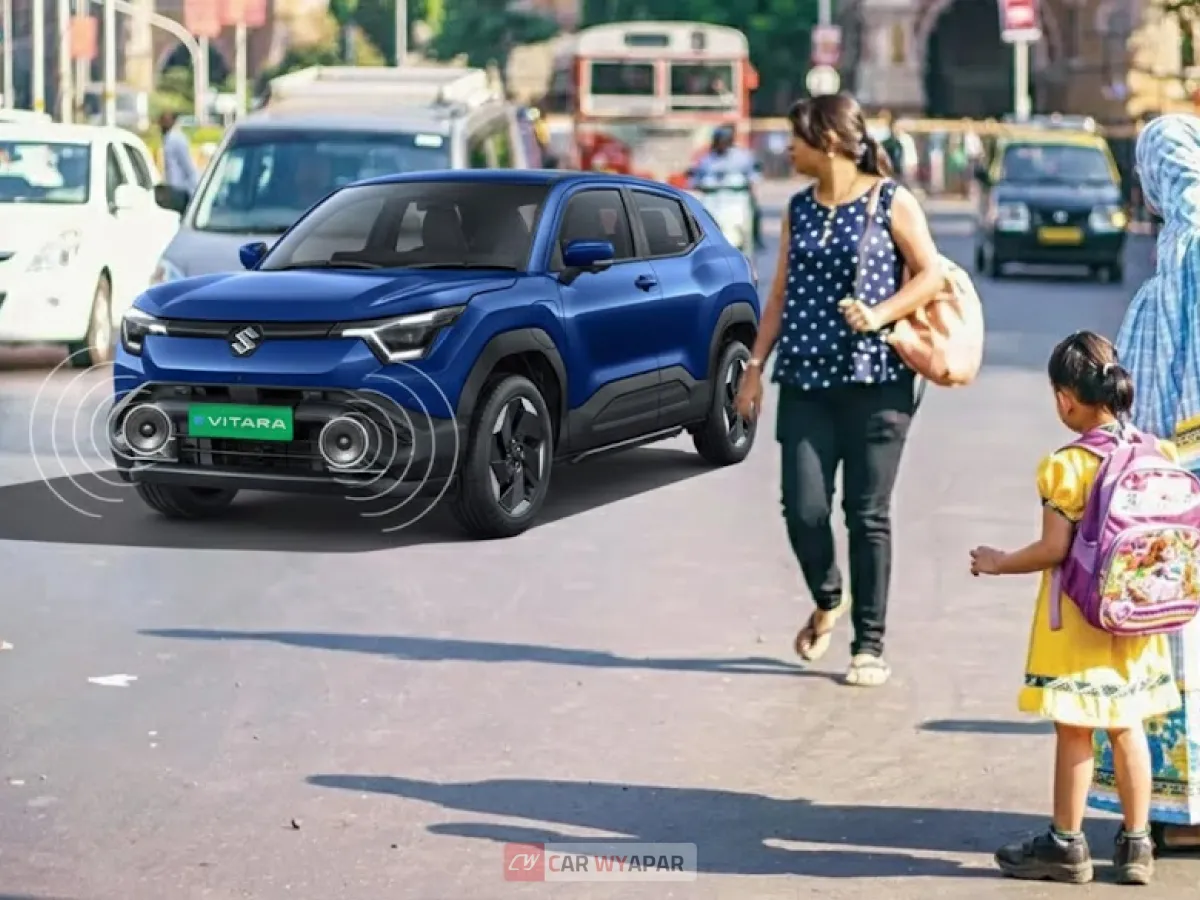
New Delhi — In a major move to bolster road safety, the Ministry of Road Transport and Highways (MoRTH) has issued a draft notification mandating Acoustic Vehicle Alerting Systems (AVAS) for all new electric vehicles. The regulation aims to eliminate the "silent threat" posed by EVs, which are often nearly impossible for pedestrians and cyclists to hear when moving at low speeds.
The mandate, set to take effect from October 1, 2026, for new models and October 1, 2027, for existing ones, ensures that "green" doesn't have to mean "invisible" to the ears.
The Problem: The Danger of Silence
While the lack of engine noise is a luxury for drivers, it is a safety hazard on busy streets. Statistics show that EVs are significantly more likely to be involved in low-speed accidents with pedestrians compared to traditional Internal Combustion Engine (ICE) vehicles.
Visually Impaired Risk: People who rely on sound cues to navigate streets find silent EVs particularly dangerous.
Low-Speed Stealth: Below 20 kmph, tire and wind noise are insufficient to alert someone that a multi-ton vehicle is approaching.
What is AVAS?
AVAS is a specialized safety system that uses external speakers to emit an artificial sound. This isn’t just a random beep; it is a continuous, sophisticated acoustic signal designed to mimic the presence of a moving vehicle.
How it works:
Speed Sensitive: The system automatically activates at speeds between 0 and 20 kmph.
Pitch Shifting: The sound changes in frequency and volume based on the vehicle’s acceleration, providing pedestrians with a "mental map" of the car's speed and direction.
Auto-Cutoff: Once the vehicle exceeds 20 kmph, the system turns off, as tire-to-road friction becomes loud enough to serve as a natural warning.
India’s New Roadmap for Safety
The government’s proposal aligns India with global standards already active in the US, Europe, and Japan. The mandate will initially cover:
Category M: Passenger vehicles (Cars, Buses).
Category N: Goods carriers (Trucks, Vans).
Notably, the current draft excludes two-wheelers and three-wheelers, though experts suggest these may be included in future phases as they make up the bulk of India's EV fleet.
The Industry Response
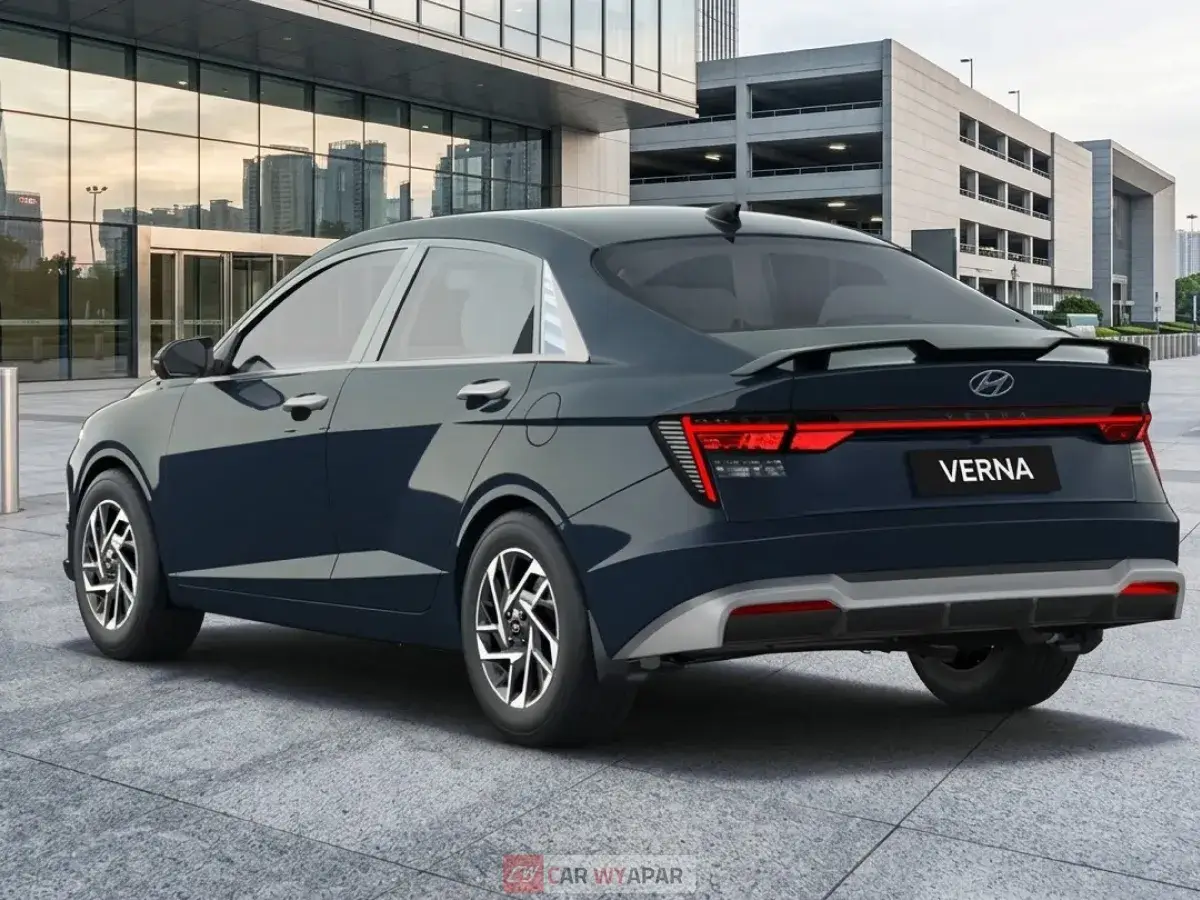
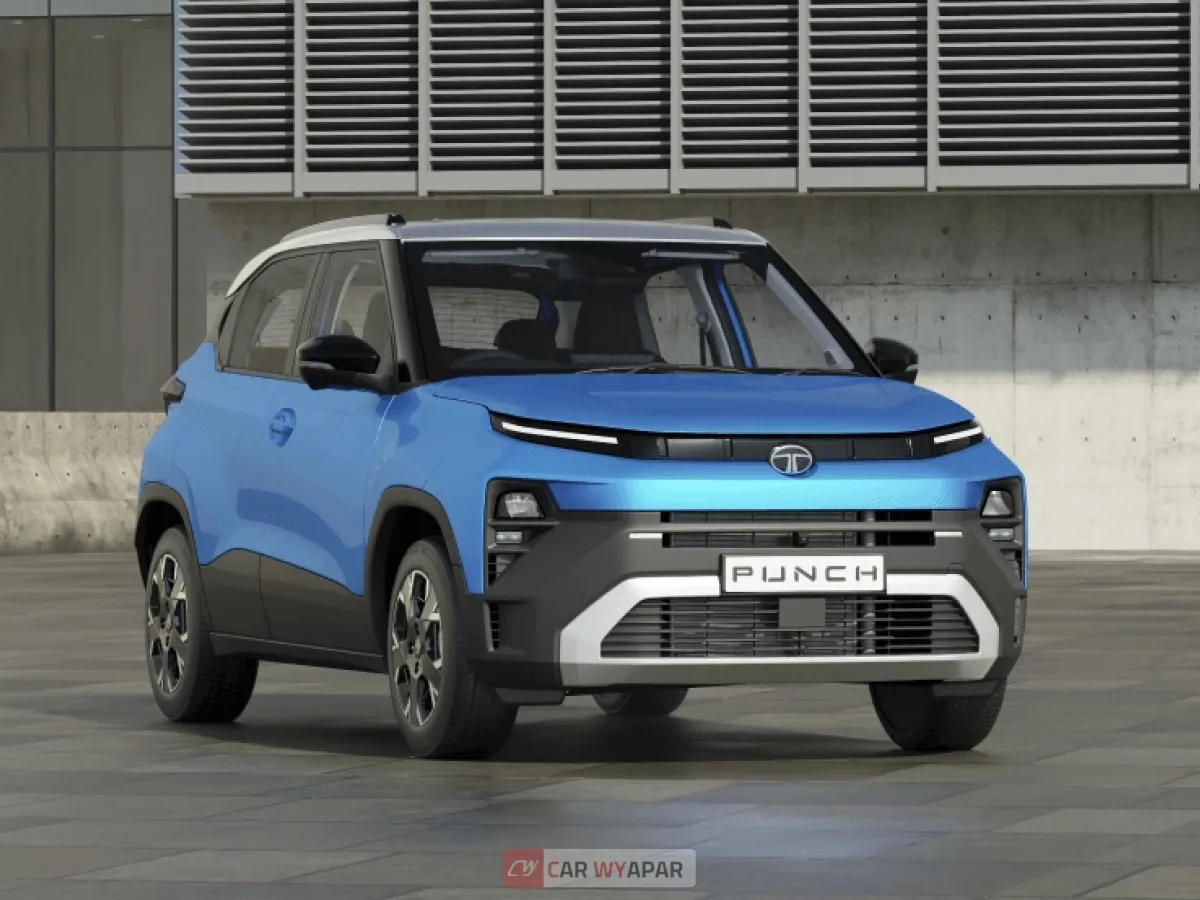
Many manufacturers have already seen the writing on the wall. Models like the Tata Curvv EV, MG Comet, and Mahindra BE 6 are already equipped with early versions of this technology. For automakers, the challenge now lies in balancing a "noticeable" sound with one that isn't a source of noise pollution. Even Strong Hybrid cars like Victoris are coming up with this system since it can drive in pure electric mode.


/SafariPure O 1.webp)


