






















Let's compare Toyota Land Cruiser ZX vs Range Rover SV 3.0 Diesel LWB
Compare Toyota Land Cruiser ZX vs Range Rover SV 3.0 Diesel LWB price, specifications, mileage, features and performance to find the best car for you.

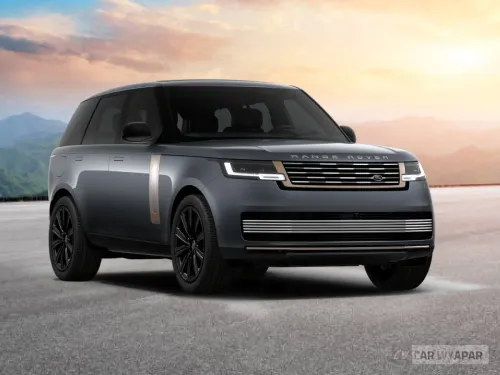

Here is a detailed comparison of price:
Toyota Land Cruiser ZX
Price
₹ 2.49 Cr
On-Road Price New Delhi
EMI
₹ 4.56 Lakh/month
Range Rover SV 3.0 Diesel LWB
Price
₹ 2.67 Cr
On-Road Price New Delhi
EMI
₹ 4.88 Lakh/month
From the above comparison, we can conclude that Toyota Land Cruiser feels light on the pocket compared to Range Rover SV by ₹17,80,240.
Body Type
Suv
Suv
Length
4985 mm
5252 mm +267
Width
1980 mm
2209 mm +229
Height
1980 mm +110
1870 mm
WheelBase
2850 mm
3197 mm +347
Ground Clearance
240 mm +21
219 mm
Seating Capacity
5
5
Fuel Tank Capacity
110 Liters +20
90 Liters
Boot Space
1131 Liters +81
1050 Liters
Fuel Type
Diesel
Diesel
Mileage (KMPL)
11 Km/l
13.16 +2.16
Range
1210 Kms +26
1184 Kms
Engine Type
V6 3.3l Turbo
D350 Ingenium Twin-Turbocharged
Powertrain Assistance
Strong Hybrid
Mild Hybrid
Emission Standards
Bs Vi
Bs6
No. of Cylinders
6
6
Displacement
3346 cc +349
2997 cc
Max Power
304 bhp @ 4000 rpm
346 bhp @ 4000 rpm +42
Max Torque
700 Nm @ 1600 rpm
700 Nm @ 1500 rpm
Transmission Type
AT
AT
Gear Box
10-AT
8-Speed
Drive Type
AWD
AWD
Top Speed
175
234 +59
Tilt Adjust
Yes
Yes
Telescopic Adjust
Yes
Yes
Turning Radius
5.8
5.8
Front Suspension
Double Wishbone Independent
SLA Double Wishbone Electronic Air
Rear Suspension
4N-Link Rigid
5-link axle, Electronic Air Suspension
Front Brakes
Disc
Ventilated Disc
Rear Brakes
Disc
Ventilated Disc
Airbags
10 +4
6
Seatbelt Warning
Yes
Yes
Over Speeding Warning
Yes
Yes
Anti-lock Braking System
Yes
Yes
ESP
Yes
Yes
Brake Assist
Yes
Yes
Tyre Pressure Monitor System
Yes
Yes
Reverse Camera
Yes
Yes
360 Camera
Yes
Yes
Hill Assist
Yes
Yes
Hill Descent Control
Yes
Yes
Child Lock
Yes
Yes
Isofix Child Seat Mount
Yes
Yes
Engine Immobilizer
Yes
Yes
ADAS
No
Yes
Power Windows
Front And Rear
Front And Rear
ORVM Adjustment
Electric
Electric
Request Sensors
Yes
Yes
Push Button Start
Yes
Yes
Cruise Control
Yes
Yes
Keyless Entry
Yes
Yes
Steering Mounted Control
Yes
Yes
Climate Control
Automatic
Automatic
Rear AC Vents
Yes
Yes
Adjustable Steering Column
Yes
Yes
Upholstery
Leather
Leather
Adjustable Front Seats
Yes
Yes
Height Adjustable Driver Seat
Yes
Yes
Rear Armrest
Yes
Yes
Rear Cup Holders
Yes
Yes
Front Cup Holders
Yes
Yes
Cooled Glovebox
Yes
Yes
Sunroof
Panoramic
Panoramic
Wheels
Alloy
Alloy
Fog Lights
Yes
Yes
Tyre Size
265 / 55 R20
285/40 R23
Daytime Running Lights
LED
LED
Headlight Type
Projector Led
Projector Led
Tailgate
Electric
Electric With Gesture
Roof Rails
Yes
Yes
Rear Wiper
Rear Wiper
Rear Wiper
Touch Screen
Yes
Yes
Screen Size
12.3 inch
13.1 inch
USB Port
Yes
Yes
Navigation System
Yes
Yes
Speakers
14
34
Remote App Control
Yes
Yes
Wireless Charging
Yes
Yes
Smartphone Connectivity
Yes
Yes
Telematics
Analogue-Digital
Digital
USB Port
Yes
Yes
Navigation
Yes
Yes
Smartphone Connectivity
Yes
Yes
Toyota Land Cruiser Vs Range Rover SV Colors
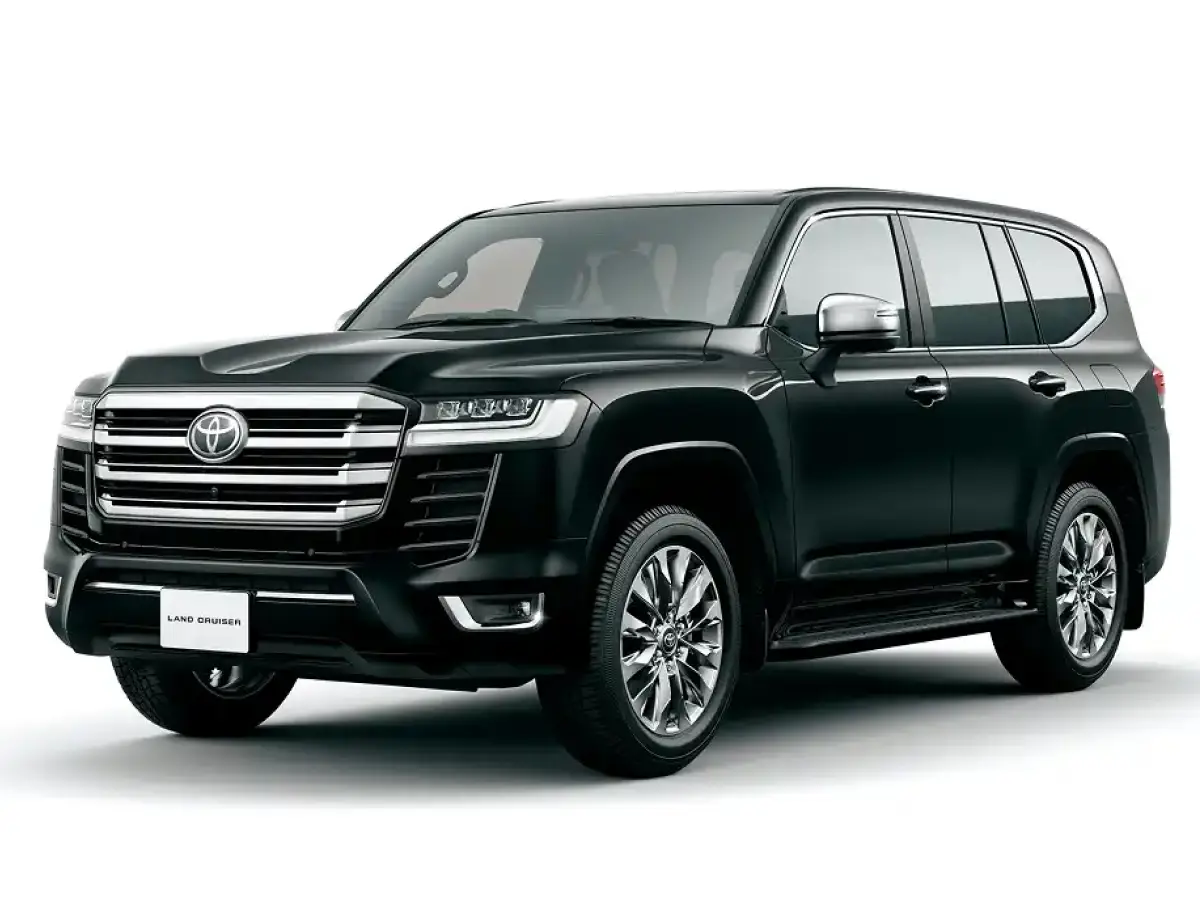
Attitude Black
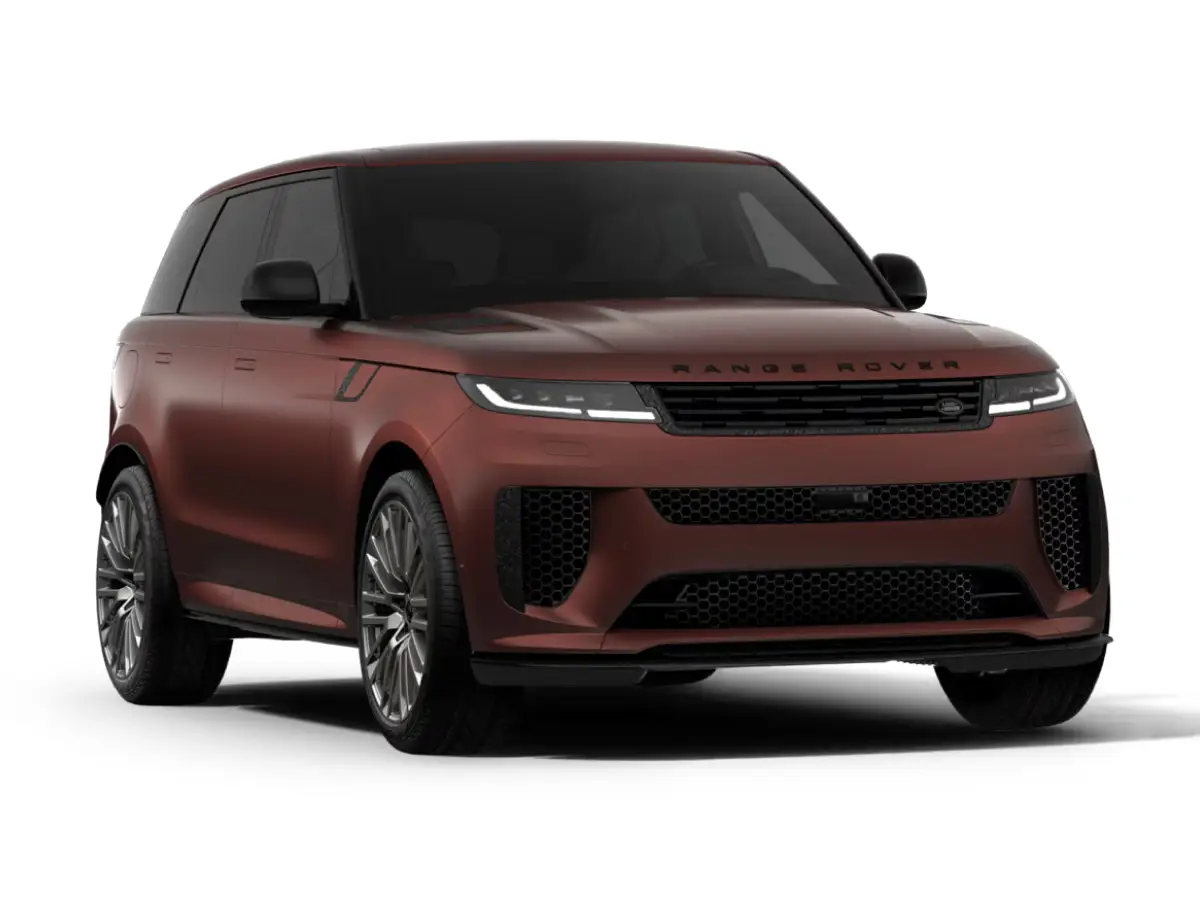
Sunrise Copper
Attitude Black
Sunrise Copper
Toyota Land Cruiser Vs Range Rover SV Expert Opinions
Design and Aesthetics
Features and Specifications
After Sales Support
Brand Value
Resale Value
Likes
- Indestructible Build
- V6 Diesel Torque
- E-KDSS Suspension
- Imposing Road Presence
- Fingerprint Starter
- Global Support
Dislikes
- Cumbersome in Cities
- Fuel Thirst
- Limited Colors
- Huge Waiting Period
Design and Aesthetics
Features and Specifications
After Sales Support
Brand Value
Resale Value
Likes
- Hand-Laid Wood Marquetry
- SV Signature Suite
- Exquisite Ceramic Controls
- Rear Seat Refrigerator
Dislikes
- Enormous Fuel Consumption
- Complexity of Tech
- Extreme Value Depreciation
Toyota Land Cruiser Vs Range Rover SV FAQs

Calculate Car’s Value

Calculate Car’s EMI

Compare Cars
Powered by
