












Let's compare Range Rover SV 3.0 Diesel LWB vs Lamborghini Urus SE V8 PHEV

Compare Range Rover SV 3.0 Diesel LWB vs Lamborghini Urus SE V8 PHEV price, specifications, mileage, features and performance to find the best car for you.
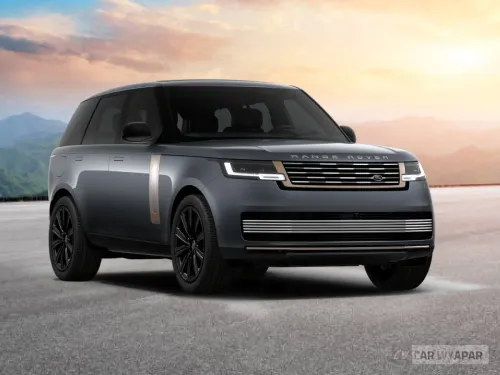
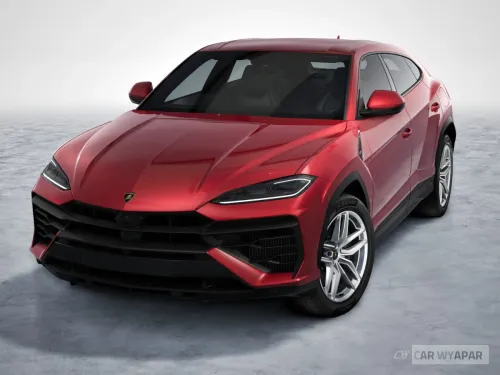
Range Rover SV 3.0 Diesel LWB
Range Rover SV
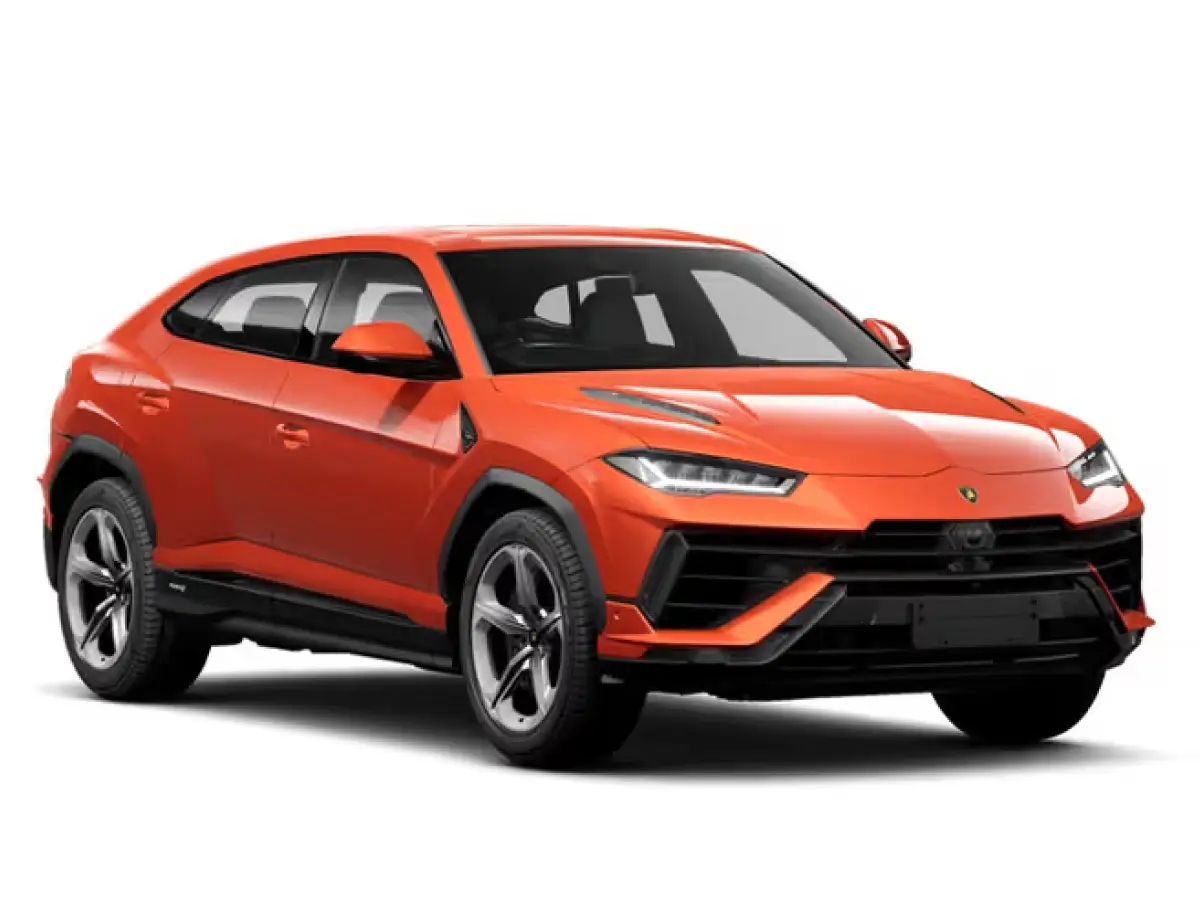
Lamborghini Urus SE V8 PHEV
Lamborghini Urus SE
Car comparison placeholder
Here is a detailed comparison of price:

Range Rover SV 3.0 Diesel LWB

Price

₹ 2.67 Cr

On-Road Price New Delhi

EMI

₹ 4.88 Lakh/month

Lamborghini Urus SE V8 PHEV

Price

₹ 5.18 Cr

On-Road Price New Delhi

EMI

₹ 9.48 Lakh/month

From the above comparison, we can conclude that Range Rover SV feels light on the pocket compared to Lamborghini Urus SE by ₹2,51,38,481.

Dimensions & Seating

Body Type

Suv

Suv

Length

5252 mm +129

5123 mm

Width

2209 mm +187

2022 mm

Height

1870 mm +232

1638 mm

WheelBase

3197 mm +194

3003 mm

Ground Clearance

219 mm

220 mm +1

Seating Capacity

5

5

Fuel Tank Capacity

90 Liters +5

85 Liters

Boot Space

1050 Liters +434

616 Liters

Engine & Transmission

Fuel Type

Diesel

Petrol

Mileage (KMPL)

13.16 +5.36

7.8

Range

1184 Kms +524

660 Kms

Engine Type

D350 Ingenium Twin-Turbocharged

V8 Phev

Powertrain Assistance

Mild Hybrid

Strong Hybrid

Emission Standards

Bs6

Bs Vi

No. of Cylinders

6

8 +2

Displacement

2997 cc

3996 cc +999

Max Power

346 bhp @ 4000 rpm

789 bhp @ 6000 rpm +443

Max Torque

700 Nm @ 1500 rpm

800 Nm @ 2250 rpm +100

Transmission Type

AT

AT

Gear Box

8-Speed

8-DCT

Drive Type

AWD

AWD

Top Speed

234

312 +78

Steering and Suspension

Tilt Adjust

Yes

Yes

Telescopic Adjust

Yes

Yes

Turning Radius

5.8 +0.4

5.4

Front Suspension

SLA Double Wishbone Electronic Air

Semi Active Multilink

Rear Suspension

5-link axle, Electronic Air Suspension

Semi Active Multilink

Front Brakes

Ventilated Disc

Disc

Rear Brakes

Ventilated Disc

Disc

Safety & Security

Airbags

6

8 +2

Seatbelt Warning

Yes

Yes

Over Speeding Warning

Yes

Yes

Anti-lock Braking System

Yes

Yes

ESP

Yes

Yes

Brake Assist

Yes

Yes

Tyre Pressure Monitor System

Yes

Yes

Reverse Camera

Yes

Yes

360 Camera

Yes

Yes

Hill Assist

Yes

Yes

Hill Descent Control

Yes

Yes

Child Lock

Yes

Yes

Isofix Child Seat Mount

Yes

Yes

Engine Immobilizer

Yes

Yes

ADAS

Yes

Yes

Comfort & Convenience

Power Windows

Front And Rear

Front And Rear

ORVM Adjustment

Electric

Electric

Request Sensors

Yes

Yes

Push Button Start

Yes

Yes

Cruise Control

Yes

Yes

Keyless Entry

Yes

Yes

Steering Mounted Control

Yes

Yes

Climate Control

Automatic

Automatic

Rear AC Vents

Yes

Yes

Adjustable Steering Column

Yes

Yes

Interior Features

Upholstery

Leather

Leather

Adjustable Front Seats

Yes

Yes

Height Adjustable Driver Seat

Yes

Yes

Rear Armrest

Yes

Yes

Rear Cup Holders

Yes

Yes

Front Cup Holders

Yes

Yes

Cooled Glovebox

Yes

Yes

Exterior Features

Sunroof

Panoramic

Panoramic

Wheels

Alloy

Alloy

Fog Lights

Yes

Yes

Tyre Size

285/40 R23

285 / 45 R21

Daytime Running Lights

LED

LED

Headlight Type

Projector Led

Projector Led

Tailgate

Electric With Gesture

Electric With Gesture

Roof Rails

Yes

Yes

Rear Wiper

Rear Wiper

Rear Wiper

Infotainment & Telematics

Touch Screen

Yes

Yes

Screen Size

13.1 inch

12.3 inch

USB Port

Yes

Yes

Navigation System

Yes

Yes

Speakers

34

6

Remote App Control

Yes

Yes

Wireless Charging

Yes

Yes

Smartphone Connectivity

Yes

Yes

Telematics

Digital

Digital

Connectivity & Internet

USB Port

Yes

Yes

Navigation

Yes

Yes

Smartphone Connectivity

Yes

Yes

Range Rover SV Vs Lamborghini Urus SE Colors
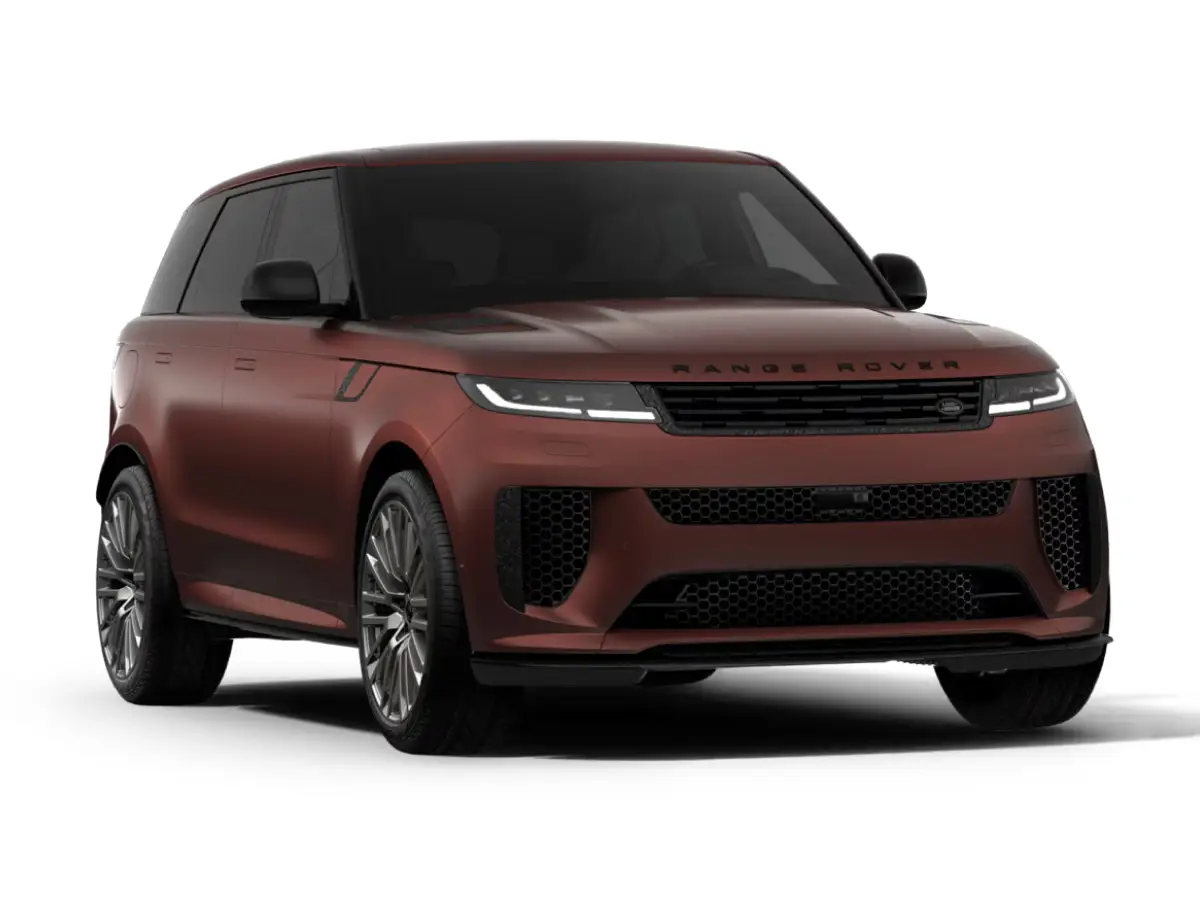
Range Rover SV Sunrise Copper

Sunrise Copper

Lamborghini Urus SE Arancio Argos

Arancio Argos

Range Rover SV Sunrise Copper

Sunrise Copper

Lamborghini Urus SE Arancio Argos

Arancio Argos

Range Rover SV Vs Lamborghini Urus SE Expert Opinions
Design and Aesthetics
Features and Specifications
After Sales Support
Brand Value
Resale Value
Likes
Dislikes
Design and Aesthetics
Features and Specifications
After Sales Support
Brand Value
Resale Value
Likes
Dislikes
Range Rover SV Vs Lamborghini Urus SE FAQs
The Range Rover SV in India starts from about ₹4.10 Crore for the 3.0-litre LWB Diesel SV, going up to ₹4.56 Crore for the 4.4-litre LWB SV Petrol.

The Range Rover SV measures 5.052 meters (≈ 16.58 ft) in length, 2.209 meters (≈ 7.24 ft) in width, and 1.870 meters (≈ 6.14 ft) in height, with ground clearance of 219 mm. It’s big. Great for highway presence, room, and comfort, but expect limitations in narrow city roads or tight parking.

The Range Rover SV typically seats 5 to 7 people depending on configuration (Long Wheelbase = 7 seats, standard often 5). Boot space is around 725 liters with all rows in standard use, which drops if you fold or remove rows. Enough luggage for long journeys and luxury travel.

The SV offers multiple powertrains: a 3.0-litre V6 Diesel (~346 bhp, ~650 Nm torque) mild hybrid, and a 4.4-litre V8 Petrol (~523 bhp, ~750 Nm torque). Acceleration from 0-100 km/h is about 5.8 to 6.1 seconds in top variants. Top speed around 250 km/h. If you want luxury and performance, this delivers.

Fuel efficiency is approximately 8.7 kmpl for the 4.4-litre SV Petrol, and ~13 kmpl for the 3.0-litre Diesel SV in ARAI cycles. At ₹102 per litre petrol, and roughly same scale for diesel, expect ₹11-₹15 per km in city use, less on smooth highway. Fuel becomes a luxury expense in this class.

Yes, the Range Rover SV excels in long trips: air suspension, spacious cabin (especially LWB), advanced comfort features, and strong engines make it ideal. However, check for charging or service center availability, and plan fuel/stopovers, because its size and running costs mean compromises in some remote or rugged routes.

The SV trim is loaded with premium features: multiple airbags, advanced driver assistance systems, electronic air suspension, dynamic response suspension, ventilated high-end seats, four-zone climate control, 360° cameras, parking assistance, etc. Travel in the front or back, cabin quietness and luxury materials make it feel more like a limousine than an SUV.

Annual maintenance typically runs ₹2.5-3.5 lakh + depending on usage, parts, servicing intervals. Basic service ≈ ₹60,000-₹80,000; V8 and premium parts cost far more. Insurance, tyres (premium size), insurance, and spare parts add up: this is a vehicle for someone who budgets luxury after the purchase. Resale value, reliability, and service network become key concerns.

The Lamborghini Urus sits at around ₹5.7 crore. Yes, five-point-seven-crore. That’s not the on-road price of a city, it’s the ex-showroom price of an SUV that happens to carry the Raging Bull badge.

Every now and then someone whispers, “But hey, the Tata Curvv kind of looks like the Urus from the back.” That’s like saying your ₹300 Ray-Bans from a street stall are the same as the actual ones because both have tinted lenses. The Urus is what happens when Italy, Audi money, and a raging bull have an espresso-fueled brainstorm. The Curvv is what happens when Tata tries to give you style on a budget. Both are fine in their lanes, but if you actually cross-shop them, you’re basically comparing a Rolex Daytona with a Titan Fastrack.

“Mahindra BE.06 looks like the Urus from the side.” Sure, if you close one eye, squint the other, and stand 200 meters away on a foggy morning. The BE.06 is still a concept-turned-future EV, while the Urus is already busy terrorizing highways with a V8 twin-turbo symphony. The BE.06 wants to save the planet, the Urus wants to scare it. Different planets, different goals.

The Urus is the first SUV that didn’t water down the brand, it injected steroids into the segment. It’s got the practicality of an SUV but the soul of a supercar. Powered by a 4.0L twin-turbo V8 pumping 657 horsepower, it sprints like a coupe and yet can carry luggage, friends, and their egos.

The Urus measures 5123 mm in length, 2181 mm in width, and 1638 mm in height, with a boot space of 616 liters. Translation: yes, you can actually go grocery shopping in it, though your bill at Nature’s Basket might look like EMI compared to the price of the car.

It delivers around 7–8 kmpl if you drive like a saint. Drive like a Lambo owner is supposed to and you’ll see that figure fall faster than crypto prices in a bear market.

If you want an SUV that can embarrass sports cars at traffic lights, make your neighbors question life choices, and still carry your golf set, then the Urus is your guilty pleasure. If your calculator comes out every time you hear “fuel efficiency,” please return to the Tata showroom and pick a Curvv.

Because it makes zero sense and that’s exactly the point. Rolling up to a mall in a ₹5.7 crore SUV that gulps petrol like you’re sponsoring OPEC is peak flex. Watch aunties in Fortuners whisper, watch uncles in Q7s pretend not to care, and watch every valet suddenly get butterfingers with your keys. The Urus is not just transport, it’s a walking, roaring, turbocharged billboard that says, “I made it, and I didn’t settle for a GLE.”

Under that sculpted hood lies a 4.0-litre twin-turbocharged V8 producing about 657 horsepower and 850 Nm of torque. That means 0 to 100 km/h in 3.3 seconds, which is faster than most so-called sports cars.

With 616 liters of boot space, you could, in theory, use it for school runs or family road trips. Just imagine showing up at your kid’s PTM in a Urus, suddenly math grades won’t matter because the teacher is still staring at your car. Parking though, that’s another story. At 5.1 meters long and 2 meters wide, squeezing this beast into mall basements will feel like landing a Boeing in a scooter parking lot.