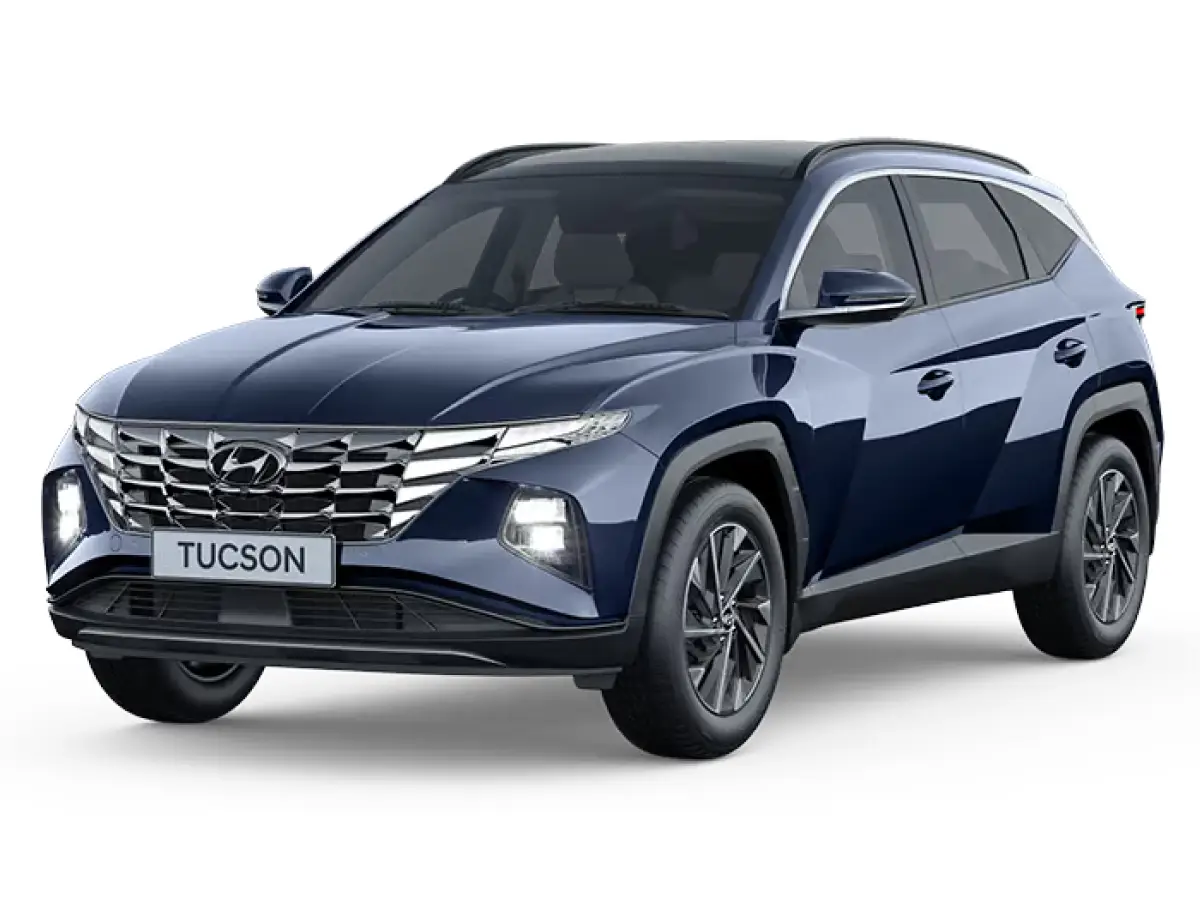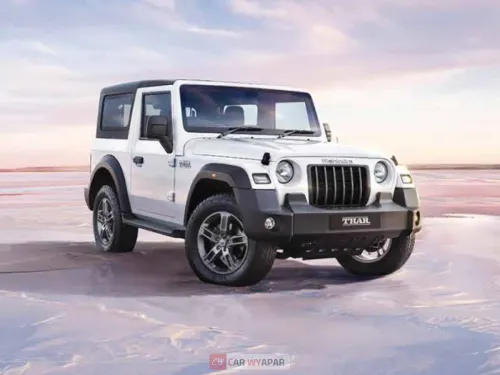





















Let's compare Jeep Meridian Longitude 4X2 vs Hyundai Tucson Platinum AT

Compare Jeep Meridian Longitude 4X2 vs Hyundai Tucson Platinum AT price, specifications, mileage, features and performance to find the best car for you.

Jeep Meridian Longitude 4X2
Jeep Meridian
Hyundai Tucson Platinum AT
Hyundai Tucson
Car comparison placeholder
Here is a detailed comparison of price:

Jeep Meridian Longitude 4X2

Price

₹ 27.05 Lakh

On-Road Price New Delhi

EMI

₹ 49,950/month

Hyundai Tucson Platinum AT

Price

₹ 31.04 Lakh

On-Road Price New Delhi

EMI

₹ 57,320/month

From the above comparison, we can conclude that Jeep Meridian feels light on the pocket compared to Hyundai Tucson by ₹3,99,146.

Dimensions & Seating

Body Type

Suv

Suv

Length

4769 mm +139

4630 mm

Width

1859 mm

1865 mm +6

Height

1698 mm +33

1665 mm

WheelBase

2782 mm +27

2755 mm

Ground Clearance

214 mm +22

192 mm

Seating Capacity

7 +2

5

Fuel Tank Capacity

60 Liters +6

54 Liters

Boot Space

170 Liters

540 Liters +370

Engine & Transmission

Fuel Type

Diesel

Petrol

Mileage (KMPL)

14.1 Km/l +1.1

13

Range

846 Kms +144

702 Kms

Engine Type

2.0 Multijet Ii

Nu 2.0

Powertrain Assistance

No

No

Emission Standards

Bs Vi

Bs Vi

No. of Cylinders

4

4

Displacement

1956 cc

1999 cc +43

Max Power

168 bhp @ 3750 rpm +14

154 bhp @ 6200 rpm

Max Torque

350 Nm @ 1750-2500 rpm +158

192 Nm @ 4500 rpm

Transmission Type

MT

AT

Gear Box

6-Manual

6-TC

Drive Type

FWD

FWD

Top Speed

198

205 +7

Steering and Suspension

Tilt Adjust

Yes

Yes

Telescopic Adjust

Yes

Yes

Turning Radius

5.7

5.9 +0.2

Front Suspension

McPherson strut

McPherson strut with coil spring

Rear Suspension

Multi-Link

Multi-link with Coil Spring

Front Brakes

Disc

Disc

Rear Brakes

Disc

Disc

Safety & Security

Airbags

6

6

Seatbelt Warning

Yes

Yes

Over Speeding Warning

Yes

Yes

Anti-lock Braking System

Yes

Yes

ESP

Yes

Yes

Brake Assist

Yes

Yes

Tyre Pressure Monitor System

Yes

Yes

Reverse Camera

Yes

Yes

360 Camera

No

No

Hill Assist

Yes

Yes

Hill Descent Control

No

Yes

Child Lock

Yes

Yes

Isofix Child Seat Mount

Yes

Yes

Engine Immobilizer

Yes

Yes

ADAS

No

No

Comfort & Convenience

Power Windows

Front And Rear

Front And Rear

ORVM Adjustment

Electric

Electric

Request Sensors

Yes

Yes

Push Button Start

Yes

Yes

Cruise Control

No

Yes

Keyless Entry

Yes

Yes

Steering Mounted Control

Yes

Yes

Climate Control

--

Automatic

Rear AC Vents

Yes

Yes

Adjustable Steering Column

Yes

Yes

Interior Features

Upholstery

Faux Leather

Leather

Adjustable Front Seats

Yes

Yes

Height Adjustable Driver Seat

Yes

Yes

Rear Armrest

Yes

Yes

Rear Cup Holders

Yes

Yes

Front Cup Holders

Yes

Yes

Cooled Glovebox

No

Yes

Exterior Features

Sunroof

No

Panoramic

Wheels

Alloy

Diamond Cut Alloy

Fog Lights

Yes

No

Tyre Size

235 / 55 R18

235/60 R18

Daytime Running Lights

LED

LED

Headlight Type

Projector Led

Projector Led

Tailgate

Manual

Yes

Roof Rails

Yes

Yes

Rear Wiper

Rear Wiper

Rear Wiper

Infotainment & Telematics

Touch Screen

Yes

Yes

Screen Size

10.1 inch

10.25 inch

USB Port

Yes

Yes

Navigation System

Yes

Yes

Speakers

6

8

Remote App Control

Yes

Yes

Wireless Charging

No

Yes

Smartphone Connectivity

Yes

Yes

Telematics

Analogue

Digital

Connectivity & Internet

USB Port

Yes

Yes

Navigation

Yes

Yes

Smartphone Connectivity

Yes

Yes

Jeep Meridian Vs Hyundai Tucson Colors
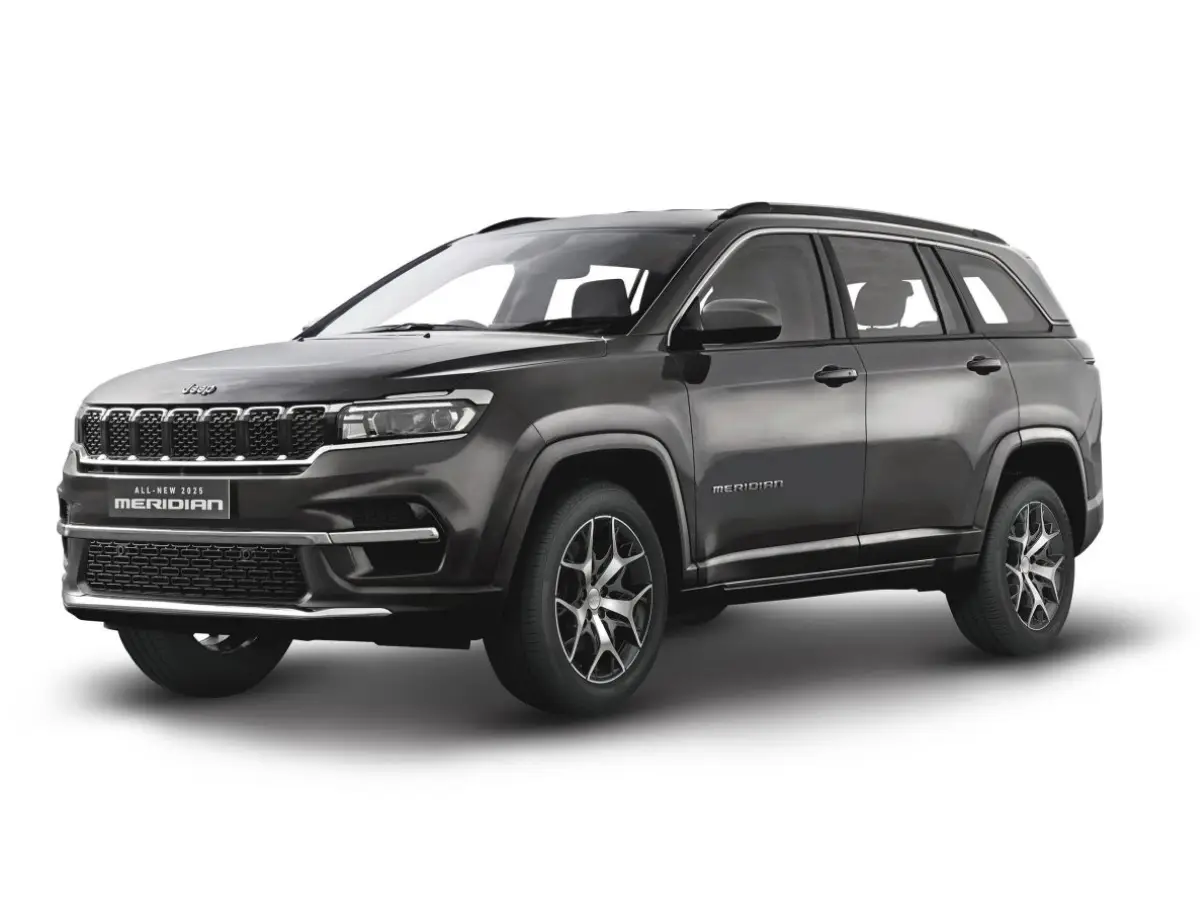
Jeep Meridian Brilliant Black

Brilliant Black

Hyundai Tucson Starry Night

Starry Night

Jeep Meridian Brilliant Black

Brilliant Black

Hyundai Tucson Starry Night

Starry Night

Jeep Meridian Vs Hyundai Tucson Expert Opinions
Design and Aesthetics
Features and Specifications
After Sales Support
Brand Value
Resale Value
Likes
Dislikes
Design and Aesthetics
Features and Specifications
After Sales Support
Brand Value
Resale Value
Likes
Dislikes
Jeep Meridian Vs Hyundai Tucson FAQs

The Jeep Meridian is priced between ₹24.99 lakh and ₹38.79 lakh (ex-showroom, India). It covers both premium family buyers looking at entry trims and urban professionals or explorers considering the higher AWD versions.

Yes, the Jeep Meridian is a proper 7-seater SUV, designed to carry the entire family or a group of friends in comfort. The third row is practical for kids and occasional adults, while the second row is spacious enough for long highway drives.

The Jeep Meridian’s boot space changes based on the seating configuration: 1. 670 litres in the 5-seater variant, perfect for families who want luggage freedom. 2. 481 litres in the 7-seater version with all rows in use, which is still enough for a couple of suitcases and daily needs. This flexibility means whether you’re carrying airport luggage, weekend camping gear, or groceries, the Meridian can adapt without compromising comfort.

The Jeep Meridian is ideal for: 1. Families who want space and premium comfort without stretching to the size (and price) of a Fortuner. 2. Professionals in metro cities who prefer a stylish yet practical 7-seater for office commutes and weekend trips. 3. Adventure enthusiasts who want a monocoque SUV with AWD capability for road trips, hilly terrains, or light off-road trails.

The Jeep Meridian competes with the Tata Safari, MG Hector Plus, Hyundai Alcazar, and Toyota Innova Hycross on the lower trims. On the higher trims, it also attracts buyers eyeing the Toyota Fortuner or MG Gloster. While rivals focus on sheer size or value, the Meridian’s strength lies in its premium interiors, Jeep heritage, and balanced urban-rural usability.

At 4,769 mm long and 1,859 mm wide, the Meridian offers commanding presence yet doesn’t feel oversized like some ladder-frame SUVs. It fits better in urban parking, handles well in traffic, and still gives the big SUV aura that city buyers love.

The Hyundai Tucson starts at about ₹29.27 lakh (ex-showroom) for the base petrol automatic trim. The top-end signature diesel AWD automatic variants go up to approx ₹36.04 lakh ex-showroom. On-road price in cities (including taxes, insurance etc.) pushes it higher, depending on variant.

Hyundai Tucson is offered with two main engine choices: a 2.0-litre petrol engine (Nu 2.0) with ~156 PS and 192 Nm torque paired with a 6-speed automatic, and a 2.0-litre diesel engine (New R 2.0 VGT) with around 186 PS / 416 Nm torque paired with an 8-speed automatic.

In India, the Tucson’s mileage varies by engine and driving condition. The petrol AT variant gives about 13 kmpl ARAI-claimed, while the diesel AT variant is rated around 16.4 kmpl. Real world in city traffic will be lower.

Hyundai Tucson measures approximately 4630 mm in length, 1865 mm in width, 1665-1665 mm in height. (Different sources show height ~1665 mm; earlier ~1665, sometimes 1666 mm). Wheelbase is 2755 mm. Boot space is about 500 litres. Fuel tank capacity is 54 litres. These dimensions position it as a mid-size SUV with roomy cabin and large luggage space.

The Hyundai Tucson comes well-equipped in safety. Standard features include 6 airbags, ABS with EBD, Electronic Stability Control (ESC), Hill-Hold Assist, Blind Spot Monitoring, 360-degree camera with rear parking sensors, Lane Keep Assist, Forward Collision Warning, Adaptive Cruise Control, Driver Attention Warning, Rear Cross Traffic Collision Assist, etc. Many variants include Level-2 ADAS suite.

Using petrol at ₹102 / litre and the petrol mileage of ~13 kmpl: cost_per_km = 102 ÷ 13 ≈ ₹7.85 per km. These are ideal-case numbers; city traffic, AC use, load etc. will increase the cost.

Buy the Tucson if you want a spacious, premium-feature mid-size SUV with strength in highway comfort, long trips, and want to feel status-adjacent. If you often drive in cities, value ride comfort, tech, safety, and don’t mind paying more on maintenance, then Tucson is strong. Avoid it if your budget is tight, you mostly do short runs with rough roads, want minimal fuel cost, or you care more about SUV looks than actual utility. If you’re okay with compromise, a smaller SUV might serve better.

As a premium mid-size SUV, Tucson will cost more to maintain than compact SUVs. Expected regular servicing (oil, filters, minor checks) annually could cost between ₹12,000-₹18,000 depending on petrol or diesel, usage, and variant. Over 3-5 years, wear & tear items like brake pads/rotors, tyres, battery and more feature-rich parts (parking sensors, ADAS sensors) will add up. Add a buffer of ₹20,000-₹30,000 across 5 years for those extra things. Insurance, tyres (bigger size, premium wheels) and spares are costlier.

Tucson is in a different class: bigger dimensions, more power, more torque, stronger diesel engine, more comfort features, better safety kit, larger boot and longer wheelbase. It’s less nimble in tight lanes but significantly more capable and comfortable on highways, for family travel, for premium ownership. Creta is more city-friendly and budget focussed; Tucson is for those who want upgrade in comfort and capability.
*Ad Advertisement banner