Tata Harrier EV VS Hyundai i20 N Line: Head 2 Head Comparison
Let’s compare Tata Harrier EV Adventure and Hyundai i20 N Line N6. Tata Harrier EV has 1 Variants available and Hyundai i20 N Line has 7 Variants available. Tata Harrier EV starts at 21,49,000 and Hyundai i20 N Line starts at 9,99,500.
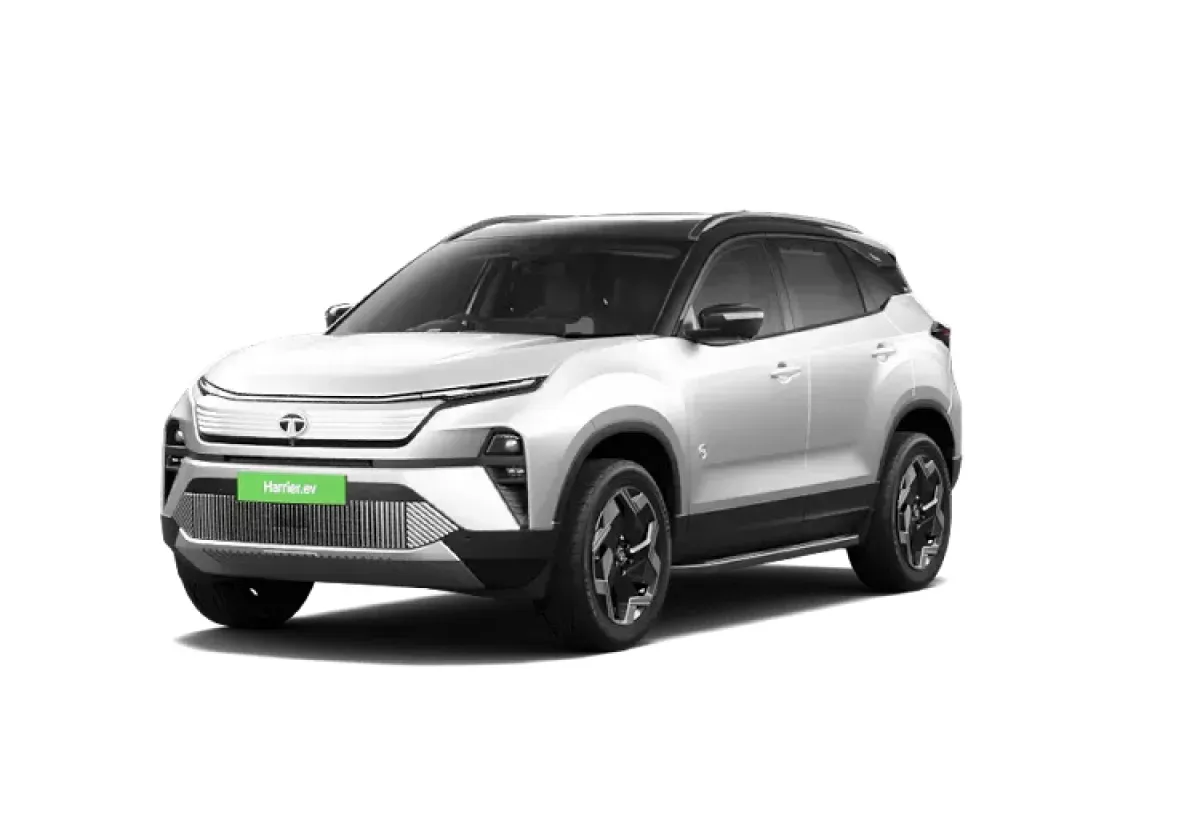
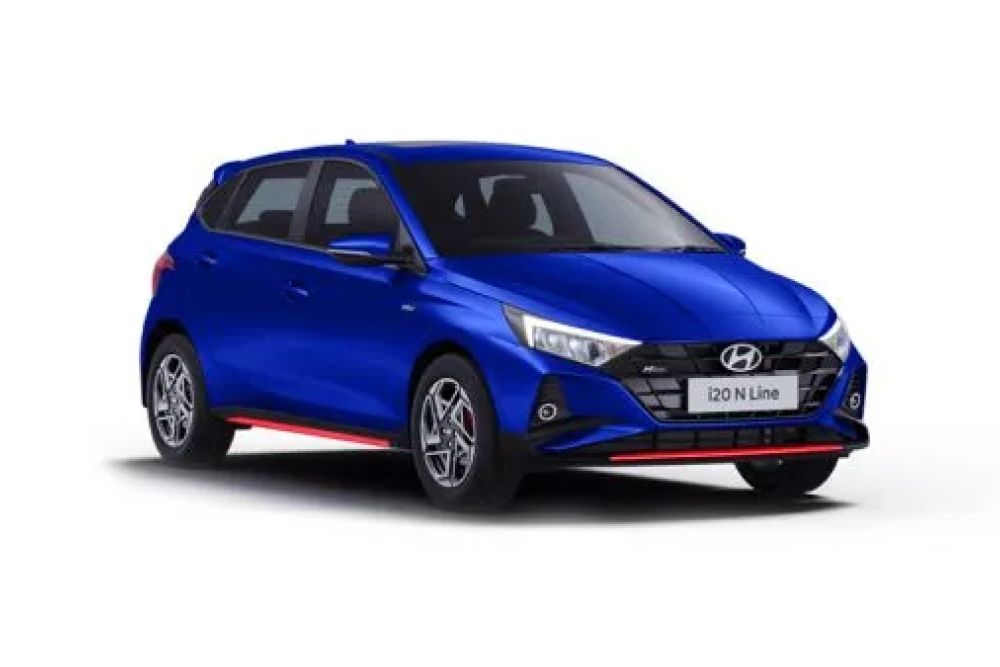

Here is a detailed comparison of price:
₹ 21.49 LakhNew Delhi
Ex ShowroomCheck On-road Price
₹ 39,681/monthChange
10% down payment, 8.5% for 5 Years
₹ 9.99 LakhNew Delhi
Ex ShowroomCheck On-road Price
₹ 18,456/monthChange
10% down payment, 8.5% for 5 Years
Budget Friendly
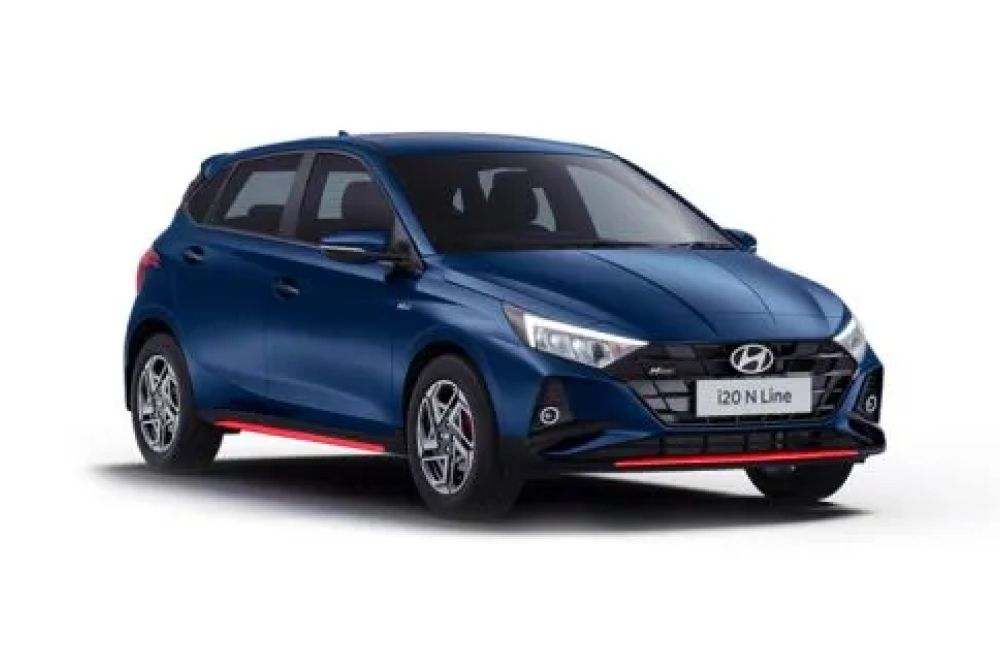
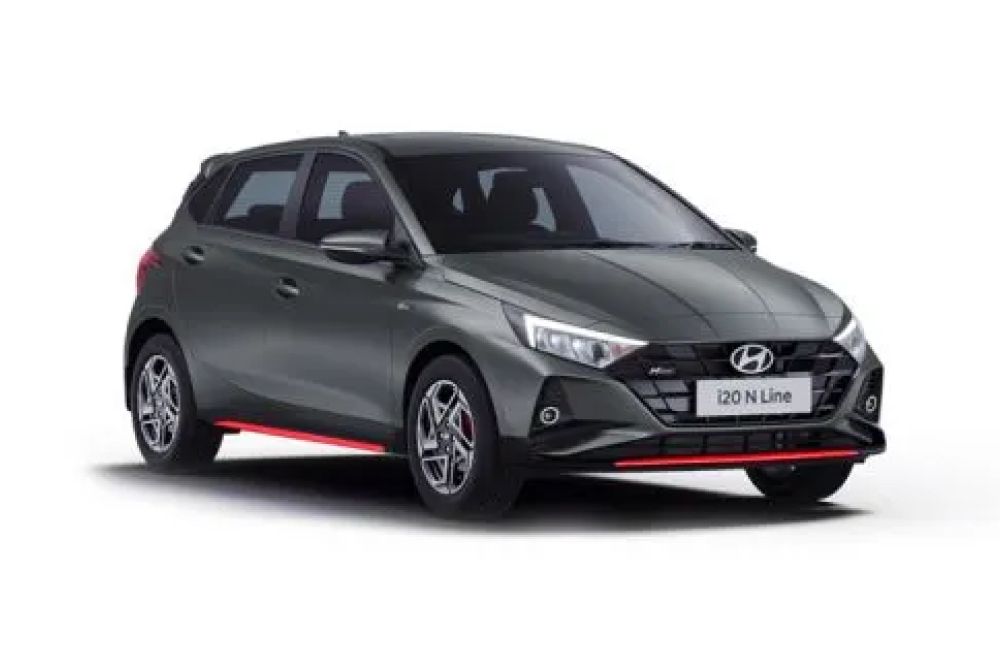
Hyundai i20 N Line N6
From the above comparison, we can conclude that Hyundai i20 N Line feels light on the pocket compared to Tata Harrier EV by ₹11,49,500.
Now, let’s compare power and performance:
Tata Harrier EV Adventure is available in Electric which is a Electric car, delivering 622 KMPL. On the other hand Hyundai i20 N Line N6 is available in 1.0 Turbo GDI Petrol that delivers a mileage of 20.0 KMPL.
If we talk about power then Tata Harrier EV Adventure has NaN bhp and NaNNm Torque While Hyundai i20 N Line N6 delivers 118.41 bhp and 172Nm Torque.
Powerful
Tata Harrier EV Adventure
More Torque
Tata Harrier EV Adventure
Fuel efficient
Tata Harrier EV Adventure
Comparing dimenssions:
Tata Harrier EV Adventure is 4607 mm in length. 2132 in width, 1740 in height and weights around kgs. The ground clearance is 205 mm.
Hyundai i20 N Line N6 is 3995 mm in length. 1775 in width, 1505 in height and weights around 1190 kgs. The ground clearance is mm.
The Tata Harrier EV Adventure has a wheelbase of 2741mm while the wheelbase of Hyundai i20 N Line N6 is 2580mm.
Longer
Tata Harrier EV
Taller
Tata Harrier EV
More Width
Tata Harrier EV
Here is a detailed comparison of Tata Harrier EV Adventure and Hyundai i20 N Line N6
Engine and Transmission
- Brand Name
- Tata Harrier EV
- Body Type
- ...
- Length
- 4607
- Width
- 2132
- Height
- 1740
- Wheel Base (mm)
- 2741
- Ground Clearance (mm)
- 205
- Tyre Size
- --
- Weight (Kg)
- --
- Doors
- 5
- Seating Capacity
- 5
- Fuel Type
- Electric
- Emission Norms
- --
Engine and Transmission
- Hyundai i20 N Line
- ...
- 3995
- 1775
- 1505
- 2580
- --
- --
- 1190
- 5
- 5
- Petrol
- BS VI 2.0
Engine and Transmission
- Engine Type
- Electric
- Displacement (cc)
- --
- Max Power
- --
- Max Torque
- --
- No. of cylinder
- --
- Turbo Charger
- --
- Transmission Type
- Automatic
- Gear Box
- --
- Drive Type
- AWD
Engine and Transmission
- 1.0 Turbo GDI
- 998
- 118.41bhp@6000rpm
- 172Nm@1500-4000rpm
- 3
- Yes
- Manual
- --
- --
Steering and Suspension
- Power Steering
- Yes
- Tilt adjust
- --
- Front Suspension
- Independent Front Suspension with McPherson Strut and Stabilizer bar
- Rear Suspension
- Independent Multilink Rear Suspension with Stabilizer bar
- Seating Capacity
- 5
Steering and Suspension
- Yes
- Tilt & telescopic
- McPherson strut
- Coupled torsion beam axle
- 5
Safety
- Front Brakes
- Disc
- Rear Brakes
- Disc
- ABS
- Yes
- Brake Assist
- --
- Airbags
- 6
- Rear Seatbelts
- --
- Tyre Pressure Monitor
- --
- Speed Alert
- Yes
- Child seat mount
- --
- Follow Me Home headlamps
- --
- Central Locking
- Yes
- Crash Sensor
- --
- Anti-theft Alarm
- --
- Speed sensing door lock
- Yes
- Other features
- --
Safety
- Disc
- Disc
- Yes
- No
- 2
- Yes
- Yes
- Yes
- Yes
- No
- Yes
- Yes
- No
- Yes
- --
Comfort
- Front Brakes
- Disc
- Rear Brakes
- Disc
- ABS
- Yes
- Brake Assist
- --
- Airbags
- 6
- Rear Seatbelts
- --
- Tyre Pressure Monitor
- --
- Speed Alert
- Yes
- Child seat mount
- --
- Follow Me Home headlamps
- --
- Central Locking
- Yes
- Crash Sensor
- --
- Anti-theft Alarm
- --
- Speed sensing door lock
- Yes
- Other features
- --
Comfort
- Disc
- Disc
- Yes
- No
- 2
- Yes
- Yes
- Yes
- Yes
- No
- Yes
- Yes
- No
- Yes
- --
Exterior
- Adjustable Headlights
- --
- Fog Lights - Front
- --
- Power Rear View Mirror
- Yes
- Rear Window Defogger
- Yes
- Alloy Wheels
- Yes
- Alloy Wheel Size
- 245 / 55 R19
- Additional Features
- --
Exterior
- Yes
- Yes
- Yes
- Yes
- Yes
- 16
- Z-shaped LED tail lamps,Dark chrome connecting tail lamp garnish,Chequered flag inspired front grille,R16 diamond cut alloy wheels with N logo,Twin tip muffler,Sporty tailgate spoiler with side wings,Athletic red highlights Front skid plate & Side sill garnish,High gloss painted black finish Tailgate garnish & Outside rear view mirror,Body coloured outside door handles,N Line emblem Front radiator grille,Side fenders (left & right) & Tailgate,B pillar black out tape,Front fog lamp chrome garnish
Interior
- Front Power Windows
- Yes
- Rear Power Windows
- Yes
- Tachometer
- --
- Electronic Multi-Tripmeter
- --
- Fabric Upholstery
- --
- Glove Compartment
- --
- Digital Clock
- --
- Digital Odometer
- --
- Height Adjustable Driver Seat
- --
- Additional Features
- --
Interior
- Yes
- Yes
- Yes
- Yes
- No
- Yes
- Yes
- Yes
- Yes
- Sporty black interiors with athletic red inserts,Chequered flag design leather seats with N logo,3nullspoke steering wheel with N logo,Perforated leather wrapped Steering wheel cover with red stitching & Gear knob with N logo,Sporty metal pedals,Front & rear door map pockets,Front passenger seat back pocket,Rear parcel tray,Dark metal finish inside door handles,Sunglass holder,Digital cluster with TFT multi information display (MID)
Infotainment
- Radio
- Yes
- Audio System Remote Control
- Yes
- Speakers Front
- Yes
- Speakers Rear
- Yes
- Integrated 2 DIN Audio
- Yes
- USB Auxiliary Input
- Yes
- Bluetooth Connectivity
- Yes
- Touch Screen
- Yes
- Touch Screen Size
- 10.24
- Connectivity
- USB and Bluetooth
- Android Auto
- Yes
- Apple Car Play
- Yes
- No of Speakers
- 4
- Additional Features
- --
Infotainment
- Yes
- --
- Yes
- Yes
- Yes
- Yes
- Yes
- Yes
- 8
- Android Auto,Apple CarPlay,
- Yes
- Yes
- 4
- 20.32 cm (8") touchscreen infotainment system,Front tweeters,iblue (audio remote application)
Color Options
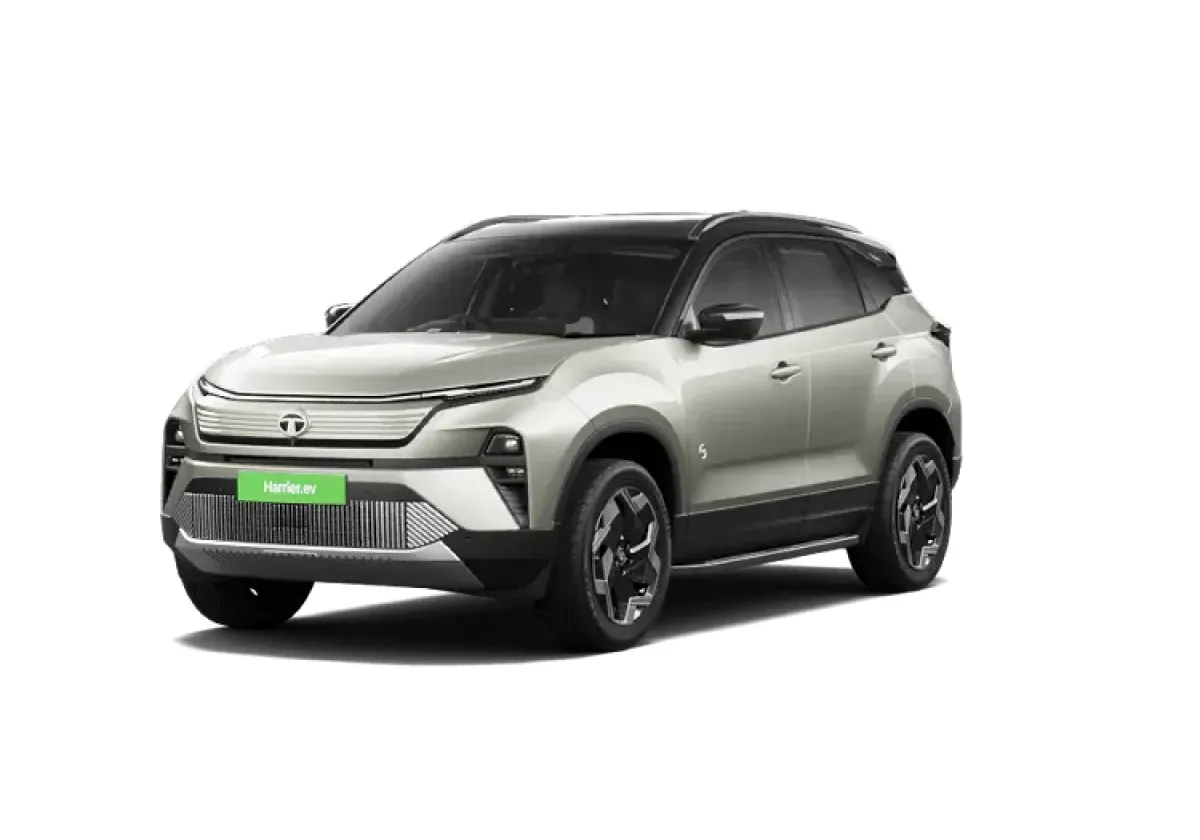
Empowred Oxide
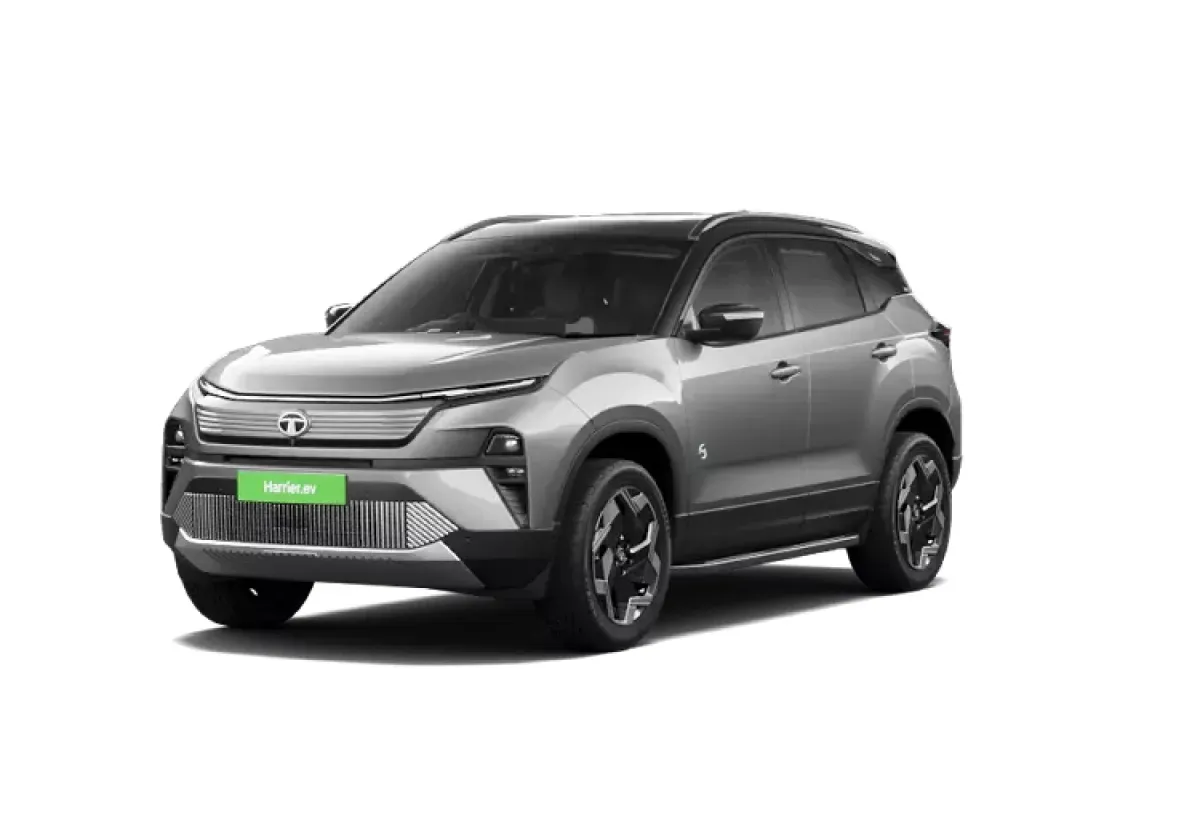
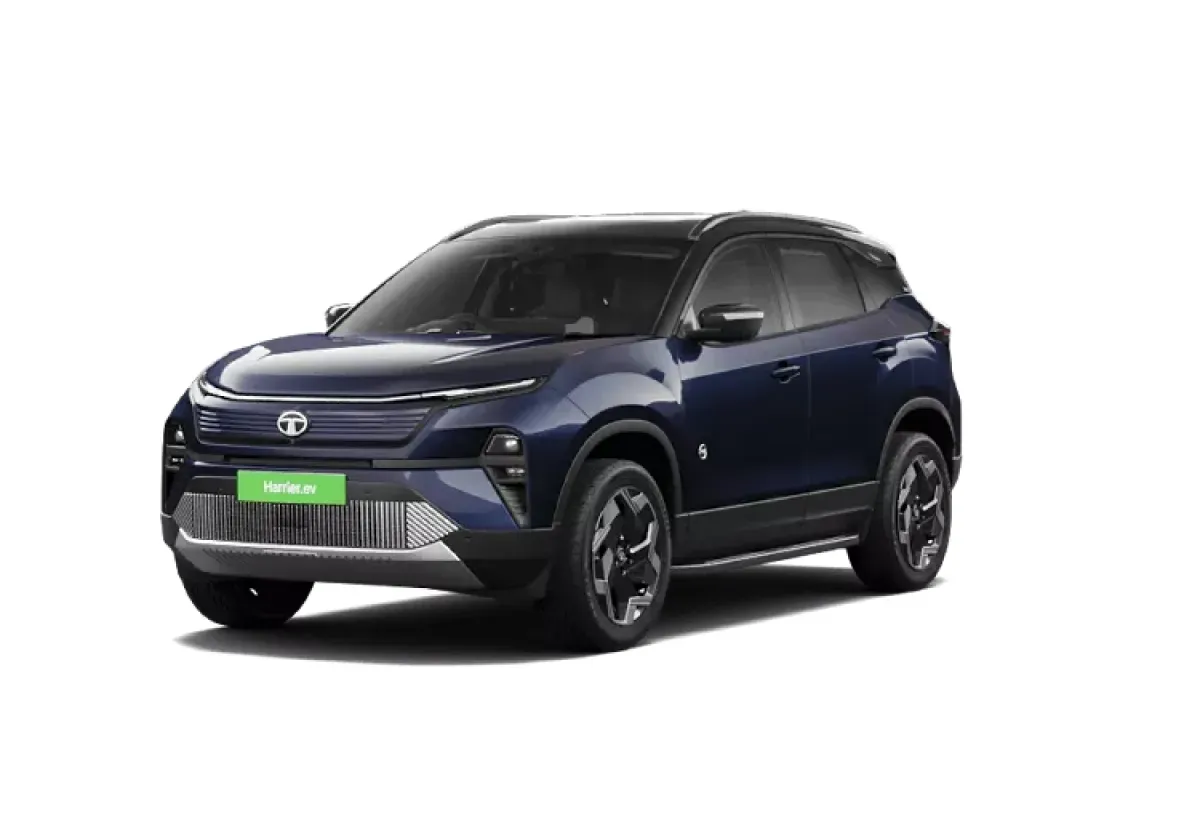
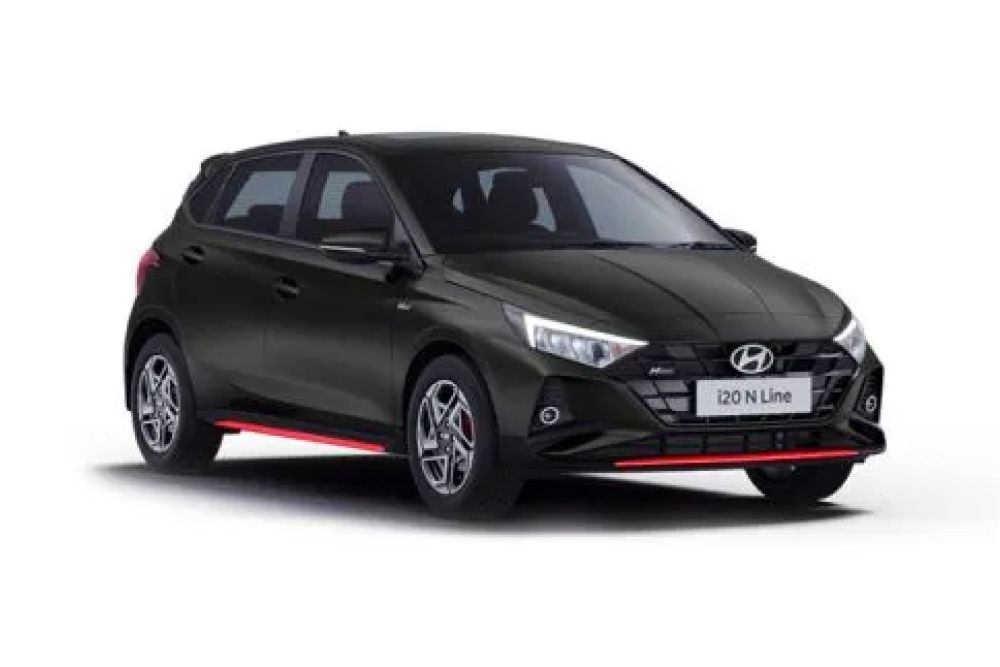
Abyss Black
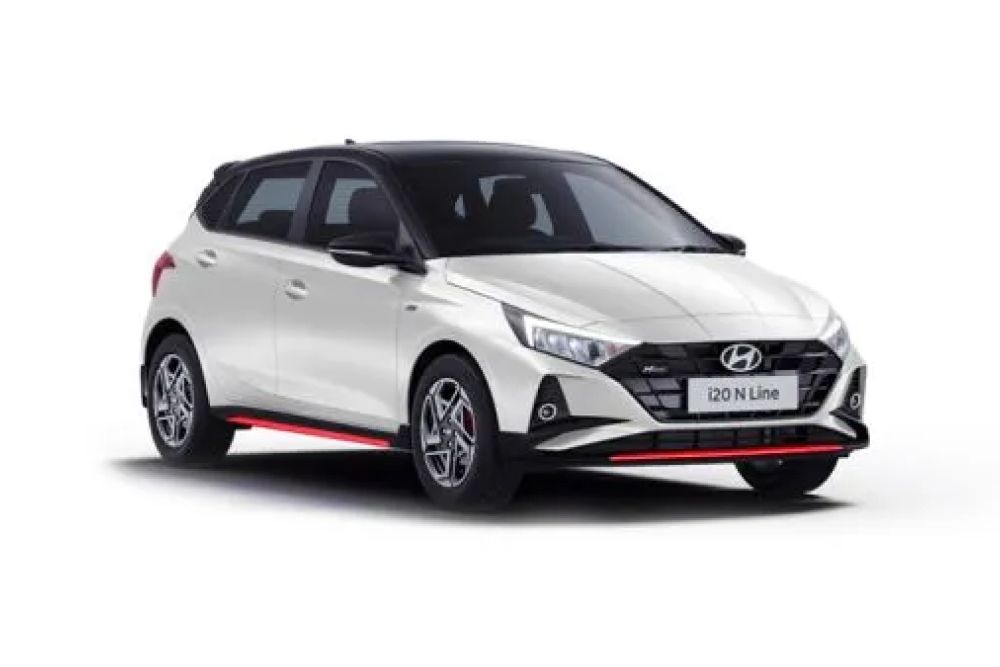
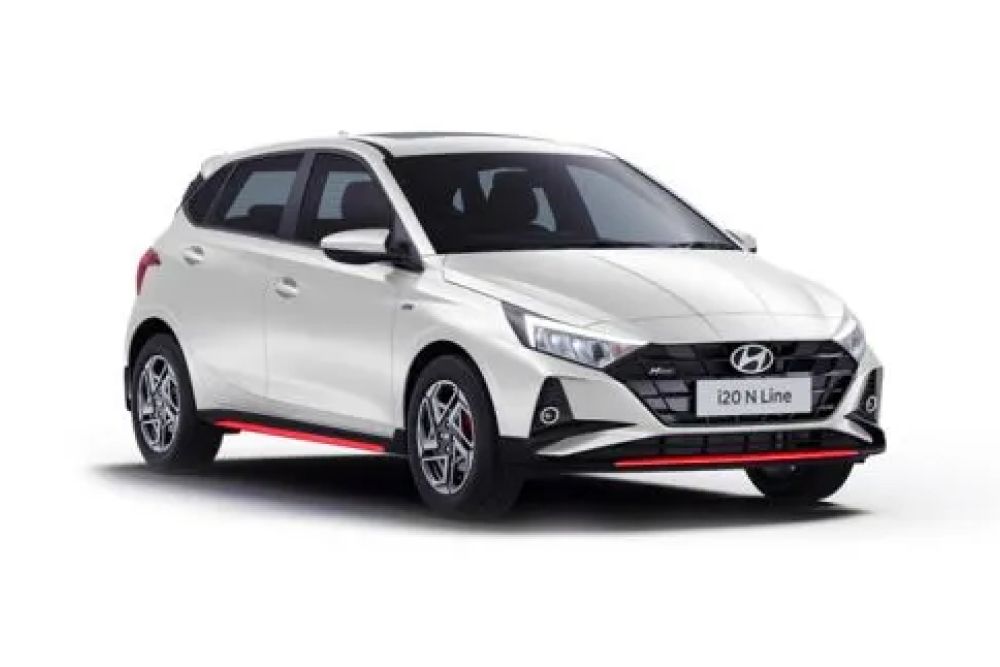

Honest Car Reviews

Calculate Car’s Value

Calculate Car’s EMI

Sell Cars

Compare Cars