Kia Syros VS Maruti Fronx: Head 2 Head Comparison
Let’s compare Kia Syros HTK Turbo and Maruti Fronx Sigma. Kia Syros has 13 Variants available and Maruti Fronx has 14 Variants available. Kia Syros starts at 8,99,000 and Maruti Fronx starts at 7,51,500.
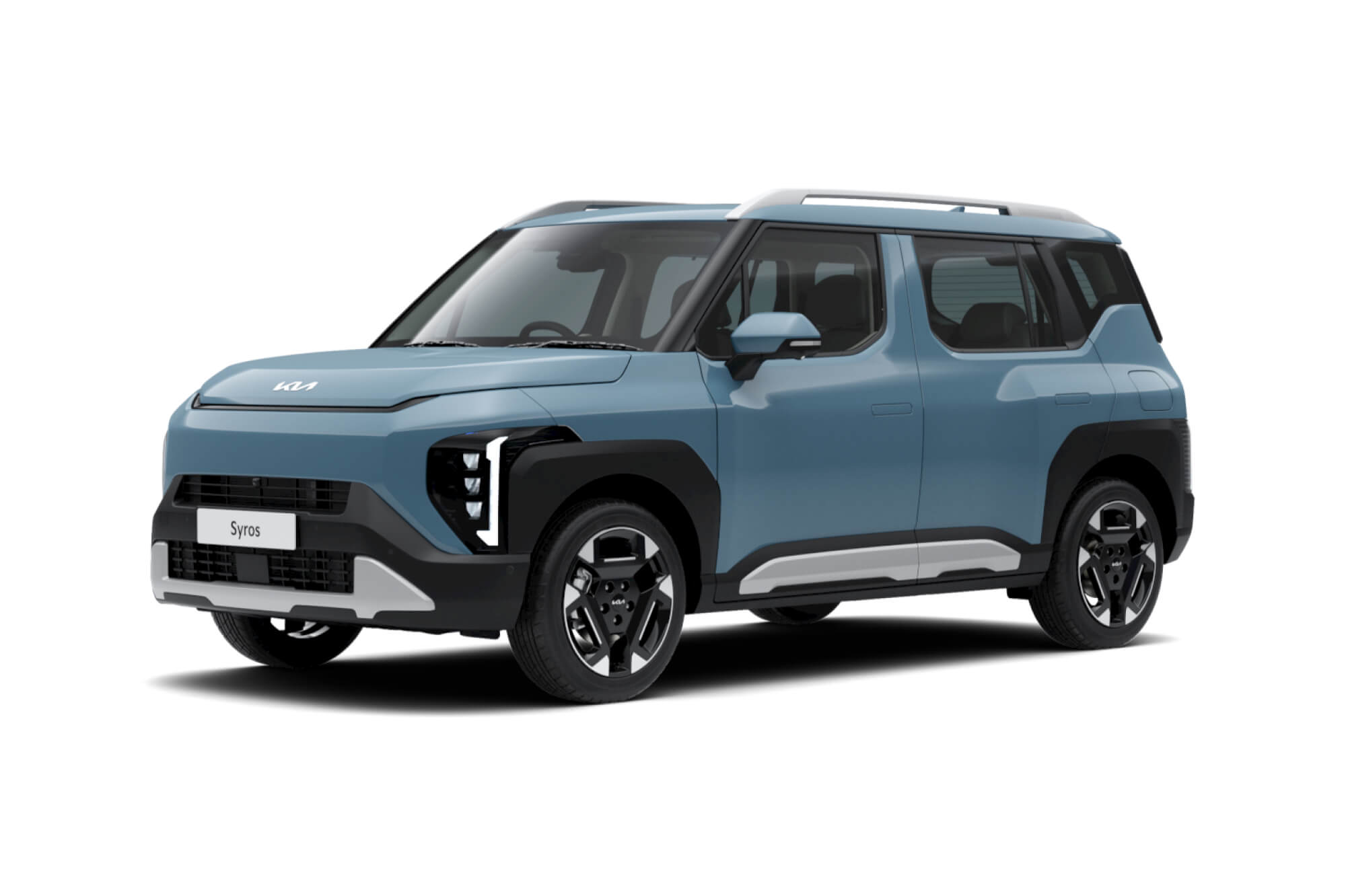
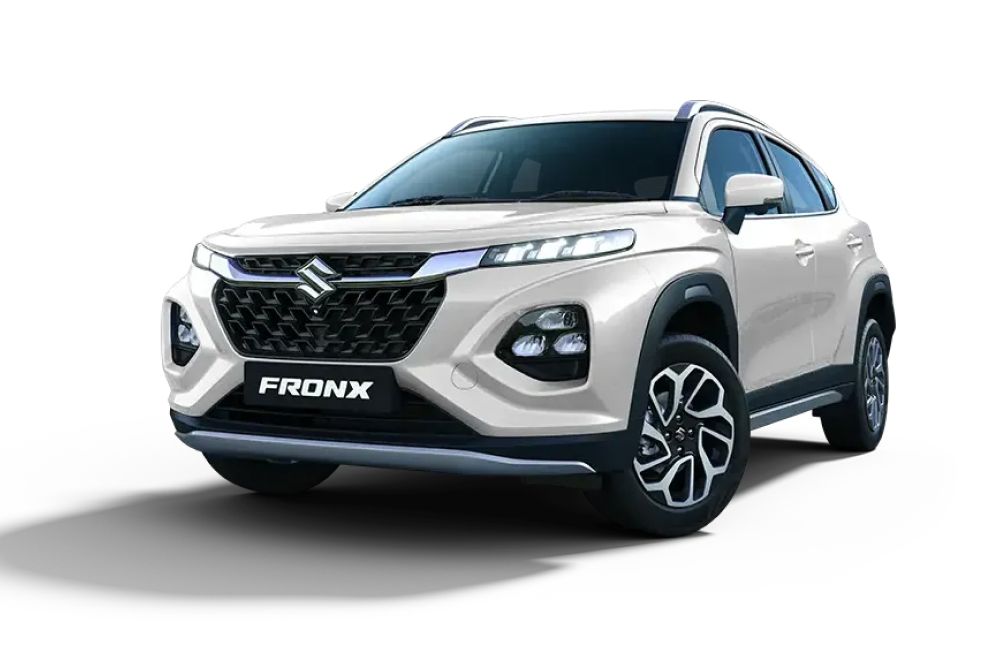

Here is a detailed comparison of price:
₹ 8.99 LakhNew Delhi
Ex ShowroomCheck On-road Price
₹ 16,600/monthChange
10% down payment, 8.5% for 5 Years
₹ 7.51 LakhNew Delhi
Ex ShowroomCheck On-road Price
₹ 13,876/monthChange
10% down payment, 8.5% for 5 Years
Budget Friendly
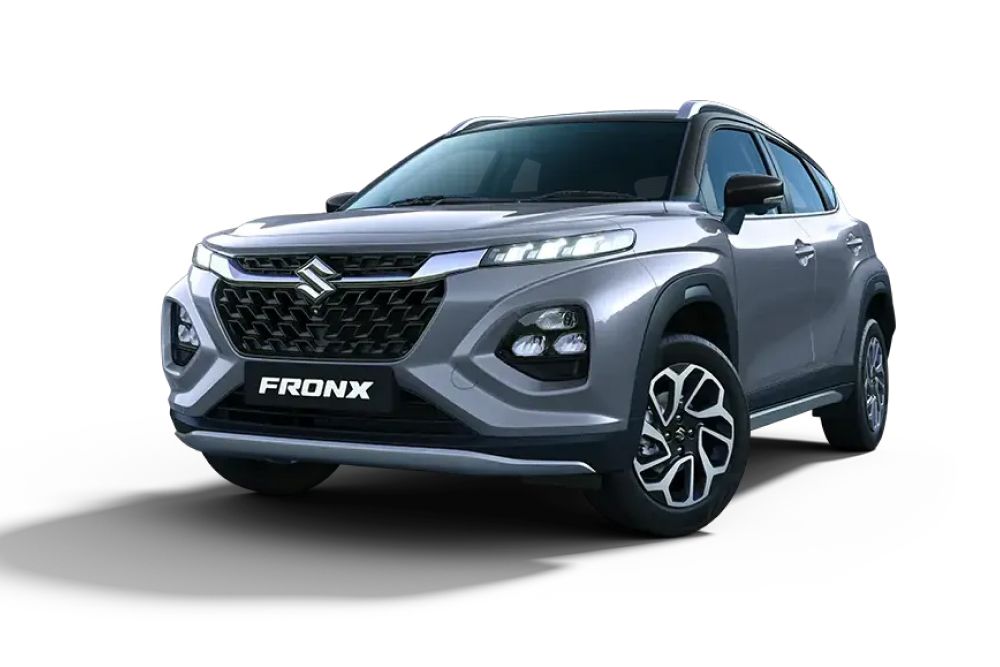
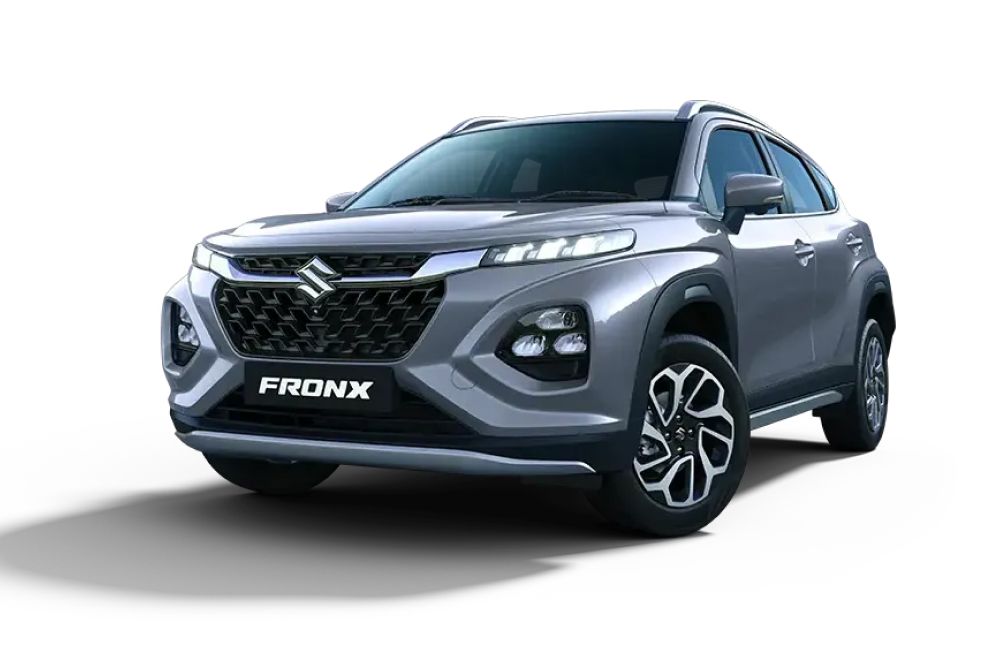
Maruti Fronx Sigma
From the above comparison, we can conclude that Maruti Fronx feels light on the pocket compared to Kia Syros by ₹1,47,500.
Now, let’s compare power and performance:
Kia Syros HTK Turbo is available in Smartstream G1.0T-Gdi 6MT which is a Petrol car, delivering KMPL. On the other hand Maruti Fronx Sigma is available in 1.2L Dual Jet, Dual VVT Petrol that delivers a mileage of 21.79 KMPL.
If we talk about power then Kia Syros HTK Turbo has 118 bhp and 172Nm Torque While Maruti Fronx Sigma delivers 88.5 bhp and 113Nm Torque.
Powerful
Kia Syros HTK Turbo
More Torque
Kia Syros HTK Turbo
Fuel efficient
Kia Syros HTK Turbo
Comparing dimenssions:
Kia Syros HTK Turbo is 3995 mm in length. 1680 in width, 1805 in height and weights around kgs. The ground clearance is mm.
Maruti Fronx Sigma is 3995 mm in length. 1765 in width, 1550 in height and weights around 965-970 kgs. The ground clearance is 190 mm.
The Kia Syros HTK Turbo has a wheelbase of 2500mm while the wheelbase of Maruti Fronx Sigma is 2520mm.
Longer
Both Equal
Taller
Kia Syros
More Width
Maruti Fronx
Here is a detailed comparison of Kia Syros HTK Turbo and Maruti Fronx Sigma
Engine and Transmission
- Brand Name
- Kia Syros
- Body Type
- ...
- Length
- 3995
- Width
- 1680
- Height
- 1805
- Wheel Base (mm)
- 2500
- Ground Clearance (mm)
- --
- Tyre Size
- --
- Weight (Kg)
- --
- Doors
- 5
- Seating Capacity
- 5
- Fuel Type
- Petrol
- Emission Norms
- BS VI 2.0
Engine and Transmission
- Maruti FRONX
- ...
- 3995
- 1765
- 1550
- 2520
- 190
- --
- 965-970
- 5
- 5
- Petrol
- BS VI 2.0
Engine and Transmission
- Engine Type
- Smartstream G1.0T-Gdi 6MT
- Displacement (cc)
- 998
- Max Power
- 118 bhp @ 6000 rpm
- Max Torque
- 172 Nm @ 1500-4000 rpm
- No. of cylinder
- 3
- Turbo Charger
- Yes
- Transmission Type
- Manual
- Gear Box
- 6
- Drive Type
- FWD
Engine and Transmission
- 1.2L Dual Jet, Dual VVT
- 1197
- 88.50Bhp@6000rpm
- 113Nm@4400rpm
- 4
- No
- Manual
- 5
- FWD
Steering and Suspension
- Power Steering
- --
- Tilt adjust
- Tilt
- Front Suspension
- McPherson Strut with Coil Spring
- Rear Suspension
- Coupled Torsion Beam Axle with Coil Spring
- Seating Capacity
- 5
Steering and Suspension
- Yes
- Tilt
- MacPherson Strut
- Torsion Beam
- 5
Safety
- Front Brakes
- Disc
- Rear Brakes
- Drum
- ABS
- Yes
- Brake Assist
- Yes
- Airbags
- 6
- Rear Seatbelts
- Yes
- Tyre Pressure Monitor
- No
- Speed Alert
- Yes
- Child seat mount
- Yes
- Follow Me Home headlamps
- --
- Central Locking
- Yes
- Crash Sensor
- --
- Anti-theft Alarm
- --
- Speed sensing door lock
- Yes
- Other features
- --
Safety
- Disc
- Drum
- Yes
- No
- 2
- Yes
- No
- Yes
- Yes
- No
- Yes
- No
- No
- No
- --
Comfort
- Front Brakes
- Disc
- Rear Brakes
- Drum
- ABS
- Yes
- Brake Assist
- Yes
- Airbags
- 6
- Rear Seatbelts
- Yes
- Tyre Pressure Monitor
- No
- Speed Alert
- Yes
- Child seat mount
- Yes
- Follow Me Home headlamps
- --
- Central Locking
- Yes
- Crash Sensor
- --
- Anti-theft Alarm
- --
- Speed sensing door lock
- Yes
- Other features
- --
Comfort
- Disc
- Drum
- Yes
- No
- 2
- Yes
- No
- Yes
- Yes
- No
- Yes
- No
- No
- No
- --
Exterior
- Adjustable Headlights
- --
- Fog Lights - Front
- --
- Power Rear View Mirror
- --
- Rear Window Defogger
- --
- Alloy Wheels
- --
- Alloy Wheel Size
- R17
- Additional Features
- Standard 20 Hi Safety Package Streamline Door Handles Advanced 10.5 cm (4.2”) Color TFT MID 31.24 cm (12.3”) HD Touchscreen with Wireless Android Auto/Apple Carplay, 4 Speakers Manual Air Conditioner & Rear AC Vents • Ice Cube Halogen Headlamps • Kia Signature Digital Tiger Face • Integrated Spoiler • Rear Door Sunshade Curtains • Double D-Cut Steering Wheel
Exterior
- Yes
- No
- No
- Yes
- No
- -
- Nexa wave Grille with Chrome Finish,Without Centre LIT Nexa Signature Connect Full LED Rear Combination Lamp,Steel Wheel with Wheel Cover,Front & Reat Skid Plate,Wheel Arch,Side Door,Underbody Cladding,Roof Garnish
Interior
- Front Power Windows
- Yes
- Rear Power Windows
- Yes
- Tachometer
- Yes
- Electronic Multi-Tripmeter
- --
- Fabric Upholstery
- Yes
- Glove Compartment
- --
- Digital Clock
- --
- Digital Odometer
- --
- Height Adjustable Driver Seat
- --
- Additional Features
- --
Interior
- Yes
- Yes
- No
- Yes
- Yes
- Yes
- No
- Yes
- No
- Dual Tone Interior,Premium Fabric Seat,Flate Bottom Steering Wheel,Flat Bottom Steering Wheel
Infotainment
- Radio
- Yes
- Audio System Remote Control
- --
- Speakers Front
- Yes
- Speakers Rear
- Yes
- Integrated 2 DIN Audio
- Yes
- USB Auxiliary Input
- Yes
- Bluetooth Connectivity
- Yes
- Touch Screen
- Yes
- Touch Screen Size
- 12.3
- Connectivity
- USB & Bluetooth
- Android Auto
- Yes
- Apple Car Play
- Yes
- No of Speakers
- 4
- Additional Features
- Steering Wheel mounted Controls, Rear View Camera with Dynamic Assistance
Infotainment
- Yes
- --
- No
- No
- No
- No
- No
- No
- --
- No
- No
- No
- --
- -
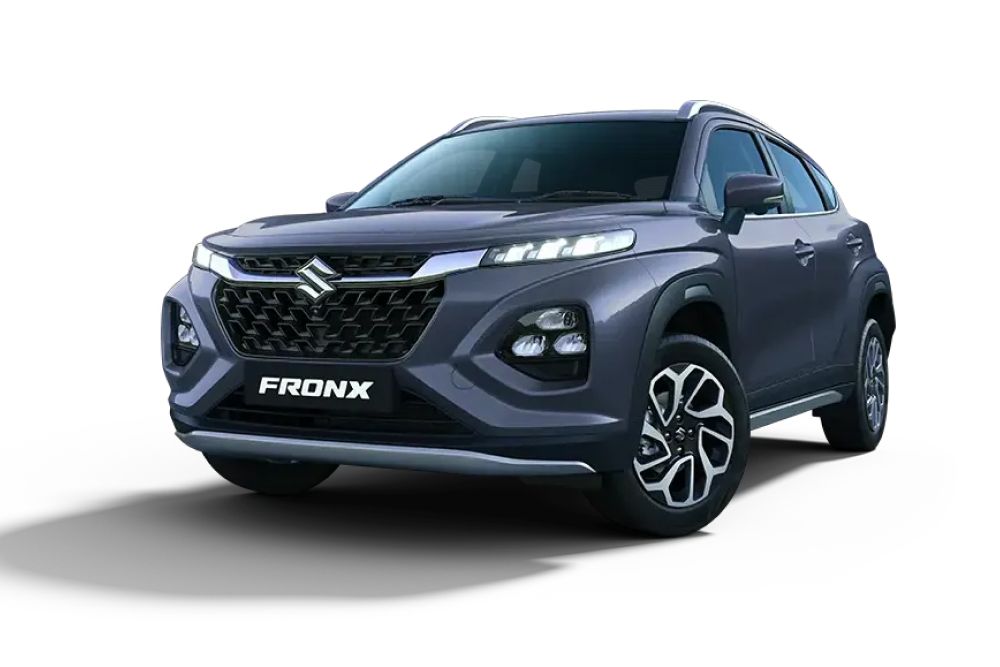
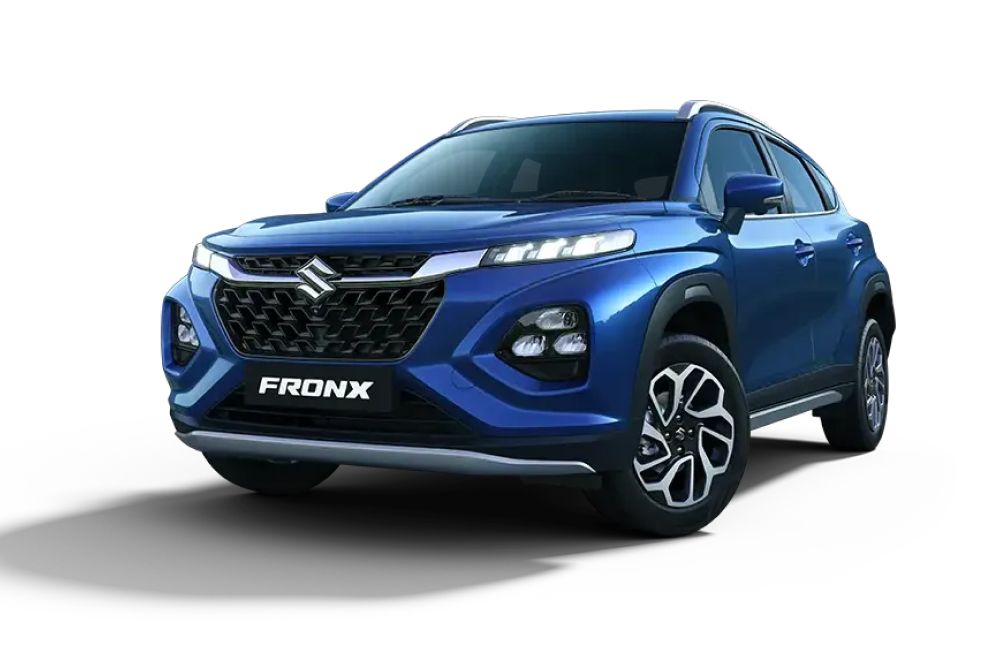
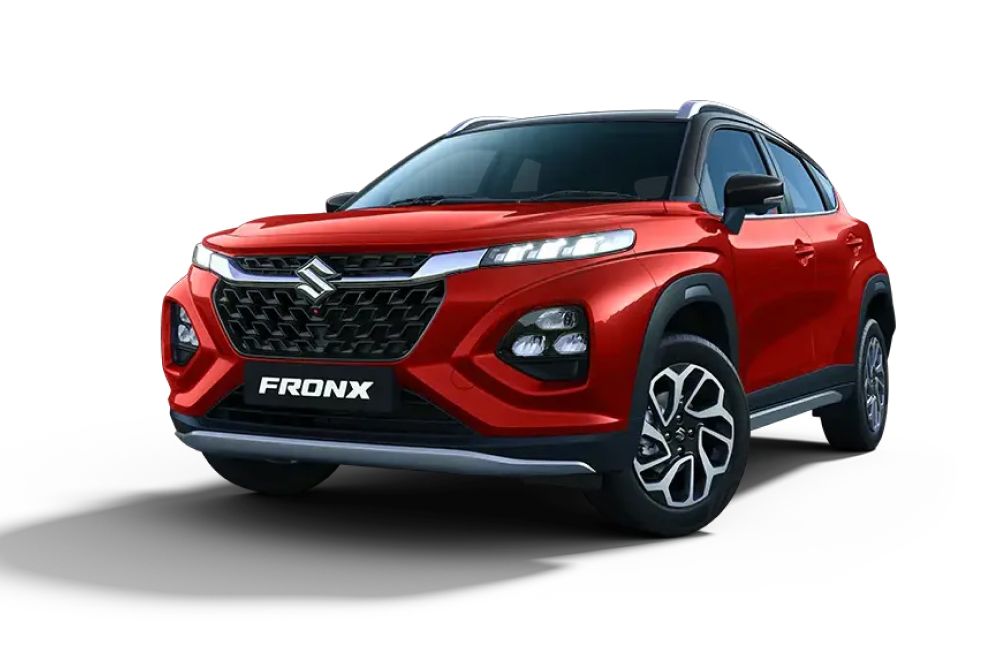
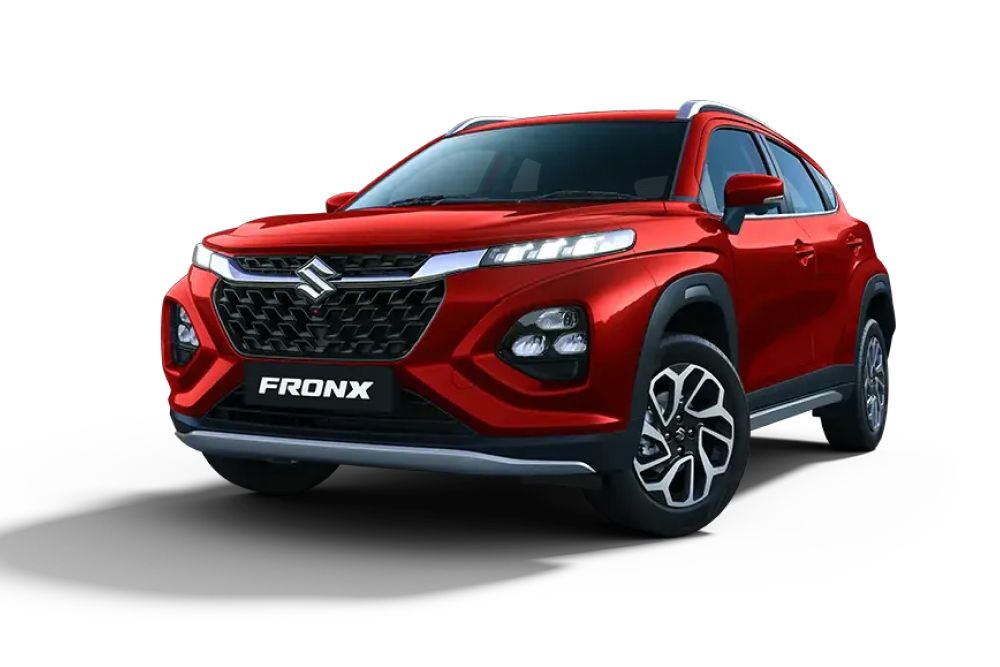
Color Options
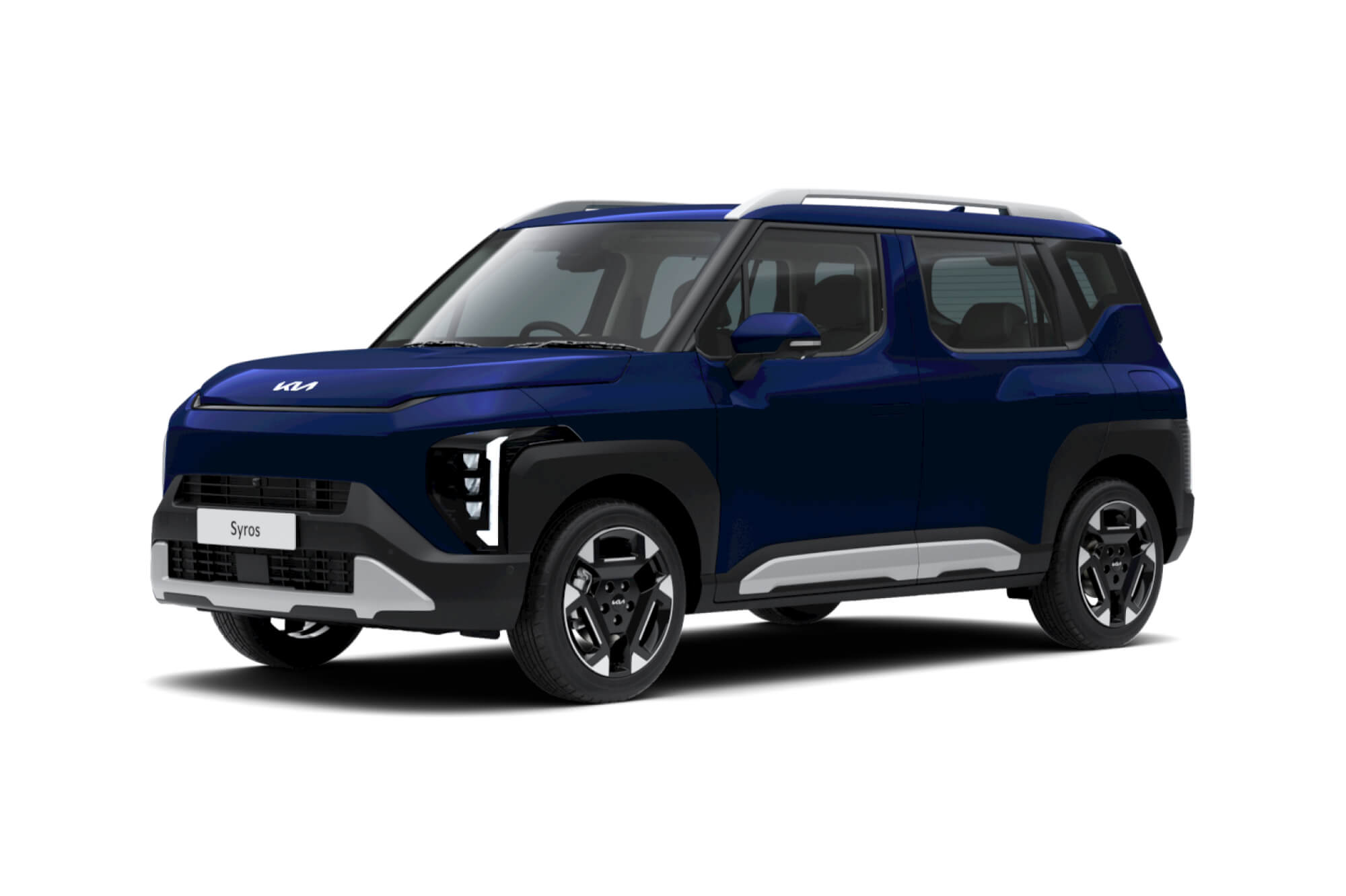
Imperial Blue
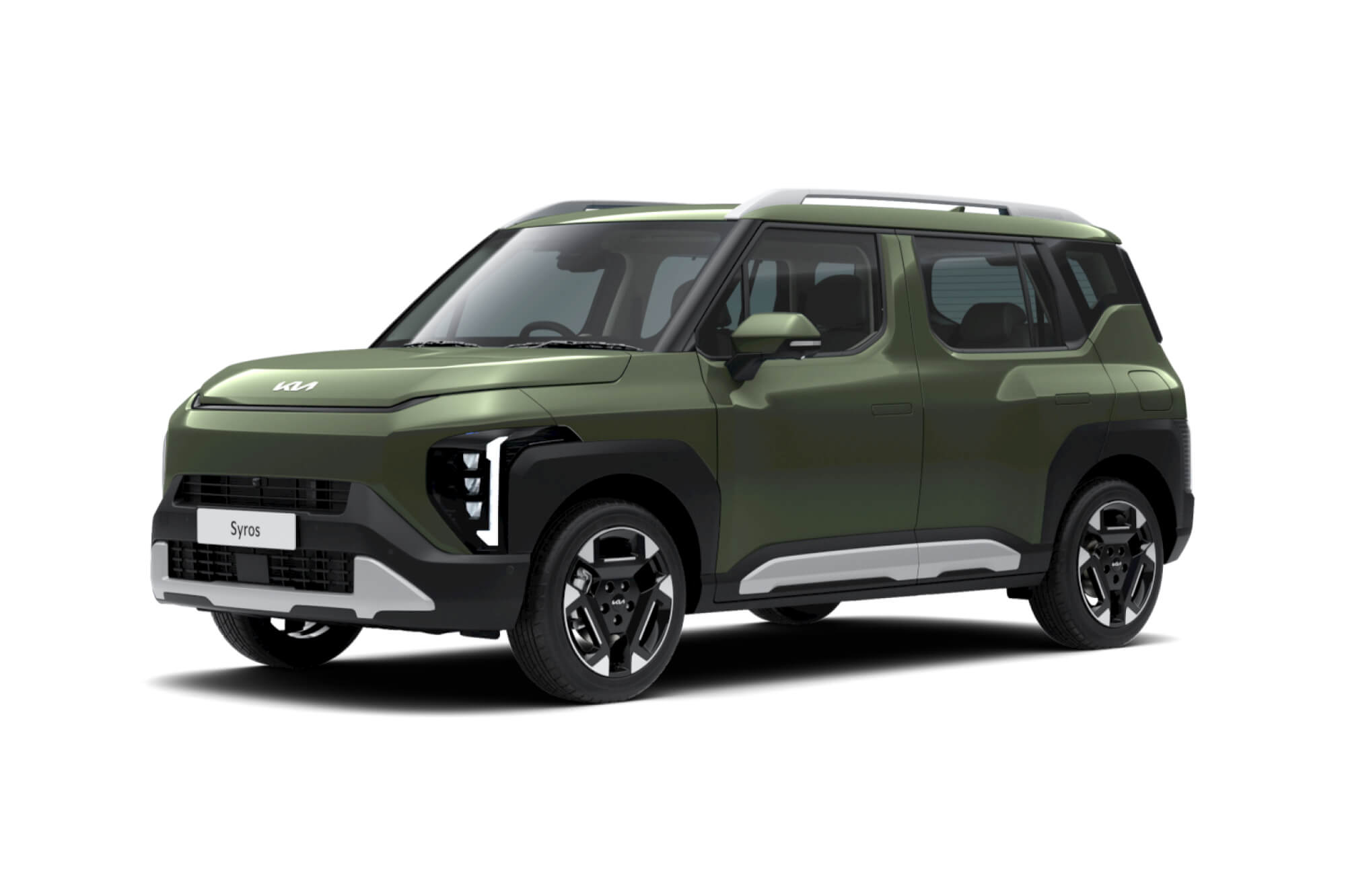
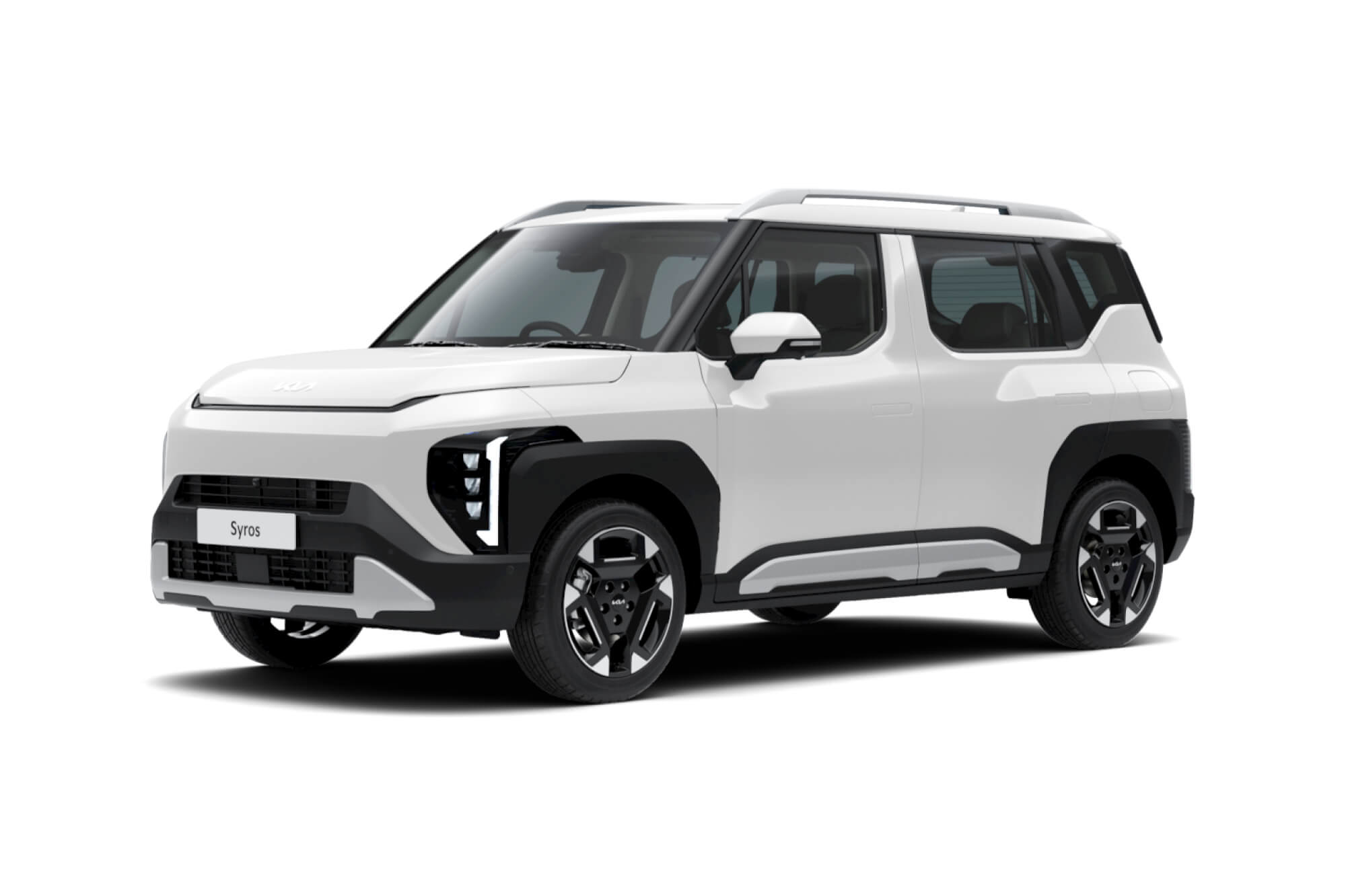
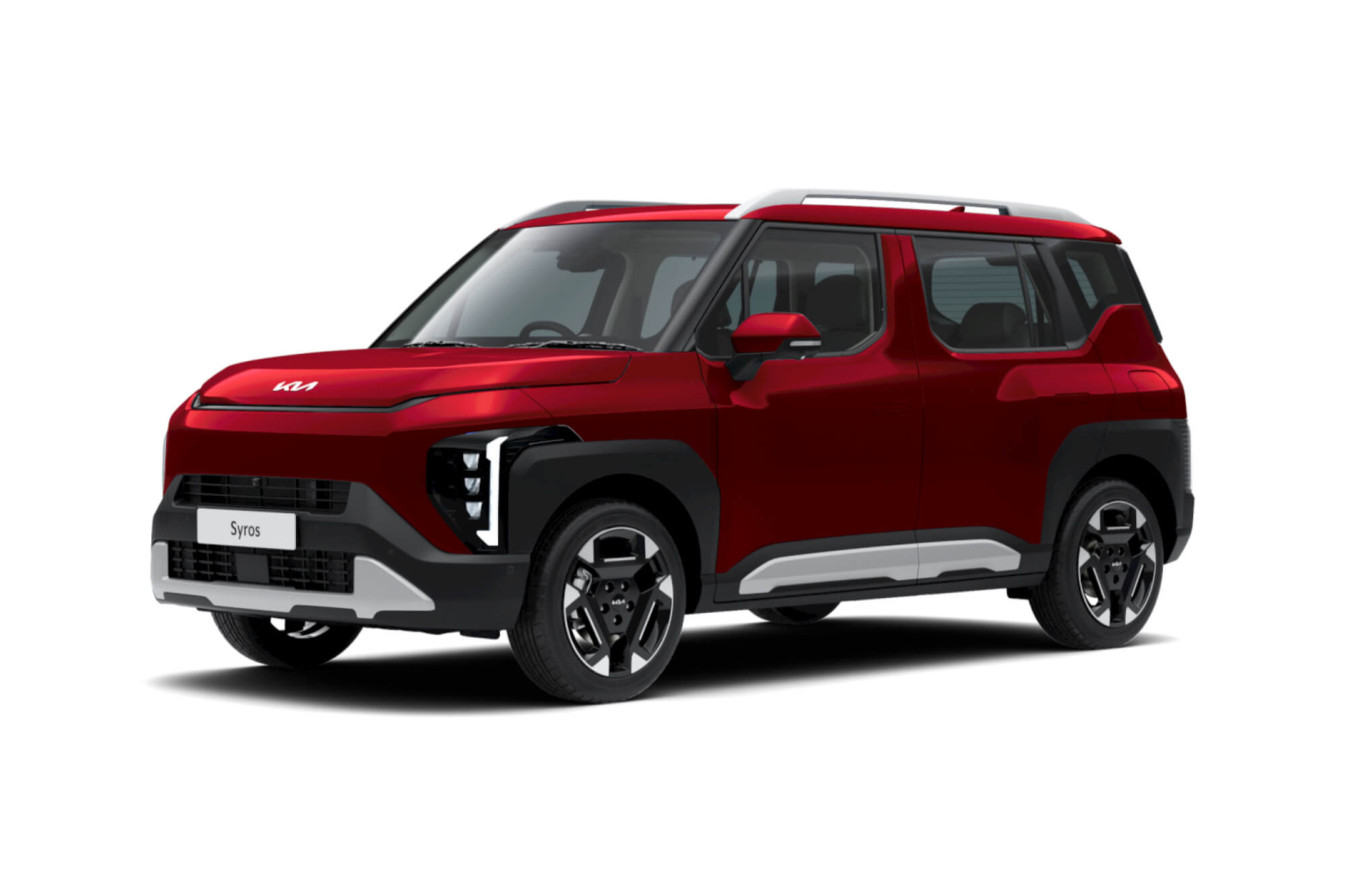
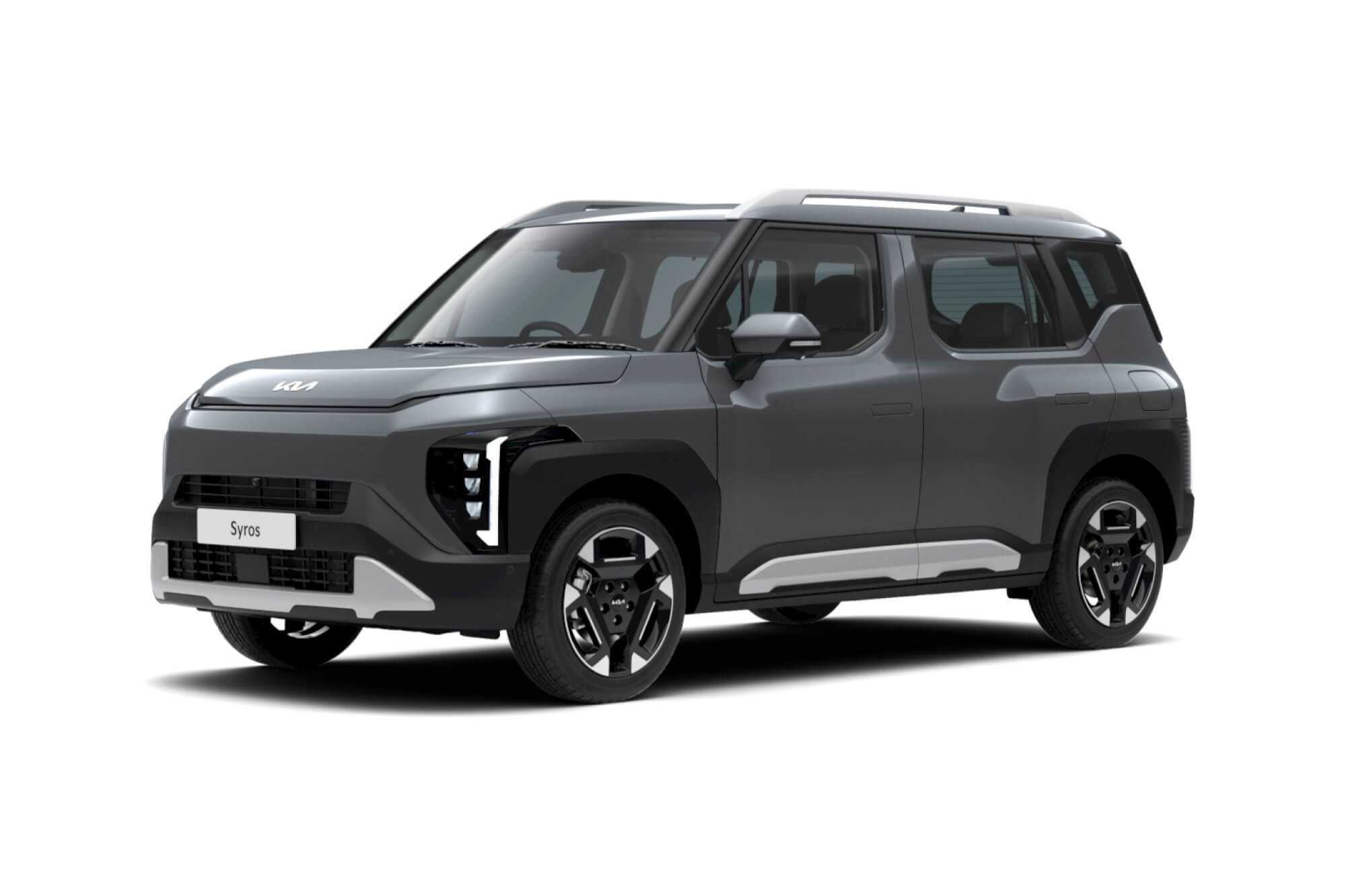
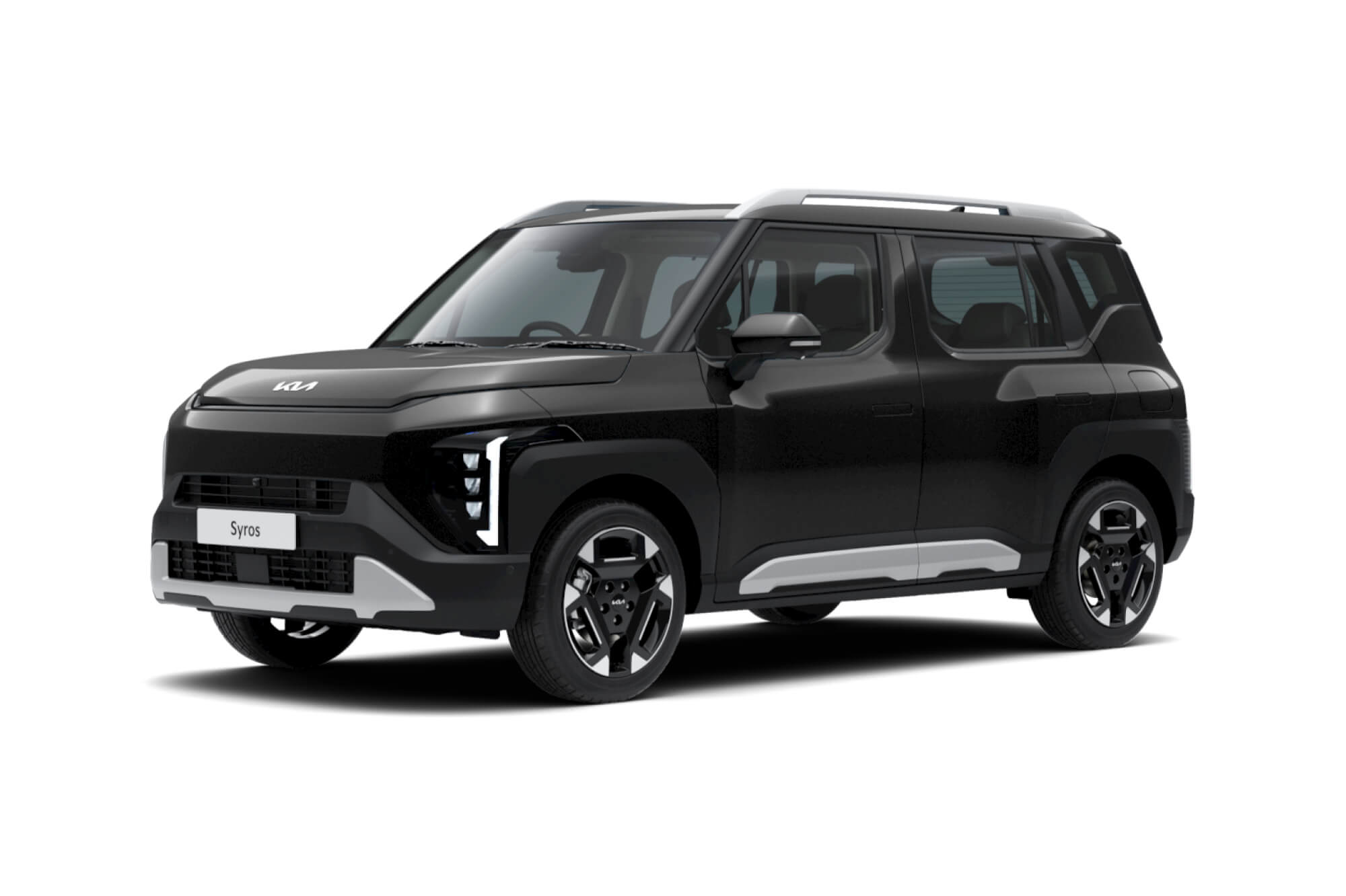
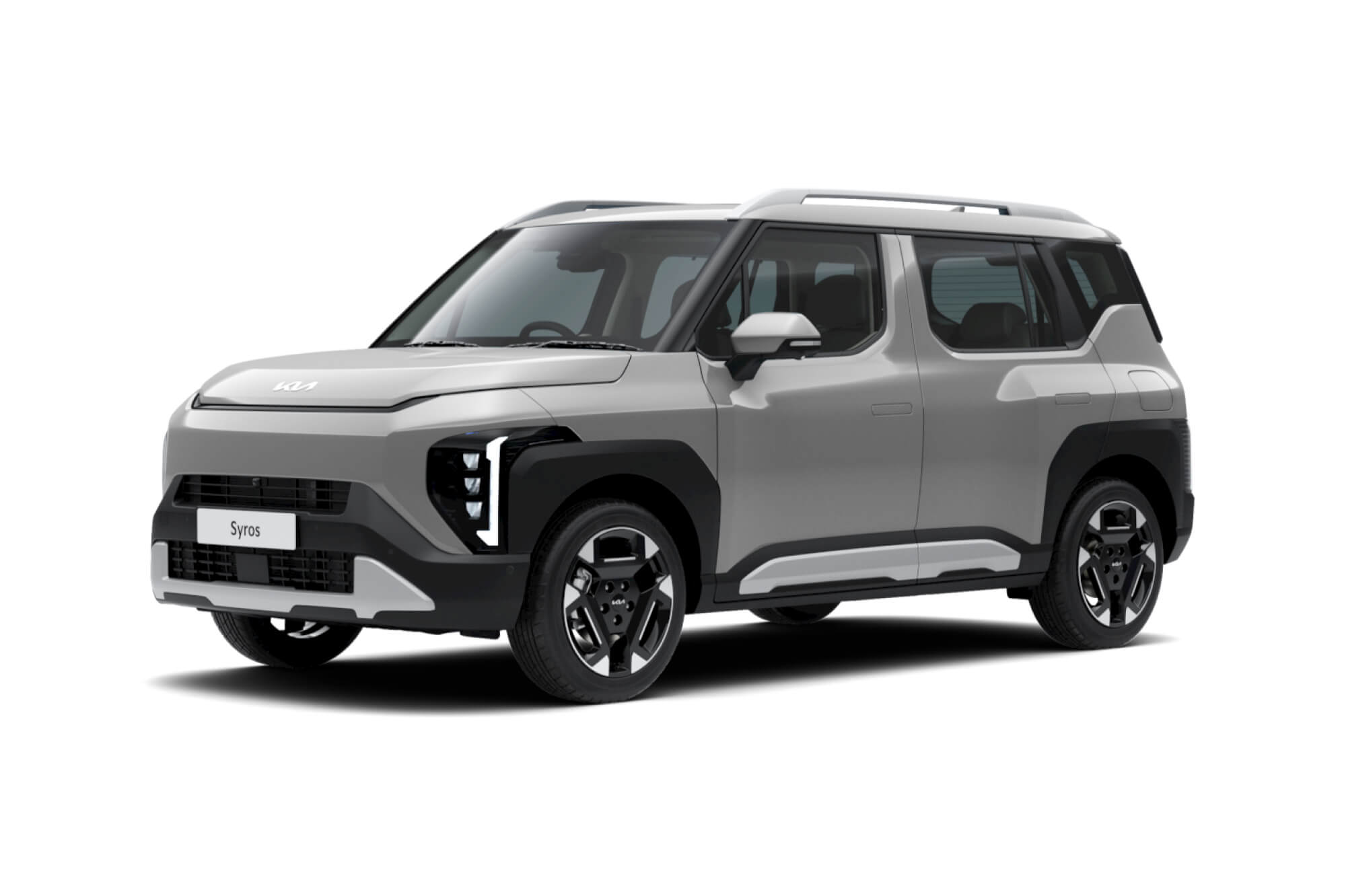
Arctic White

Honest Car Reviews

Calculate Car’s Value

Calculate Car’s EMI

Sell Cars

Compare Cars